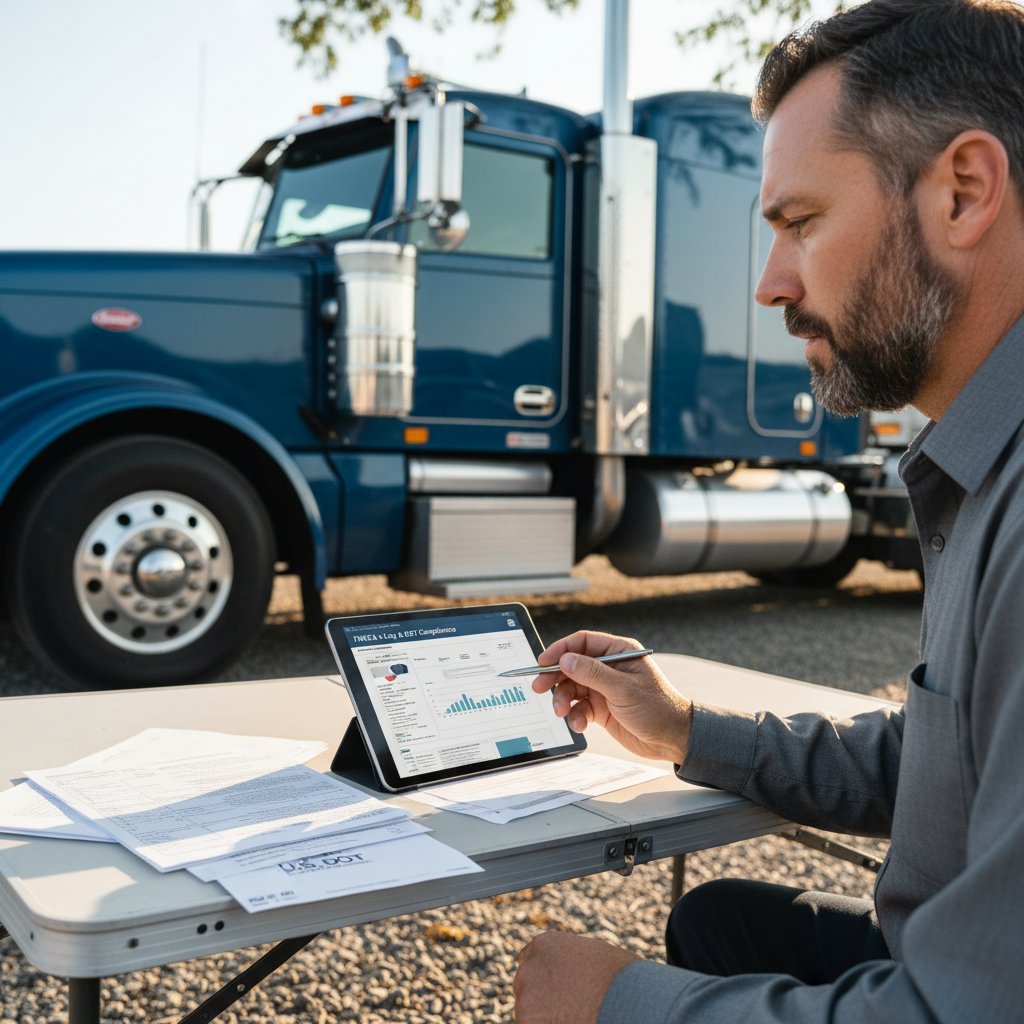
Compare pickup truck insurance for personal and commercial use, coverage options, cost drivers, and ways to save in 2026.

Best insurance for pickup trucks isn’t one company — it’s the policy type and coverage set that matches how you actually use the truck: personal driving, towing, side jobs, jobsite work, or hotshot-style hauling. If your pickup is financed, loaded with tools, towing often, or earning money, one wrong “personal use” choice can turn into a claim dispute when you need the truck back on the road.
Here’s the straight answer: the “best” pickup policy is the carrier that prices your ZIP code and driver history competitively and offers the pickup-focused add-ons you may actually need: towing, rental reimbursement, custom equipment, trailer coverage, and the right liability limits. If your pickup earns money — contracting, deliveries, service work, or hauling — quote commercial auto insurance too, because personal policies can have business-use limits.
Table of Contents
Reading time: 10 minutes
- Quick picks: best pickup truck insurance companies by driver type
- Pickup truck insurance cost in 2026
- Personal vs commercial pickup truck insurance
- Coverage options for pickup trucks
- What affects pickup truck insurance rates
- Model and use-case notes
- How to save on pickup truck insurance
- Frequently Asked Questions
- Why LogRock
- Conclusion
Quick picks: best insurance for pickup trucks by driver type
The best insurance for pickup trucks is usually found by comparing 3–5 carriers with the same limits and deductibles so you’re comparing price, not different coverage.
There isn’t one universal cheapest pickup insurer because underwriting is local, personal, and usage-based. Your ZIP code, driver history, miles, towing, and business use can matter more than the truck badge.
Best pickup truck insurance by use case (2026)
| Use case | What to prioritize | Commonly strong markets to quote | Coverage notes |
|---|---|---|---|
| Budget / price-first | Stable low premium, basic claims handling | Large national carriers + strong regionals | Don’t underbuy liability just to “win” the quote |
| New/financed pickup | Full coverage, repair options, GAP where available | Carriers with strong physical damage programs | Choose deductibles you can actually pay |
| High-mileage driver | Rate tolerance for annual miles | Carriers that price mileage fairly | Be honest — mileage is underwritten |
| Towing/hauling often | Higher liability, trailer rules, roadside | Carriers with clear towing rules | Confirm trailer physical damage and liability in writing |
| Business use | Commercial auto, driver eligibility, higher limits | Commercial auto markets | Tools may need separate inland marine coverage |
| Hotshot-style hauling | Hotshot insurance package | Specialty trucking insurers | If you’re for-hire, this is closer to trucking than personal auto |
Owners of F-350/3500-class trucks used for commercial hauling should also review 1-ton hot shot commercial insurance before choosing limits.
Best overall for most pickup owners
A “best overall” pickup insurer is a carrier that is consistently competitive across many ZIP codes and offers pickup-relevant add-ons such as towing, rental reimbursement, and custom equipment coverage.
The premium only tells half the story. Claims speed, repair quality, and clear rules about usage are what keep a cheap policy from becoming expensive later.
Best for low rates
The lowest pickup insurance rate usually comes from running the same coverage set through multiple carriers, including regional insurers that can beat national brands in specific states.
Do not compare 50/100 liability to 100/300 and call it “cheaper.” That is buying less coverage.
Best for new or financed pickups
Newer and higher-trim pickups often need stronger physical damage coverage, plus repair endorsements such as OEM parts or new car replacement where available. Modern trucks can be expensive to repair because cameras, radar, sensors, and body materials raise claim costs.
Pickup truck insurance cost in 2026: what to expect
Pickup insurance pricing can swing widely by state and ZIP code because insurers file rates around local claim frequency, repair costs, theft patterns, weather losses, and litigation trends.
Instead of relying on a national average, compare quotes with identical coverage, accurate mileage, and the right usage classification.
For a closer look at monthly ranges, see our breakdown of average pickup truck insurance cost per month.
Why your location changes pricing so much
Your garaging state and ZIP code are major rating factors because they are tied to claim frequency and claim severity. Theft, vandalism, hail, flooding, labor rates, parts availability, and local claims trends all affect pricing.
Regional pricing trends to watch
Insurance renewal increases can happen even with no tickets or claims because carriers adjust rates when their loss results change in a state or territory. A practical move is to shop 30–45 days before renewal so you have time to compare without risking a lapse.
Personal vs commercial pickup truck insurance: which one do you actually need?
Personal auto policies are designed for household driving. Commercial auto policies are designed for business operations, higher exposure, and business-required proof such as a Certificate of Insurance.
If the pickup earns money and is insured as “personal only,” you can end up in a coverage dispute or slow claims process. Rules vary by insurer, so disclose your use in writing and get the policy type that matches it.
When personal auto insurance is usually enough
Personal auto insurance is usually enough when the pickup is used for commuting, errands, recreation, and personal towing that fits the insurer’s rules. Once the truck is tied to revenue, ask how the carrier classifies it.
When you likely need commercial pickup truck insurance
Commercial pickup truck insurance is typically needed when the vehicle is used in operations, driven by employees, titled to a business or LLC, or required to meet customer or general-contractor insurance requirements.
- You drive the truck to paid jobs
- You carry tools or materials routinely
- Employees or subcontractors ever drive it
- The truck is titled to a business or LLC
- You need a COI for a jobsite or customer
- You do hotshot-style hauling
If paid hauling crosses state lines, check the FMCSA registration guide to confirm whether federal registration or operating-authority rules apply.
What changes with a commercial policy
Commercial auto is commonly underwritten with different driver eligibility rules and often higher liability limits because business driving increases mileage, jobsite exposure, and third-party risk.
For a direct cost comparison, see our commercial vs personal auto insurance cost breakdown.
If your pickup is doing hotshot-style work, this walkthrough covers the equipment and insurance decisions together:
Coverage options for pickup trucks
Pickup truck insurance is a mix of core protections — liability, comprehensive, collision, UM/UIM — plus optional endorsements that reduce downtime and protect upgrades such as toolboxes, racks, wheels, tires, and suspension work.
Core coverages
- Liability: Pays others if you cause a crash.
- Collision: Pays to repair or replace your truck after an at-fault crash or single-vehicle impact.
- Comprehensive: Pays for theft, hail, vandalism, fire, animal hits, and falling objects.
- UM/UIM: Helps protect you if the other driver has no insurance or not enough.
Not sure how much coverage is actually enough? This video walks through how to think about limits:

Add-ons pickup owners should consider
| Add-on | Best for | Typical reason | Common gotcha |
|---|---|---|---|
| Roadside/towing | Rural drivers, frequent towing | A single tow can cost a big chunk of your deductible | Limits can be low |
| Rental reimbursement | Single-vehicle households or work trucks | Stay moving while the truck is in the shop | Daily cap and max days |
| OEM parts endorsement | New trucks | Better repairs after a claim | Availability varies |
| Custom equipment coverage | Lifted or modified pickups | Protects aftermarket investment | Must be scheduled or endorsed |
| GAP | Financed trucks | Loan vs actual cash value gap after total loss | The CFPB explains GAP insurance and when it applies to auto loans. |
Towing and trailers
Trailer coverage is often separate from the pickup because physical damage to the trailer, liability while towing, and coverage for cargo or tools can fall under different policy parts. Questions about trailer insurance should be answered in writing before you hook anything up.
What affects pickup truck insurance rates
Pickup truck insurance rates are usually driven by location, driver history, vehicle value and trim, repair complexity, theft risk, annual miles, towing frequency, and whether the truck is rated as personal or commercial use.
If you want a deeper breakdown of every factor that moves your rate, watch this:
Truck factors
- MSRP and trim level
- Repair complexity from sensors, cameras, and specialized materials
- Theft and loss history by model year and region
- Off-road or performance-oriented trims
Driver and usage factors
- Driving history, tickets, accidents, and claims
- Annual miles and commute patterns
- Garaging ZIP code
- Towing frequency
- Business use classification
2026 note: Credit-based insurance scoring is used in many states but restricted or limited in others, so ask what factors are used where you live instead of guessing.
Model and use-case notes: F-150, Silverado, Ram, Tacoma, and modified pickups
Pickup insurance pricing is not a simple model-by-model leaderboard because rates depend on ZIP code, driver profile, trim level, usage, and loss history for that exact year and configuration.
High-volume models
F-150, Silverado, and Ram trucks have lots of claims history, which can make underwriting more predictable, but theft and claim frequency can be higher in certain regions for specific years and trims.
Midsize trucks vs full-size
Midsize pickups can be cheaper to insure in some cases, but parts pricing, theft patterns, and repair complexity can erase the “smaller equals cheaper” assumption.
Lifted or modified trucks
Lift kits, wheels, tires, bumpers, lighting, and tuning should be disclosed because many policies pay losses based on stock equipment unless custom parts are endorsed. If you are still shopping for a truck, compare model-level costs in our guide to the cheapest pickup trucks to insure.
How to save on pickup truck insurance
The most reliable ways to save on pickup insurance are shopping apples-to-apples, choosing deductibles you can fund, using stable discounts, and avoiding coverage lapses that can raise rates.
- Shop apples-to-apples: same limits, deductibles, drivers, mileage, garaging, and usage classification.
- Raise deductibles carefully: only if you can pay the deductible immediately after a loss.
- Use stable discounts: bundling, anti-theft, multi-vehicle, and paid-in-full.
- Be careful with telematics: it can help smooth drivers, but jobsite and stop-and-go traffic may score differently.
Frequently Asked Questions
Pickup truck insurance cost depends most on your state and ZIP code, driving record, coverage limits and deductibles, and the truck’s model year and trim value. Newer full-size pickups often cost more to insure than older or midsize trucks because parts, sensors, cameras, and repair complexity can raise claim costs. To find a real number fast, quote 3–5 carriers using the same limits, deductibles, driver list, mileage, and usage classification.
The best pickup truck insurance company is the one that prices your specific risk well in your ZIP code and offers add-ons you will actually use, such as towing, roadside, rental reimbursement, OEM parts, and custom equipment coverage. Many owners get better results by quoting a mix of national carriers and regional markets, then holding coverage constant across quotes.
Pickup truck insurance rates are mainly affected by garaging ZIP code, driving history, annual miles, truck value and trim, repair cost, theft risk, towing frequency, and whether the truck is classified as personal or commercial use. The biggest controllable levers are accurate mileage, clean driving behavior, deductible selection, continuous coverage, and shopping identical coverage before renewal.
Pickup trucks are often more expensive to insure than cars, especially newer full-size models, because they can cost more to repair and replace and are often used for towing or work. Some older or midsize pickups can be comparable to many SUVs or cars, depending on the driver, ZIP code, model year, trim, and coverage choices.
You can save on pickup truck insurance by comparing 3–5 quotes with the same limits and deductibles, raising deductibles only if you can pay them immediately, and using stable discounts such as bundling, anti-theft, multi-vehicle, and paid-in-full. Avoid coverage lapses and make sure usage is classified correctly, because false savings can create claim problems.
Yes, you should strongly consider commercial pickup truck insurance if you are paid for the work, carry tools or materials regularly, title the truck to a business or LLC, have employees drive it, or need a Certificate of Insurance. The safest move is to disclose the exact use case in writing and ask whether the policy responds to claims arising from business use.
Yes. Lift kits, custom wheels, bed covers, racks, lighting, suspension work, and other aftermarket modifications can affect rating and claim payment. If you do not disclose modifications, the insurer may value the truck as stock after a loss. Keep receipts and photos, then ask your agent whether custom parts need to be scheduled or endorsed.
Usually no. Personal auto policies are built to cover the vehicle itself, not business tools, materials, or mobile equipment stored inside it. Even commercial auto policies can limit tool coverage. Contractors and pickup owners who carry tools for work often need separate inland marine or tools-and-equipment coverage.
In most cases, no — at least not in the format contractors, general contractors, and jobsites usually require. Commercial auto policies are designed to produce COIs with business liability limits and endorsements such as Additional Insured. If a customer asks for a COI with specific wording, that is a strong signal to quote commercial coverage.
It depends on the policy and whether the trailer is owned, borrowed, or used for business. Some policies extend limited coverage to a trailer being towed, but limits can be low and exclusions can apply. If you own the trailer or tow for work, ask about trailer insurance in writing before a loss.
Garaging ZIP code is one of the most important rating factors because insurers price around local claim frequency, theft patterns, weather risk, repair costs, and litigation trends. A truck parked in a dense metro ZIP can cost more to insure than the same truck in a rural area. Use the address where the truck is parked most nights.
Why LogRock: coverage that matches real-world work
Pickup owners who tow, haul tools, drive to jobsites, or run hotshot-style work often need commercial-grade coverage decisions, not commuter-only advice.
Most “best insurance” lists are written for household commuting. Real pickup owners are doing more: hauling equipment, carrying tools, towing trailers, and sometimes running loads like a small trucking operation. LogRock focuses on practical coverage guidance so you can quote the right setup — personal, commercial, or trucking-oriented — without forcing a business risk into a personal policy that was not built for it.
Conclusion: pick the right policy type first, then shop the best price
The best insurance for pickup trucks in 2026 comes down to matching the policy to how the truck is used, buying limits you can keep long-term, and comparing quotes apples-to-apples.
If your pickup makes you money, treat insurance like a core operating cost — because one denied claim or one uninsured accident can put a small operation in a hole fast.
- Decide personal vs commercial first based on paid work, tools, drivers, and COI needs.
- Buy coverage for the losses that hurt most: liability, theft, hail, towing, trailer exposure, and downtime.
- Shop quotes apples-to-apples: same limits, deductibles, mileage, garaging, and usage classification.
If you’re not sure whether your pickup should be rated as personal, commercial, or somewhere in between, LogRock can help you review your actual use case, identify the right coverage type, and get a quote built for how the truck works — not just how it’s parked.
Speak with LogRock and request a quote