
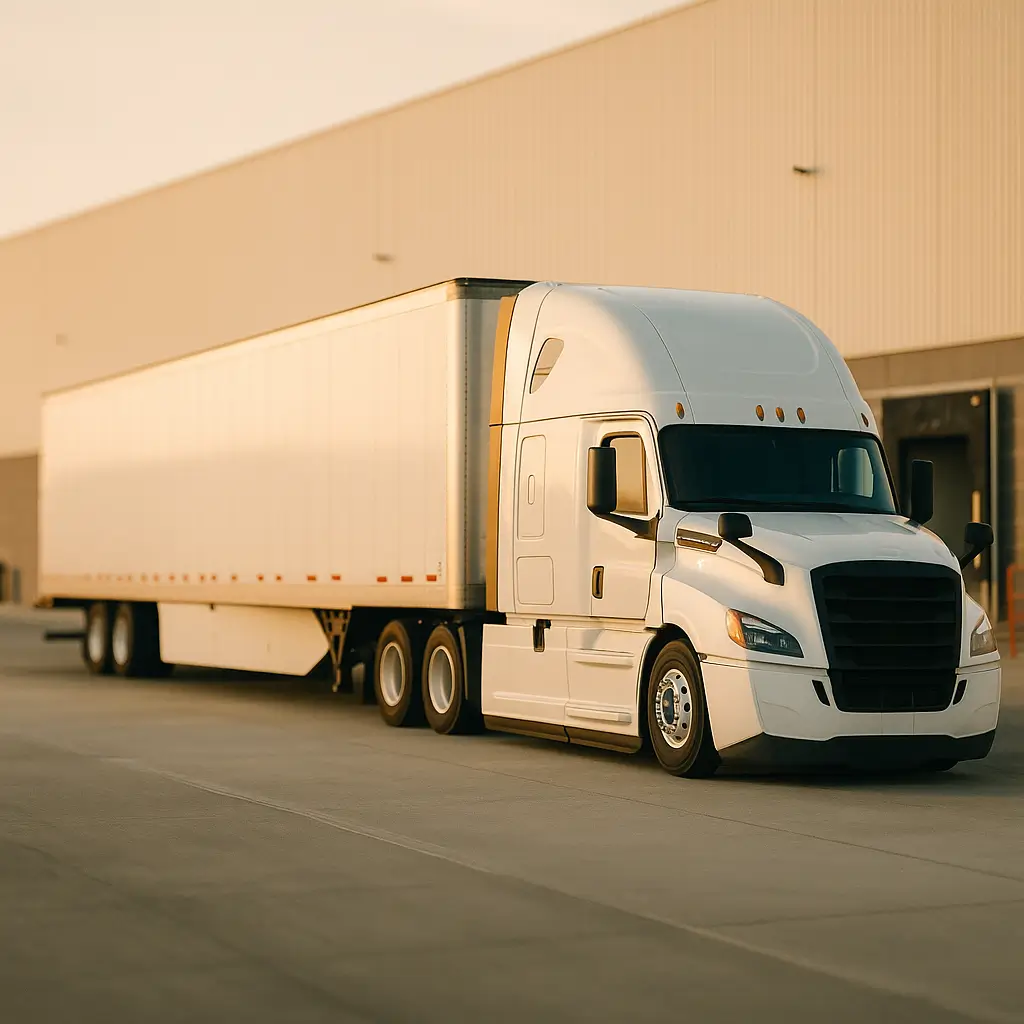

Compare 2026 auto transport insurance costs for carriers and shippers, including monthly premiums, per-shipment coverage, pricing factors, and real examples.
Auto transport insurance cost isn’t one number because it isn’t one product: in 2026, many car haulers (carriers) budget roughly $700–$1,500 per month per truck for core commercial coverages, while shippers often rely on basic carrier liability included in the quote and may add supplemental coverage that commonly budgets around 1.5%–2.5% of the vehicle’s declared value (terms vary by provider).
Mix those two cost models up and you’ll either overpay, or assume you’re covered until a claim turns into a fight about deductibles, exclusions, and what was (or wasn’t) documented on the bill of lading.
This guide breaks down monthly vs annual carrier premiums, per-shipment shipper coverage math, and the biggest cost drivers—open vs enclosed, radius, cargo value, documentation, and underwriting—so you can budget correctly and buy coverage that actually responds.
Key Takeaways: Essential Auto Transport Insurance Cost (2026)
- Two cost models: Carrier insurance is a monthly/annual premium; shipper coverage decisions are per shipment (often tied to vehicle value).
- Carrier benchmark: Many auto haulers land around $700–$1,500/month per truck, while new ventures, long radius, and higher cargo values can push higher.
- Shipper benchmark: Supplemental coverage often pencils out around 1.5%–2.5% of declared value, depending on deductible and terms.
- Biggest lever: Your risk profile (loss history, MVRs, SOPs, garaging, radius) moves the premium more than chasing the “cheapest” quote.
Table of Contents
Reading time: 11 minutes
- Quick 2026 Auto Transport Insurance Cost Ranges (Monthly, Annual, and Per‑Shipment)
- What “Auto Transport Insurance” Actually Means (Two Cost Models)
- Auto Transport Insurance Cost for Car Haulers (Operator): Monthly vs Annual Benchmarks
- Coverages That Drive Cost (Operator View)
- Shipper (Consumer) Auto Shipping Insurance Cost
- What Impacts Auto Transport Insurance Cost?
- Open vs Enclosed Transport: How Costs Change
- Route & Distance Examples (Why Long Hauls Change the Math)
- How to Lower Auto Hauler Insurance Premiums (Practical Tactics)
- Proof of Insurance & Claims: Shipper Checklist Before Booking
- Frequently Asked Questions
- Why Logrock’s Approach Saves Money Without Cutting Corners
- Conclusion: Get an Apples-to-Apples Quote

Quick 2026 Auto Transport Insurance Cost Ranges (Monthly, Annual, and Per‑Shipment)
In 2026, many for-hire auto haulers plan around $700–$1,500 per month per truck for core coverages, while higher-risk operations often price closer to $1,500–$2,500+ per month per truck depending on radius, losses, and cargo values.
Use these as planning ranges, not promises—underwriting is personal: MVRs, lanes, garaging, trailer type, limits, and loss history change the result.
Operator (carrier) premiums: typical ranges
- $700–$1,500/month per truck: Common planning range for standard operations with average risk and standard limits.
- $1,500–$2,500+/month per truck: More common for new ventures/new authority, long radius, theft exposure, prior losses, and enclosed/high-value operations.
Annual equivalent (same math, different payment plan)
- $700/mo ≈ $8,400/year
- $1,500/mo ≈ $18,000/year
- $2,500/mo ≈ $30,000/year
Shipper (consumer) coverage: what you might pay
For most consumer shipments, some carrier liability coverage is included in the transport price, but limits, deductibles, exclusions, and documentation rules can be the difference between “covered” and “paid.”
If you buy supplemental coverage (or a separate per-shipment policy), a common budgeting method is pricing tied to declared value—often around 1.5%–2.5% (varies widely by provider and terms).
At-a-glance comparison table
| Who you are | What you’re paying for | Typical pricing method | What it’s meant to protect |
|---|---|---|---|
| Carrier (operator) | Commercial truck insurance stack | Monthly/annual premium | Your business: liability lawsuits, cargo claims, physical damage, and more |
| Shipper (consumer) | Carrier’s included liability | Bundled into shipping price | Damage during transport (subject to limits/terms) |
| Shipper (consumer) | Supplemental/per-shipment coverage | % of vehicle value or flat add-on | Closing gaps: higher limits, clearer terms, less friction |
What “Auto Transport Insurance” Actually Means (Two Cost Models)
“Auto transport insurance” usually refers to either a carrier’s monthly commercial truck insurance premium or a shipper’s per-shipment coverage decision, and those two models are priced and underwritten completely differently.
People search one phrase and compare two different products. Separate them first, then the numbers make sense.
1) Carrier insurance (for auto haulers and fleets)
- Underwritten on business risk: drivers, authority age, radius, equipment, garaging, claims.
- Billed as: monthly or annual premium.
- Built as a stack: multiple coverages (liability, cargo, physical damage, and more).
2) Shipper coverage (for one vehicle shipment)
- Often included: some carrier liability, but it’s not automatically “full coverage.”
- Optional add-on: supplemental coverage for higher limits or clearer terms.
- Cost driver: commonly the declared value, plus deductible and route.
Auto Transport Insurance Cost for Car Haulers (Operator): Monthly vs Annual Benchmarks
For many auto haulers in 2026, a practical planning range is $700–$1,500 per month per truck, with higher-risk operators often landing closer to $1,500–$2,500+ per month depending on new venture status, radius, and losses.
If you’re the carrier, the right question isn’t “What’s the cheapest quote?” It’s: What’s the monthly cost for the limits I need to stay compliant, satisfy brokers, and survive a claim?
Budgeting table you can use for cost-per-mile
| Scenario | Monthly premium (per truck) | Annual premium | Who this looks like |
|---|---|---|---|
| Lower-risk, established | $700–$1,050 | $8,400–$12,600 | Clean MVRs, tight radius, consistent lanes, no ugly losses |
| Mid-range typical | $1,050–$1,500 | $12,600–$18,000 | Average risk, normal limits, solid documentation |
| Higher-risk / higher-value | $1,500–$2,500+ | $18,000–$30,000+ | New venture, long haul, enclosed/high value, theft exposure, prior losses |
Leased-on vs own authority (why your bill looks different)
Leased-on owner-operators may carry only a portion of the stack (often bobtail/non-trucking liability and physical damage), while owner-operators with their own authority typically need the full stack themselves.
- Leased-on to a motor carrier: the motor carrier may provide primary liability and sometimes cargo; your lease agreement controls what you must carry.
- Own authority: you’re commonly responsible for primary liability, cargo, physical damage, and the compliance items needed to keep freight moving. Confirm current registration and authority steps through FMCSA registration guidance.
Real-world example scenarios (illustrative, not quotes)
- Example A (new authority, open carrier, regional): higher base rate for limited history; better results when radius stays disciplined and SOPs are documented.
- Example B (established operator, higher deductibles): premiums can drop with smarter deductibles, but only if you keep a real cash reserve.
- Example C (enclosed carrier, higher cargo values): higher severity potential means tighter underwriting and stronger claims controls.
Stop comparing “cheap” quotes—compare apples-to-apples.
Match the same limits, deductibles, and radius assumptions first. Then pick the policy that protects your cash flow when something goes wrong.
Checklist: Same limits • Same deductible • Same radius • Same max cargo value
Coverages That Drive Cost (Operator View)
For auto haulers, total premium is driven by a coverage stack that usually includes primary liability, motor truck cargo, and physical damage, and each part prices differently based on limits, deductibles, and your loss profile.
This is where operators accidentally buy holes—or pay for coverage they don’t need for their actual operation.
1) Auto transporter liability insurance (primary liability)
If you want the full operator-side breakdown, start with LogRock’s car hauler insurance guide before comparing limits and deductibles.
What it is: Pays for bodily injury and property damage you cause with the truck.
- Why it matters: It’s the backbone coverage behind lawsuit exposure and contract requirements.
- What breaks claims: Changing drivers, radius, or operations without updating underwriting.
Federal liability requirements for motor carriers are grounded in 49 CFR Part 387, which sets minimum financial responsibility levels for covered operations.
2) Motor truck cargo for auto haulers (vehicles as cargo)
What it is: Covers damage to customer vehicles you’re hauling (your “cargo”), subject to limits, deductibles, and terms.
- Why it matters: Cars are high-value and theft-attractive compared to typical freight.
- Common claim sources: loading/unloading damage, securement issues, vandalism, weather events, and lot incidents.
Documentation tip: Pre-load photos, post-load photos, delivery photos, and clear bill of lading notes are often the difference between paid vs denied or delayed.
3) Physical damage (comp/collision) and deductibles
What it is: Pays to repair/replace your truck for collision, theft, vandalism, fire, and similar losses (based on policy terms).
- Why it matters: If your truck is financed, lenders often require it, and one total loss can end a small operation.
- Deductible reality: Pick a deductible you can pay without missing fuel, insurance, or the truck note.
4) Other coverages that can materially change the total
- General liability: Non-auto claims (premises-type issues).
- Trailer interchange: If you pull non-owned trailers under an interchange agreement.
- Occupational accident: Often used where workers’ comp isn’t carried (state/structure varies).
- Umbrella/excess liability: Higher limits for contract requirements and severity protection.
Not sure exactly what auto liability does and doesn’t cover? Here’s a quick breakdown:
Shipper (Consumer) Auto Shipping Insurance Cost: Included Coverage vs Supplemental
For many consumer shipments, the transport price includes some carrier liability coverage, but supplemental per-shipment coverage is often budgeted around 1.5%–2.5% of the vehicle’s declared value when shippers want higher limits or clearer terms.
The biggest mistake shippers make is assuming “insured” means “paid in full no matter what.” It rarely works that way.
Is insurance included in auto transport quotes?
Often, yes—some level of carrier liability is included. Treat “included insurance” like a tool: useful only if you know the specs.
- Per-vehicle limit: Does it match your vehicle value?
- Deductible: Is there one, and how much?
- Exclusions: What causes of loss are excluded (varies by policy)?
- Process: What’s the claims timeline and documentation requirement?
- Who is hauling: Is the broker assigning the load to a different carrier?
Per-shipment planning math (% of declared value)
A common budgeting range for supplemental coverage is about 1.5%–2.5% of declared value, depending on deductible and terms.
| Vehicle declared value | 1.5% | 2.0% | 2.5% |
|---|---|---|---|
| $20,000 | $300 | $400 | $500 |
| $50,000 | $750 | $1,000 | $1,250 |
| $100,000 | $1,500 | $2,000 | $2,500 |
Declared value vs ACV: Some coverage pays actual cash value (depreciated), while other coverage is closer to agreed value; if you’re shipping a collector car, get the valuation method in writing.
When supplemental coverage is worth it
- High-value vehicles: When your vehicle value exceeds the carrier’s per-vehicle limit.
- Enclosed transport: Common for luxury/exotic/collector cars where the downside is bigger.
- Long routes: More time on the road means more exposure.
- Modified/classic cars: Valuation disputes are common without clear paperwork.
Shipping a high-value vehicle? Get the insurance details in writing.
Before pickup, confirm limits, deductibles, exclusions, and the claims steps—then document condition with photos like you’re building a case.
Confirm: Limits • Deductible • Exclusions • Claims timeline • Who actually hauls the car
What Impacts Auto Transport Insurance Cost?
Auto transport insurance cost is priced on expected claim frequency and severity, which is why factors like new venture status, operating radius, loss history, and cargo value can move premiums from roughly $700–$1,500/month into the $1,500–$2,500+/month range for some operators.
Insurance isn’t priced on vibes. It’s priced on predictability.
Operator cost drivers (underwriting factors)
- Authority age / new venture: New authorities commonly pay more due to limited operating history.
- Driver MVRs + experience: Tickets and preventable accidents are expensive.
- Loss history: Frequency hurts more than a single severity event.
- Operating radius: Regional vs long-haul changes exposure and claim probability over time.
- Garaging location: Theft and vandalism exposure is a real pricing factor.
- Equipment type: Open vs enclosed, trailer type, units hauled, and maximum cargo value at one time.
- Limits and deductibles: Higher limits and lower deductibles generally cost more.
Shipper cost drivers (shipment-level pricing)
- Vehicle value: Declared value often drives supplemental coverage math.
- Route distance/time in transit: More exposure and more variables (weather, stops, congestion).
- Seasonality: Winter weather and hail regions can change risk.
- Transport type: Open vs enclosed changes exposure profile.
- Service level: Storage/terminal time can increase exposure versus direct door-to-door moves.
- Vehicle condition: Inoperable vehicles add handling risk and time on-site.
For a fuller walkthrough of what underwriters weigh when pricing coverage, watch this:
Open vs Enclosed Transport: How Coverage Needs and Costs Change
Enclosed auto transport typically involves higher average cargo values (luxury, exotic, collector vehicles), which can increase both carrier cargo exposure and shipper demand for higher limits.
Open vs enclosed isn’t just comfort. It changes exposure and claim patterns.
Why enclosed carriers often cost more to insure
When the average claim is bigger, premiums trend bigger. Enclosed operations often face higher severity potential, and underwriting tends to be stricter on securement, storage, and documentation.
Shipper perspective: what you’re paying for
- Reduced exposure: Less road debris, weather, and casual vandalism than open transport.
- Not zero risk: Loading/unloading damage, securement issues, lot incidents, and theft exposure still exist.
Route & Distance Examples (Why Long Hauls Change Insurance Economics)
Longer routes increase time on the road and stop exposure, which raises the practical risk of incidents and documentation disputes even when a carrier’s monthly premium doesn’t change “per trip.”
The longer the move, the more chances for weather, traffic, parking risk, and handoff confusion.
Three realistic route scenarios (what changes)
- 300 miles (regional hop): fewer variables; some shippers skip supplemental coverage if the vehicle value is modest and limits are adequate.
- 1,200 miles (cross-region): more stops and weather variety; stronger case for supplemental coverage on higher-value vehicles.
- 2,500 miles (coast-to-coast): maximum exposure time; supplemental coverage is often cheap relative to vehicle value at stake.
Proof of Insurance & Claims: Shipper Checklist Before Booking
A shipper’s best defense against a denied or delayed claim is verifying limits and documenting condition at pickup and delivery with photos and bill of lading notes.
This takes minutes and can save months of back-and-forth.
Request and verify proof of insurance
- Insurer name and policy effective dates
- Coverage limits (especially per-vehicle cargo/liability limits)
- Deductibles
- Key exclusions relevant to your shipment
Confirm who handles the claim and how fast
- Who files the claim (you, broker, or carrier)?
- What documentation is required?
- What’s the timeline for acknowledgement and resolution?
Document vehicle condition like a pro
- Photos of all sides + close-ups of existing damage
- Odometer photo
- Roof/hood/trunk photos (hail and scratches get disputed)
- Remove personal items before pickup
- At delivery, re-photo before signing and note damage immediately on the bill of lading
Frequently Asked Questions
Many car haulers in 2026 budget about $700–$1,500 per month per truck for core coverages, while higher-risk operators often see $1,500–$2,500+ per month. The biggest pricing drivers are new venture/new authority status, operating radius, driver MVRs, loss frequency, equipment type (open vs enclosed), and maximum cargo value hauled at one time. To compare quotes fairly, match the same limits, deductibles, radius assumptions, and cargo limits across every option.
Auto transport insurance cost is driven most by claim frequency/severity and how predictable the operation is, which is why loss history, operating radius, garaging/theft exposure, driver MVRs, and cargo value move pricing quickly. For carriers, new authority/new venture status and repeated smaller claims often raise premiums faster than one large event. For shippers, supplemental coverage commonly scales with declared value (often planned at 1.5%–2.5%), plus deductible and route exposure.
Auto transport insurance often covers damage during transit, but payment depends on the carrier’s limits, deductibles, exclusions, and documentation rules listed in the policy and shipping paperwork. The most common disputes involve damage labeled as pre-existing, damage not noted on the bill of lading at delivery, missed claim notice timelines, or causes of loss excluded by the specific coverage terms. The safest process is time-stamped photos at pickup and delivery plus clear bill of lading notes before you sign.
In many cases, some carrier liability coverage is included in the auto transport price, but included coverage may have limits below your vehicle value and deductibles or exclusions you didn’t expect. Before booking, ask for the per-vehicle limit, deductible amount, major exclusions, and a written claims process with timelines. Also confirm whether the company quoting you is the actual carrier or a broker assigning the load to another carrier.
Cargo insurance for auto haulers is typically priced around your maximum cargo value at one time, plus your loss history, operating radius/lane exposure, equipment type (open vs enclosed), and deductibles. Underwriters also care about how you reduce and document claims—inspection photos, securement SOPs, and clear bill of lading notes can improve underwriting confidence over time. Repeated small cargo claims often hurt pricing more than a single severity event because frequency signals repeat behavior.
A reasonable planning method for optional supplemental coverage is about 1.5%–2.5% of the vehicle’s declared value, depending on deductible and terms. For example, a $50,000 vehicle often budgets around $750–$1,250 using that method. The key is confirming whether any coverage pays actual cash value (depreciated) or a form of agreed value, because valuation method can change what you actually receive after a loss.
The fastest premium drivers are coverage lapses, repeated small claims (frequency), weak driver screening, and expanding radius or cargo value without updating underwriting. A lapse can reset how underwriters view stability, while multiple small claims can signal ongoing process problems. Another costly mistake is sloppy documentation—missing pickup/delivery photos or unclear bill of lading notes can turn a defendable claim into a paid claim, and paid claims tend to show up in future pricing.
Enclosed transport typically carries higher cargo insurance costs for the carrier because average vehicle values and claim severity are higher — luxury, exotic, and collector cars are common enclosed freight. Shippers often see this reflected in a higher transport price rather than a separate insurance line item, but it is worth asking the carrier what per-vehicle cargo limit applies to enclosed loads specifically.
Usually not fully. Most personal auto policies are not designed to pay for damage while the vehicle is loaded onto a hauler, because the car is not being driven or garaged normally. The carrier’s cargo/liability coverage, plus any supplemental coverage you purchase, is what typically responds to transit damage. Confirm this with your own insurer before shipping.
Denials most often trace back to a documentation gap: damage not noted at delivery, a missed notice deadline, or a cause of loss the policy excludes. Ask for the denial in writing with the specific policy language cited, then escalate through the broker if one was involved and organize your photo and bill-of-lading evidence before responding.
The fastest legitimate levers are tightening documentation, adding telematics and dashcams with a coaching program, keeping radius aligned to what is actually rated, and starting renewal marketing 45–60 days out instead of at the last minute. Cutting limits below what brokers or lenders require is not real savings — it just shifts risk back onto the business.
Why Logrock’s Approach Saves Money Without Cutting Corners
Owner-operators and small fleets typically improve insurance outcomes by aligning coverages to contracts and reducing preventable claims, not by chasing the lowest premium number.
The smartest strategy is straightforward: buy the coverages you actually need for your authority and freight, quote apples-to-apples, reduce claim frequency with SOPs and data, and keep operations consistent so underwriting matches reality.
That’s how you move toward affordable trucking insurance without gambling your authority on a policy that won’t respond when you need it.
Conclusion: Get an Apples-to-Apples Quote
Auto transport insurance cost isn’t one number because it isn’t one product. Carriers pay monthly/annual commercial truck insurance premiums based on operational risk, while shippers face a per-shipment coverage decision that often includes basic carrier liability plus optional supplemental coverage tied to vehicle value.
If you’re a carrier, focus on what insurers price hardest: radius, lanes, documentation, driver quality, and claim frequency. If you’re a shipper, protect yourself with proof of insurance and solid documentation before you sign anything.
Key Takeaways:
- Separate carrier premiums from shipper per-shipment coverage.
- Budget $700–$1,500/month per truck as a common carrier planning range, with upside/downside based on risk.
- For shippers, supplemental coverage often plans around 1.5%–2.5% of declared value (provider/terms vary).
Whether you’re pricing out coverage for your auto hauling business or trying to protect a vehicle before it ships, the fastest way to stop guessing is to get real numbers for your specific truck, cargo value, and radius. LogRock can walk through your coverage stack, flag gaps between what you have and what your contracts or lenders require, and build a quote around your actual operation.





