Commercial car insurance MA guide for 2026: minimum requirements, MA vs federal rules, 6 coverages, and cost ranges by region and vehicle type. Get quotes today.

If you’re searching commercial car insurance MA, you’re usually trying to do two things at once: stay legal in Massachusetts and protect your business from a claim that can drain cash flow fast. Commercial car insurance in MA is the right policy when a vehicle is used for business (job sites, deliveries, employees driving, or client transport), and it’s often bought with higher limits than the state minimum to meet contracts and real-world risk.
Before you shop, get the basics straight so you don’t compare the wrong policy types: Commercial auto insurance basics.
Table of Contents
Reading time: 7 minutes
- Key Takeaways
- Who Needs Commercial Car Insurance in Massachusetts (and Who Doesn’t)
- Massachusetts Commercial Auto Minimum Requirements (2026) + MA vs Federal Rules
- What Coverages Are Included in MA Commercial Auto Policies (6 Core Coverages)
- How Much Does Commercial Car Insurance Cost in Massachusetts? (2026 Planning Ranges)
- Frequently Asked Questions
- Conclusion: Get the Right Coverage (Not Just the Minimum)
Key Takeaways
Massachusetts compulsory auto requirements set a legal minimum, but many commercial accounts need higher limits to satisfy contracts and reduce business-busting out-of-pocket exposure after a loss.
- MA minimum limits are the floor, not the plan. Many businesses need higher liability limits for GC/vendor requirements and better asset protection.
- Commercial use classification matters. Misstating deliveries, passenger transport, or jobsite use can complicate claims.
- Costs vary most by garaging ZIP + driving record + vehicle type. Greater Boston pricing often runs higher than Central/Western MA.
- If employees drive personal cars for work, HNOA is a big deal. It protects the business when the lawsuit targets the company—not just the driver.
Who Needs Commercial Car Insurance in Massachusetts (and Who Doesn’t)
In Massachusetts, you typically need commercial auto coverage when a vehicle is used for business tasks like deliveries, repeated jobsite travel, transporting clients for pay, or when the vehicle is titled/registered to a business entity.
Most owners don’t buy commercial auto because they love insurance—they buy it because one accident can freeze operations: missed jobs, lost accounts, and cash tied up in repairs.
You likely need commercial car insurance if you…
- Drive to multiple job sites (contractors, cleaners, HVAC, electricians, landscapers)
- Carry tools, equipment, or business property regularly
- Make deliveries (even “local runs”)
- Transport clients or passengers for pay (for-hire/livery exposures)
- Title/register the vehicle to an LLC/corporation or list the business as the named insured
- Have employees driving the vehicle (or driving their own vehicles on your behalf)
Personal auto might be enough if… (but read the exclusions)
- It’s truly occasional errands and commuting
- No deliveries, no passengers for pay, no regular jobsite exposure
- No employees driving for business purposes
The practical issue is that many personal auto policies include business-use limitations (especially deliveries, transporting people, or frequent work mileage). If you’re building a real operation, map your auto risk into your broader plan: Business insurance in Massachusetts.
Massachusetts Commercial Auto Minimum Requirements (2026) + MA vs Federal Rules
Massachusetts requires certain compulsory auto coverages and minimum limits for vehicles registered and operated in the state, and the Massachusetts Registry of Motor Vehicles (RMV) is the best starting point for current state-required minimums.
What “requirements” really means for MA businesses
Here’s the clean way to think about it:
- Massachusetts state requirements: Apply to vehicles registered/operating in MA.
- Contract requirements: GCs, municipalities, landlords, and vendors often require higher limits than the state minimum.
- Federal rules: Can apply if you operate as an interstate/for-hire motor carrier (more common in trucking than typical “work car” use).
Where to verify MA compulsory coverages
For state-specific details and compulsory coverages, start here: https://www.mass.gov/orgs/massachusetts-registry-of-motor-vehicles.
MA vs federal: when “truck rules” show up
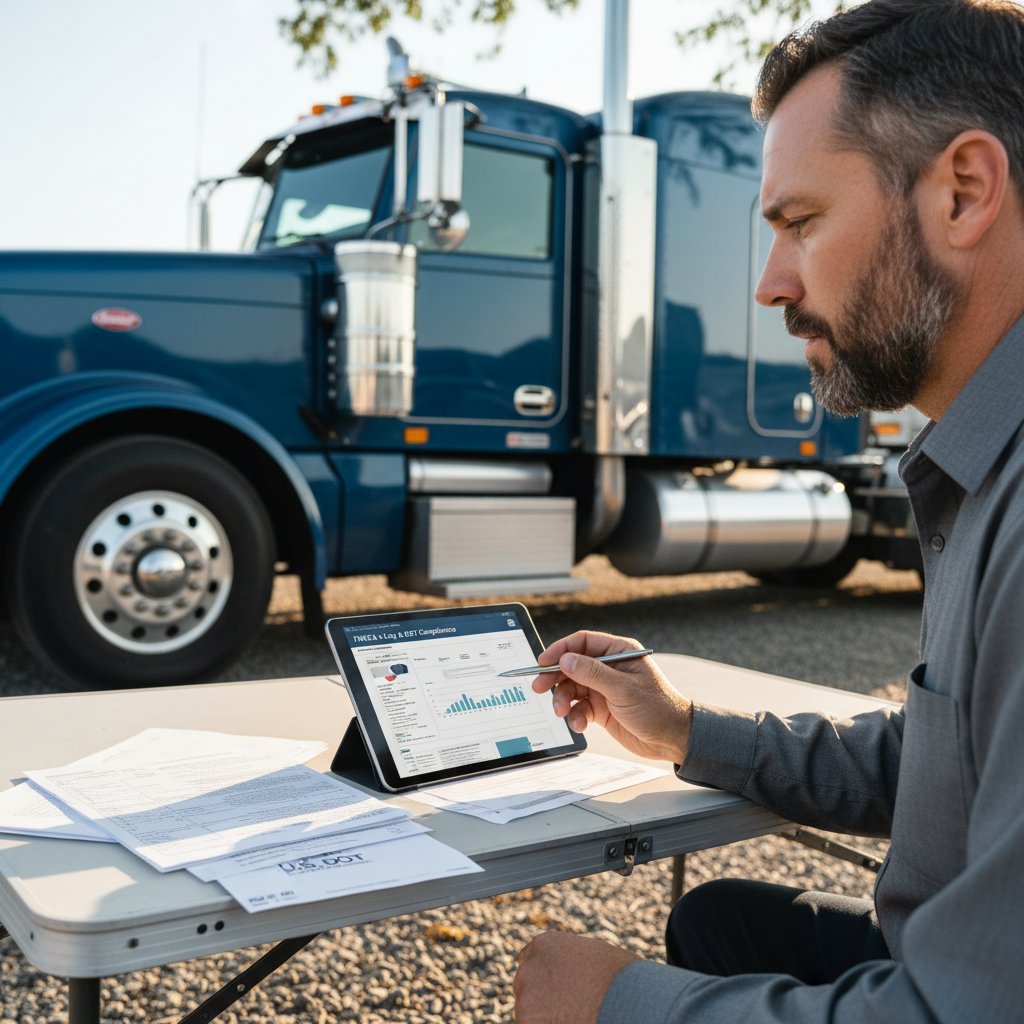
FMCSA insurance filing rules generally apply to interstate and/or for-hire motor carrier operations, which is different from most local MA service vehicles like sedans, vans, and light pickups.
If your operation starts looking like a motor carrier—especially interstate and/or for-hire—federal requirements may apply; FMCSA’s overview is here: https://www.fmcsa.dot.gov/registration/insurance-filing-requirements.
- If you’re hauling freight for hire across state lines, you may be stepping into trucking-style insurance limits and filings—not just “commercial car insurance.”
- If you’re trying to keep it lean, focus on correct classification first; “cheap” that’s wrong is often a denial waiting to happen.
Compliance proof you’ll get asked for (COIs)
Many customers won’t care what your policy is called—they’ll ask for a COI that matches their contract language. If you regularly need proof for bids/jobs, build a repeatable process around a Certificate of insurance (COI) checklist.
What Coverages Are Included in MA Commercial Auto Policies (6 Core Coverages)
Most Massachusetts commercial auto policies are built around six practical coverage buckets—liability, PIP/medical (per MA rules), UM/UIM, comprehensive, collision, and HNOA—plus a few endorsements that reduce downtime.
You don’t need every add-on, but you do need the coverages that keep one crash from turning into a business-ending cash event.
1) Liability (Bodily Injury + Property Damage)
What it is: Pays for injuries and damage you cause to others.
Why it’s essential: This is the coverage that protects the business balance sheet when you’re at fault.
Who needs it: Everyone—the real question is limits (minimum vs contract vs asset protection).
2) PIP / Medical (as applicable in MA)
What it is: Coverage designed to help with medical-related costs under state rules and your policy structure.
Why it’s essential: Medical costs show up fast—even in “minor” crashes.
Who needs it: MA-registered vehicles typically need the compulsory structure; confirm exact requirements and how they apply to your vehicle class.
3) Uninsured/Underinsured Motorist (UM/UIM)
What it is: Helps if you’re hit by a driver who has no insurance or not enough.
Why it’s essential: You can do everything right and still get hit by someone with bare-minimum coverage.

Who needs it: Any business that can’t afford downtime and medical bills after a not-at-fault crash.
4) Comprehensive + Collision (Physical Damage)
What it is: Pays for your vehicle repairs/replacement from theft, vandalism, weather, animal strikes, and crashes (depending on fault and coverage).
Why it’s essential: Without this, you’re self-insuring the vehicle—fine if you have cash reserves, brutal if you don’t.
Who needs it: Most financed vehicles and most businesses that can’t eat a sudden replacement cost.
Pro tip (deductible strategy): Pick a deductible you can pay tomorrow, not “in theory.” A $2,500 deductible isn’t savings if it stalls payroll or forces you to skip maintenance.
5) Hired & Non-Owned Auto (HNOA)
What it is: Protects the business if it gets sued because an employee (or you) caused an accident while driving a non-owned vehicle for work (employee’s car) or a hired vehicle (rental).
Why it’s essential: Plaintiffs often name the business because that’s where the money is.
Who needs it: Any business with employees running errands, sales calls, site visits, deliveries, or picking up materials in personal cars.
If that’s you, read: Hired and non-owned auto (HNOA) insurance.
6) Common add-ons businesses actually use
These vary by carrier and industry, but the ones that matter in day-to-day operations are usually about downtime and paperwork.
- Towing/roadside: Faster recovery and less downtime.
- Rental reimbursement: Keeps you working during repairs.
- Equipment/tools coverage: Often separate; don’t assume tools are covered under auto.
- Named insured / additional insured alignment: Prevents COI rejections when contracts are picky.
How Much Does Commercial Car Insurance Cost in Massachusetts? (2026 Planning Ranges)
For many small businesses in 2026, a realistic budgeting range for commercial car insurance in Massachusetts is roughly $900–$3,500 per vehicle per year, with Greater Boston garaging ZIP codes often pricing higher than Central and Western MA.
If you want a deeper pricing methodology beyond MA, use: Commercial auto insurance cost breakdown.
2026 MA cost table (use as a budgeting range)
These are planning ranges for forecasting; your actual premium can land outside them based on MVRs, claims, limits, deductibles, and class code.
| Business Use / Vehicle Type | Greater Boston (garaging ZIP tends to price higher) | Central & Western MA (often lower) |
|---|---|---|
| Light service (sales/estimates), sedan/small SUV | $900–$1,800 / vehicle / year | $750–$1,500 / vehicle / year |
| Contractor/service, van/light truck (tools + job sites) | $1,400–$2,800 / vehicle / year | $1,100–$2,300 / vehicle / year |
| Local delivery (higher mileage, tighter turns) | $1,800–$3,500 / vehicle / year | $1,400–$3,000 / vehicle / year |
| Small fleet (3–10 vehicles), mixed use | Often 5%–15% lower per vehicle with good loss history | Often 5%–15% lower per vehicle with good loss history |
The pricing factors that move your quote the most in MA
- Garaging ZIP: Boston/Cambridge often higher than suburban and Western MA.
- Driver MVR + prior claims: Clean records matter more than people think.
- Miles + radius: Local-only vs multi-state travel.
- Vehicle value + repair costs: Newer vehicles can mean higher physical damage premiums.
- Industry/use: Delivery, passenger transport, and jobsite work often rate higher.
- Lapses in coverage: Even short ones can increase rates.
- Limits/deductibles: Higher limits cost more; higher deductibles reduce premium but increase cash exposure.
Shopping checklist (best rate without buying the wrong coverage)
Use a repeatable process so you don’t “win the price” and lose the claim.
- Quote apples-to-apples: same limits, deductibles, driver list, and vehicle use. If you need a process, use How to compare insurance quotes.
- Be honest about use: deliveries, passengers, tools, multiple job sites—misclassification is where claims get ugly.
- Control losses: driver selection, training, and written vehicle-use rules often pay back faster than shopping harder.
- Re-shop early: start 30–45 days before renewal so you can fix paperwork without a lapse.
Frequently Asked Questions
Massachusetts commercial auto questions usually come down to three things: meeting MA compulsory requirements, matching how you actually use the vehicle, and choosing limits that satisfy contracts and realistic claim costs.
Massachusetts requires certain compulsory auto coverages and minimum limits for vehicles registered and operated in the state, and commercial auto policies are typically structured to satisfy those MA rules for business-owned vehicles. Your “required” limit can be higher than the state minimum when a contract (GC, municipality, landlord, or vendor) specifies higher liability limits or additional-insured language on the COI. The most reliable way to confirm the current compulsory coverages and minimums is the Massachusetts RMV: https://www.mass.gov/orgs/massachusetts-registry-of-motor-vehicles.
You typically need commercial auto insurance in Massachusetts when the vehicle is used to deliver goods, carry tools/equipment, visit multiple job sites, transport clients or passengers for pay, or is owned/titled by the business—especially if employees drive it. A personal auto policy may work for commuting and truly occasional errands, but many personal policies restrict deliveries, frequent work mileage, or business passenger exposure. If the business is named in a lawsuit after a crash, having the right policy type and classification is what keeps defense and settlement costs from landing on the company.
For many small businesses in 2026, budgeting roughly $900–$3,500 per vehicle per year is a practical starting band for commercial car insurance in Massachusetts, with Higher-Boston garaging ZIPs often pricing higher than Central and Western MA. Your drivers’ MVRs and loss history, miles and radius, vehicle value/repair costs, and the business-use class (service vs delivery vs passenger) do most of the moving on price. Limits and deductibles matter too: higher limits raise premium, and higher deductibles lower premium but increase your immediate cash exposure after a loss.
Often, yes—Hired and Non-Owned Auto (HNOA) coverage helps protect the business when an employee causes an accident while driving a personal car (non-owned) or a rental (hired) for work and the lawsuit names the company. HNOA is liability-focused and is not the same thing as paying for damage to the employee’s vehicle. Federal FMCSA-style insurance filing requirements generally don’t apply unless you’re operating as an interstate and/or for-hire motor carrier, but you can confirm the federal framework here: https://www.fmcsa.dot.gov/registration/insurance-filing-requirements. For a deeper explanation, see Hired and non-owned auto (HNOA) insurance.
Conclusion: Get the Right Coverage (Not Just the Minimum)
Commercial car insurance in Massachusetts works best when it matches your real operations (who drives, where you go, what you carry) and your contracts (limits and COI wording), not just the legal minimum.
Start with correct classification, then set limits based on job requirements and what a serious claim could cost—not what feels “cheap” on day one.
Key Takeaways:
- Verify MA compulsory requirements through the RMV, then plan beyond the minimum if contracts or exposure demand it.
- If employees use personal cars for work, add HNOA so the business is protected when it’s named in a suit.
- Budget by garaging ZIP, vehicle type, and use class; Greater Boston often prices higher than Central/Western MA.
Related reading:
- When higher limits make sense: Commercial umbrella insurance
- What auto doesn’t cover (and how to fill the gap): General liability insurance explained