Texas dump truck insurance in 2026 often runs $7K–$22K/yr ($650–$1,900/mo). Learn 6 coverages, TX vs FMCSA filings, and savings tips—get quotes.

Dump truck insurance Texas pricing isn’t just “high”—it’s the kind of expense that can erase a month of profit if you guess wrong on coverage, limits, or filings. Most Texas owner-operators in 2026 land around $7,000–$22,000 per year (about $650–$1,900 per month), with the biggest drivers being radius, truck value (physical damage), and jobsite/material exposure.
If you’re shopping “cheap,” start by confirming whether you’re running intrastate or interstate and what your contracts require (COIs, additional insured, waivers). This breakdown of Texas truck insurance requirements sets the compliance baseline before you price a policy.
Table of Contents
Reading time: 8 minutes
- How much does dump truck insurance cost in Texas in 2026?
- What coverage do dump trucks need in Texas? (6 core coverages)
- Texas vs federal requirements: filings and compliance
- How to get affordable dump truck insurance in Texas
- Next step: get the right Texas dump truck coverage
- Frequently Asked Questions
How Much Does Dump Truck Insurance Cost in Texas in 2026?
In 2026, many Texas dump truck owner-operators pay about $7,000–$22,000 per year (roughly $650–$1,900 per month) depending on radius, garaging ZIP, driver history, truck value, and jobsite exposure.
Think of dump truck insurance as a bundle, not one number. Two operators can run the same make/model and still get very different premiums because the risk isn’t the truck—it’s where it runs, what it hauls, and how often it’s on jobsites.
To sanity-check your quote against broader Texas benchmarks, compare it to Logrock’s statewide table: commercial truck insurance cost in Texas.
Typical price tiers (what owner-operators actually see)
- Leased-on (carrier’s authority): Often lower because the motor carrier’s program may cover part of the primary liability; you may need bobtail/non-trucking liability and physical damage depending on the lease.
- Own authority (for-hire): Usually higher because your policy is primary liability and you may need filings maintained to keep authority active.
- Liability-only vs full coverage: Liability-only can look “affordable” until a financed truck is totaled or stolen and you’re stuck with the note.
Metro vs rural (why Houston/DFW often costs more)
Higher traffic density and higher claim frequency typically push premiums up in major metros compared to rural garaging ZIPs.
| Texas area (example) | What insurers often assume | What it can do to your premium |
|---|---|---|
| Houston / DFW core | Dense traffic, higher claim frequency | Often higher |
| Austin / San Antonio | Mixed metro exposure | Mid to higher |
| Smaller markets / rural | Less congestion, fewer severe claims | Often lower |
| West Texas / oilfield-adjacent | Specialized exposure, heavy equipment traffic | Can be higher depending on ops |
What “cheap” quotes usually leave out
- Limits too low to meet a GC, quarry, or municipal contract.
- Deductibles you can’t actually float without hurting cash flow.
- Missing jobsite requirements like general liability or pollution/environmental when the contract calls for it.
What Coverage Do Dump Trucks Need in Texas? (6 Core Coverages)
Most Texas dump truck insurance programs are built from six common coverage lines: auto liability, physical damage, cargo (when contract-driven), general liability, workers’ comp or occupational accident, and pollution/environmental coverage.
If you want broader definitions across trucking (and how they apply to one-truck businesses), use the companion guide: Owner-operator trucking insurance coverage checklist.
1) Auto liability (the foundation)
Auto liability pays for bodily injury and property damage you cause to others while operating the truck.
- Why it matters: It’s the core of commercial truck insurance and the first thing regulators and contractors look for.
- Who needs it: Every dump truck operating commercially.
2) Physical damage (comprehensive + collision)
Physical damage covers your truck for collision and common non-collision losses like theft, vandalism, fire, and hail.
- Why it matters: If the truck is financed, lenders typically require comp/collision; even if it’s paid off, a total loss can wipe out your working capital.
- Pro tip: Pick a deductible you can pay tomorrow—if $5,000 would force you into a loan, it’s not a realistic plan.
3) Motor truck cargo (when it matters for dump work)
Motor truck cargo covers certain damage to cargo you’re responsible for during transit, subject to policy exclusions.
- Why it matters: Even if you haul dirt/aggregate, a broker or contract can still require cargo on the COI.
- Reality check: Cargo often excludes wear/tear, mechanical breakdown, and some improper securement scenarios—read the form.
4) General liability (GL) for jobsites
General liability (GL) covers many third-party claims that aren’t caused by operating the truck on the road, such as certain jobsite property damage or premises-related allegations.
- Why it matters: Many GCs require GL even when you already have auto liability.
- Who needs it: Construction sites, quarries, industrial locations, municipal work, and demo debris hauling.
5) Workers’ comp or occupational accident (Occ/Acc)
Workers’ comp is employee injury coverage, while occupational accident (Occ/Acc) is a common alternative for independent owner-operators but is not the same as workers’ comp.
- Why it matters: One injury can stop revenue for weeks and create major medical and downtime costs.
- Who needs it: Employers should evaluate workers’ comp; independent owner-ops often consider Occ/Acc based on contract requirements.
6) Pollution / environmental liability (a common gap)
Pollution/environmental liability can cover certain pollution-related claims, such as a fuel or hydraulic fluid spill at a jobsite, depending on the policy terms.
- Why it matters: Dump trucks have real spill exposure from hydraulic lines, PTO systems, and off-road operation.
- Who needs it: Any operator whose contracts specifically call out environmental/pollution requirements.
What limits do contractors usually require?
Contract insurance specs often set your “real” minimums, even when the legal minimum is lower.
- Higher auto liability limits than “state minimum.”
- Fast COIs (same-day is common).
- Additional Insured for the GC/site owner (endorsement-based).
- Waiver of Subrogation language (varies by contract and carrier).
Texas vs Federal Requirements: Filings, Compliance, and What Happens If You Get It Wrong
Texas intrastate carriers follow TxDMV insurance requirements, while interstate carriers must maintain FMCSA-required insurance filings to keep federal operating authority active.
Two operators can both say “I’m in Texas,” but one is intrastate and one is interstate—and that can change who regulates you and what paperwork must stay current.

Official reference pages (bookmark these)
- TxDMV intrastate insurance requirements: https://www.txdmv.gov/motor-carriers/insurance-requirements
- FMCSA insurance filing requirements (interstate): https://www.fmcsa.dot.gov/registration/insurance-filing-requirements
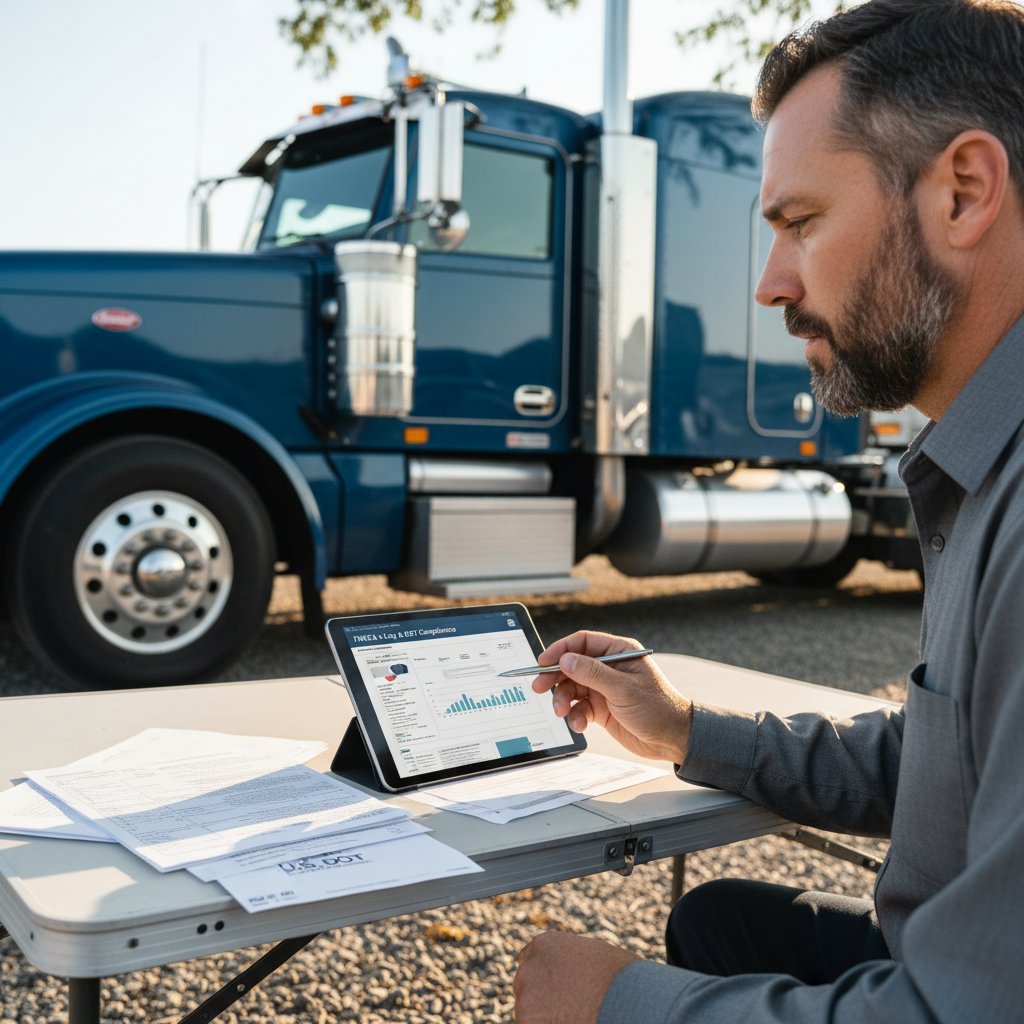
For a plain-English walkthrough for working carriers, keep this guide handy: FMCSA and DOT compliance for insurance filings.
Intrastate vs interstate (plain English)
- Intrastate: You operate only within Texas, and the shipment stays in Texas.
- Interstate: You cross state lines or haul loads tied to interstate commerce.
Common filings and documents you’ll hear about
- FMCSA insurance filings: Your insurer files proof of coverage to keep authority active (interstate authority).
- MCS-90 endorsement: Often discussed in federal compliance; it’s not “extra coverage,” it’s a financial responsibility mechanism tied to federal requirements.
- Texas intrastate process: Confirm what applies to your operation using the TxDMV requirements page.
What happens if you don’t maintain coverage/filings
- Loss of authority or inability to haul because paperwork stops you before the truck does.
- Contract termination when you can’t produce a compliant COI.
- Policy lapse that triggers higher premiums when you re-shop (insurers hate gaps).
- Jobsite refusal if the COI doesn’t match the insurance spec (no entry, no revenue).
How to Get Affordable Dump Truck Insurance in Texas (Without Cutting the Wrong Corners)
Affordable dump truck insurance in Texas means the lowest total cost of risk—premium plus deductibles plus downtime and uncovered losses—not just the lowest monthly payment.
For a deeper list of levers that actually move premiums, use: How to save on truck insurance.
For industry cost benchmarks across trucking, ATRI’s research is a useful reference: https://truckingresearch.org/.
What underwriters price hardest for dump trucks
- Radius and routes: Local can help, but metro congestion can hurt.
- Garaging ZIP: Where the truck parks affects theft/vandalism and claim frequency.
- Driver/MVR + claims history: Tickets, at-faults, prior losses.
- Truck value + physical damage: Higher values typically mean higher comp/collision.
- Jobsite exposure + material: Off-road operation, tip-over risk, debris, uneven ground.
Practical ways to lower premiums (that actually work)
- Shop early (30–45 days before renewal): rushed renewals cost money.
- Compare apples-to-apples: same limits, deductibles, and coverages before you pick “cheapest.”
- Use dash cams/telematics if you’ll manage them: the ROI improves when you coach and document.
- Tighten driver standards: MVR checks, written hiring rules, documented coaching after incidents.
- Raise deductibles only with reserves: don’t trade premium savings for a deductible you can’t pay.
- Reduce exposure where possible: smaller radius, fewer night runs, better jobsite procedures.
Monthly payments, premium financing, and cash-flow traps
- Pay-in-full is usually cheaper than installments once fees are added.
- Monthly plans often require a larger down payment for higher-risk classes.
- Premium financing can help, but read cancellation terms—one missed payment can trigger a cancellation process and create a lapse.
Next Step: Get the Right Texas Dump Truck Coverage (Without Overpaying)
The right dump truck insurance plan is the one that matches how you run in Texas, meets your GC/broker insurance spec, and doesn’t leave you exposed to a loss you can’t absorb.
If you run mixed equipment, these guides can help keep coverages consistent across the operation: Semi truck insurance guide (for operators who also run a tractor) and Hotshot insurance in Texas (if you also run pickups/flatbeds).
If you’re operating under your own authority, don’t confuse filings with coverage—this explainer helps: BOC-3 filing explained (what it is and when you need it).
Frequently Asked Questions
Most Texas dump truck operators pay roughly $7,000–$22,000 per year (about $650–$1,900 per month), with pricing driven by radius, garaging ZIP, truck value (physical damage), driver MVR/claims, and jobsite or material exposure.
Leased-on operators sometimes pay less because the motor carrier’s program may handle parts of the primary liability, while running under your own authority is typically priced higher due to filings and the policy being primary. Liability-only can be cheaper, but many financed trucks require comp/collision, and many jobs require extra lines like GL.
Texas dump truck operators typically need auto liability, and many real-world jobs also require physical damage, general liability (GL) for jobsites, and cargo if a broker or contract calls for it.
Depending on your setup, you may also need workers’ comp (for employees) or occupational accident (Occ/Acc) (common for independent owner-operators) plus pollution/environmental coverage for spill exposure. A quick way to cross-check definitions is the Owner-operator trucking insurance coverage checklist.
Minimum liability limits for a Texas dump truck depend on whether you operate intrastate under TxDMV rules or interstate under FMCSA authority, and your exact operation type.
The clean way to confirm your baseline is to match your operation to official guidance: TxDMV intrastate requirements (https://www.txdmv.gov/motor-carriers/insurance-requirements) and FMCSA insurance filings for interstate authority (https://www.fmcsa.dot.gov/registration/insurance-filing-requirements). If a GC or broker requires higher limits, the contract effectively becomes your minimum to work.
If you operate interstate under FMCSA authority, your insurer must file proof of insurance with FMCSA and you must maintain that coverage to keep your authority active.
Many authority packages also include a BOC-3 process agent filing, which is commonly completed alongside compliance setup but is not an insurance policy. If you want a plain-English breakdown of what insurers file and what you’re responsible for maintaining, see FMCSA and DOT compliance for insurance filings and BOC-3 filing explained (what it is and when you need it).
Conclusion: Price Dump Truck Insurance for the Job You Actually Run
Texas dump truck insurance gets expensive when coverage doesn’t match your radius, contracts, and jobsite risk. Start with the right coverages and limits, then shop early and compare identical quote terms so you’re not “saving” money by creating gaps.
Key Takeaways:
- Cost range: Many Texas dump truck operators land around $7K–$22K/year ($650–$1,900/month), with metro ZIPs and jobsite exposure often pricing higher.
- Coverage reality: Liability alone often won’t satisfy GCs—GL, physical damage, and sometimes cargo/pollution can be contract-driven.
- Big levers: Radius, garaging ZIP, driver MVR/claims, and truck value usually move premiums more than “shopping harder.”
If you want quotes that won’t fall apart at the jobsite gate, build your insurance around your contracts first, then optimize premium second.