How to get a transportation business license in 7 steps: USDOT/MC, UCR, state permits, trucking insurance, fees, and timelines, with CA/TX examples. Start now.
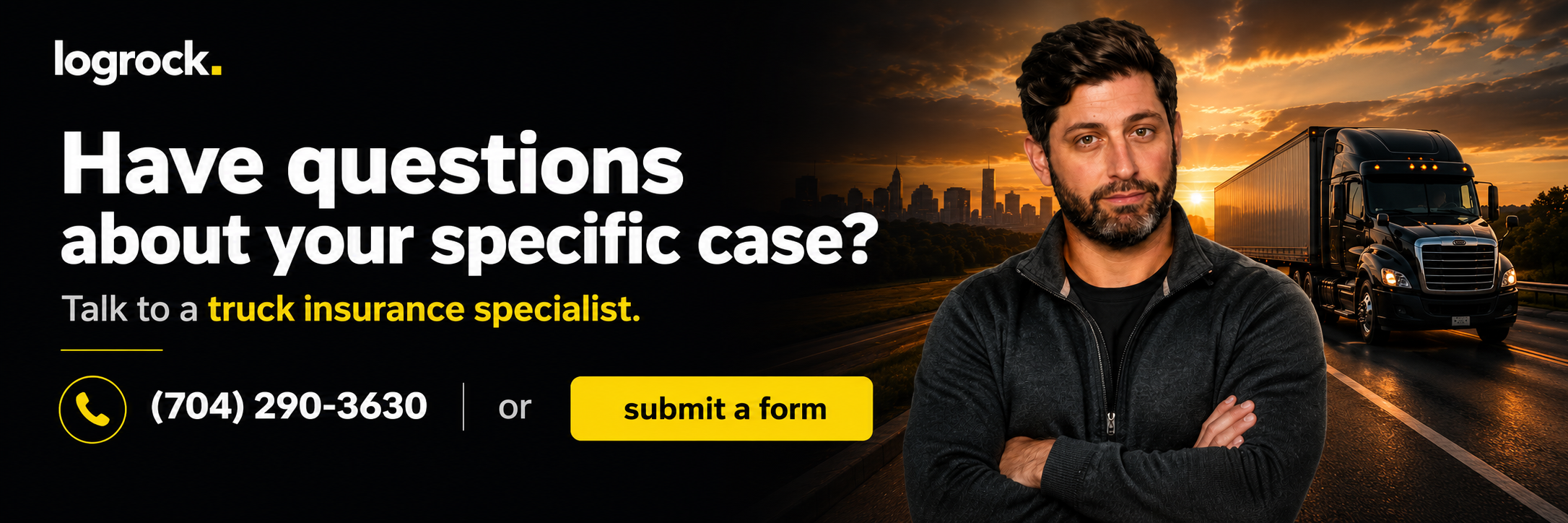
If you’re searching for how to get a transportation business license, here’s the reality: in the U.S., there’s usually no single “transportation license”—it’s a stack of approvals (federal registration, state programs, local permits, and insurance proof/filings) that must match your operation.
Quick answer (7 steps): Form your business (entity/EIN), define your operation (cargo + for-hire + interstate vs intrastate), register with FMCSA (USDOT and sometimes MC authority), complete follow-ups (BOC-3/UCR where required), set up state programs (IRP/IFTA and state permits), check local/airport/port rules, and finalize trucking insurance so your authority/permits can activate.
One decision changes almost everything: your lanes. Use interstate vs intrastate authority explained to lock that down before you pay any filing fee.
Key Takeaways:
- “Transportation business license” usually means federal + state + local + insurance, not one document.
- Your interstate vs intrastate choice drives whether you need FMCSA operating authority and which state permits apply.
- Most delays come from mismatched business info (name/address) and insurance proof/filings done late.
- Budget for time + insurance down payments, not just filing fees.
Table of Contents
Reading time: 9 minutes
- What Counts as a “Transportation Business License” (and why it depends)
- Step 1–2: Set Up the Business (Entity, EIN, and an “Application-Ready” Folder)
- Step 3: Federal Registration (USDOT Number, MC Authority, BOC-3, UCR)
- Step 4–6: State Registration + Local Permits (with CA/TX examples)
- Step 7: Trucking Insurance Requirements (What Activates Authority + Keeps You Working)
- Typical timelines + cost ranges (budget like an owner)
- Printable Checklist + Simple Flowchart
- Frequently Asked Questions
- Conclusion
What Counts as a “Transportation Business License” (and why it depends)
A U.S. “transportation business license” is typically a combination of FMCSA registration (USDOT and sometimes MC authority), state tax/plate programs (like IFTA/IRP), state carrier permits, local permits, and insurance proof/filings—not one universal license.
That’s why two “transportation companies” can look totally different on paper: a local shuttle operator may deal mostly with state and city permits, while an interstate for-hire hotshot is usually driven by FMCSA registration and authority activation.
Common transportation business types (and their licensing buckets)
The phrase “transportation business license” is shorthand people use for whatever approvals let you legally haul freight or passengers and pass broker/shipper onboarding.
- Freight trucking / hotshot / moving: Often USDOT; sometimes MC authority; commonly state programs (IRP/IFTA) and insurance certificates/filings.
- Passenger / for-hire (shuttle, limo, charter): Often state PUC/DMV permits, airport/city permits, and higher liability requirements.
- Towing / vehicle transport: Commonly state-level licensing rules plus insurance/bonding expectations.
- TNC/rideshare companies: Usually state-level TNC licensing (company-level) plus driver requirements.
Interstate vs intrastate: the decision that changes everything
Interstate vs intrastate status determines whether federal rules apply based on crossing state lines or transporting goods tied to interstate commerce, and it can change which permits and insurance filings you’ll need.
Use this explainer to get your baseline right: interstate vs intrastate authority explained.
Then write your operation in one sentence:
- What you haul: general freight, cars, household goods, passengers, hazmat, etc.
- Where you operate: one state vs multiple states.
- For-hire vs private: paid to haul for others vs hauling your own goods.
Pro tip (saves delays): Use the exact legal business name and address the same way on every form (state entity filing, IRS EIN, FMCSA, insurance); “LLC/Inc,” punctuation, and suite numbers can trigger rework.
How to get a transportation business license: Step 1–2 (Entity, EIN, and an “Application-Ready” Folder)
Step 1–2 of how to get a transportation business license is locking a consistent legal identity (entity + EIN + address) because most registrations and insurance underwriting require an exact match across documents.
Pick an entity and register in your state
Forming an LLC or corporation and obtaining an EIN lets you open business bank accounts, bind commercial insurance, and submit carrier registrations under a consistent legal name.
If you’re still lining up the basics, start here: starting a trucking business checklist.
Build your “application-ready” folder (you’ll reuse this constantly)
A simple document folder reduces delays because most agencies, vendors, and insurance carriers request the same core information repeatedly.
- Entity + EIN: formation docs and EIN confirmation letter.
- Contacts: owner IDs and consistent phone/email.
- Vehicles: VIN(s), GVWR/GCWR, plates, lease/finance paperwork.
- Drivers: CDL details (if applicable) and MVR-ready identifiers.
- Insurance: agent contact info for COIs/filings.
- Ops summary: cargo, lanes/states, for-hire/private, estimated annual miles.
How to get a transportation business license: Step 3 (Federal Registration: USDOT, MC Authority, BOC-3, UCR)
Federal registration is handled through FMCSA, and a USDOT number is required for many interstate carriers operating commercial vehicles (commonly those at 10,001+ lbs GVWR/GCWR) and for certain regulated transportation activities.
USDOT number vs MC number (quick rule of thumb)
USDOT number is a federal identifier tied to safety compliance; MC authority (operating authority) is federal permission to conduct certain for-hire interstate transportation.
FMCSA’s starting point for operating authority is here: https://www.fmcsa.dot.gov/registration/get-mc-number-authority-operate.
How to apply (what you’ll do online and what comes after)
FMCSA registration is not just “submit an application and you’re done,” because authority activation can depend on follow-ups like process agent coverage, UCR, and required insurance filings.
For a practical walkthrough, use: how to get a USDOT number (step-by-step).
- MC authority follow-up: May require insurance filings and process agent coverage before it shows as active.
- BOC-3 (process agent): Often required for operating authority so legal documents can be served in each state.
- UCR (Unified Carrier Registration): Often required for interstate operations and renews annually.
Compliance items people forget (that can create fines fast)
Ongoing compliance often includes driver qualification files (when applicable), controlled substances/drug-and-alcohol program requirements (when applicable), and keeping carrier details updated in the correct systems.
Sequence that avoids rework (simple):
- Business identity locked (entity/EIN/contact info)
- Federal registration submitted correctly
- Follow-ups completed
- State programs/plates/taxes
- Insurance proof/filings match legal name exactly
How to get a transportation business license: Step 4–6 (State Registration + Local Permits)
State and local requirements commonly include IRP plates, IFTA fuel tax accounts, state carrier permits, and facility-specific permits, and these items can take 1–8+ weeks depending on backlogs and inspections.
The common “state layer” requirements (even with federal registration)
State programs control plates, fuel tax reporting, and certain intrastate operating permissions, so you can be “federal-ready” but still non-compliant at the state level.
A good starting point for multi-state operations is: IFTA and IRP registration guide.
- IRP (apportioned plates): Common for vehicles operating in multiple jurisdictions.
- IFTA (fuel tax reporting): Common for qualified motor vehicles, often triggered at 26,000+ lbs (or 3+ axles regardless of weight) when operating across member jurisdictions.
- State motor carrier permits/authority: Some states require separate permits even if you have FMCSA registration.
- State inspections/vehicle requirements: Vary by state and operation type.
State example: California (Motor Carrier Permit / MCP)
California’s Motor Carrier Permit (MCP) is a state-level permit administered by the California DMV, and many carriers operating commercially in California must hold MCP in addition to any FMCSA registration that applies.
Confirm the current rules and documentation requirements here: https://www.dmv.ca.gov/portal/vehicle-industry-services/motor-carrier-services-mcs/motor-carrier-permits/.
Practical delay trigger: MCP and other state permits often stall when insurance documentation doesn’t match the business name/address exactly.
State example: Texas (where TxDMV steps fit)
Texas motor carrier requirements are coordinated through TxDMV and can include state-layer steps that sit on top of your interstate vs intrastate and for-hire vs private choices.
Start with TxDMV’s overview and confirm what applies to your operation: https://prod-origin.txdmv.gov/motor-carriers/how-to-be-a-motor-carrier.
Local/city permits (for-hire, airport, port, municipal rules)
Local permits can apply even when you’re federally registered, especially for airport ground transport, port access/drayage, and city-regulated passenger-for-hire operations.
Call script that gets you answers fast: “What permit is required for a for-hire transportation company, and what exact COI wording and limits do you require?”
Federal vs state vs local (quick comparison table)
| Layer | What it usually controls | Examples (not exhaustive) | What commonly causes delays |
|---|---|---|---|
| Federal | Safety registration + operating authority | USDOT, MC authority, UCR, BOC-3 | Wrong authority type, follow-ups incomplete |
| State | Plates/taxes + state permits | IRP, IFTA, state motor carrier permits | Missing documents, processing backlogs |
| Local | Facility/city permission | Airport ground transport permit, port access rules | Inspections, background checks, COI wording |
How to get a transportation business license: Step 7 (Trucking Insurance Requirements)
FMCSA minimum public liability requirements for many for-hire interstate motor carriers start at $750,000 (non-hazardous freight), with higher minimums for certain hazardous materials and passenger carriers, and insurance filings can be required to activate authority.
The coverage types most commonly required (and why)
Insurance has two jobs: protect your business financially and satisfy regulators, brokers, shippers, and facilities that control access (airports/ports).
- Auto liability: The baseline for motor carriers and often required by law/authority type.
- Cargo: Commonly required by brokers/shippers for onboarding and contracts.
- General liability: Often required for shipper facilities and contracts.
- Physical damage: Common when you finance/lease equipment (and smart for many owner-operators).
To see what’s commonly required and what paperwork causes delays, review: commercial truck insurance requirements.
For FMCSA insurance filing concepts, use: https://www.fmcsa.dot.gov/registration/insurance-filing-requirements.
Proof vs filings: why insurance is the #1 licensing bottleneck
A certificate of insurance (COI) is proof of coverage, while an insurance filing (when required) is an insurer-submitted electronic form used by agencies to activate authority or permits.
- COI: What brokers, shippers, and facilities typically request.
- Filing: What can keep authority “inactive” if it’s missing or mismatched.
Cheap fix that prevents weeks of delay: Before the policy is issued, confirm the legal name, address, and vehicle details (VIN, radius, garaging) match your registrations exactly.
Typical timelines + cost ranges (budget like an owner, not like a hobby)
Most new carriers should plan for a multi-layer setup timeline of 2–8+ weeks because state processing, inspections, and insurance underwriting often take longer than the initial federal application submission.
Numbers vary by state backlogs and underwriting, but this planning view matches what new ventures commonly experience.
Timeline planning table (typical ranges)
| Item | Typical time range | Notes |
|---|---|---|
| Entity setup + EIN | 1–14 days | Depends on state processing and how fast you file |
| Federal registration (USDOT/MC submission) | Same day–1 week | Submission can be fast; activation can take longer |
| Follow-ups (UCR/BOC-3 where required) | 1–7 days | Depends on vendor timing and when you complete them |
| State permits + accounts | 1–6 weeks | IRP/IFTA and state permits vary widely |
| Local permits (airport/port/city) | 2–8+ weeks | Inspections/background checks can slow it down |
| Insurance underwriting + documents/filings | 2 days–3+ weeks | New ventures and certain commodities take longer |
Cost categories table (what you’ll actually spend money on)
| Category | What it includes | Budget reality |
|---|---|---|
| Formation + basic admin | State filing fees, registered agent, EIN (often free) | Low–moderate |
| Federal/state fees | Registration/permit/plate program fees | Moderate |
| Tax programs | IRP/IFTA setup, HVUT (if applicable), renewals | Moderate |
| Compliance services | Process agent, programs, recordkeeping help | Optional, but can save time |
| Insurance | Down payment + monthly premium, endorsements, certificates | Often the largest startup cash hit |
Speed tips that actually work
- Apply in the right sequence: entity → federal → follow-ups → state → local → onboarding.
- Don’t change your business name/address midstream.
- Keep a single “source of truth” document with legal name, DOT/MC, address, phone, and email.
Printable Checklist + Simple Flowchart (copy/paste and run it)
A practical transportation business license checklist includes seven steps—define the operation, set up the business, complete federal registration and follow-ups, handle state programs, confirm local permits, bind insurance, and verify final readiness before onboarding.
The 7-step checklist (print this)
Step 1: Define your operation
- [ ] For-hire or private
- [ ] Freight or passenger
- [ ] Interstate or intrastate
- [ ] Commodity notes (general freight, cars, household goods, hazmat, etc.)
Step 2: Set up the business
- [ ] Entity registered in state
- [ ] EIN obtained
- [ ] Business contact info finalized (phone/email/address)
Step 3: Federal registration
- [ ] USDOT number (if required)
- [ ] MC authority (if required)
- [ ] Follow-up items planned (don’t ignore these)
Step 4: State layer
- [ ] State carrier permit/authority checked
- [ ] IRP (if multi-jurisdiction)
- [ ] IFTA (if applicable)
Step 5: Local layer
- [ ] City/county business licensing checked
- [ ] Airport/port permits checked (if applicable)
Step 6: Insurance
- [ ] Commercial auto liability quoted and bound
- [ ] Cargo/general liability added if required by contracts
- [ ] COIs issued correctly (legal name/address)
- [ ] Filings submitted where required
Step 7: Final readiness
- [ ] Plates/permits in hand (or confirmed active)
- [ ] ELD/HOS plan (if applicable)
- [ ] Onboarding packet ready for brokers/shippers
Decision flow (30-second version)
- Cross state lines? → likely federal registration territory
- For-hire? → may require operating authority depending on what/where you haul
- Passenger / airport / port work? → expect local permits and higher insurance scrutiny
- Multiple jurisdictions? → plan for IRP/IFTA early
Real-world example (why two “transportation companies” don’t look the same on paper)
- New interstate hotshot (for-hire): Often needs federal registration, state fuel/plate programs depending on lanes/weight, and insurance structured for for-hire exposure.
- Local shuttle service: May lean heavily on state PUC/DMV permits and city/airport permits, plus strict COI wording and higher limits.
Frequently Asked Questions
Most transportation businesses need a mix of federal, state, and local permissions, not one permit. Freight carriers often start with FMCSA registration (USDOT and sometimes MC authority), then set up state programs like IRP plates and IFTA fuel tax (often triggered around 26,000+ lbs or 3+ axles across jurisdictions), and finally handle any local permits (airport/port/for-hire rules). Passenger-for-hire operations commonly add state PUC/DMV permits and facility permits with strict insurance wording and higher liability limits.
A USDOT number is a federal identifier tied to safety compliance, while an MC number (operating authority) is federal permission for certain for-hire interstate transportation. Many carriers need a USDOT number when operating in interstate commerce with commercial vehicles (commonly at 10,001+ lbs GVWR/GCWR), but only some need MC authority depending on for-hire vs private, cargo type, and lanes. For a deeper breakdown, use FMCSA operating authority (MC number) guide.
Getting a transportation business “license” usually takes 2–8+ weeks because it’s multiple layers (federal, state, local, and insurance activation), not a single filing. The initial FMCSA submission can be quick, but delays usually come from follow-up requirements, state processing times for IRP/IFTA or permits, local inspections/background checks, and insurance underwriting for new ventures. The fastest path is keeping your legal name/address consistent and completing insurance proof/filings early so your authority and permits don’t sit inactive.
Most transportation businesses need commercial auto liability, and for many for-hire interstate carriers the FMCSA minimum public liability starts at $750,000 (with higher minimums for certain hazmat and passenger operations). Freight businesses often also need cargo insurance because brokers/shippers require it for onboarding, and some contracts require general liability. Passenger-for-hire and airport/port work frequently requires higher limits and very specific COI wording. If you’re budgeting, use commercial truck insurance cost breakdown to plan for down payments and monthly cash flow.
Conclusion: Get “active” first, then get paid
Most people don’t get stuck because they “didn’t file something”—they get stuck because their licensing stack isn’t consistent, or their insurance proof/filings don’t match and authority can’t activate. If you work the sequence (entity → federal → follow-ups → state → local → insurance), you’ll move faster and avoid paying twice.
Key Takeaways:
- Define interstate vs intrastate and for-hire vs private before you submit anything.
- Use one exact legal name/address everywhere (state, IRS, FMCSA, insurance).
- Plan for the “forgotten” annual items like UCR registration guide.
If you want a cleaner, faster build-out, start with the checklist above, then confirm the exact federal/state/local requirements for your lanes and cargo before you bind insurance.