Beverage product insurance explained: product liability, recall, liquor liability + 2026 cost drivers and commercial truck insurance basics. Get quotes today.

Beverage product insurance is the coverage stack that protects your brand when a drink you sell is blamed for injury, illness, or property damage—starting with product liability and often adding recall/contamination, liquor liability (if you serve alcohol), and delivery fleet coverage.
If you want the base layer first, start with product liability insurance for beverage brands, then use the sections below to fill the most common gaps (recall costs, COI requirements, and delivery exposures).
Image placeholder (Hero)
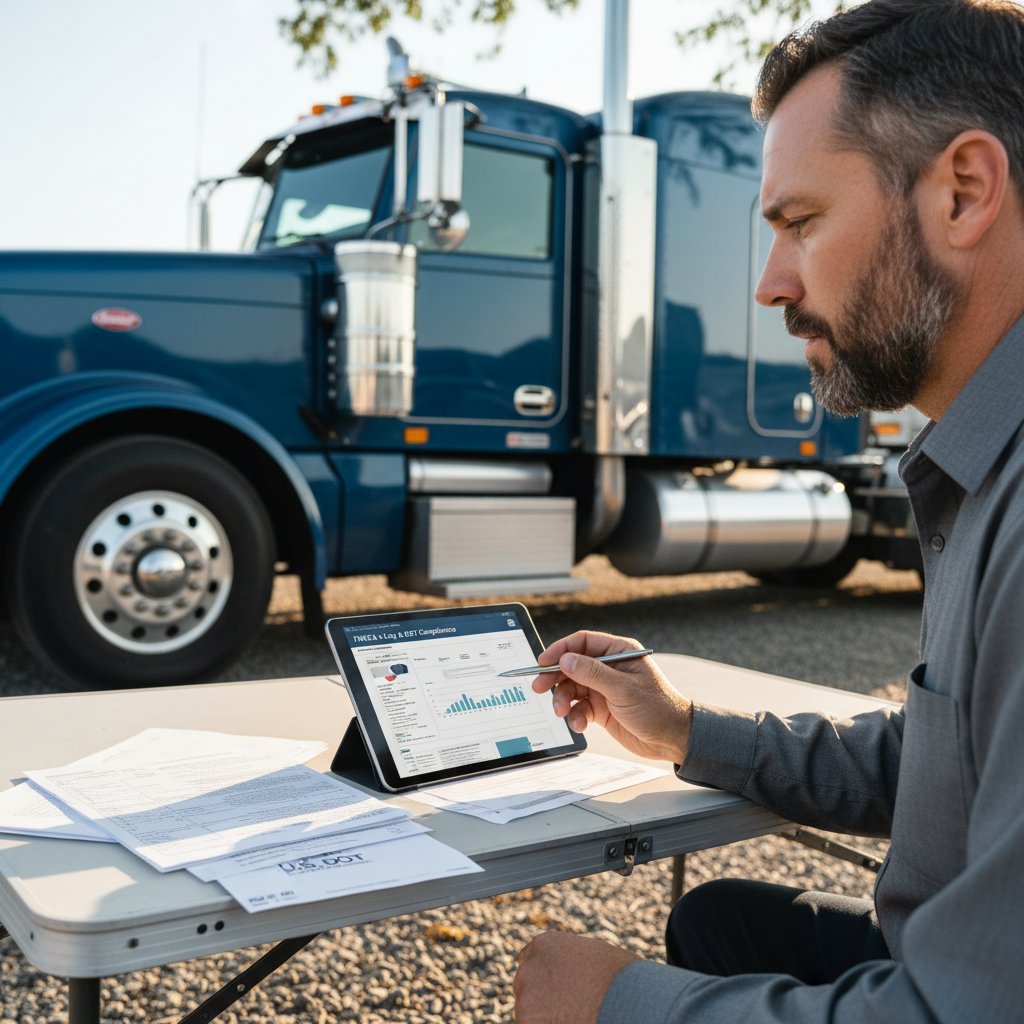
Alt text: Beverage brand owner reviewing product insurance and recall coverage options
Table of Contents
Reading time: 9 minutes
- What beverage product insurance covers (plain English)
- Who needs beverage product insurance (by business type)
- GL vs product liability (what responds to what)
- Product recall coverage for beverages (the recall gap)
- Alcohol vs non-alcohol: liquor liability + regulations
- Delivery fleets: commercial truck insurance most brands miss
- 2026 costs: pricing drivers + ways to keep premiums down
- Quote-ready checklist: COIs, limits, and underwriting docs
- Frequently Asked Questions
What beverage product insurance covers (in plain English)
Beverage product insurance typically means product liability inside a Commercial General Liability (CGL) policy, plus add-ons like recall/contamination, liquor liability, cyber, equipment breakdown, and commercial auto depending on how you sell and deliver.
In real life, beverage losses aren’t limited to “someone got sick.” Claims and demand letters often involve packaging injuries, alleged allergens, temperature abuse, and “failure to warn” arguments—plus legal defense costs that show up long before anyone proves fault.
The 7 coverages most beverage brands end up needing
- CGL (premises & operations): Slip/fall at your booth, injuries during tastings, property damage you cause at a venue.
- Product liability (products-completed operations): Claims your beverage caused bodily injury/illness or property damage after it left your control.
- Product recall/withdrawal + contamination: Pull costs, disposal, notifications, testing, and other recall expenses that product liability usually doesn’t pay.
- Liquor liability (if alcohol is served/sampled): Alcohol-service claims (dram shop-style allegations) that are typically excluded from CGL without a separate policy.
- Commercial property (if you own/lease space or inventory): Equipment, ingredients, packaging, and finished goods at your location.
- Equipment breakdown: Mechanical/electrical failure of critical gear that can cascade into spoiled product and downtime.
- Commercial auto / commercial truck insurance: Liability and physical damage when you deliver product with company vehicles (or hired/non-owned exposure if staff drive personal cars).
If you sell DTC online, cyber is often the “quiet” policy that saves you when payments or customer data gets hit. See cyber liability insurance for DTC beverage brands for the practical triggers (ransomware, fraudulent transfers, chargeback spikes, and breach response costs).
Who needs beverage product insurance (and how requirements change)
Most retailers, venues, and distributors require proof of liability insurance via a Certificate of Insurance (COI), and many commonly ask for at least $1,000,000 per occurrence and $2,000,000 aggregate on CGL/Product Liability even when you’re a small brand.
Beverage carts, pop-ups, and mobile vendors
If you sell direct to the public on someone else’s property, your most frequent claims are premises/operations (slips, burns, crowd incidents) plus product allegations tied to handling (ice, sanitation, allergen cross-contact).
Paperwork is often the gatekeeper. Many venues want the COI to show them as Additional Insured and may ask for Primary & Noncontributory wording. If you’re new to that process, read certificate of insurance (COI) requirements for retailers and events.
Manufacturers (non-alc, functional, dairy-based, probiotic, alcoholic)
Manufacturing exposure is usually lower frequency, higher severity because one issue can impact a full production run across many locations (or many states) quickly.
Underwriters price confidence, not vibes. Written QA, lot coding, supplier controls, and at least one mock recall drill per year often improve both insurability and pricing.
Distributors and wholesalers
Distributors can be pulled into product claims through storage/handling allegations, contract indemnity, temperature-control disputes, and loading/unloading incidents at docks.
If you warehouse or deliver under contract, bring your top 2–3 distribution agreements to your insurance call—contract language frequently drives the limits and endorsements you actually need.
GL vs product liability (what actually responds when something goes wrong)
Commercial General Liability (CGL) usually covers premises/operations claims and includes products-completed operations for product liability, but the exact triggers, exclusions, and defense terms vary by policy form and endorsements.
Here’s the clean way to think about it: CGL handles what happens because of your operations; product liability handles what happens because of the product after it leaves you.
For a quick foundation refresher, see commercial general liability insurance basics.
Image placeholder (Body)
Alt text: Table comparing general liability vs product liability for beverage businesses
Quick comparison table (save this for your quote call)
| Item | General Liability (Premises/Ops) | Product Liability (Products-Completed Ops) |
|---|---|---|
| Typical trigger | Slip/fall at booth, taproom incident, property damage at a venue | Allegation beverage caused illness/injury or property damage |
| Where it happens | Your location / your event | After product leaves your control |
| What underwriters focus on | Foot traffic, safety procedures, staff training | Ingredients, QA, traceability, batch controls, distribution footprint |
| Common mistake | Low limits for high-attendance events | Assuming recall expenses are covered (often not) |
Key terms to understand before you bind coverage
- Per occurrence vs aggregate: A $1,000,000 per-occurrence limit is not the same as a $2,000,000 annual aggregate (both matter when you have multiple claims in a year).
- Claims-made vs occurrence: Many CGL policies are occurrence-based, while other liability lines can be claims-made; confirm how your policy triggers coverage.
- Additional Insured endorsements: Commonly required by venues, landlords, and retailers as a condition of doing business.
For baseline definitions of common insurance terms, the NAIC consumer glossary is a solid reference: NAIC — Consumer Insurance Glossary.
Product recall coverage for beverages (the recall “gap” most brands don’t budget for)
Product recall/withdrawal and contamination insurance is designed to reimburse recall-related expenses (notification, retrieval, shipping, disposal, testing, and sometimes PR or replacement product) that product liability typically does not cover unless there’s proven third-party injury or property damage.
A recall isn’t just “getting a few cases back.” It’s a workflow with real logistics costs, documentation burdens, and timeline pressure from retailers and regulators.
For a deeper breakdown of what policies usually do (and don’t) pay, see product recall insurance explained.
Image placeholder (Body)

Alt text: Flowchart of beverage product recall timeline and insurance coverage points
A practical recall timeline (what actually happens)
The FDA explains the differences between recalls, market withdrawals, and safety alerts here: FDA — Recalls, Withdrawals, and Safety Alerts.
- Detection: Complaint, test result, retailer notice, or supplier alert.
- Batch tracing: Identify affected lots/SKUs and where they shipped.
- Decision + documentation: Voluntary withdrawal vs formal recall steps.
- Notifications: Distributors, retailers, DTC customers, and sometimes regulators.
- Retrieval + disposal: Freight, warehousing, destruction proof.
- Root-cause fix: Supplier change, sanitation change, packaging change, training updates.
- Restart + re-launch: Back to shelf (and back to margin).
Recall readiness checklist (often improves pricing and insurability)
- Lot coding: Codes tie finished goods to ingredients + production runs.
- Supplier controls: Written specs plus supplier COIs on file.
- Temperature logs: Especially if you rely on cold chain.
- Sanitation SOPs: Written procedures + training logs.
- Mock recall drill: Run at least annually and keep the results.
Alcohol vs non-alcohol: liquor liability, regulations, and real-world claim patterns
Liquor liability insurance generally addresses claims arising from alcohol service/sale (often called dram shop-type allegations), while product liability addresses allegations that the beverage itself caused harm due to defect, contamination, or labeling failures.
Liquor liability vs product liability (they solve different problems)
If you operate a taproom, pour samples, host events, or sell for on-premise consumption, liquor liability can be the coverage that keeps one incident from turning into a seven-figure problem.
To separate these exposures clearly, start with liquor liability insurance for beverage businesses.
Regulatory and labeling exposure (Prop 65 is a common example)
California’s Proposition 65 framework can influence warning/labeling decisions and litigation risk for brands selling into California, even when the underlying dispute is about labeling rather than an injury event.
Reference: California OEHHA — Proposition 65.
- Practical takeaway: If you sell into high-regulation states, coordinate counsel + insurance early so your risk controls and your coverage language don’t fight each other when a claim lands.
- Underwriting tip: Written label review procedures, retained batch records, and supplier documentation help reduce “unknowns” that underwriters price into your premium.
Delivery fleets: commercial truck insurance most beverage brands miss
Commercial truck insurance (and broader trucking insurance) covers liability and physical damage for vehicles used to deliver product, and interstate for-hire carriers are subject to FMCSA financial responsibility rules under 49 CFR Part 387, including $750,000–$5,000,000 minimums depending on vehicle and commodity.
Even if you’re not a for-hire motor carrier, deliveries are a different loss channel than “making the product.” A single auto claim can be more expensive than a year of CGL premium, especially when there’s a serious injury.
Common scenarios where coverage gets missed
- Founder deliveries: Delivering kegs/cases “just on weekends” using a personal auto policy.
- Warehouse runs: Loading/unloading incidents at docks (property damage + injury claims).
- Pickup + trailer: Some setups drift into hotshot insurance considerations depending on use, weight, and how the vehicle is scheduled.
- Regional distribution: A contracted or owned tractor-trailer that needs semi truck insurance structured for your operations.
What “affordable trucking insurance” usually means in practice
Affordable trucking insurance usually comes from controlling frequency (driver selection, training, telematics, radius/garaging accuracy) rather than stripping coverage until the policy stops behaving when you need it.
2026 costs: beverage product insurance pricing drivers (and what typically moves quotes)
In 2026, beverage product insurance is typically priced annually and driven primarily by gross sales, distribution footprint (states/channels), product type/ingredients, alcohol service, and loss/recall history, with deductibles/retentions and limits changing the final premium.
Image placeholder (Body)
Alt text: Cost range chart for beverage product insurance by business type
Typical premium ranges you’ll hear in the small-business market (use as a sanity check)
These are broad market ranges many founders encounter for basic liability layers, and your quotes can be higher or lower based on limits, distribution footprint, alcohol, and controls.
- Pop-ups/carts (CGL + products): often start in the hundreds to a few thousand dollars per year depending on events, sales, and limits.
- Small manufacturers (CGL + products): commonly fall in the low thousands to five figures per year as sales, states, and ingredient risk increase.
- Recall/contamination add-on: can add meaningful premium, but it’s often cheaper than self-funding one retrieval/disposal event across retail doors.
- Delivery fleet (commercial auto/truck): pricing depends heavily on driver MVRs, vehicle type, radius, and loss history—often more than the rest of the stack.
Ways to lower premium without creating gaps
If you’re trying to keep total cost under control, the best levers are usually operational (QA/traceability, driver controls, contract review) plus smart structuring (deductibles, limits, endorsements).
See how to lower business insurance costs for practical cost controls that don’t quietly remove the coverage you thought you bought.
Two “high ROI” controls that underwriters like
- Traceability: Lot coding + documented supplier specs + retained records shorten investigations and reduce recall scope.
- Fleet discipline: Driver training, telematics, and a tight delivery radius reduce frequency (the thing insurers price most aggressively).
Build a quote-ready beverage product insurance package (without paying for fluff)
A quote-ready beverage insurance submission typically includes at least 12 months of gross sales, a product list with ingredients/allergens, manufacturing/co-packer details, distribution states/channels, and your desired limits (often starting at $1M/$2M for many retail/event relationships).
Bring these details to your quote call
- Where you sell: DTC, farmers markets, events, retail, distribution (and which states).
- What you sell: SKUs, ingredients, allergens, shelf-stability, cold chain reliance.
- How you make it: In-house vs co-packer, QA procedures, sanitation logs, testing cadence.
- How you deliver: Staff driving personal cars, company vans, straight trucks, trailers, or contracted carriers.
- COI needs: Additional Insured, Waiver of Subrogation, Primary & Noncontributory, and any special wording.
Optional add-ons that commonly matter for beverage ops
- Equipment breakdown: Especially if you rely on fillers, refrigeration, boilers, pasteurizers, or glycol systems. Reference: equipment breakdown insurance.
- Cyber (DTC brands): Payment data + account takeover + ransomware risk. Reference: cyber liability insurance for DTC beverage brands.
- Recall/contamination: If you’re in retail/distribution or temperature-sensitive products.
- Liquor liability: If you serve alcohol at tastings/events or have on-premise operations.
Frequently Asked Questions
Beverage product liability insurance typically covers third-party bodily injury/illness or property damage allegations caused by your beverage, and it also pays legal defense costs up to the policy’s limits. In many small-business setups, it’s included within a CGL policy under the products-completed operations section, which responds after the product leaves your control. It usually does not automatically pay recall/withdrawal expenses like retailer notifications, freight to retrieve product, testing, or disposal unless there’s covered injury/property damage and your policy language grants those costs. If you sell through retailers, confirm your limits (often starting at $1M per occurrence) and your COI wording.
Many beverage businesses need product recall/contamination coverage if they sell through retailers/distributors, ship multi-state DTC, or make temperature-sensitive products, because recall costs can hit before any injury is proven. Recall coverage can reimburse expenses like notification, shipping/retrieval, storage, disposal, and testing, with optional features like crisis management depending on the form. The FDA’s recall framework (recall vs market withdrawal vs safety alert) shows why documentation and speed matter during an event. Insurers commonly expect basic traceability (lot coding) and written QA controls before offering meaningful recall terms, especially when your product footprint spans multiple doors or states.
Beverage product insurance cost in 2026 is primarily driven by gross sales, distribution states/channels, product/ingredient risk, alcohol service exposure, prior claims/recalls, and the limits you choose (many partners ask for $1M/$2M as a baseline). As a broad rule, pop-ups and small carts often see premiums in the hundreds to low thousands per year for basic CGL/products, while manufacturers with wider distribution can land in the low thousands to five figures depending on risk and limits. Adding recall/contamination and a delivery fleet can change pricing significantly because those cover high-severity loss channels. The fastest way to reduce premium is better QA/traceability and tighter driver controls—not removing coverage.
Optional coverages for beverage producers commonly include product recall/contamination, equipment breakdown, cyber liability for DTC sales, commercial property, and commercial auto or commercial truck insurance for delivery operations. Equipment breakdown is a frequent add-on when you rely on fillers, refrigeration, boilers, pasteurizers, or glycol systems because mechanical failure can turn into spoiled inventory and downtime. Cyber is especially relevant when you process payments, store customer data, or run subscription/online ordering. If alcohol is served at tastings/events or on-premise, liquor liability is typically separate from product liability and may be required by venues. If you have employees, workers’ comp is usually required by state law once you meet the state’s hiring threshold.
Conclusion: A beverage insurance package should match your channel, not your guess
Beverage product insurance works best when it mirrors how you sell: where your product goes, how it’s handled, and who requires a COI to let you in the door. Start with product liability, close the recall gap if you’re in retail/distribution, add liquor liability when alcohol service is part of the model, and don’t ignore delivery fleet exposure.
Key Takeaways:
- Product liability is the base, but recall/withdrawal expenses are often a separate policy decision.
- Your COI requirements drive limits and endorsements (Additional Insured, Primary & Noncontributory, special wording).
- Delivery can be a bigger loss channel than manufacturing, so structure commercial auto/commercial truck insurance correctly.
If you want quotes that match your real risks, bring your product list, sales footprint, and COI/contract requirements, and build the stack around those facts.