Cover Whale hot shot insurance policies explained—coverage types, eligibility, states, exclusions, and 2026 cost range. Quote smarter today.
Cover Whale hot shot insurance policies are typically built around commercial auto liability, with optional add-ons like physical damage and motor truck cargo, and the biggest “yes/no” factors are usually eligibility and state availability.
If you shop before you’re clear on radius, commodity, and equipment, you can end up with a policy that looks cheap but doesn’t match the loads you actually haul—so start with a clean hot shot trucking insurance checklist before you compare brands.
👉 Ready to save on your hot shot truck insurance?
Watch the video below for a quick overview of hot shot insurance rules, how much it costs, and practical ways to save. Or give us a call: (704) 290-3630
Table of Contents
Reading time: 8 minutes
Key takeaways
Hot shot insurance decisions usually come down to liability, physical damage, and cargo, plus whether you qualify for the market in your state.
- Most hotshot policies revolve around three pillars: liability (legal + broker requirements), physical damage (truck protection), and cargo (freight protection).
- Eligibility is the gatekeeper: driver history, authority age, commodity, radius, equipment, and state availability can matter as much as price.
- 2026 pricing often lands in the mid-to-high five figures annually for many hotshot operations, and new ventures can swing higher fast.
- Misclassifying your operation can cause claim friction: commodity, radius, and “occasional” auto hauling are common problem areas.

What counts as “hot shot” trucking (and why insurers rate it differently)
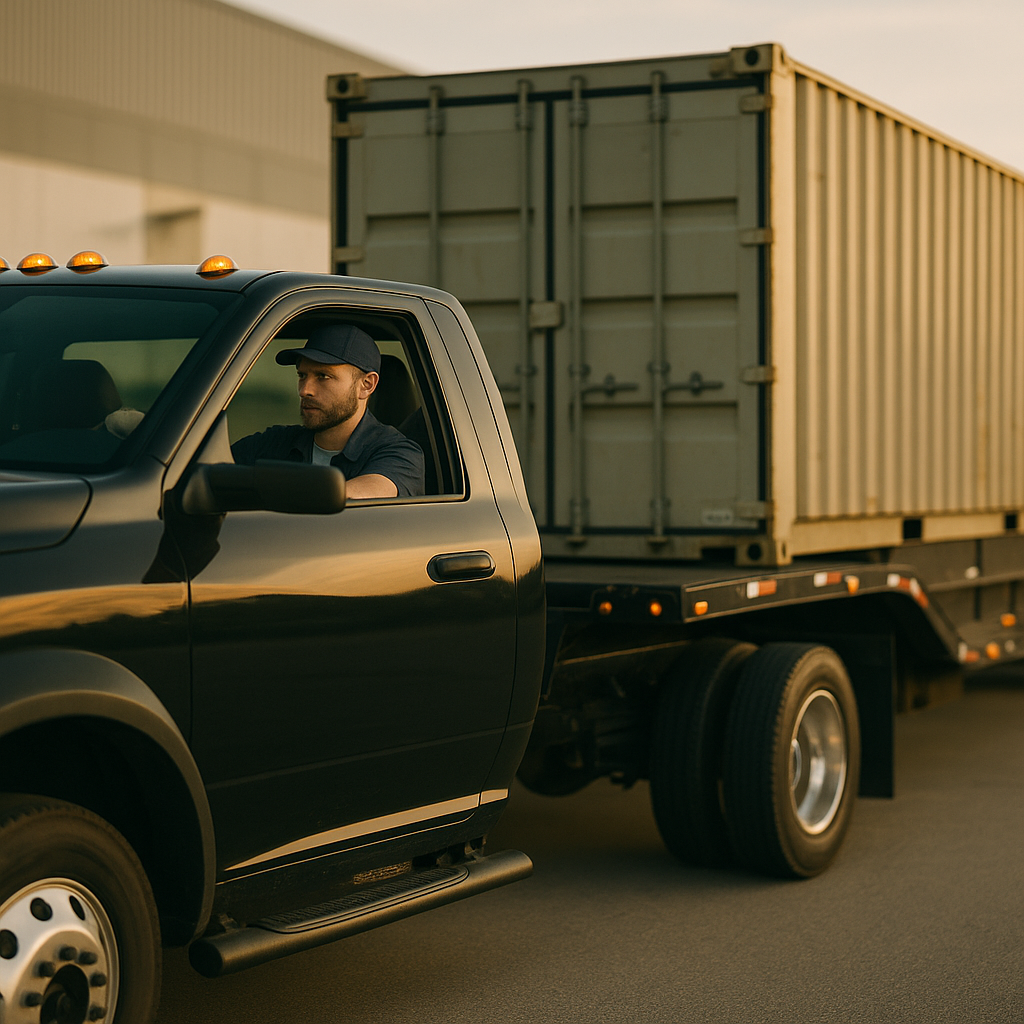
Hotshot trucking is for-hire freight hauling using a pickup or medium-duty truck (often Class 2–5 by GVWR) pulling a trailer, commonly a gooseneck or flatbed.
In real life, that can look like expedited partials, jobsite deliveries, oilfield runs, or mixed freight that doesn’t justify a full semi—just with less “standardization” in lanes and commodities.
Real-world hotshot examples insurers recognize
- A gooseneck hauling skid steers or attachments to a jobsite
- Oilfield parts and tools with odd hours and last-minute dispatch
- Construction materials and equipment for regional contractors
- Expedited partials with lane changes week to week
Why insurers often rate hotshot differently than semi operations
Hotshot operations can trigger pricing and eligibility constraints because they tend to involve mixed commodities, changing lanes/radius, new authorities, and higher theft exposure (especially when loads sit unattended).
If you want the foundational context on core coverages that apply to nearly any trucking setup, read commercial truck insurance basics.
What Cover Whale hot shot insurance policies typically include
Most hotshot policies are structured with commercial auto liability as the base, then physical damage and motor truck cargo added to match your equipment value and broker load requirements.
Note: Coverage details, endorsements, limits, and exclusions can vary by state, carrier, policy form, and underwriting—confirm terms in writing before you haul.
Image placeholder: “Checklist of coverages (liability, physical damage, cargo, add-ons)”
Core coverages (the usual foundation)
| Coverage | What it generally does | Why it matters in hotshot |
|---|---|---|
| Auto liability | Pays for injuries and property damage you cause to others | Required to operate and to satisfy most brokers/shippers |
| Physical damage (comp/collision) | Protects your truck (and sometimes scheduled equipment) | One deer strike or intersection wreck can erase months of profit |
| Motor truck cargo | Pays for covered damage to freight you’re hauling | Many brokers won’t load you without it; cargo claims can end relationships |
Common add-ons (often requested by brokers/shippers)
Depending on your operation and contracts, you may also see optional coverages like:
- Truckers general liability: non-auto liability exposures at facilities and during operations
- Non-trucking liability / bobtail: coverage when you’re not under dispatch (this is commonly misunderstood)
- Trailer-related coverage: trailer scheduling/coverage varies by insurer and how the trailer is used
- UIIA-related requirements: generally only relevant if you’re truly doing intermodal/container work
The hotshot “gotcha”: cargo is where the fights happen
Cargo claims often turn on what you said you haul, the theft/securement conditions, and sublimits for high-value items, so “cargo is cargo” isn’t a safe assumption.
If you haul mixed freight, learn cargo the way an adjuster reads it—not the way a dispatcher describes it—starting with cargo insurance for owner-operators.
Eligibility, underwriting, and state availability (the real “approval checklist”)
Underwriting eligibility for hotshot insurance commonly depends on driver history, authority age, commodity, operating radius, equipment details, and continuous prior insurance.
Typical eligibility factors that move you toward “approved” (or “declined”)
- Driver profile: MVR, violations, at-fault accidents, claims history, years of experience (CDL vs non-CDL depending on setup)
- Business profile: new venture/new authority vs established operations; continuous prior insurance is a major pricing lever
- Operations: radius, lane consistency, dispatch model, for-hire vs private carriage
- Commodity: declared commodity must match what you actually haul and what COIs imply
- Equipment + theft exposure: truck value, trailer type, garaging ZIP, storage practices, safety/telematics
Compliance basics: legal vs “broker-required”
FMCSA financial responsibility minimum for for-hire interstate carriers hauling non-hazardous property is $750,000 under 49 CFR § 387.9, but brokers and shippers frequently require higher limits and specific COI wording.
For the primary source on filings, FMCSA’s insurance filing requirements page is here: https://www.fmcsa.dot.gov/registration/insurance-filing-requirements.
If you want a plain-English walkthrough that connects authority, filings, and your insurance setup, use FMCSA authority requirements.
State availability (and admitted vs non-admitted) in 2026
Hotshot insurance availability can change by state and month based on underwriting appetite, loss trends, and catastrophe exposure, so you should verify eligibility on the day you quote.
- Admitted: insurer is licensed in the state; rates/forms are more regulated; typically includes state-level consumer protections.
- Non-admitted: written via surplus lines; underwriting is more flexible; consumer protections and rules differ by state.
Cover Whale publishes guidance through its own resources (verify on the day you quote):
Image placeholder: “State availability table/map (admitted vs non-admitted) with ‘Last verified: May 2026’”
| State | Availability (Admitted / Non-admitted / Not offered) | Notes | Last verified |
|---|---|---|---|
| Your domicile | Ask: admitted vs non-admitted? | May 2026 | |
| Primary freight lane states | Any radius restrictions? | May 2026 | |
| Secondary lane states | Any commodity restrictions? | May 2026 |
2026 cost, exclusions, and quote-to-bind (how to shop without getting burned)
Many hotshot operators see annual premiums roughly in the $15,000–$25,000/year range in 2026, with price moving sharply based on new venture status, MVR, commodity, radius, state, and prior insurance continuity.
Cover Whale hotshot policy cost in 2026: a realistic range
Pricing is highly individual, but this range is a useful baseline for expectations—especially if you’re running for-hire, crossing state lines, or changing lanes frequently.
- New authority vs seasoned authority
- Garaging state and theft/cat exposure
- Operating radius (local vs regional vs long-haul)
- Commodity consistency and how it’s described
- Physical damage values + deductibles
- Loss history and continuous prior coverage
For a deeper breakdown of pricing levers (and why two “similar” hotshots get wildly different quotes), read what affects truck insurance cost.
Three quick scenarios (to calibrate expectations)
- Scenario A (higher range): new authority, wide radius, mixed freight, limited experience
- Scenario B (mid range): 2+ years authority, clean-ish MVR, regional radius, stable commodity
- Scenario C (lower end): experienced operator, continuous prior insurance, tight radius, strong safety practices, higher deductibles
Exclusions & edge cases to ask about before you bind
Policy exclusions and conditions vary by form, but the most common hotshot “surprises” show up around commodity, theft rules, and securement requirements.
- Commodity exclusions and sublimits (especially for high-value items)
- Unattended vehicle theft conditions (hotel stops, parking lots, jobsite drop areas)
- Securement requirements (straps/chains, tarping expectations, inspection documentation)
- Vehicle transport / auto hauling (even “once in a while” should be disclosed)
- Radius/geography restrictions (don’t say “regional” then run coast-to-coast)
Quote-to-bind workflow (fast, but only if you prep)
Image placeholder: “Prep → Quote → Underwriting → Bind → COI/Filings flowchart”
Before you request quotes (10-minute prep checklist):
- VIN(s), year/make/model, lienholder info (if financed)
- Trailer details (type, VIN if scheduled, value)
- Garaging ZIP (where it actually sits)
- Your real operating radius and primary lanes
- Clear commodity description (don’t overgeneralize)
- Prior insurance dec page and loss runs (if available)
- Target limits based on broker/shipper requirements
During quoting:
- Keep your story consistent across applications (inconsistencies slow underwriting)
- Ask for sample COI wording if brokers are picky
- Confirm certificate turnaround once the policy is bound
After binding:
- Save COIs and policy docs where you can access them at a shipper gate
- FMCSA SAFER is the public verification tool: https://safer.fmcsa.dot.gov/
Quick comparison: when Cover Whale might fit (and when to shop alternatives)
Cover Whale can be a fit when you need streamlined quoting/binding and your state/operations match underwriting appetite.
- Might fit: clear commodities, stable lanes, clean-to-manageable history, acceptable state availability
- Shop alternatives: restricted states, specialized/high-value commodities, or operations that change week to week
For industry cost trend context, ATRI’s research hub is here (see the latest Operational Costs of Trucking): https://truckingresearch.org/.
Frequently Asked Questions
Cover Whale markets hotshot coverage, but approval depends on your state and underwriting details like driver history, authority age, commodity, operating radius, and equipment. Because eligibility and availability can change, verify whether the policy is admitted or non-admitted in your state during the quote, and get key coverage confirmations in writing before you haul. If you want a brand-specific breakdown to compare pros/cons before you spend time on applications, start with this Cover Whale insurance review.
Hotshot trucking is for-hire hauling using a pickup or medium-duty truck with a trailer (often a gooseneck or flatbed) to move time-sensitive or specialized loads. Even though the equipment is smaller than a semi, the exposure is still commercial: you can have severe liability losses, cargo claims, and theft issues—especially with mixed commodities and changing lanes. Insurers often rate hotshot differently because variability (commodity + radius + new authority) increases uncertainty, and uncertainty tends to increase premium and tighten eligibility.
Hotshot trucking insurance typically includes commercial auto liability, and many policies add physical damage (comp/collision) and motor truck cargo based on your truck value and broker requirements. Optional coverages can include truckers general liability and non-trucking liability/bobtail, depending on how and when you operate. Because cargo conditions and exclusions vary by policy form and state, you should confirm your declared commodity, theft rules (like unattended vehicle conditions), and securement requirements in writing; this guide to cargo insurance for owner-operators is a good starting point.
A common 2026 pricing range for many hotshot operators is roughly $15,000–$25,000 per year, but the final premium depends heavily on state, garaging ZIP, operating radius, authority age, MVR/claims history, commodity, and physical damage values/deductibles. New ventures and mixed-freight operations often land higher because underwriting uncertainty increases cost. If you’re trying to predict pricing based on where you live and where you run, compare your domicile and lanes with Truck insurance cost by state, then reduce premium safely using How to save on trucking insurance.
Conclusion: Buy coverage that matches how you actually run
Cover Whale hot shot insurance policies can be a strong option when your state and operation fit underwriting appetite, but the real win is matching liability, physical damage, and cargo terms to your actual lanes and commodities.
Key Takeaways:
- Verify cargo terms in writing (commodity, theft conditions, securement requirements) before you haul.
- Expect eligibility to depend on authority age, MVR/claims, radius, equipment, and continuous prior insurance.
- Use the $15K–$25K/year range as a baseline, then refine by state, lanes, and your profile.
If you stay consistent in how you describe your operation and you ask the “edge case” questions upfront, you’ll avoid the most common claim headaches and binding delays.