
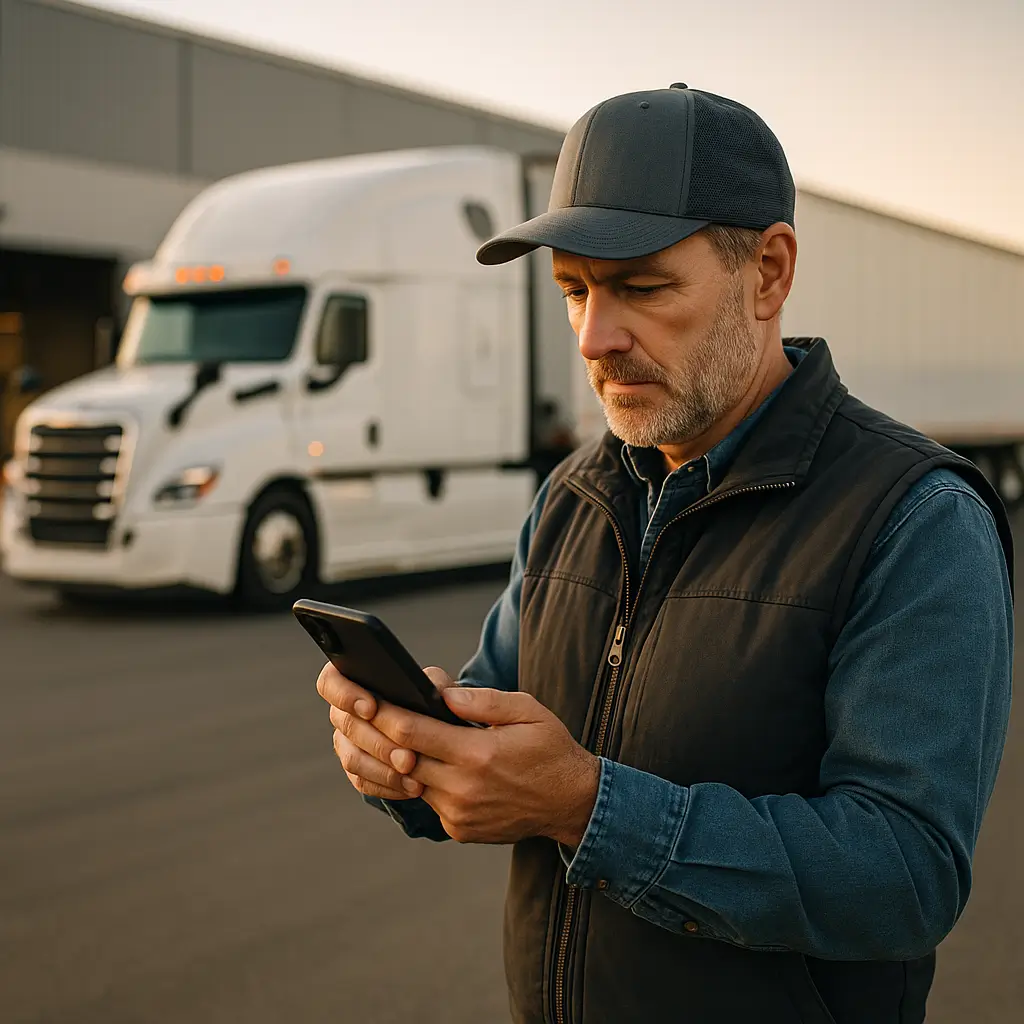

Get auto insurance quotes for delivery drivers in 2026—endorsement vs commercial auto/commercial truck insurance, platform gaps, and savings moves. Compare fast today.
Auto insurance quotes for delivery drivers only work if the policy is rated for delivery use, because many personal auto policies include “business use” exclusions that can limit or deny coverage when you’re driving for pay. Most delivery drivers need either a personal policy that explicitly allows delivery (often via a delivery/rideshare endorsement) or a commercial auto policy for high-mileage, full-time, or multi-driver setups.
If you want a clear starting point on what “business use” coverage means (and why personal vs commercial matters), read these what “business use” coverage means before you shop.
Table of Contents
Reading time: 8 minutes
- Introduction: denied claims cost more than premiums
- Key takeaways (save this before you shop)
- Do delivery drivers need special auto insurance?
- The 5 insurance quote options for delivery drivers
- 2026 costs, platform gaps, and how to lower quotes
- Next step: get delivery-safe quotes
- Frequently Asked Questions

Introduction: The fastest way to lose a week’s income is one denied claim
A single at-fault crash can trigger vehicle downtime, lost wages, and a coverage dispute if your policy was priced as “personal use” but you were delivering for pay at the time of loss.
If you’re running DoorDash, Uber Eats, Instacart, Amazon Flex, pizza delivery, or any other route, you’re not just “driving”—you’re operating a small business on wheels. One crash at the wrong time can turn into missed work, a repair bill, and the worst part: finding out your policy doesn’t cover what you were doing.
What type of insurance do delivery drivers need? (quick answer)
Most delivery drivers need either (1) a personal auto policy that explicitly allows delivery (often with a delivery/rideshare endorsement) or (2) a commercial auto policy if they drive high miles, work full-time, or run multiple drivers. A personal-only policy can exclude “business use,” which can lead to claim denial.
Key takeaways (save this before you shop quotes)
A delivery driver quote is only comparable when the same liability limits (for example, 100/300/100) and the same deductibles (for example, $500 comprehensive and $1,000 collision) are matched across carriers.
- Disclose delivery use up front: The cheapest quote is useless if it’s priced as “personal only.”
- Most drivers fit one of two paths: personal + delivery endorsement (often best value) or commercial auto (cleaner for high miles/full-time).
- Platform coverage isn’t a full policy: It can be conditional and may not protect your vehicle like your own collision/comp.
- Quote apples-to-apples: same limits, same deductibles, same drivers/vehicle info—or you’ll pick the wrong “cheap” option.
For a supplemental explanation of how liability limits affect protection and price, see What Insurance Limit Do You Really Need?.
Do delivery drivers need special auto insurance?
Delivery driving is commonly rated as “business use” or “delivery for a fee,” so you typically need (1) a personal policy that allows delivery, (2) a delivery/rideshare endorsement, or (3) a commercial auto policy to avoid coverage gaps.
What it is (plain English)
“Special insurance” usually means your insurer has to price (rate) your policy for delivery driving—either by allowing delivery on your personal policy, adding an endorsement, or writing a commercial policy.
Why it’s essential (real-world risk)
Many personal auto policies aren’t priced to cover delivery-for-pay use, and that mismatch can show up after a crash as delays, disputes, non-renewals, or a denied claim.
If you want the mechanics behind that risk (and how to avoid it), read this breakdown of business-use coverage gaps scenarios.
For a neutral overview of how exclusions and coverages work, NAIC’s consumer guide is a solid reference: https://content.naic.org/consumer/auto-insurance
Who needs it
- App-based gig drivers: Anyone delivering consistently each week (even if it’s “part-time”).
- W-2 delivery drivers using their own car: You still need to know what your employer covers vs what your personal policy covers.
- Financed/leased vehicles: Lenders commonly require comprehensive and collision, and delivery use still has to be allowed.
Pro tip (to keep your income stable)
Don’t just say “I do gig work.” Tell the agent which apps, estimated hours/week, annual miles, and whether you carry food/packages. Specific info gets you correctly rated coverage and fewer surprises.
The 5 insurance quote options for delivery drivers (quick decision table)
Most delivery drivers fit one of 5 workable setups: personal auto that allows delivery, personal auto plus endorsement, commercial auto, employer commercial coverage, or platform coverage layered on top of your own policy.
Option 1: Personal policy that explicitly allows delivery
What it is: A standard personal auto policy rated to allow delivery driving.
Why it’s essential: It keeps you in personal-auto pricing if the carrier truly accepts delivery use.
Who needs it: Very part-time drivers, lower miles, limited radius.
Option 2: Personal policy + delivery/rideshare endorsement
What it is: An add-on that modifies a personal policy to cover certain delivery/rideshare periods or uses.
Why it’s essential: It’s often the best cost/coverage balance for gig drivers, but endorsements vary a lot by carrier and state.
Who needs it: Many part-time to moderate full-time app drivers.
If you want the endorsement choice explained in normal language (and what to ask so you don’t buy the wrong one), use this guide: delivery/rideshare endorsement guide.
Option 3: Commercial auto policy (true business policy)
What it is: A policy written for business use from the start.
Why it’s essential: It’s a cleaner fit for high miles, full-time work, or multiple drivers sharing the same work vehicle.
Who needs it: Full-time drivers, high annual mileage, multi-driver households using the same vehicle for work.
Option 4: Employer-provided commercial coverage (W-2 delivery)
What it is: Some employers carry commercial auto that may cover liability while you’re working.
Why it’s essential: It may help on-shift, but it rarely replaces your personal policy off-shift, and it often doesn’t cover damage to your car.
Who needs it: W-2 drivers using their own vehicle—especially if the employer requires proof of insurance.
- Ask HR/manager: Is my vehicle “scheduled” or is this “non-owned auto” coverage?
- Ask HR/manager: What are the liability limits?
- Ask HR/manager: Does it cover physical damage to my car (often no)?
Option 5: Platform-provided coverage (secondary/limited) + your policy
What it is: Some platforms provide limited protection in certain situations—but it isn’t a full personal auto policy.
Why it’s essential: It’s a backstop, not a plan, and you still need your own policy set up correctly.
Decision table (use this to shop quotes)
| Option | Best for | Pros | Cons | Typical cost impact | What to ask the insurer |
|---|---|---|---|---|---|
| Personal policy allows delivery | Occasional side gig | Often cheapest if allowed | Not widely available; easy to misunderstand | Low–moderate | “Is delivery-for-pay allowed? In writing?” |
| Personal + endorsement | Most gig drivers | Strong value; tailored to gig use | Endorsements vary; can be period-limited | Moderate | “Does this endorsement cover delivery (not just rideshare)?” |
| Commercial auto | Full-time/high-mile | Clean business-use fit | Usually higher premium | Moderate–high | “Any exclusions for app-based delivery?” |
| Employer commercial (W-2) | W-2 using own car | May help on-shift liability | Gaps off-shift; may not fix your personal policy | Varies | “What does your policy cover vs mine?” |
| Platform coverage | App drivers | Can add protection in specific periods | Not comprehensive; rules change | N/A | “When is it primary vs secondary?” |
Fast recommendation: If you’re delivering most days and stacking miles, quote endorsement vs commercial auto side-by-side. Don’t guess—let real quotes decide.
2026 costs, platform gaps, and how to lower your delivery driver quotes
In 2026, delivery driver premiums are most sensitive to garaging ZIP, annual miles (for example, 10,000 vs 25,000 miles/year), and the limits/deductibles you choose.
Monthly cost ranges (use ranges, not fairy-tale averages)
Pricing changes fast and varies by state, ZIP, record, and vehicle, so it’s better to think in structures than fake national “averages.”
- Delivery/rideshare endorsement add-on: often a monthly add-on on top of personal auto pricing (commonly “tens of dollars” per month, sometimes more depending on state/carrier/driver profile).
- Commercial auto: often materially higher, especially with high annual miles, prior accidents, or dense metro ZIP codes.
What changes your quote the most
- Garaging ZIP: traffic density, theft, claim frequency
- Annual miles: delivery miles add up fast
- Vehicle: repair costs, safety tech, theft likelihood
- Driving record and claims history: tickets, accidents, prior payouts
- Coverage limits and deductibles: higher protection usually costs more
- Credit-based insurance scoring: allowed in many states, restricted/limited in others
2026 platform coverage reality check (DoorDash, Uber Eats, Instacart, Flex)
Platform coverage terms can change and are often tied to “app status” periods, so you should verify the current wording directly with the platform before relying on it for a coverage decision.
- DoorDash: Start with their official help documentation and confirm what applies to you: https://help.doordash.com/dashers/s/article/Occupational-Accident-Policy-FAQ
Practical move: If something happens, document whether you were actively on a delivery and keep screenshots/time stamps. - Uber / Uber Eats: Uber explains coverage at a high level by “app status/period” here: https://www.uber.com/us/en/drive/insurance/
Practical move: Make sure your endorsement (if you buy one) matches how your insurer defines on-app activity.
Bottom line: Even when platform coverage exists, it may have conditions, higher deductibles, or may not cover your car the way collision/comp on your own policy does.
Quote checklist (copy/paste this into your notes before you call)
Accurate delivery driver insurance quotes come from removing ambiguity, not from rushing through a quote form.
- Disclose delivery driving (apps/employer, hours/week, radius, miles).
- Pick your quote path:
- Quote a personal policy with delivery allowed or a delivery endorsement.
- Also quote commercial auto if you’re high-mile or full-time.
- Quote two protection levels with the same carrier and the same info:
- Budget limits/deductibles
- Better protection (higher liability limits, lower deductible if you can afford it)
- Ask these exact questions:
- “Is delivery-for-pay covered? Any excluded periods?”
- “What’s the endorsement name, and does it appear on the declarations page?”
- “Do I have rental reimbursement? If my car is in the shop, I can’t earn.”
- Save proof: declarations page + endorsement page PDF.
To keep comparisons honest (and avoid buying a “cheap” policy that’s just lower limits), use this checklist on compare quotes apples-to-apples.
When you outgrow gig delivery: commercial truck insurance, trucking insurance, hotshot insurance, semi truck insurance
Moving from a personal car into larger equipment can shift you into commercial vehicle classes and underwriting rules, especially when you start hauling cargo or contracting under a business name.
- Cargo van / Sprinter / box truck courier work: You may be stepping toward commercial truck insurance and broader trucking insurance requirements.
- Pickup + trailer (hotshot-style work): You’re in a different risk class, so hotshot insurance becomes relevant depending on what you haul and how you’re contracted.
- Tractor-trailer freight: That’s semi truck insurance, and the limits and filings can look nothing like gig-delivery auto.
If you’re trying to keep overhead tight while moving up, the goal stays the same: correct coverage, no gaps, and affordable trucking insurance that matches your actual operation (not just the cheapest monthly number).
Next step: Get delivery-safe quotes (without overpaying)
A delivery-safe policy is one where delivery use is disclosed and covered in writing on your declarations or endorsement pages, so your claim handling doesn’t depend on guesswork after a crash.
If you’re ready to shop, start here and work outward:
- Review the broader guide to auto insurance quotes so you know what to adjust (limits, deductibles, add-ons) before you buy.
- If you’re moving into bigger vehicles or freight work, learn how commercial truck insurance explained differs so you don’t buy the wrong policy type.
CTA: Compare delivery driver auto insurance quotes with the same limits and deductibles, verify delivery use is covered in writing, and re-shop at renewal if your miles or apps change.
Frequently Asked Questions
It depends on how much and how often you drive. Many insurers will rate a personal policy for delivery if you add an endorsement, but full-time or high-mileage drivers are usually better served by commercial auto. The only way to know for sure is to ask your insurer directly whether delivery-for-pay is covered and get it confirmed in writing.
Yes, in most cases you need your policy explicitly set up for delivery-for-pay because many personal auto policies won’t cover business use unless the insurer allows it or you add a delivery/rideshare endorsement. As a practical underwriting rule, if you’re driving delivery several days per week or pushing high annual mileage (often 20,000+ miles/year), you should quote both a delivery endorsement and commercial auto. The safest move is to disclose the apps you use, your hours/week, and your estimated annual miles, then ask for written confirmation on the declarations page or endorsement page that delivery is covered.
Yes. There is no universal minimum-hours exception—what matters to insurers is whether you are driving for pay at all, not how often. Even occasional delivery work should be disclosed so coverage is not in question if something happens during one of those shifts.
Delivery driver insurance cost per month depends on your garaging ZIP, annual miles, vehicle, driving record, and whether you choose a delivery endorsement or a commercial auto policy. Many endorsements price as a monthly add-on to a personal policy (often “tens of dollars” more per month), while commercial auto is typically higher because it’s written for business use from the start. To get a real number for your situation, run two scenarios with the same carrier: one at part-time miles (for example, 10,000/year) and one at delivery-heavy miles (for example, 25,000/year), with identical limits and deductibles.
Generally, no. Standard auto liability and collision coverage protect the vehicle and other people, not the cargo inside it. If you’re carrying higher-value packages regularly, ask about cargo coverage options separately from your auto policy.
A rideshare/delivery endorsement is an add-on that modifies a personal auto policy to cover certain app-driving uses, while commercial auto is a business policy written for business use from day one. Endorsements can be limited by state, carrier, and “app period” definitions, so you must confirm it covers delivery (not just rideshare) and that it appears on the declarations page. Commercial auto is often clearer for full-time use, high miles, or multiple drivers, but it can cost more. If you’re unsure, quote both options at the same liability limits (for example, 100/300/100) so the comparison is fair.
Often, yes. Insurers can identify gig-driving patterns through claims investigations, telematics data, or even your own statements after an accident. Non-disclosure does not just risk a denied claim; it can also lead to a canceled policy. Disclosing delivery use upfront is the safer and usually cheaper path long-term.
If you get in an accident while delivering, prioritize safety first, then document and report like a business owner because app status and timing can matter in a claim. Take photos of all vehicles and the scene, collect witness names/numbers, and capture screenshots showing whether you were on an active delivery (with timestamps). Report the facts to your insurer promptly and follow the platform’s reporting steps if you were on-app. For a step-by-step playbook you can follow under stress, use what to do after an accident.
Conclusion: Get quotes that won’t fall apart when you need them
The goal isn’t the cheapest premium—it’s a policy that’s correctly rated for delivery use and proven in writing on your declarations/endorsement pages. Quote endorsement vs commercial auto side-by-side, keep limits/deductibles identical, and verify delivery coverage before you pay.
Key Takeaways:
- Disclose delivery driving (apps, hours/week, miles/year) so the quote matches reality.
- Compare quotes apples-to-apples with the same limits and deductibles.
- Save proof (declarations + endorsement PDF) so claims don’t turn into arguments.
If your work changes—new apps, more miles, different vehicle—re-shop at renewal and update your insurer immediately.





