
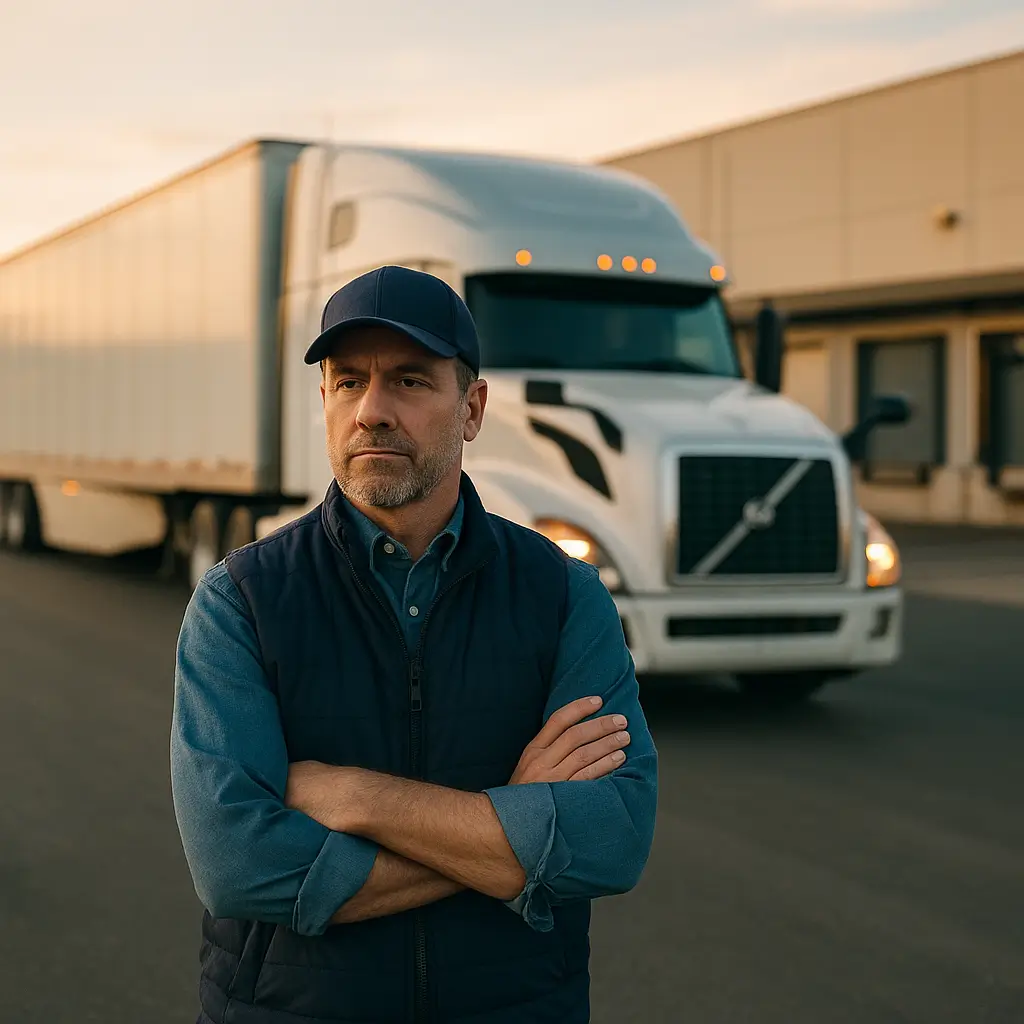

Learn 7 key Alabama commercial insurance policies, 2026 cost factors, coverage needs, COI basics, and practical tips for comparing business quotes.
Commercial insurance in Alabama isn’t a one-size-fits-all checklist—what you “need” depends on employees, vehicles, licensing, and (most of the time) your contracts. If you’re trying to avoid a job delay, a surprise claim denial, or a compliance problem, the goal is simple: buy the right stack, at the right limits, with clean paperwork.
This guide breaks down what’s required by law vs. what’s required by landlords, lenders, and customers, plus typical 2026 price ranges and a step-by-step COI process. If you want a quick foundation first, start with business insurance basics for owners who want the big picture.
Quick answer: In Alabama, “required” commercial insurance depends on your business. If you have employees, workers’ compensation may be required. If you use vehicles for work, you generally need commercial auto coverage. Some regulated industries (like motor vehicle dealers) have state insurance requirements tied to licensing. Many other “requirements” come from leases, lenders, and customer contracts.
Hero image suggestion: Alabama small business owner reviewing commercial insurance paperwork.
Key takeaways for commercial insurance in Alabama
Alabama commercial insurance decisions are usually driven by employees, vehicles, and contract limits—not by a single statewide “minimum coverage” rule for every business.
- Legal requirements vary by business type: Employees, vehicles, and licensing drive what Alabama expects.
- Most “must-have” coverage is contract-driven: Landlords, GCs, brokers, and lenders usually set the real limits.
- Bundling can cut cost: A BOP is often cheaper—until your class or risk profile doesn’t fit.
- Fast COIs win jobs: Limits, endorsements, and correct COI wording prevent payment delays.

Table of Contents
Reading time: 8 minutes
- What commercial insurance is required in Alabama? (Law vs. contract)
- The 7 commercial insurance policies Alabama businesses buy most
- How much does commercial insurance cost in Alabama? (2026 cost matrix)
- Bundling in Alabama: when a BOP is cheaper (and when it isn’t)
- How to get commercial insurance in Alabama (step-by-step) + COI process
- Frequently Asked Questions
What commercial insurance is required in Alabama? (What’s law vs. what’s contract)
Alabama’s official workers’ compensation guidance is published by the Alabama Department of Labor at https://labor.alabama.gov/wc/, and it’s the best starting point for understanding state-level rules and exemptions.
Here’s the practical reality: most small business owners feel “required” pressure from contracts (leases, customer agreements, lender requirements) even when the state doesn’t mandate a specific policy for their exact situation.
Workers’ compensation: when it’s required (and why it matters even when you’re exempt)
Workers’ compensation coverage pays for employee injury costs (medical care and lost wages) and typically includes employer’s liability protection, which is why job sites and larger customers often require proof even when you think you’re “too small.”
One workplace injury can create long medical timelines, missed work, and legal costs—so this isn’t just a compliance line item; it’s cash-flow protection.
- Source of truth: Verify requirements and exemptions using Alabama Department of Labor guidance: https://labor.alabama.gov/wc/
- Audit reality: Payroll, class codes, and job duties have to match what’s actually happening in the field.
For the deep dive (including audits and common mistakes), see workers’ compensation insurance explained (rules, costs, audit basics).
Commercial auto + regulated examples (dealers are a good reminder)
Alabama businesses that use vehicles for work typically need commercial auto coverage that matches the vehicle’s ownership and use, and regulated industries can have licensing-linked insurance rules published by Alabama state agencies.
A clear example: Alabama motor vehicle dealers have insurance requirements tied to licensing and compliance—see the Alabama Department of Revenue’s official FAQ at https://www.revenue.alabama.gov/faqs/what-are-the-insurance-requirements/.
Bottom line: Treat “required” as a mix of (1) state/federal compliance and (2) contract management, because your contract limits are often higher than the bare minimum.
The 7 commercial insurance policies Alabama businesses buy most (and why)
The seven policies below are the most common building blocks for Alabama businesses because they address the highest-frequency claim types: third-party injury, property losses, vehicle accidents, employee injuries, professional errors, and cyber events.
Not every business needs all seven, but most businesses end up with a “stack” that looks similar—then they tweak limits and endorsements to match leases and customer contracts.
1) General liability (GL)
General liability insurance is designed to cover third-party bodily injury and property damage claims, and many policies also include products-completed operations coverage for work that causes damage after you’re finished.
This is the policy behind the classic “customer slips,” “you damaged a client’s property,” or “your completed work caused damage later” claim.
- Who needs it: Almost everyone, especially contractors and businesses with foot traffic.
- Contract trigger: Customers often require additional insured wording and specific endorsements on the COI.
If you want the coverage breakdown and common limit structures, review general liability insurance coverage (slip-and-fall, products-completed ops).
Prefer a quick visual explanation? This LogRock video breaks down how general liability differs from auto liability, a distinction that trips up many business owners.
2) Business property insurance
Business property insurance covers your building (if owned) and/or business personal property (tools, inventory, furniture, equipment) after a covered loss such as fire or theft.
If a covered loss wipes out your space or inventory, you can’t generate revenue while you “figure it out,” and that downtime is often the real killer.
- Who needs it: Retail, restaurants, offices with expensive contents, contractors with stored tools/materials.
- Watch this: Replacement cost vs. actual cash value (ACV) can change claim payouts dramatically.
3) Business interruption (BI)
Business interruption insurance is income coverage that can help replace lost revenue when a covered property claim forces you to suspend operations.
Your bills don’t stop when your location is down, so BI is often what keeps payroll, rent, and loan payments from turning into a crisis.
- Who needs it: Storefronts, shops, restaurants, light manufacturing, and location-dependent services.
- Claim readiness: Carriers typically want documentation (sales records, payroll, rent/loan statements).
4) Commercial auto (including hired & non-owned auto)
Commercial auto insurance covers liability (and optional physical damage) for vehicles used in business, and hired/non-owned auto (HNOA) can help when employees use personal vehicles for work errands.
Personal auto policies often exclude or restrict business use, and that’s where businesses get blindsided after a crash.
- Who needs it: Deliveries, job-site driving, sales routes, hauling tools/materials, service fleets.
- Pricing drivers: MVRs, radius, vehicle type, garaging/parking, and loss history.
5) Workers’ compensation
Workers’ compensation pays medical costs and wage replacement for injured employees and is governed by state-specific rules and exemptions published by the Alabama Department of Labor.
Even when you’re exempt, many general contractors and larger customers still require proof before you can step on-site.
- Compliance check: Confirm details at https://labor.alabama.gov/wc/
- Subcontractor risk: Uninsured subs can become your workers’ comp problem if you don’t track certificates.
6) Professional liability (E&O)
Professional liability (errors and omissions) insurance covers claims that your professional service, advice, or failure to perform caused a financial loss, which general liability usually does not cover.
If you deliver designs, advice, specs, admin services, or technical work, E&O is often the policy that responds when the allegation is “your work product caused my financial damage.”
- Who needs it: Consultants, designers, tech/service providers, and real estate-adjacent services.
- Claims-made detail: Retro dates and continuous coverage matter.
7) Cyber liability
Cyber liability insurance can help pay for breach response, ransomware events, notification costs, and certain cyber-related business interruption losses after a covered incident.
Small businesses get hit because they’re easier targets, and one phishing click can lead to real downtime and real invoices from IT and legal vendors.
- Who needs it: Anyone taking payments, storing customer data, or using email for invoicing.
- Cost control: MFA, backups, and basic training can reduce both risk and premium.
How much does commercial insurance cost in Alabama? (2026 cost matrix + what moves the number)
The National Association of Insurance Commissioners (NAIC) publishes consumer-facing guidance on how insurance works across lines at https://content.naic.org/, and it’s a solid reference for how insurers think about underwriting and pricing.
There’s no universal rate card for Alabama business insurance because your premium is basically a price on your risk: class code, limits, payroll and revenue, vehicles, claims history, and location all matter.
Image suggestion: Cost matrix of common commercial insurance policies in Alabama.
| Policy | Typical starting range (small business) | What drives it up fast |
|---|---|---|
| General liability | ~$35–$150/month | High-hazard work, subcontracting, large revenue, prior claims |
| BOP (GL + property, often BI) | ~$60–$250/month | Higher property values, older buildings, certain classes, claims |
| Workers’ comp | Varies (priced on payroll + class code) | Heavy labor classes, claims, misclassification, poor documentation |
| Commercial auto | ~$125–$600+/vehicle/month | Radius, driver history, vehicle type, heavy use, losses |
| Professional liability (E&O) | ~$50–$250/month | Higher limits, regulated work, contractual risk, claims-made history |
| Cyber | ~$30–$200/month | Weak controls, high transaction volume, sensitive data |
A quick reality check on trucking and delivery pricing
Commercial truck insurance pricing is often higher than “regular” commercial auto because claim severity tends to be higher, and underwriting is driven by factors like radius, lanes, equipment type, driver experience, and required filings.
If you’re hearing terms like semi truck insurance or hotshot insurance, expect bigger swings between quotes—and expect your driver list and loss runs to matter.
Bundling in Alabama: when a BOP is cheaper (and when it isn’t)
A Business Owners Policy (BOP) commonly bundles general liability and property insurance, and it often includes business interruption options and add-ons like equipment breakdown depending on the carrier form.
For many small-to-mid Alabama businesses, a BOP is the cleanest way to cover the basics without paying à la carte pricing on each line.
When a BOP is usually a good fit
A BOP is often best for moderate-risk businesses with a single location, like offices, retail, and many light service operations.
- Typical win: Fewer gaps between policies, simpler renewals, and a predictable baseline premium.
- Typical add-on: Business interruption built into the package or offered as an easy endorsement.
When a BOP may not be cheaper
High-hazard classes, heavy contracting exposure, unusual operations, or complex property values can price better with separate monoline policies.
If you want a bundling checklist you can use while shopping, see business owners policy (BOP) bundling guide.
How to get commercial insurance in Alabama (step-by-step) + COI process
Most commercial insurance delays happen because underwriters need the same core data every time—entity details, operations, payroll/revenue, claims history, and contract requirements—before they can finalize terms and issue certificates.
Image suggestion: Checklist for getting a commercial insurance quote in Alabama.
Step 1: Gather underwriting info (your “fast quote” packet)
Having the details below ready can cut days off your timeline, especially when you need a COI to start work or get paid.
- Business profile: Entity type, years in business, detailed operations description
- Money numbers: Revenue and payroll estimates (plus subcontractor usage)
- Prior coverage: Current/previous policies and claims history (loss runs if available)
- Vehicles/drivers: VINs, garaging address, operating radius, driver list and MVR expectations
- Contract demands: Required limits, endorsements, and exact COI wording
Pro tip: For commercial auto and trucking, one unacceptable MVR can change pricing fast—this is where “affordable trucking insurance” expectations often break.
Want to see how to make your quote packet work harder? Watch this LogRock video on getting the best quote.
Step 2: Choose limits based on contracts (not minimums)
Contracts typically drive higher limits than what an owner would buy by default, and missing an endorsement can be treated like “no coverage” by the party requesting the certificate.
- Landlords: Often require GL limits and property provisions tied to the lease
- Customers/GCs: Often require additional insured status and specific endorsement language
- Brokers/shippers: May require auto liability limits above your baseline
Step 3: Bind coverage and issue a Certificate of Insurance (COI)
A Certificate of Insurance (COI) is proof of coverage on the date issued, but it is not the policy contract, so the wording and endorsements must match what your customer is demanding.
For the step-by-step and common COI pitfalls (additional insured, waivers, and wording), use Certificate of Insurance (COI) walkthrough (additional insured, waivers, wording).
Need to send proof of coverage quickly? This LogRock video shows how to send your own certificates of insurance.
Alabama trucking and hotshot note (intrastate vs. interstate)
FMCSA publishes federal insurance filing requirements for interstate motor carriers at https://www.fmcsa.dot.gov/registration/insurance-filing-requirements, and it’s the right place to confirm what applies to your authority and operation.
If you’re Alabama-based but run interstate, federal minimums and filings can apply on top of any private contract limits, so don’t quote trucking exposure like basic local business auto.
Frequently Asked Questions
Commercial insurance requirements in Alabama depend on your operations, and the two biggest triggers are employees (workers’ compensation rules) and business vehicle use (commercial auto needs), plus any licensing-based requirements for regulated industries.
For workers’ comp, confirm your specific rule and any exemptions using Alabama Department of Labor guidance. For regulated examples, Alabama motor vehicle dealers have licensing-linked insurance requirements published by the Alabama Department of Revenue. On top of law, many “requirements” come from leases, lenders, and customer contracts that set higher limits and require endorsements.
Commercial insurance cost in Alabama is driven by your policy stack (GL, property/BOP, workers’ comp, auto, E&O, cyber), your limits and deductibles, and your underwriting factors like payroll, revenue, vehicles, and claims history.
As a starting point, many small businesses see general liability around $35–$150/month, a BOP around $60–$250/month, commercial auto around $125–$600+ per vehicle per month, and cyber around $30–$200/month, but high-hazard work and vehicle exposure can move pricing quickly. The best price is the best fit for your contracts and loss scenarios, not the lowest monthly payment.
Workers’ compensation is often required in Alabama when you have employees, and the official rules and exemptions should be verified using the Alabama Department of Labor’s workers’ comp resources.
Even when a business believes it’s exempt, many larger customers, general contractors, and job sites still require proof of workers’ comp (or an alternate arrangement) before allowing work to start. If you use subcontractors, keep certificates on file and keep payroll and job duties accurate, because audits and misclassification disputes are where “cheap” premiums become expensive.
Alabama commercial auto needs depend on the vehicle and use, and interstate motor carriers may also be subject to federal FMCSA insurance filing rules, including minimum public liability requirements such as $750,000 for many for-hire interstate carriers hauling non-hazardous property (49 CFR 387.9).
Beyond legal rules, contracts often demand higher limits and specific endorsements, so “meeting the minimum” may still fail a broker, shipper, or GC requirement. If you haul for hire, this quickly becomes trucking-specific coverage (cargo, physical damage, bobtail/non-trucking, and filings), so start with trucking insurance overview (filings, cargo, bobtail, physical damage).
A COI is proof of coverage rather than a legal requirement in itself, and the requirement usually comes from your lease, lender, or customer contract. In practice, landlords, general contractors, brokers, and larger customers typically ask for one before you start work, sign a lease, or get paid.
Get the exact limits and endorsement wording (like additional insured status) in writing before you request your certificate, because a COI that doesn’t match the contract can be rejected and delay payment.
Usually no. A Business Owners Policy bundles general liability and property coverage (and often business interruption), but vehicles used for work are typically handled by a separate commercial auto policy.
If employees sometimes drive their own cars for work errands, ask about hired and non-owned auto (HNOA) coverage, and if you haul freight for hire, expect trucking-specific coverage instead of a standard business auto policy.
Often not. Personal auto policies commonly exclude or restrict business use, especially when you carry tools, materials, or customer goods, make deliveries, or have employees driving for you.
Before relying on a personal policy, ask your carrier or broker how your specific use is treated, because a denied claim after a crash can cost far more than the premium difference for commercial auto.
General liability responds to third-party bodily injury and property damage claims, like a customer slipping in your shop or your work damaging a client’s property. Professional liability (errors and omissions) responds when a client says your advice, service, or failure to perform caused them a financial loss.
If you deliver advice, designs, specs, or technical services, you’ll often want both, since general liability usually doesn’t cover financial losses caused by professional mistakes.
Conclusion: Build the right Alabama insurance stack (then keep it contract-clean)
Commercial insurance in Alabama isn’t about buying everything—it’s about buying the right stack for your employees, vehicles, and contracts, then keeping your COIs and endorsements accurate so you can work and get paid.
If you’re quoting now, focus on underwriting-ready info, contract-based limits, and the policies that actually respond to your biggest loss scenarios.
Related reading (use these before you buy)
- How to compare commercial insurance quotes (checklist + pitfalls)
- Commercial auto insurance deep dive (HNOA, fleets, endorsements)
Key Takeaways:
- Use Alabama DOL guidance for workers’ comp rules and exemptions, and treat contracts as “real-world requirements.”
- Match limits and endorsements to your lease and customer wording before you request a COI.
- Expect commercial auto and trucking exposures to be the biggest swing factor in total premium.
If you bring your contract requirements and vehicle/driver list upfront, your quotes get faster and your coverage gets cleaner.
If you’re trying to figure out which commercial insurance your Alabama business actually needs—and what your contracts require on the COI—LogRock can help you review your operation, coverage needs, and available options. Talk to our team to ask questions, identify possible gaps, and request a quote based on your business.





