Food van insurance made simple: 7 must-have coverages, 2026 cost ranges, and event COI/additional insured tips—plus equipment coverage. Compare quotes fast.
Food van insurance usually isn’t one “magic policy”—it’s a bundle of coverages that protects your van, your customers, and your mobile kitchen equipment. For most events, you’ll need general liability + product liability, commercial auto, and equipment coverage, plus a Certificate of Insurance (COI) naming the venue as Additional Insured; if you have employees, add workers’ comp.
Running a food van is a cash-flow business. One fender-bender, one slip-and-fall, or one “you’re not on the COI” email from an organizer can wipe out your best weekend. Start with the commercial auto foundation, then build your “insurance program” around how you actually operate. If you want a plain-English baseline, read Commercial auto insurance basics for business vehicles.
Table of Contents
Reading time: 9 minutes
Key Takeaways
Food van insurance programs commonly combine 3–7 coverages, with commercial auto, general/product liability, and equipment coverage forming the core for most operators.
- Most “food van insurance” is a program: commercial auto + liability + equipment (and workers’ comp if you hire).
- Events don’t care what you call it—they want the COI: correct limits, Additional Insured, and sometimes special wording.
- Equipment coverage (inland marine) is the common gap: property insurance often doesn’t follow gear in transit or off-premises.
- Cost is driven by operations: cooking methods (fryer/propane), mileage/radius, claims, payroll, and where the van is stored overnight.
What counts as food van insurance (and why it’s not the same as personal auto)
Food van insurance is commercial coverage for a vehicle that operates as a business vehicle + mobile kitchen + public-facing storefront, which creates auto, liability, and property claims that personal policies typically exclude.
If you want a quick “how policies fit together” primer, read Small business insurance basics (how policies fit together).
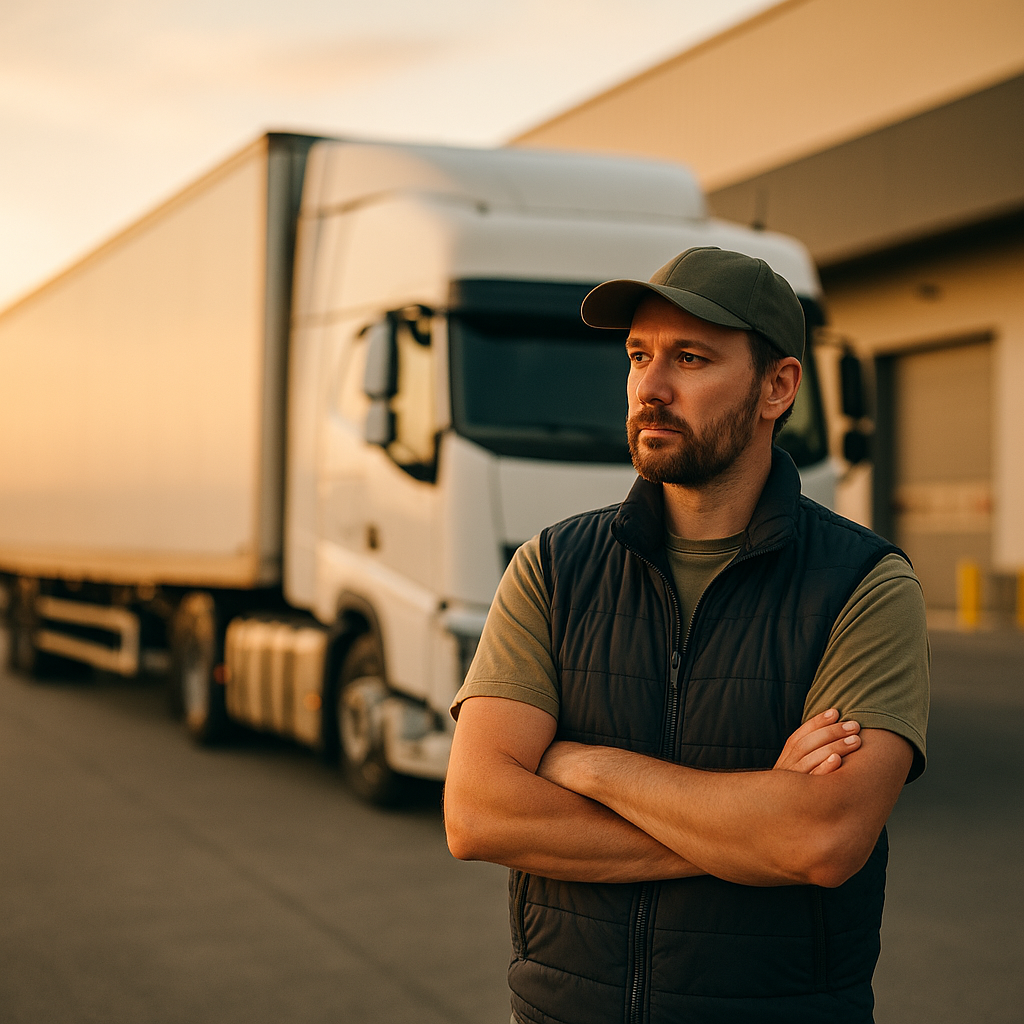
Image idea: Food van parked at a market; owner holding a certificate of insurance clipboard.
Alt text: Mobile food van owner reviewing insurance documents and event requirements
Food van vs. food truck vs. catering van vs. trailer
Food vendors are often rated differently based on the vehicle type, cooking setup, and how “mobile” the equipment is, and that can change underwriting, pricing, and claim handling.
- Food van: Often a cargo van/step van converted for prep or cooking.
- Food truck: Heavier buildout; more permanently installed cooking equipment.
- Catering van: Often delivery-focused (drop-offs, corporate meals, off-site service).
- Trailer: Vehicle exposure is split between the trailer and the tow vehicle.
Pro tip: Write your “operating reality” in one paragraph (where you park, how often you drive, what you cook with, where you store equipment). That paragraph prevents misclassification—one of the most common causes of claim headaches.
Why personal auto (and homeowners) usually won’t save you
Most personal auto policies are written for personal use, and many exclude business use like vending, deliveries, or transporting equipment for revenue.
Pro tip: If you’re trying to stay lean, focus on the right minimums and correct usage (vending vs delivery vs mixed use). “Cheap” paperwork doesn’t help if the claim gets denied.
The 7 core coverages most food vans need (required vs. recommended)
The seven coverages below are the most common building blocks for food van operators, and what’s “required” usually comes from a mix of state law (auto and workers’ comp), venue contracts (COIs/Additional Insured), and landlords/clients (limits and special wording).
For a neutral, consumer-friendly explanation of insurance basics and limits, the NAIC’s consumer resources are a reliable starting point: https://content.naic.org/consumer. For the slip-and-fall foundation most venues care about, read General liability insurance explained (slip-and-fall / third-party claims).
Image idea: Simple chart listing coverages, what they protect, and who may require them.
Alt text: Table of 7 essential food van insurance coverages
1) Commercial auto (liability + physical damage)
Commercial auto covers bodily injury and property damage you cause while driving/parking, and it can include physical damage (comprehensive/collision) for your van.
- Why it matters: If you’re on the road, one crash can become a six-figure claim fast.
- Who needs it: Every food van operator using the van for revenue.
- Pro tip: If anyone besides you drives—even “just to pick up supplies”—disclose it. Unlisted driver problems are a classic claim dispute.
2) General liability (GL)
General liability covers third-party injury/property damage that isn’t caused by driving, such as a customer slipping near your serving window.
- Why it matters: Events, breweries, and private lots commonly require GL.
- Who needs it: Anyone serving the public.
- Pro tip: Ask how fast they issue COIs and handle Additional Insured requests—24–48 hour deadlines are common.
3) Product liability
Product liability addresses claims tied to what you sell, including alleged food-borne illness or allergen exposure.
- Why it matters: Allegations happen even with “simple food,” and defense costs alone can hurt.
- Who needs it: Any operator selling consumables (hot-cook, prep-only, or packaged items).
- Pro tip: Tight allergen labeling and consistent ingredient documentation is risk control that can pay off over time.
4) Equipment coverage (inland marine) for your mobile kitchen
Inland marine / equipment coverage is designed for tools and gear that move, which makes it a common fit for generators, POS systems, tents, signage, warmers, and removable cooking gear.
- Why it matters: Many property policies are tied to a fixed location and don’t automatically follow equipment at events or in transit.
- Who needs it: Operators with meaningful gear value beyond the van itself.
- Pro tip: Photograph equipment and record serial numbers; proof of ownership speeds up claims.
5) Business property (commissary/storage) + spoilage (if applicable)
Business property coverage protects your contents at a scheduled location (commissary, storage, prep space), and spoilage coverage may apply to refrigerated inventory losses when available.
- Why it matters: Many operators store inventory and equipment off-van.
- Who needs it: Anyone renting commissary space or keeping inventory away from the van.
- Pro tip: Disclose all storage locations (commissary, storage unit, home). Undisclosed locations can create gaps.
6) Workers’ comp (if you have employees)
Workers’ compensation provides medical and wage benefits for employee work injuries, and requirements vary by state and employee count.
Food operations involve heat, knives, slips, and repetitive motion. For reputable injury/illness context, the BLS pages are a solid reference: https://www.bls.gov/iif/.
- Who needs it: Operators with employees (including part-time), depending on state rules.
- Pro tip: Payroll estimates and class codes drive cost; inaccurate payroll often triggers surprise audits.
7) Umbrella / excess liability
Umbrella liability adds extra limits above underlying policies (often GL and auto) and is commonly purchased in $1M increments.
- Why it matters: High-foot-traffic festivals and corporate catering can generate bigger claims than base limits.
- Who needs it: Frequent event vendors, higher-revenue operators, corporate caterers.
- Pro tip: Umbrella is often one of the best “sleep at night” buys once you’re consistently booked.
Coverage checklist (fast scan)
| Coverage | What it protects | Often required by | Typical limit range (common requests) | Common gotchas |
|---|---|---|---|---|
| Commercial auto liability | Accidents while driving/parking | State law, some venues | Varies by state/contract | Unlisted drivers, wrong use (delivery vs vending) |
| Physical damage (comp/collision) | Your van | Lenders/leases | Based on van value | Deductibles too high for your cash flow |
| General liability | Slip-and-fall, property damage | Venues, landlords, clients | Often requested: $1M / $2M | Additional Insured wording delays |
| Product liability | Food/drink-related claims | Venues, clients | Often bundled with GL | Allergen handling + documentation |
| Equipment (inland marine) | Gear in transit/off-premises | Not “required,” but crucial | Based on equipment schedule/value | Theft-from-vehicle conditions |
| Workers’ comp | Employee injuries | State law (varies) | Statutory | Misclassified payroll/class codes |
| Umbrella | Extra liability limits | Larger venues/clients | +$1M, +$2M, etc. | Underlying limits must match |
Food van insurance for events: COIs, Additional Insureds, and avoiding last-minute deal-killers
Event organizers commonly require a COI showing $1,000,000 per occurrence general liability (often with $2,000,000 aggregate) and a venue-specific Additional Insured endorsement before you’re allowed to set up.
If you want the mechanics and wording right, use How to get a Certificate of Insurance (COI) + Additional Insured.
Image idea: Diagram showing COI, additional insured, and common endorsements requested by venues.
Alt text: Example certificate of insurance checklist for food van events
What venues typically ask for
Most venues want a COI that matches their contract: correct insured name, correct event location, correct dates, correct limits, and the venue listed as Additional Insured.
- Why it matters: No COI usually means no setup spot—period.
- Who needs it: Festivals, farmers markets, breweries, corporate campuses, HOA events, pop-ups.
- Pro tip: Keep a copy/paste template email with your legal business name, mailing address, event date, venue name/address, and any required wording.
One-day / event-only insurance vs. annual policies
Event-only insurance exists, but frequent vendors often run into gaps when trying to stitch together short-term policies—especially around auto, equipment, and “what happens between events.”
- Best fit: True one-off vendors may consider it; weekly operators usually do better with an annual program.
- Pro tip: If you run markets most weekends, annual coverage is typically cleaner and often cheaper per event.
Multi-location and multi-van: can you cover everything under one policy?
Many insurers can cover multiple vehicles and schedule multiple locations, but you have to disclose where the van sleeps and where inventory/equipment is stored because theft and fire exposure changes by location.
- Who needs it: Operators with a commissary + storage unit + overnight lot, or more than one van.
- Pro tip: For 2+ vehicles, ask whether a small-fleet approach simplifies driver assignments and paperwork.
Food van insurance cost in 2026 + the real pricing drivers (and how to keep it affordable)
In 2026, many food van operators see broad market ranges like $500–$2,400/year for general/product liability and $1,800–$7,200/year for commercial auto, with equipment, workers’ comp, and umbrella adding more based on your setup.
Insurance pricing isn’t random. Underwriters rate what you do, what you drive, and how predictable your operation looks on paper. If you want the “why” behind the numbers, read How insurance premiums are calculated (real pricing drivers).
Image idea: Bar chart showing typical monthly ranges for GL, auto, equipment, and workers’ comp.
Alt text: 2026 food van insurance cost ranges by coverage type
2026 cost ranges (typical market ranges)
These are realistic ranges many small operators see, but your state, claims history, vehicle value, cooking method, and payroll can move you outside them.
| Coverage bucket | Typical monthly range | Typical annual range | Notes |
|---|---|---|---|
| General + product liability | $40–$200 | $500–$2,400 | Venues often care most about this |
| Commercial auto (liability + physical damage) | $150–$600 | $1,800–$7,200 | Step vans, dense cities, and high mileage skew higher |
| Equipment (inland marine) | $25–$150 | $300–$1,800 | Driven by total scheduled gear value |
| Workers’ comp (if applicable) | $50–$500+ | $600–$6,000+ | State + payroll + class codes drive this |
| Umbrella ($1M) | $25–$100 | $300–$1,200 | Often efficient once you’re busy |
Quick example scenarios (so you can self-check)
- Solo operator, prep-only van, weekend markets: lower-end GL + moderate auto + lighter equipment needs.
- Hot-cook van (fryer/propane), frequent events + catering: higher GL/product + higher auto + meaningful equipment schedule.
- Two vans + 3 employees + higher revenue: higher auto + workers’ comp + likely umbrella; ask about multi-vehicle structure.
The 6 biggest drivers that move your premium
- Vehicle value, weight/class, and usage (miles, radius, urban vs rural).
- Cooking risk (open flame, fryer, propane, suppression systems).
- Revenue + event frequency (foot traffic drives liability exposure).
- Claims history (auto and liability losses follow you).
- Payroll/headcount (workers’ comp).
- Overnight storage (secured lot vs street parking).
Regulatory & permit reality check (US)
Food van insurance requirements usually come from three layers: (1) state auto and workers’ comp rules, (2) city/health department permits and safety rules, and (3) contract requirements from venues and corporate clients.
- FMCSA reference: If your operation crosses into certain interstate commercial activity, verify whether USDOT rules apply: https://www.fmcsa.dot.gov/registration/do-i-need-usdot-number.
- State example (Texas): Texas motor carrier insurance requirement info: https://www.txdmv.gov/motor-carriers/insurance-requirements (use as a model, then check your own state’s DOT/DMV).
How to lower premiums (and avoid claim denials)
Lower premiums usually come from fewer surprises and fewer losses, not from under-reporting operations or guessing at classifications.
- Document your equipment: photos, receipts, serial numbers, and a current equipment list.
- Fire safety controls: extinguisher checks, suppression maintenance, hood/filters cleaning schedule.
- Driver controls: consistent drivers, MVR checks, no “buddy drives it sometimes.”
- Secure storage: locked lot when possible, lighting/cameras, GPS tracker.
- Renew early: shop 30–45 days ahead to avoid rushed terms and limited markets.
Related reading: If you also run heavier commercial vehicles, the pricing concepts overlap—see Commercial truck insurance cost guide.
Frequently Asked Questions
Food vans are typically covered by commercial auto plus general liability (often packaged with product liability for food-related claims). Most event contracts also expect proof of liability limits like $1M per occurrence and may require an Additional Insured endorsement for the venue. If you have mobile gear (generators, POS, tents, removable cooking equipment), add equipment/inland marine so coverage follows it off-premises and in transit. If you hire employees, many states require workers’ comp, even for part-time staff.
Food van insurance cost in 2026 often falls into broad bands like $500–$2,400/year for general/product liability and $1,800–$7,200/year for commercial auto, with equipment, workers’ comp, and umbrella priced on top of that. Your premium moves most with cooking risk (fryer/propane/open flame), event frequency and crowd size, mileage and driving radius, the van’s value and class, overnight storage security, payroll (for workers’ comp), and prior claims. To understand why quotes differ, read How insurance premiums are calculated (real pricing drivers).
Most events require food van insurance because organizers commonly demand a COI showing general liability (often $1M per occurrence / $2M aggregate) and frequently require the venue or organizer to be listed as Additional Insured. Even when a city permit doesn’t mandate specific insurance, the event contract usually does, and the organizer can deny setup if the paperwork doesn’t match exactly. If you need the step-by-step process and common wording, use How to get a Certificate of Insurance (COI) + Additional Insured.
There isn’t one universal policy called “food van insurance,” and most operators buy a program of coverages instead. The most common stack is commercial auto (liability and often physical damage), general liability plus product liability, and equipment/inland marine for mobile kitchen gear. If you have employees, add workers’ comp based on your state’s rules, and if you serve large crowds or corporate clients, an umbrella policy in $1M increments is a common next step. The right mix depends on cooking methods, events vs catering, and where equipment is stored.
Many insurers can schedule multiple locations on one insurance program, such as a commissary kitchen, storage unit, and a “home base” or yard where the van stays overnight. Locations matter because they change theft and fire exposure, and that can affect whether property or equipment coverage responds the way you expect. The key is disclosure: list where inventory and equipment actually live, including any off-hours storage. If you operate from a shared commissary, you may also want to look at bundling options like a BOP—see Business Owners Policy (BOP) explained.
In the US, “public liability” usually refers to the same concept as general liability: third-party bodily injury and property damage claims that aren’t caused by driving, such as a slip-and-fall near your service area. General liability is separate from commercial auto (crashes while driving/parking) and separate from workers’ compensation (employee injuries). Many venues focus on general liability limits and Additional Insured status because it protects them if someone claims they were hurt at the event. For a deeper breakdown, read General liability insurance explained (slip-and-fall / third-party claims).
Equipment/inland marine coverage is commonly designed to cover mobile gear off-premises, including at events and during transit, but the exact protection depends on policy conditions and exclusions. Many forms have specific rules for theft-from-vehicle claims (for example, requiring forced entry, locked compartments, or not covering unattended theft in certain situations). The cleanest approach is to schedule high-value items, keep proof of ownership (photos/receipts/serial numbers), and confirm whether rented or borrowed equipment is covered. For a deeper breakdown, read Inland marine / equipment coverage explained.
Conclusion: Build a food van insurance package that matches how you actually operate
Food van insurance works best when it matches reality: how you drive, what you cook, where you store the van, and how often you do events. If you do festivals or markets, COI speed and Additional Insured wording can matter as much as the price.
Key Takeaways:
- Build the core first: commercial auto + GL/product + equipment coverage for off-premises gear.
- Prepare for venue compliance: expect $1M/$2M GL requests and Additional Insured endorsements via COI.
- Lower cost the right way: tighten driver controls, document equipment, improve storage security, and shop 30–45 days before renewal.
If you want help choosing limits, closing equipment gaps, and getting COIs out quickly, compare quotes and confirm the endorsements you’ll be asked for.
Related reading: