Insurance for food and beverage industry in 2026: core policies, spoilage/recall add-ons, and commercial truck insurance for delivery fleets. Get covered.

Insurance for food and beverage industry operators usually comes down to one thing: protecting cash flow when the unexpected hits. A refrigerator failure can wipe out a weekend’s profit. One allergen allegation can turn into legal bills, refunds, and lost accounts. And if you deliver, one at-fault wreck can put vehicles—and contracts—at risk fast.
This guide breaks down what’s typically “must-have,” what’s situational, and which add-ons (spoilage/contamination/recall) matter most when margins are tight. If you want a quick foundation on limits, deductibles, and how policies fit together, start with Business insurance basics.
Soft next step: Jump to the checklist table below and match coverage to your operation type (restaurant, food truck, manufacturer, distributor, caterer).
Table of Contents
Reading time: ~8 minutes (about 1,800 words at 225 wpm)
- Key takeaways
- Quick Answer: What insurance does the food & beverage industry need?
- Core policies most food & beverage businesses carry
- Food-specific risks: spoilage, contamination, and recall coverage
- What’s “required” vs “expected” (by state, contracts, and business type)
- Next steps: build the right coverage mix
- Frequently Asked Questions
Key takeaways
Most food and beverage businesses rely on a core insurance stack—liability + property + income protection + employee/vehicle coverage (where applicable)—because those lines handle the most common “cash shock” losses.
- Core stack first: General liability, product liability, commercial property, and business income are the usual baseline.
- Food-specific endorsements matter: Spoilage, contamination, and recall coverage often decides whether a loss is a bad week or a business-ending hit.
- “Required” is mostly contracts: Many insurance demands come from leases, venues, retailers, distributors, and lenders—not one universal law.
- Delivery changes everything: You may need commercial auto or commercial truck insurance, higher limits, and tighter COI management to keep accounts.
Quick Answer: What insurance does the food & beverage industry need?
Most food and beverage businesses carry general liability, product liability, commercial property, and business income (interruption), and many contracts commonly ask for $1,000,000 per occurrence / $2,000,000 aggregate liability limits (actual requirements vary).
If you have employees, workers’ compensation is commonly required by state rules; if you deliver, you’ll usually need commercial auto (and potentially commercial truck insurance for heavier vehicles). If you sell alcohol, add liquor liability. If you rely on refrigeration, consider equipment breakdown + spoilage. Manufacturers and packaged brands often need contamination/recall protection.
The 10 most common coverages (at a glance)
| Coverage | Who needs it most | What it protects | Common contract/lease trigger |
|---|---|---|---|
| General liability (GL) | Everyone | Customer injury, third-party property damage, some advertising injury | Landlord/venue requires limits + additional insured |
| Product liability | Anyone selling consumables | Foodborne illness, allergens, foreign objects, labeling allegations | Retailer/distributor requires it |
| Commercial property | Locations with equipment/inventory | Building/contents/tenant improvements, stock | Lease requires property coverage |
| Business income (interruption) | Anyone who can’t operate after a loss | Lost income + ongoing expenses after covered damage | Lender/landlord expectation |
| Workers’ compensation | Employers | Employee injury/illness costs | Commonly state-required once you have employees |
| Commercial auto | Delivery/distribution | Liability + physical damage for owned autos | State-required for registered vehicles + vendor contract |
| Commercial truck insurance / semi truck insurance | Distributors using box trucks/straight trucks/semi | Higher-limit auto liability tailored to heavier vehicles/operations | Retail/3PL contracts often set minimum limits |
| Liquor liability | Alcohol service/sales | Alcohol-related third-party injury/property damage | State/venue/landlord requirement (varies) |
| Cyber liability | POS + online ordering | Breach response, ransomware, downtime costs | Payment processor/vendor requirements |
| Equipment breakdown + spoilage/contamination/recall (endorsements or standalone) | Refrigerated, manufacturing, packaged goods | Mechanical breakdown, perishable stock loss, recall/PR/notification | Retailer brand standards; internal risk tolerance |
For a clearer breakdown of what GL typically covers (and what it doesn’t), review General liability insurance for food businesses.
Core policies most food & beverage businesses carry
Core insurance for food and beverage businesses typically includes general liability, product liability, commercial property, and business income because these lines address the most frequent high-cost losses (injury claims, product allegations, property damage, and forced downtime).
Think of these as your “keep the doors open” policies. They don’t eliminate risk, but they keep a claim from turning into a cash crisis.
General liability (customer injury, property damage, advertising injury)
What it is: GL is your baseline third-party liability policy. Slip-and-fall in the dining area, a customer burned by hot coffee, or you accidentally damage a landlord’s property—GL is often the first policy touched.
Why it’s essential: Leases and venues commonly require GL with specific limits and “additional insured” wording. Without it, you can lose locations, events, and wholesale accounts.
- Who needs it: Everyone—restaurants, food trucks, caterers, manufacturers, distributors.
- Pro tip: Don’t underinsure limits just to save premium; falling short of a contract minimum can cost more than the policy.
Product liability (foodborne illness, allergens, labeling claims)
What it is: Product liability addresses claims that your product caused harm—foodborne illness allegations, allergen cross-contact, foreign objects, and labeling/packaging disputes.
Why it’s essential: Product allegations move fast: social media, potential health department involvement, chargebacks, and retailer pressure. Even if you did nothing wrong, defense costs can be significant.
Who needs it: Anyone making/selling consumables—especially packaged foods, co-packers, beverage brands, and distributors.
To go deeper on how these claims are typically handled, see Product liability insurance for food & beverage.
Commercial property + business income (business interruption)
What it is: Property insurance covers the building/contents/tenant improvements (depending on your setup). Business income helps replace lost revenue after a covered property loss forces you to shut down or scale back.
Why it’s essential: Fires, water damage, vandalism, and certain weather losses don’t just cost repairs—they cost time. Time is where you bleed: payroll, rent, loan payments, and spoiled inventory.
Reality check: Business income coverage depends on the cause of loss and often includes waiting periods and documentation requirements, so set expectations with your agent before you need it.
Equipment breakdown (refrigeration, boilers, production lines)
What it is: Equipment breakdown is mechanical/electrical failure coverage that can fill a gap where standard property insurance won’t pay for the “machine breaking itself.”
Why it’s essential: Many food operations don’t fail because of one huge lawsuit—they fail because equipment dies at the wrong time and the cash buffer isn’t there.
- Who needs it: Restaurants with walk-ins, grocers, commissary kitchens, breweries, manufacturers—anyone with critical refrigeration or production equipment.
Food-specific risks: spoilage, contamination, and recall coverage
Food-specific insurance protections often come as endorsements or standalone policies for spoilage, contamination, and recall, and they commonly include sublimits, special deductibles, and strict documentation requirements that affect whether a claim pays.
This is where food & beverage insurance gets truly industry-specific. If you’re only buying generic policies, you can end up uncovered for the losses that happen most often in real operations.
Food spoilage (refrigeration failure, power outage, temperature excursion)
What it is: Spoilage coverage can pay for loss of perishable stock after certain temperature-related events, often with sublimits and proof rules (like temperature logs or alarm history).
Why it’s essential: Spoilage claims are frequent and painful: a cooler fails overnight, a breaker trips, a door is left ajar, a storm knocks out power, or a thermostat malfunctions.
- Who needs it: Restaurants, caterers, grocers, meal-prep companies, commissaries, breweries—anyone holding refrigerated/frozen inventory.
- Pro tip: Ask what documentation the carrier expects (maintenance records, alarm monitoring, temperature logs) before you ever file a claim.
Product contamination and product recall
What it is: Contamination/recall coverage can help with recall expenses (notification, disposal, extra shipping, rework, and PR/crisis management) and, depending on the form, certain income impacts.
Why it’s essential: You can do everything right and still get hit by supplier ingredient issues, co-packer errors, packaging defects, or a labeling mistake. FDA recall postings show how routine recalls are for the industry (reference: FDA recalls, market withdrawals, and safety alerts).
Who needs it: Manufacturers, co-packers, packaged brands, and any business distributing at scale through retailers.
Mini-scenarios (how losses actually happen)
- Restaurant: Walk-in cooler fails overnight → $12,000 in protein/dairy/produce is trashed. If you don’t have spoilage coverage (or the sublimit is too low), that’s straight out of cash.
- Beverage brand: Labeling error omits an allergen statement → retailer pulls product; you pay re-labeling, rush freight, and PR costs.
- Distributor: Temperature-controlled load is rejected → you’re hit with cargo loss and contract penalties (often a separate inland marine/cargo discussion).
Where commercial property fits in
Spoilage and equipment breakdown frequently tie back to your property program structure, because weak property forms can mean weak (or missing) endorsements.

Start with a solid base like Commercial property insurance (inventory, tenant improvements), then build the right endorsements for your operation.
What’s “required” vs “expected” (by state, contracts, and business type)
Food and beverage insurance requirements usually come from state rules (workers’ comp and auto) and contracts that frequently specify limits like $1M per occurrence / $2M aggregate for general liability plus additional insured wording.
Most owners don’t get blindsided by “the law,” they get blindsided by a lease, venue packet, retailer onboarding, or distributor agreement. If you wait until a deal is on the table, you’ll overpay—or lose the deal.
State requirements you’ll most commonly face
- Workers’ comp: Rules vary by state, job class, and employee count, but it’s commonly required once you have employees. Kitchens and manufacturing environments also have real injury exposure; BLS injury/illness data is a useful neutral reference (see BLS Injuries, Illnesses, and Fatalities).
- Commercial auto: If the business owns registered vehicles, commercial auto coverage is typically required to operate legally (details vary by state and vehicle type).
Delivery fleets: commercial auto, commercial truck insurance, and “hired/non-owned”
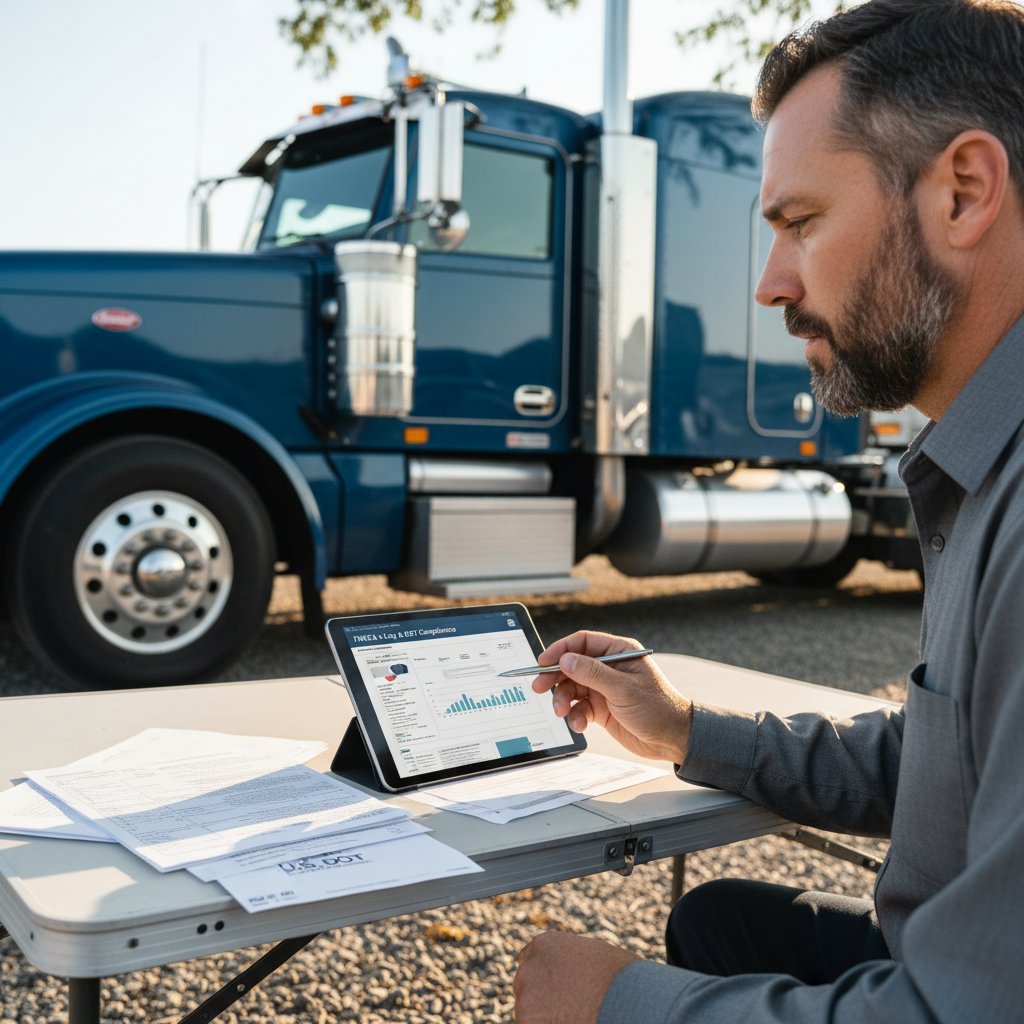
Commercial auto covers liability and physical damage for business-use vehicles, and heavier operations (box trucks, straight trucks, tractors) often fall into the commercial truck insurance and semi truck insurance market.
Who needs it:
- Restaurants with in-house delivery vehicles
- Caterers hauling equipment
- Distributors with box trucks/reefers
- Beverage brands doing self-distribution
Hired/non-owned gap to watch: If employees use personal cars for deliveries or errands, you may need hired and non-owned auto liability to avoid a common coverage gap.
For the delivery side of the house, start with Commercial auto / commercial truck insurance for delivery fleets, then confirm owned vs hired/non-owned exposure, cargo/temperature obligations, and any contract-driven limit requirements.
“Affordable trucking insurance” and food delivery: what actually lowers cost
Affordable trucking insurance (or affordable commercial auto) usually comes from underwriting fundamentals, not shortcuts—vehicle type/weight, radius (local vs multi-state), driver MVRs, claims history, garaging location, and how vehicles are used (route delivery vs occasional runs).
Cheap premium that collapses at claim time isn’t affordable—it’s expensive. The goal is right-sized limits, clean exclusions, and no surprise gaps.
Common contract/lease requirements (what triggers an insurance review)
- Minimum limits: Many contracts list minimum liability limits (often $1M/$2M for GL, but not universal).
- Additional insured: Common in leases, venues, and wholesale accounts.
- Waiver of subrogation: Often requested in leases and vendor agreements.
- Primary/non-contributory: Sometimes required, especially by venues and large accounts.
- Umbrella/excess: Frequently added when servicing retailers, large distributors, or municipalities.
Compliance toolkit: COI + contract checklist (use this before you sign)
COI checklist (what to verify):
- Named insured matches your legal entity (LLC/corp), not just your trade name
- Correct address and effective dates
- Limits match the contract (and umbrella is shown if required)
- Additional insured and waiver requests are supported by actual endorsements (a COI alone may not change coverage)
Contract clauses that should trigger a call to your agent:
- Indemnity/hold harmless language
- “Vendor is responsible for product temperature at all times”
- Any requirement to name a party as additional insured
- Alcohol service responsibility (events/venues)
- Delivery SLAs with penalties for rejection/spoilage
If you want to avoid last-minute delays when a landlord, venue, or retailer asks for proof, review Certificate of insurance (COI) explained.
Next steps: build the right coverage mix for your food & beverage business
A practical way to build insurance for food and beverage industry operations is to buy core coverage first (liability + property + business income), then add food-specific endorsements (spoilage/contamination/recall) based on how you actually store, produce, and distribute product.
After that, get disciplined about contracts and COIs—because that’s where deals get won or lost.
Two quick “don’t skip this” checks before renewal
- Workers’ comp accuracy: Payroll, class codes, and job duties drive premium and audits, so clean data matters. See Workers’ compensation insurance guide.
- Cyber exposure: POS systems and online ordering create breach and downtime costs that many owners underestimate. See Cyber liability insurance for POS/online ordering.
CTA: Get a 2026 coverage review and quote comparison built around your operation type (restaurant, manufacturer, distributor, food truck) and your delivery exposure.
Frequently Asked Questions
These FAQs cover the most common food business insurance questions, including coverage types and COI requirements that often show up with $1M/$2M liability limits in leases and vendor contracts.
Most food and beverage businesses need general liability, product liability, commercial property, and business income coverage to protect against injury claims, product allegations, property losses, and forced downtime.
If you have employees, workers’ compensation is commonly required by state law once you have staff (requirements vary by state and job class). If you deliver or distribute, commercial auto is typically necessary for registered vehicles, and heavier vehicles may require commercial truck insurance. Many operations also add liquor liability (if alcohol is sold/served), cyber liability for POS/online ordering, and spoilage/recall-related endorsements for refrigerated or packaged products.
Food business insurance coverage is a bundle of policies designed to cover third-party injuries, product-related harm (foodborne illness, allergens, foreign objects, labeling allegations), property damage, and lost income after a covered shutdown.
A typical package can include general liability (often written at limits like $1,000,000 per occurrence), product liability, commercial property, business income, and—when applicable—workers’ comp and commercial auto. Many food and beverage businesses also need industry-specific add-ons like spoilage, equipment breakdown, or contamination/recall coverage, especially when refrigeration, manufacturing, or wholesale distribution is part of the operation.
Yes—if you make, sell, or distribute consumable products, product liability insurance is a smart baseline and is often required by retailers, distributors, and co-packing contracts.
Product liability can respond to allegations like foodborne illness, allergen cross-contact, foreign objects, or labeling and packaging disputes, including legal defense costs even when the claim is ultimately unfounded. Restaurants may have product liability embedded within general liability depending on the policy form, while packaged brands and manufacturers often need more explicit product liability terms plus contamination/recall considerations. Contract requirements commonly specify minimum limits, so confirming limits before onboarding can prevent delays.
A certificate of insurance (COI) is a standardized document that shows your active coverage, limits, and policy dates, and it’s commonly requested by landlords, venues, retailers, distributors, and event organizers.
The key detail is that a COI usually does not change coverage by itself; if a contract requires “additional insured” status, waiver of subrogation, or primary/non-contributory wording, those typically must be backed by actual policy endorsements. If the COI doesn’t match the contract’s limits (often $1M/$2M for liability, though it varies), you can lose the deal or delay opening day. See Certificate of insurance (COI) explained.
Conclusion: Protect cash flow before the claim happens
Insurance works best when you treat it like operations: build a solid baseline, then close the gaps that match how you store, produce, and deliver product.
Buy the core policies first (liability + property + income protection), then plug the food-specific holes (spoilage/contamination/recall) and get disciplined about contracts and COIs.
Key Takeaways:
- Start with GL, product liability, property, and business income; these handle the most common high-cost losses.
- If refrigeration or manufacturing is critical, prioritize equipment breakdown + spoilage and evaluate recall/contamination coverage.
- If you deliver, confirm owned vs hired/non-owned exposure and contract-driven limit requirements before you scale routes.
If you want your coverage built around your exact operation (and your delivery exposure), get a quote review before renewal—and before you sign the next contract.