
2026 non cdl hotshot insurance costs: $10K–$30K/yr. Coverages, FMCSA filings, regional ranges, plus savings tips for affordable trucking insurance—get quotes today.

If you’re shopping non cdl hotshot insurance, here’s the budgeting reality: most operators land in a predictable cost band, and the big swings come from radius, cargo value/type, and authority status—not the “non‑CDL” label.
Featured snippet answer: In 2026, non‑CDL hotshot insurance commonly runs $10,000–$30,000 per year (about $850–$2,500/month) depending on whether you’re a new venture, your operating radius, cargo type/value, loss history, and whether you need FMCSA filings. Your exact number is driven more by operational risk than license class.
If you want the broader picture (CDL and non‑CDL setups side-by-side), start with Logrock’s commercial hotshot insurance guide and come back here for the non‑CDL specifics.
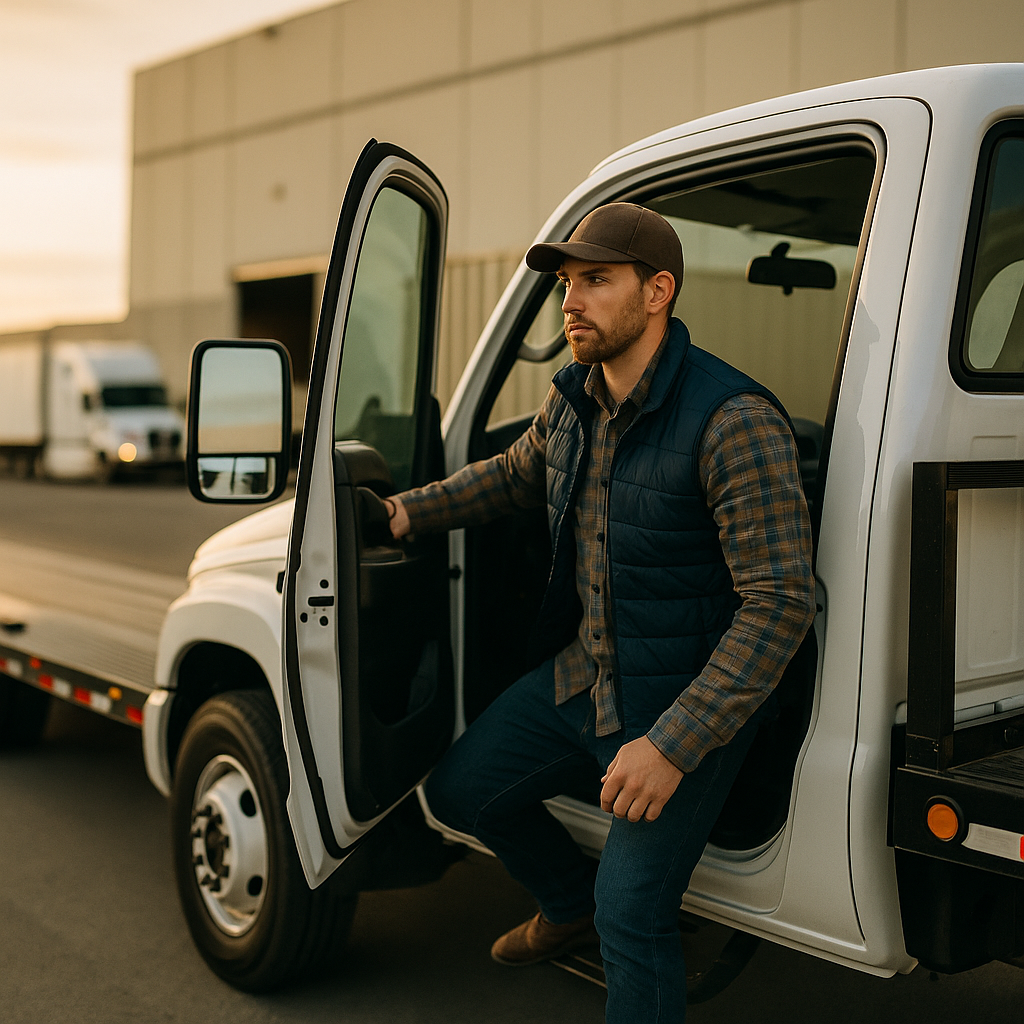
Image placeholder (hero)
Alt text: Non‑CDL hotshot truck and gooseneck trailer with insurance paperwork
Table of Contents
Reading time: 9 minutes
- Key Takeaways
- What “Non‑CDL Hotshot” Means (and Why It Matters for Insurance)
- Required Non‑CDL Hotshot Insurance Coverages (What Brokers Usually Demand)
- FMCSA Filings & Compliance Checklist for Non‑CDL Hotshot Operators
- 2026 Non‑CDL Hotshot Insurance Cost (Plus Optional Coverages, Savings, and a Profit Calculator)
- Frequently Asked Questions
- Conclusion: Get the Right Coverage Without Overpaying
Key Takeaways
In 2026, most non‑CDL hotshot owner‑operators should plan on $10,000–$30,000 per year for a workable commercial truck insurance stack, with cargo requirements and filings often pushing costs higher.
- Non‑CDL doesn’t guarantee affordable trucking insurance: underwriters price radius, lanes, cargo exposure, and loss history more than license class.
- Brokers care about limits + paperwork: if your COI or filings don’t show correctly, you may not get tendered loads.
- Match coverage to your real operation: misstating radius, commodity, or max load value can create claim friction.
- Cut cost the “clean” way: shop 30–45 days early, pick a deductible you can pay tomorrow, and keep MVR/inspection risk low.
What “Non‑CDL Hotshot” Means (and Why It Matters for Insurance)
A “non‑CDL hotshot” setup generally stays below the federal CDL threshold of 26,001 lbs GVWR/GCWR (or avoids other CDL triggers like certain hazmat endorsements), but insurers still rate you on miles, radius, and cargo exposure.
Non‑CDL vs CDL: what it is (plain English)
Most hotshot operators say “non‑CDL” to describe a dually + gooseneck setup that’s kept under CDL weight triggers on paper and in practice. That can be true for licensing, but insurance underwriting doesn’t work off a nickname.
- What insurers look at: operating radius, states/metros, annual mileage, commodity type, max load value, driver history, and prior losses.
- What brokers look at: liability limit, cargo limit, COIs, additional insured wording, and (if you have authority) active filings.
The profit-killer: misclassification
The fastest way to overpay (or get claim pushback) is telling a “local, light, non‑CDL” story while actually running multi‑state or hauling higher‑value freight. Underwriters price what you do, and brokers contract for what they require.
If you’re running under your own authority, keep the compliance basics tight—because compliance issues often show up as insurance and onboarding problems later. This DOT compliance checklist is a good starting point.
Required Non‑CDL Hotshot Insurance Coverages (What Brokers Usually Demand)
Brokers and shippers commonly require $1,000,000 auto liability and $100,000 cargo to book loads, even though FMCSA’s federal minimum for many for‑hire interstate property carriers is $750,000 in public liability coverage.
Image placeholder (coverages table)
Alt text: Table of required non‑CDL hotshot insurance coverages
| Coverage | What it protects | Who usually requires it | Practical note |
|---|---|---|---|
| Primary Auto Liability | Injuries/property damage to others when you’re at-fault | FMCSA (if applicable), brokers, shippers | Core commercial truck insurance limit; contracts often drive the number. |
| Cargo Insurance | The freight you’re hauling (subject to exclusions) | Brokers/shippers | Coverage can fail on exclusions, theft conditions, or commodity mismatch. |
| Physical Damage (Comp/Collision) | Your truck (and sometimes trailer) | Lenders; smart owner‑ops | Deductible strategy matters more than people think for cash flow. |
| Trailer Coverage / Interchange (as needed) | Your trailer or a non‑owned trailer in your care | Depends on ownership/contract | Many hotshotters only need owned trailer PD; interchange is situational. |
Primary auto liability
Primary auto liability pays for bodily injury and property damage you cause to others, and it’s the “core” limit brokers check first. If you’re consistently outside the radius you stated to get a cheaper quote, you’re inviting claim friction and non‑renewal risk.
Cargo insurance (often required to book loads)
Cargo insurance protects the freight you’re hauling within the policy’s rules, and brokers typically won’t tender loads without proof of cargo coverage at their required limit. This is where operators get burned by exclusions (commodity restrictions, unattended theft wording, and disputes over securement or temperature/handling).
Before you bind coverage, read a plain-English breakdown of limits and exclusions in cargo insurance for truckers, then compare it to your broker packet language.
- Max single load value: insure your real ceiling, not your “average.”
- Commodity types: list what you haul and what you won’t haul.
- Lanes and parking: metro theft zones and unattended time matter.
Physical damage (comp + collision)
Physical damage protects your truck against collision, theft, vandalism, and weather losses, and it’s effectively mandatory if you’re financed. If you’re paid off, it’s still a cash‑flow shield because it protects the asset that produces revenue.
If you want to sanity-check deductibles and valuation options, this guide on physical damage coverage is a solid reference.

FMCSA Filings & Compliance Checklist for Non‑CDL Hotshot Operators
FMCSA requires an active liability filing (commonly BMC-91 or BMC-91X, depending on how the policy is structured) tied to your MC number before your for‑hire interstate motor carrier authority can show active.
When you need filings (and when you don’t)
- Leased on to a motor carrier: the carrier’s insurance and filings typically apply while you’re operating under their dispatch and lease agreement.
- Running under your own authority: your insurer usually must submit the required filing(s) so your authority can become (and stay) active.
FMCSA’s insurance filing requirements page is the best place to confirm the baseline rules for your operation: https://www.fmcsa.dot.gov/registration/insurance-filing-requirements.
Policy vs filing (the confusion that blocks revenue)
A policy is your contract with the insurer (coverage terms). A filing is proof submitted to regulators that you meet financial responsibility requirements for authority.
If terms like “BMC filings” and “MCS forms” are still fuzzy, read this primer on truck insurance filings so you can verify what brokers and authority systems are actually checking.
Fast compliance checklist (practical steps)
- Confirm your real operation: lanes, radius, commodities, and your true max load value.
- If you have authority, confirm filings were submitted and are active (don’t assume “paid” means “active”).
- Verify what the public sees before you depend on it for revenue: check your status on FMCSA SAFER at https://safer.fmcsa.dot.gov/.
- Avoid lapses: coverage gaps often trigger higher renewal pricing and can stop broker onboarding.
2026 Non‑CDL Hotshot Insurance Cost (Plus Optional Coverages, Savings, and a Profit Calculator)
A realistic 2026 non‑CDL hotshot insurance cost range is $10,000–$30,000 per year (about $850–$2,500/month) for many for‑hire operators, with new ventures often landing at the high end.
Why your number moves (8 biggest drivers)
- New venture / new authority: limited history usually means higher price and stricter terms.
- Operating radius: local vs regional vs multi‑state changes frequency and severity assumptions.
- States and metros: congestion and claim severity vary by lane mix.
- Commodity + max value: theft exposure and payout size change fast.
- Loss history + violations: MVR/inspection trends matter (tickets aren’t “just tickets” to an underwriter).
- Truck value + comp/collision deductible: deductible is a cash‑flow decision.
- Annual mileage and usage: part‑time vs full‑time can move pricing.
- COI workload: frequent certificates/additional insured requests can add friction and cost.
For a deeper explanation of pricing levers (and how to compare quotes without getting played), use this hotshot insurance cost breakdown as your reference.
Regional cost table (planning template)
This table is a clean way to think about lanes and pricing pressure when you’re planning your routes and your budget.
| Region focus | Typical pricing pressure | Why it changes the premium |
|---|---|---|
| Southeast | Medium | High volume + weather events + mixed metro/rural exposure. |
| Texas / South Central | Medium | Long lanes, severe accidents, fast growth corridors. |
| Midwest | Low–Medium | Often steadier loss patterns depending on metros and lane mix. |
| Northeast | High | Congestion, higher claim severity, tight delivery environments. |
| West / California-heavy | High | Dense traffic, theft risk zones, higher severity claims. |
Optional coverages that actually pay off (cash‑flow view)
Optional coverages can be worth it when they prevent one bad week from turning into a missed payment, a lapse, or a forced shutdown.
- Non-trucking liability (bobtail): matters for true off‑dispatch/personal use when leased on; don’t assume it covers dispatched deadhead. See non-trucking liability (bobtail).
- General liability: commonly required by warehouses/shippers; it’s not the same as auto liability.
- Occ/Acc: not magic, but it can help keep an injury from turning into a financial spiral.
- Towing/rental/downtime add-ons: small premiums that can save a month when a breakdown hits.
How to lower your premium (without gutting coverage)
- Shop early: 30–45 days before renewal is where you get better options.
- Keep your story consistent: radius, commodity, max load value, garaging ZIP.
- Pick a deductible you can pay immediately: “cheap premium, huge deductible” can still sink cash flow.
- Use safety tech that earns real credit: dash cam and telematics can help if discounts are documented.
- Protect your MVR: speeding, following too close, and cellphone tickets are underwriting poison.
- Don’t lapse: gaps often mean higher price and harder placement.
Profit impact calculator (copy/paste template)
ATRI’s cost research is a useful reminder that insurance is a meaningful operating cost category alongside fuel, maintenance, and equipment payments: https://truckingresearch.org/.
Gross revenue (monthly)            = $
Loaded miles (monthly)             =
Deadhead miles (monthly)           =
Fuel cost per mile                 = $
Maintenance + tires per mile        = $
Insurance (monthly)                = $
Truck + trailer payment (monthly)  = $
Other fixed costs (ELD/IFTA/etc.)   = $

Total miles = loaded + deadhead
Variable costs = total miles * (fuel CPM + maint/tires CPM)
Net (before tax) = gross revenue - variable costs - insurance - truck/trailer payment - other fixed costs
Example (why $300/month matters): If your net is $1,200 in a soft month and insurance rises by $300/month, you just lost 25% of your take‑home—without driving one less mile.
Frequently Asked Questions
Most non‑CDL hotshot owner‑operators pay about $850–$2,500 per month in 2026, which lines up with a typical annual range of $10,000–$30,000. New ventures often land toward the high end because carriers price limited business history as higher risk and may require larger down payments. Your rate is usually driven by operating radius (local vs multi‑state), states/metros, cargo type and max single‑load value, and MVR/loss history.
Non‑CDL hotshot trucking usually requires primary auto liability for legal and contract reasons, and cargo insurance is commonly required by brokers and shippers to book freight. Many broker packets ask for $1,000,000 liability and $100,000 cargo, even if your legal minimum differs by operation. If your truck is financed, physical damage (comp/collision) is effectively required by the lender. Always confirm requirements in writing from your broker/shipper before you bind.
No, you don’t always need your own authority for non‑CDL hotshot work because you can lease on to a motor carrier and run under their authority and insurance while dispatched. If you run under your own MC authority, your insurer typically must submit the required FMCSA liability filing (commonly BMC‑91/BMC‑91X) so your authority can show active. FMCSA’s baseline filing rules are here: https://www.fmcsa.dot.gov/registration/insurance-filing-requirements.
Primary auto liability generally applies when you’re operating in business (often under dispatch, depending on your policy and lease), while non‑trucking liability (bobtail) is designed for true off‑dispatch/personal use. A common and expensive mistake is assuming bobtail automatically covers deadhead “between loads” or anything that feels work-related—coverage depends on the exact policy wording and your lease agreement. If you’re leased on, this guide to non-trucking liability (bobtail) helps you spot the gap before a claim.
Conclusion: Get the Right Coverage Without Overpaying
For most non‑CDL hotshot businesses in 2026, insurance is a top fixed cost and commonly runs $850–$2,500 per month depending on radius, cargo, and whether you’re a new venture or running under your own authority.
Your best move is simple: describe your operation accurately, buy what your contracts require, and use deductibles and safety controls to manage cost without creating coverage gaps.
Key Takeaways:
- Budget realistically: $10K–$30K/year is a common planning range for non‑CDL hotshot operations.
- Don’t confuse policy vs filing: if you have authority, verify filings are active before you count on loads.
- Protect cash flow: choose deductibles you can pay immediately and shop 30–45 days before renewal.
Related reading: If you’re switching to your own authority, use FMCSA authority application as your setup checklist.





