
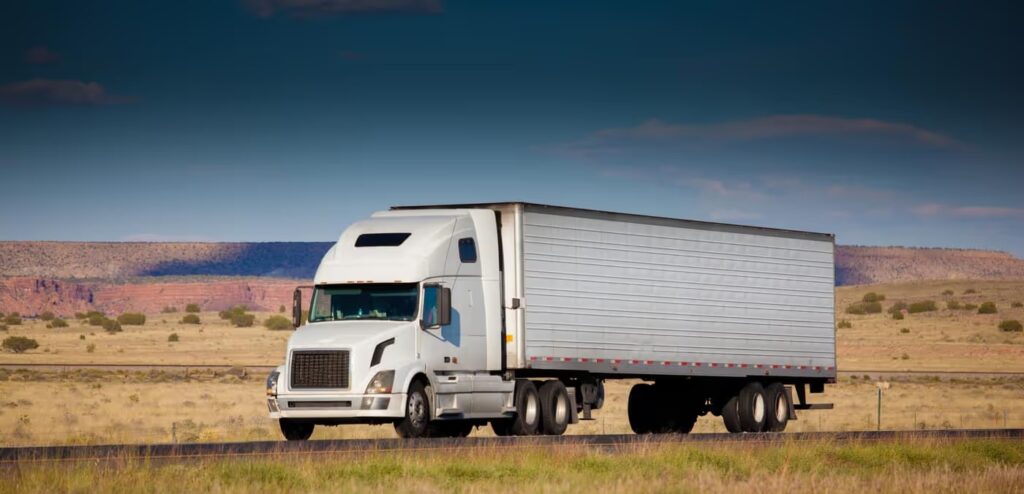
Owning a semi-truck isn't just a job; it's a massive financial commitment. Whether you are behind the wheel of a brand new Peterbilt or a reliable Freightliner, your rig is the engine of your revenue. But let's be honest: in this industry, you are one jackknife or one cargo claim away from a financial disaster that could park your truck permanently.
For a trucker, semi truck insurance is the second biggest fixed cost after the truck note itself. You need coverage that satisfies the FMCSA, keeps brokers happy, and protects your assets—without draining your operating account.
This guide breaks down exactly what coverage you need to keep your authority active and your wheels turning, cutting through the noise to focus on what matters for your bottom line.
Key Takeaways: Essential Semi-Truck Coverage
- Auto Liability is Non-Negotiable: You cannot turn the key without it. It protects the public and satisfies federal requirements for your authority.
- Protect the Asset: Physical Damage coverage is vital. If you total your tractor, this is the only thing standing between you and a loan balance with no truck to pay it.
- Mind the Cargo: Your freight is your customer's property. Without Motor Truck Cargo insurance, you are liable for every damaged pallet.
The "Big 3" Mandatory Coverages for Tractor-Trailers
When you are running under your own authority, these are the pillars of your insurance policy. Missing any one of these leaves a massive gap in your business's defense.
1. Auto Liability
- What It Is: This covers injuries or property damage you cause to others in an accident. It includes legal defense costs and settlement fees.
- The Business Risk: This is the foundation of your authority. While the FMCSA has minimums, most quality brokers require $1,000,000 in liability before they will send you a rate con.
- Who Needs It: Every trucker with an active MC number.
2. Physical Damage Coverage
- What It Is: This protects your truck and trailer. It covers collision damage (hitting another vehicle or object) and Comprehensive claims (theft, vandalism, fire, or weather damage).
- Why It's Essential: A road-ready tractor can cost $150,000+. If you have a loan or lease, the lender will require this. Even if you own the title, can your business afford to replace the truck cash-in-hand if it's totaled?
Pro Tip: If you run varying routes, make sure your policy doesn't have a restrictive radius clause that denies claims if you venture too far from home.
3. Motor Truck Cargo Insurance
- What It Is: This protects the freight you are hauling against damage, theft, or loss during transit.
- The Business Risk: Whether you are hauling dry goods, electronics, or refrigerated produce, you are responsible for that load. Rates vary based on the commodity—hauling "target commodities" like electronics or autos will cost more than hauling paper towels.
- Who Needs It: Any carrier hauling goods for hire. Without it, you are paying for that dropped load out of your own pocket.
Specialized Coverages for the Modern Truckers
Standard policies cover the basics, but the real world of trucking requires specialized tools. Don't let a gap in your policy threaten your livelihood.
Trailer Interchange Insurance
- What It Is: Covers physical damage to a trailer you do not own but are hauling under a trailer interchange agreement.
- Who Needs It: This is critical for "Power Only" truckers or those hauling Amazon/FedEx trailers. Since you don't own the trailer, your standard Physical Damage policy won't cover it without this endorsement.
Your Questions Answered: "People Also Ask" FAQs
We hear these questions from truckers every day. Here is the straight talk on what drives your affordable trucking insurance rates.
Insurers look at your "risk profile." Key factors include your CDL experience (newer drivers pay more), your driving record (violations spike rates), your radius of operation (long-haul is riskier than local), and the value of your equipment.
Absolutely. A Dry Freight van hauling toilet paper is lower risk than an Auto Hauler carrying luxury cars or a Dump Body working construction sites. Flatbeds also carry unique risks due to load securement issues. Be honest about what you haul to ensure claims aren't denied.
It's tough in the first year. The best strategy is to keep your driving record spotless, maintain a safe SAFER score, and consider higher deductibles on Physical Damage if you have the cash reserves to cover them.
The Logrock Difference: Insurance Built for Business Owners
At Logrock, we know you don't have time to decipher insurance jargon. You need a certificate of insurance (COI) now so you can book that load and get rolling. We aren't just selling policies; we are partners in your business growth.
We specialize in commercial truck insurance for independent truckers. We understand the difference between deadheading, bobtailing, and hauling a reefer load. We fight to get you the coverage you need to satisfy every broker and keep your authority active.
Conclusion & Get Your Risk Analysis
Your truck is your business. Don't risk your hard-earned authority on cheap insurance that leaves you exposed. Secure a policy that protects your tractor, your trailer, and your financial future.
Stop guessing and start protecting your business. Get your free, no-obligation risk analysis from Logrock today.



