
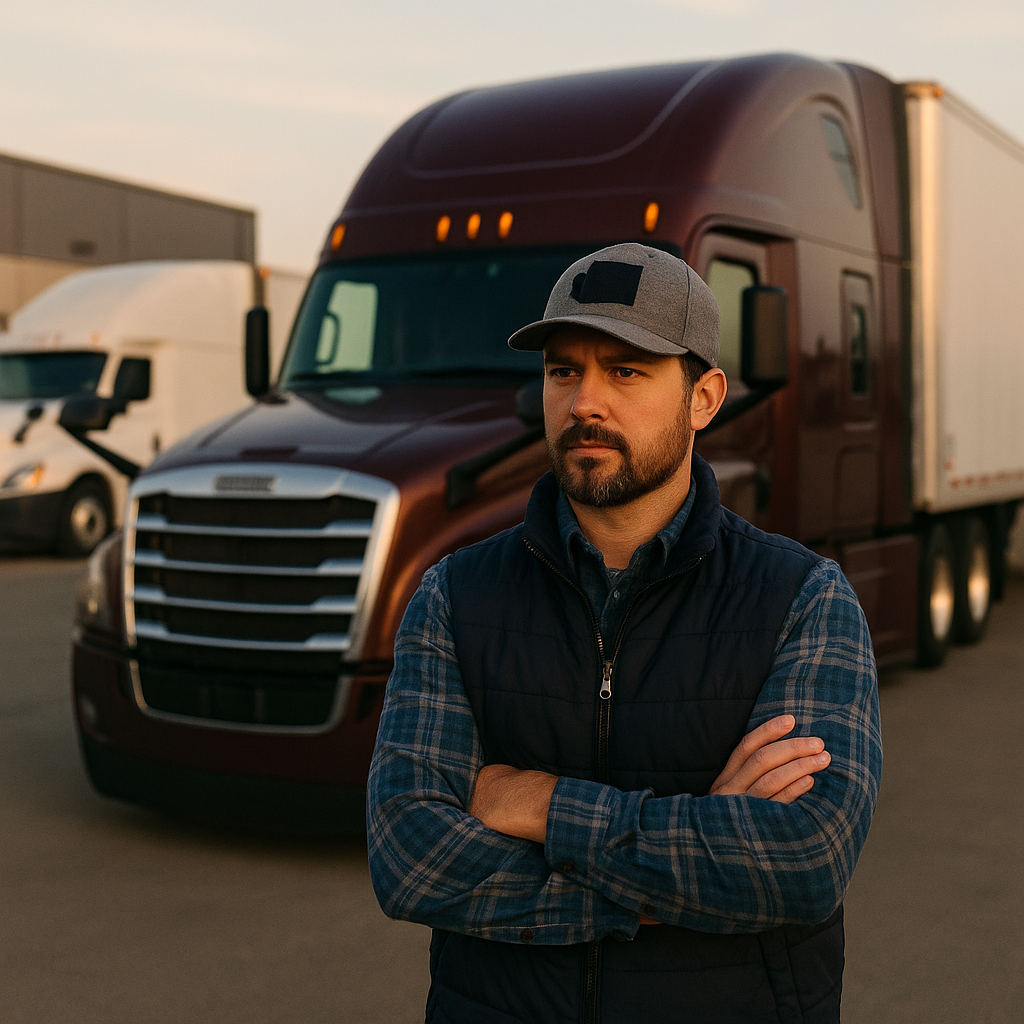

Washington state small fleet insurance explained: WA minimums, fleet coverage checklist, cost drivers, and quote steps for 5–25 vehicles. Get covered.
Washington state small fleet insurance for 5–25 vehicles usually starts with WA’s legal liability minimums, but real protection comes from choosing limits and add-ons that match your contracts, vehicles, and daily road exposure. Washington’s commonly cited liability minimum is 25/50/10, and you must be able to show proof of financial responsibility. For most small fleets, the “real requirement” ends up higher because one serious injury claim can exceed minimum limits fast.
Before you buy anything, make sure you understand the baseline: commercial auto is the foundation, and “fleet insurance” is mostly about how you structure coverage across multiple units and drivers. If you want a fast refresher on the basics, start here: Commercial auto insurance basics for fleets.
Key takeaways for WA small fleets
Washington’s baseline liability minimum is commonly cited as 25/50/10, but contracts and real-world claim severity often require higher limits and added coverages.
- WA minimum limits are 25/50/10, but minimum doesn’t mean “enough” for leased units, customer contracts, or serious injuries.
- Most small fleets build around six coverage blocks: liability, physical damage, UM/UIM + med pay, hired/non-owned, tools/equipment, and umbrella/excess.
- 2026 pricing is driven by drivers (MVR), garaging ZIP, mileage/radius, vehicle class/value, and loss history more than “state averages.”
- A basic safety process (screening, training, and documentation) can reduce claims frequency and make underwriting smoother at renewal.

Table of Contents
Reading time: 9 minutes
Washington minimum commercial auto insurance requirements (and proof)
Washington’s commonly cited baseline auto liability minimum is 25/50/10, and drivers must be able to show proof of financial responsibility when required by law enforcement or other situations.
State minimum liability limits (25/50/10): what they mean
Washington’s baseline liability requirement is commonly referenced as 25/50/10:
- $25,000 bodily injury liability per person
- $50,000 bodily injury liability per accident
- $10,000 property damage liability per accident
That’s a legal floor, not a business-safe number. A single totaled vehicle plus injuries can exceed minimum limits quickly, and then your business assets can be exposed.
Source: Washington State Department of Licensing “Mandatory insurance” page: https://dol.wa.gov/driver-licenses-and-permits/mandatory-insurance
Proof of insurance and what customers usually ask for
Most WA small fleets need two “proof” documents ready: insurance ID cards for vehicles and certificates of insurance (COIs) for customers, brokers, and property managers.
Once you work under contracts, you’ll also see COI requests like additional insured, waiver of subrogation, and primary & non-contributory wording. If you want a practical breakdown (what to show, when, and why), use this guide: Proof of insurance requirements for commercial vehicles.
Self-insurance in Washington (a realistic scale check)
Washington’s DOL also describes self-insurance and other financial responsibility options, and in practice self-insurance tends to show up at larger fleet scale (often 26+ vehicles) with the balance sheet and claims-handling capability to match.
Most 5–25 unit fleets are better served by choosing smart limits, setting workable deductibles, and running basic loss control that keeps renewals stable.
Small fleet coverage options in Washington (the 6 coverages most businesses need)
Most Washington small fleets (5–25 vehicles) combine a commercial auto liability base with five additional coverage blocks to reduce the most common claim-related gaps.
These six coverages show up again and again for WA small fleets—whether you run service vans, delivery box trucks, pickups with trailers, or heavier units that start to look more like true trucking operations.

1) Liability (primary): choosing limits above minimums
Liability coverage pays for injuries and property damage you cause, and WA’s 25/50/10 minimum is rarely enough for serious injuries or contract requirements.
- What it is: Pays for bodily injury and property damage claims when your driver is at fault.
- Why it’s essential: Minimum limits can be exceeded in one bad crash.
- Who needs it: Every business operating a vehicle for work.
- Practical tip: Price higher limits into bids if a GC, shipper, or property manager requires them.
2) Physical damage (comprehensive + collision)
Physical damage coverage typically includes comprehensive and collision to repair or replace covered vehicle damage from crashes, theft, vandalism, weather, and animal strikes (subject to policy terms and deductibles).
- Why it matters in WA: Theft/vandalism and parking-lot hits can create downtime and cash-flow pressure.
- Who needs it: Any fleet that can’t comfortably replace a unit out-of-pocket.
3) UM/UIM + medical payments
Uninsured/underinsured motorist (UM/UIM) and medical payments coverage help protect drivers and passengers when the at-fault driver has no insurance or not enough insurance (and can help with injury expenses depending on coverage and state rules).
- Why it’s essential: It can keep an injury claim from turning into a payroll/medical crisis.
- Who needs it: Fleets with employees driving daily, especially in higher-traffic areas.
4) Hired & non-owned auto (HNOA)
Hired and non-owned auto (HNOA) provides business liability protection when employees use personal vehicles for work or when you rent/borrow vehicles, helping close gaps that personal auto policies may not cover for business use.
- Why it’s essential: Without it, your business can face a liability gap even if the employee has personal insurance.
- Who needs it: Contractors, home services, delivery businesses, property maintenance, and any operation that rents vans/trucks.
This one is a common source of “we thought we were covered” claims—get it right: Hired and non-owned auto insurance explained.
5) Tools/equipment and vehicle contents (a common gap)
Tools and equipment coverage can protect permanently stored tools, specialized gear, or vehicle contents, because physical damage to the vehicle does not automatically mean the tools inside are covered.
- Who needs it: HVAC, plumbing, electrical, landscaping, mobile repair, and many trade fleets.
- What to watch: Limits, theft requirements (locked vehicle/secured lot), and whether tools are scheduled or blanket.
6) Umbrella/excess liability
Umbrella/excess liability increases your total liability limits above your underlying auto (and sometimes other lines) and is often used to meet contract requirements or protect against high-severity lawsuits.
- Why it’s essential: Higher limits can be more efficient than trying to load everything into the base layer.
- Who needs it: Fleets with more drivers, more miles, heavier vehicles, denser routes, or aggressive contract terms.
If you want a straight overview of how it works and where it fits, see: Commercial umbrella insurance overview.
2026 Washington small fleet insurance costs: benchmarks and what drives your rate
Washington small fleet premiums are primarily underwritten using driver MVRs, garaging ZIP, mileage/radius, vehicle class/value, and prior losses, so a single “average cost” number is rarely accurate.
You can still budget intelligently if you focus on tiers of exposure and the variables underwriters consistently score.
2026 “benchmarks”: how to think about pricing without guessing
Use tiers like these instead of relying on a statewide average:
- Lower exposure: clean MVRs, local radius, secured parking, older paid-off units, consistent operations
- Typical exposure: mixed driver experience, mixed garaging, financed units, higher annual miles
- Higher exposure: urban garaging (theft/vandalism), new/young drivers, prior losses, heavier vehicle classes, winter mountain operations, multi-state radius
If you want the full breakdown of what carriers typically rate (and what you can improve), use: Commercial auto insurance cost factors.
Biggest WA fleet pricing inputs (what underwriters actually care about)
- Drivers: age, years licensed, CDL (if applicable), MVR violations, prior at-fault accidents
- Garaging ZIP: Seattle/Tacoma pricing often differs from rural Eastern WA
- Vehicle class/value: pickup vs van vs box truck vs tractor; replacement cost matters
- Mileage & radius: local-only vs statewide vs multi-state
- Business class: delivery, towing, construction, hazmat, interstate trucking (each prices differently)
- Prior insurance & loss runs: lapses and claims can increase renewal friction and cost
- Controls: dash cams/telematics, driver onboarding, documented training, incident response
How to get Washington state small fleet insurance (step-by-step)
Most insurers can quote a 5–25 vehicle fleet faster (and more accurately) when you provide a complete vehicle schedule, a complete driver list, and 3–5 years of loss history when available.
Step 1: Gather underwriting info (have this ready)
- Vehicle schedule: VINs, year/make/model, value, garaging address/ZIP, usage (service/delivery/hauling)
- Driver list: DOB, license numbers/state, years experience, CDL status, permission for MVR pulls
- Loss runs (3–5 years): if you have them; plus your current declarations page
- Contract requirements: COI wording, additional insured/waiver requests, required limits, endorsements
- Operations snapshot: radius, annual miles, parking security, dispatch controls, subcontracting
Step 2: Know the difference between WA “fleet account” registration and fleet insurance
Washington’s DOL fleet program is for registration administration, and it is not the same thing as an insurance policy.
For many businesses, a regular fleet account commonly applies starting at 5 vehicles (and other categories may have different thresholds). Source: https://dol.wa.gov/vehicles-and-boats/vehicles/vehicle-registration/register-commercial-vehicles/vehicle-fleets
Insurance-wise, what matters most is accurate schedules, consistent garaging, and disciplined driver controls, because that’s what makes underwriting and renewals less painful.
Step 3: Compare apples-to-apples quotes (no shortcuts)
To compare quotes correctly, keep these items identical across all proposals:
- Liability limits, UM/UIM, and medical payments
- Physical damage deductibles and stated values
- Driver list (or driver criteria) and full vehicle list
- Included endorsements (especially HNOA, if you need it)
Use a real comparison process here (it prevents expensive “coverage drift”): Compare commercial auto insurance quotes.
Washington small fleet insurance checklist (printable)
- Confirm compliance: at least WA 25/50/10 (and any contract-required limits)
- Set physical damage deductibles you can afford without breaking cash flow
- Add HNOA if employees use personal cars or you rent/borrow vehicles
- Add UM/UIM + med pay to protect drivers and passengers
- Address tools/equipment exposure (don’t assume the auto policy covers it)
- Consider umbrella/excess if you’re scaling, adding drivers, or signing bigger contracts
- Document driver controls: MVR cadence, onboarding, incident response steps
- Calendar renewals and update drivers/vehicles monthly to reduce audit surprises
Want a simple process to reduce losses as you scale? Use: Fleet safety program checklist.
If part of your “small fleet” is actually trucking (DOT authority, semis, hotshots, interstate hauling), this guide is the better fit: Washington commercial truck insurance guide.
Frequently Asked Questions
Washington’s commonly cited minimum liability requirement is 25/50/10 ($25,000 bodily injury per person, $50,000 per accident, and $10,000 property damage), and you must be able to show proof of financial responsibility when required.
That minimum is a legal floor, not a guarantee you’ll meet customer contract limits or be protected in a serious injury claim. Many fleets choose higher limits because one crash can exceed minimums quickly. Source: https://dol.wa.gov/driver-licenses-and-permits/mandatory-insurance
Yes, many small fleets qualify because Washington’s DOL fleet program commonly applies starting at 5 vehicles, but it is a registration administration program and not an insurance policy.
You can have fleet insurance without a DOL fleet account, and you can have a DOL fleet account while still needing to purchase (and prove) proper insurance. If you’re deciding whether to set up fleet registration, review the official program details here: https://dol.wa.gov/vehicles-and-boats/vehicles/vehicle-registration/register-commercial-vehicles/vehicle-fleets
Many insurers consider 5+ vehicles a “small fleet,” but the exact definition varies by carrier, vehicle type, and how your operation is rated.
Some carriers will write 2–4 units on a multi-vehicle commercial auto policy, while others prefer 5+ for fleet-style rating and management. The best structure depends on how often you add/sell units, how frequently drivers change, whether you need scheduled vs more flexible unit handling, and whether your operation includes higher-risk classes that trigger tighter underwriting.
A Washington small fleet should consider umbrella/excess when higher limits are required by contract, when you have multiple drivers on the road daily, or when one severe injury claim could threaten the business.
This is especially common as you move past the “mom-and-pop” phase: denser routes, heavier vehicles, and more miles generally increase severity exposure, and umbrella can be a cleaner way to add limits than forcing everything into the base auto layer. If you want a clear overview of how umbrella works and what it sits over, see: Commercial umbrella insurance overview
Conclusion: Build WA small fleet coverage around real risk, not minimums
WA minimum liability limits (25/50/10) are a starting point, but most small fleets need higher limits plus a few key add-ons to avoid expensive gaps. The best 2026 strategy is simple: clean underwriting data, consistent coverages across quotes, and basic driver controls you can prove.
Key Takeaways:
- Use WA minimums as a compliance floor, then set limits based on contracts and worst-case claim severity.
- Build around six coverage blocks: liability, physical damage, UM/UIM + med pay, HNOA, tools/equipment, and umbrella/excess.
- Control the levers underwriters rate most: MVRs, garaging, radius/miles, vehicle class/value, and loss history.
If you want to shop efficiently, keep coverages identical and use a real comparison process: Compare commercial auto insurance quotes.





