
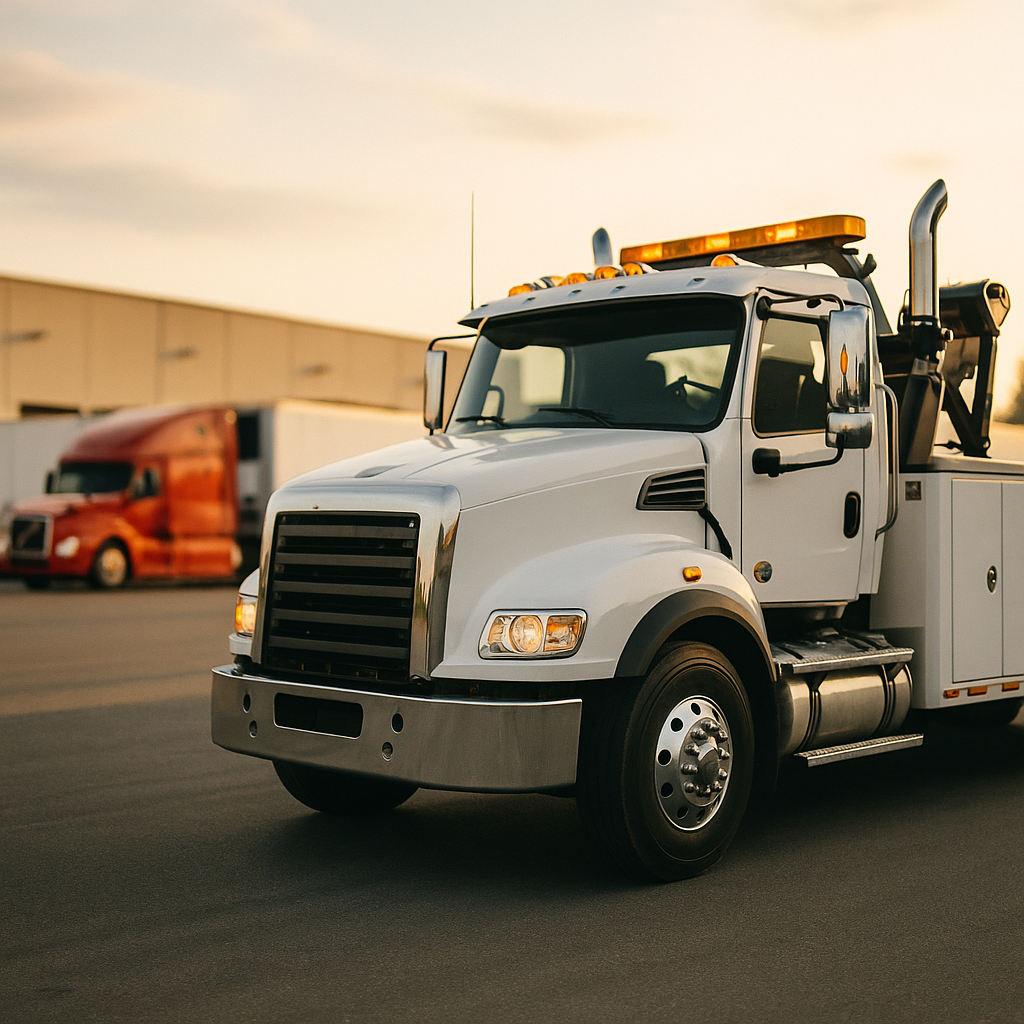

Wrecker insurance typically costs about $450 to $2,100+ per truck per month in 2026, or $5,400 to $25,000+ per year. Lower-tier operations run $450 to $790 monthly, typical ones $790 to $1,500, and higher-tier ones $1,500 to $2,100+. Truck class, radius, driver history, and towing limits drive cost.
Wrecker insurance cost in 2026 typically ranges from $450 to $2,100+ per month per truck ($5,400–$25,000+ per year), depending on truck class, operation type, driver history, radius, and towing-specific limits like on-hook and garagekeepers.
The confusing part is that “wrecker insurance” usually isn’t one policy—it’s a package built around commercial auto plus towing exposures. To compare quotes apples-to-apples, start by checking what a full towing package normally includes: tow truck insurance coverages and requirements.
Table of Contents
Reading time: ~9 minutes (about 2,000 words at 225 wpm)

Key Takeaways (Save/Make Money Fast)
Typical 2026 wrecker insurance cost is about $5,400–$25,000+ per truck per year (roughly $450–$2,100+/month), with heavy recovery often pricing above the light-duty range.
- Biggest premium drivers: truck class + operation, on-hook/garagekeepers limits, radius, driver MVR/claims, and garaging ZIP.
- “Cheapest” is often incomplete: many low quotes are commercial auto only and miss on-hook or storage/impound exposure.
- Fastest savings moves: reduce claim frequency (photos + checklists + training) and shop 45–60 days before renewal.
2026 Wrecker Insurance Cost Ranges (Monthly + Annual) + Why the Range Is Wide
In 2026, wrecker insurance cost commonly lands around $5,400 to $25,000+ per truck per year (about $450 to $2,100+/month), with heavy recovery, rotators, repossession work, higher limits, poor MVR/claims, large radius, and high-cost ZIPs pushing totals higher.
Benchmarks by “tier” (per truck)
| Tier | Typical operation profile | Ballpark range (annual) | Ballpark range (monthly) |
|---|---|---|---|
| Lower | Light-duty local towing, clean MVR, modest limits | $5,400–$9,500 | $450–$790 |
| Typical | Mixed towing, more drivers, higher limits, busier metro | $9,500–$18,000 | $790–$1,500 |
| Higher | Heavy recovery/rotator, multi-state, higher severity exposure | $18,000–$25,000+ | $1,500–$2,100+ |
Why the range is so wide
Towing losses can be high-severity because a single event can involve bodily injury + property damage + damage to the towed vehicle, and that severity shows up fast at renewal.
For broader commercial auto pricing context, the NAIC has published market updates noting challenging loss trends in commercial auto (context varies by year and report): NAIC commercial auto market context.
What these numbers usually include (and what they don’t)
Many “cheap” numbers floating online are commercial auto only (liability + physical damage), not a true towing package.
- Often included: commercial auto liability, physical damage (comp/collision) on your truck.
- Often missing (but critical for towers): on-hook/towed vehicle, garagekeepers (storage/impound), and sometimes general liability.
- Sometimes required by contracts: higher liability limits and an umbrella.
If you want a clean baseline for how the commercial auto portion works (liability, limits, filings), start here: commercial truck insurance basics.
Cost by state & region (directional, but real-world accurate)
Garaging location is frequently rated at the ZIP-code level, so two towing companies 20 miles apart can land in different pricing tiers.
- Dense metro areas (more frequency, more traffic, more claims)
- Severe weather zones (hail, flood, ice) and high theft/vandalism areas
- Higher medical and litigation environments
Fast Estimator: Inputs → A Realistic Cost Range (Before You Request Quotes)
A useful pre-quote estimator for wrecker insurance cost sorts you into lower / typical / higher pricing tiers using 7 underwriting inputs: truck class, operation mix, radius, drivers, claims, limits/deductibles, and garaging controls.
If you want the underwriting “why” behind pricing swings, use this as a primer: what affects commercial auto insurance rates.
Estimator inputs (copy/paste checklist)
- Truck class: light-duty wheel-lift/flatbed, medium-duty, heavy-duty wrecker/rotator
- Operation mix: roadside/private-pay, motor club, municipal rotation, repossession, heavy recovery
- Radius: local (<50 miles), regional, statewide, multi-state
- Drivers: number of drivers, experience, MVR violations (past 3 years)
- Claims: at-fault accidents and towed-vehicle damage claims (past 3–5 years)
- Limits & deductibles: auto liability, on-hook, garagekeepers (if needed), deductibles
- Garaging ZIP + yard controls: fencing, cameras, lighting, key control (especially if storing vehicles)
Estimator output (sanity-check your tier)
| Your profile looks like… | You’re probably in… | Why |
|---|---|---|
| 1 light-duty truck, local, clean MVR, modest on-hook | Lower tier | Lower severity + tighter radius + better driver profile |
| 2+ trucks, mixed drivers, metro area, higher limits | Typical tier | More frequency + more drivers + higher claim cost |
| Heavy recovery/rotator, multi-state, higher limits, prior losses | Higher tier | Severity exposure + equipment value + highway recoveries |
Next step: give every agent the same inputs (same limits, deductibles, operation split) so you can compare like-for-like quotes.
Cost by Truck Class + Use Case (Light Tow → Heavy Recovery → Repossession)
Truck class and use case are primary rating variables because they directly change both claim frequency (how often) and claim severity (how big) for towing operations.
Light-duty towing (wheel-lift/flatbed)
Light-duty towing is typically standard roadside towing, breakdowns, accidents, and light recoveries, and it’s often priced in the lower-to-typical tier unless you add high limits, store vehicles, or have MVR/claims issues.
- Common loss pattern: higher frequency from tight lots, rushed hook-ups, and small damage claims that stack.
- Who it fits: motor club work and local private-pay.
Medium-duty towing
Medium-duty towing involves bigger units and heavier vehicles, which often pushes pricing toward the typical tier due to higher equipment values and more complex recoveries.
- Who it fits: towing box trucks, larger vans, small commercial vehicles.
- Why it costs more: severity increases as weights and values increase.
Heavy-duty wrecker / rotator / recovery
Heavy-duty recovery and rotator work often prices above light-duty because highway recoveries increase severity risk and the equipment value is much higher.
If that’s your lane, use this heavy-duty breakdown: recovery truck insurance for heavy-duty/rotator operations.
Repossession vs roadside vs rotation list (why underwriters rate them differently)
Underwriters typically rate repossession, roadside, and municipal rotation differently because the risk profile and claim drivers aren’t the same.
- Repossession: higher confrontation/vandalism/theft exposure; not “uninsurable,” but usually priced and underwritten differently.
- Municipal rotation: may require higher limits, additional insureds, and strict COIs; it can raise premium but also stabilize revenue.
Pro tip: if you do multiple operation types, document the split honestly—misclassing operations to chase a cheaper rate is how claims get complicated later.
Cost by Coverage Type (What You’re Buying) + The “Don’t Go Broke” Checklist
A true wrecker insurance package is usually the combined cost of commercial auto liability, physical damage, on-hook/towed vehicle, and (when you store vehicles) garagekeepers, plus optional GL, workers’ comp, and umbrella.
What “wrecker insurance” usually bundles
- Commercial auto liability: injuries and property damage you cause.
- Physical damage: comp + collision on your truck.
- On-hook/towed vehicle: the customer’s vehicle while it’s being towed.
- Garagekeepers: vehicles in your care, custody, and control at your location (storage/impound exposure).
- Optional add-ons: general liability, workers’ comp, inland marine/tools, umbrella.
On-hook / towed vehicle coverage (towing-specific)
On-hook coverage pays for damage to a customer vehicle while it’s being towed, and underinsuring the limit is one of the most common “cheap quote” traps.
- Covers: damage during tow (hook-up to drop-off) subject to the policy form.
- Limit selection: base it on the real vehicles you tow (late-model SUVs, EVs, work trucks), not the cheapest car you’ve ever moved.
Garagekeepers (if you store/impound vehicles)
Garagekeepers coverage is designed for customer vehicles stored at your lot, and it commonly becomes essential if you do impound/storage even “overnight.”
If you want a plain-English explainer on forms and why it changes total premium, start here: garagekeepers insurance explained.
- Common triggers: theft, vandalism, fire, weather, collision—depending on the form you buy.
- Operational controls that underwriters like: fencing, lighting, cameras, locked key storage, documented key control.
Contract/filing checkpoint (confirm for your exact operation)
FMCSA insurance filing requirements apply in specific circumstances (for example, when operating as a regulated motor carrier with required filings), so verify your filings and authority needs based on how you operate and what your contracts require.
Use FMCSA guidance as a starting point and confirm details with a specialist: FMCSA insurance filing requirements.
7 ways to lower wrecker insurance cost (without underinsuring)
Most meaningful premium improvements come from lowering claim frequency and documenting controls that reduce severity, not from stripping out the coverages that match towing exposures.
- Raise deductibles strategically (only if you can absorb the out-of-pocket).
- Tighten driver screening and monitor MVRs during the year, not just at renewal.
- Reduce “small” claims with a hook-up checklist + damage photo workflow.
- Train consistently (spotter rules, winching protocol, roadside safety).
- Use dashcams + GPS/telematics and document coaching.
- Improve yard controls if you store vehicles (lighting, cameras, fencing, key control).
- Shop early (45–60 days) and compare the same coverage stack, not just price.
For a step-by-step cost reduction playbook you can apply at renewal, see: how to lower truck insurance premiums.
Mini glossary (quick definitions)
- On-hook: customer vehicle while being towed.
- Garagekeepers: customer vehicles stored at your location.
- Physical damage: comp + collision on your truck.
- ACV vs stated amount: how the truck’s value is settled after a loss.
- Additional insured vs certificate holder: contract wording that changes insurance obligations.
- Umbrella: extra liability limits above the underlying policies.
For broader cost context in commercial trucking (not towing-specific), ATRI publishes annual research on industry cost pressures: ATRI Operational Costs of Trucking.
Next Steps: Set Your Limits First—Then Compare Quotes Like a Business Owner
The fastest way to overpay is getting quotes without locking the same limits, deductibles, and operation description across carriers, because different “coverage stacks” can look cheaper while leaving out on-hook or storage.
If you want affordable coverage that still works in a claim, use this order:
- Confirm your operation + limits (liability, on-hook, garagekeepers if applicable, deductibles).
- Clean up the driver roster (MVRs, experience, training documentation).
- Shop early (45–60 days pre-renewal).
- Compare like-for-like quotes (same stack, same limits, same deductibles).
Related reading: If you run towing plus hauling lanes, this comparison can help you structure coverage correctly: semi truck insurance guide. If contracts require higher limits, review: commercial umbrella insurance.
Frequently Asked Questions
Most tow operators pay about $450 to $2,100+ per month per truck, with light-duty local towing often at the low end and heavy recovery/rotator work trending higher. Monthly cost moves most with truck class, garaging ZIP, operating radius, driver MVR (past ~3 years), recent claims (often reviewed over 3–5 years), and whether the quote includes towing-specific coverage like on-hook and garagekeepers. If a quote looks unusually cheap, ask the agent to confirm the on-hook limit, whether garagekeepers is included (if you store vehicles), and the exact liability limits and deductibles.
The biggest drivers of wrecker insurance premiums are operation type (roadside vs heavy recovery vs repossession), truck/equipment value, driver MVR + claims history, operating radius, on-hook and garagekeepers limits, and garaging location (often rated at the ZIP level). Underwriters price towing differently because losses can be both frequent (small damages) and severe (injury + multi-vehicle losses + damage to the towed unit). The quickest way to get accurate quotes is to standardize the operation description and limits so you’re not comparing different coverage stacks.
You can often lower your towing insurance premium within 30–60 days by reducing claim frequency and removing underwriting red flags before renewal quotes are finalized. Start with a hook-up checklist, pre/post-tow photos, and documented driver coaching (dashcams help, but coaching logs matter). Then tighten the driver roster (clean up MVR issues, remove high-risk drivers when possible), clarify your operation split (roadside vs recovery vs repossession), and improve yard controls if you store vehicles (lighting, cameras, fencing, key control). For a practical checklist, use: how to lower truck insurance premiums.
Sometimes—FMCSA insurance filings can be required if your towing/recovery operation is set up as a regulated motor carrier with authority and filings tied to federal financial responsibility rules or contract requirements. Whether you need filings depends on how you operate (including interstate activity, authority status, and what customers/municipalities require on certificates). Don’t assume a towing package automatically includes filings; filings are typically separate actions tied to specific authority and forms. Use FMCSA as a checkpoint and then confirm for your exact setup: FMCSA insurance filing requirements.
Conclusion: Price the Right Coverage Stack—Then Shop It Early
Wrecker insurance cost usually isn’t “one number”—it’s the result of your truck class, operation mix, driver/claims profile, radius, and towing-specific limits like on-hook and garagekeepers. Lock your limits first, then shop the same coverage stack early so you can compare quotes fairly.
Key Takeaways:
- Budget range: ~$450–$2,100+/month per truck ($5,400–$25,000+/year) for most operations.
- Don’t compare mismatched quotes: confirm on-hook, garagekeepers (if storing), liability limits, and deductibles.
- Fast savings: cut claim frequency, tighten drivers/MVRs, document training, and shop 45–60 days before renewal.
If you want help benchmarking options without guessing, request a quote comparison built around your actual truck class, radius, and on-hook limits.





