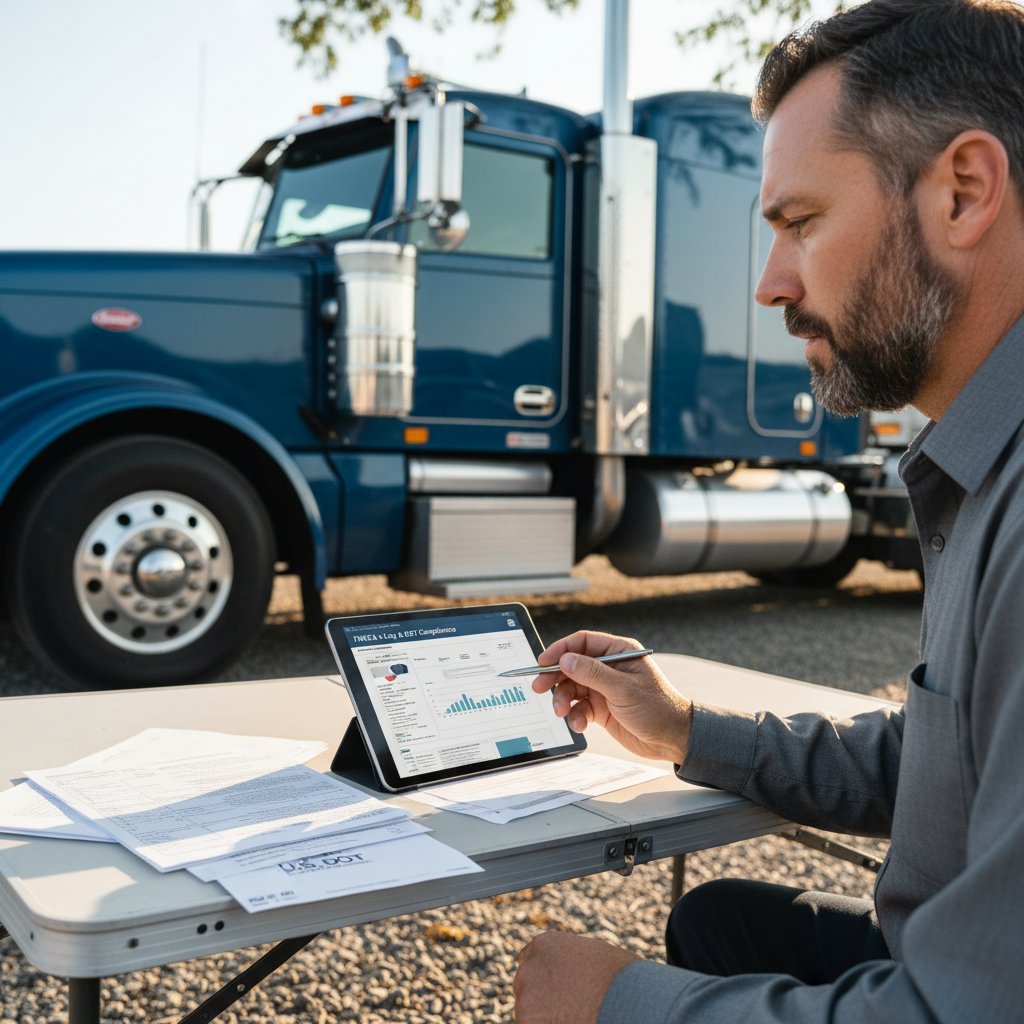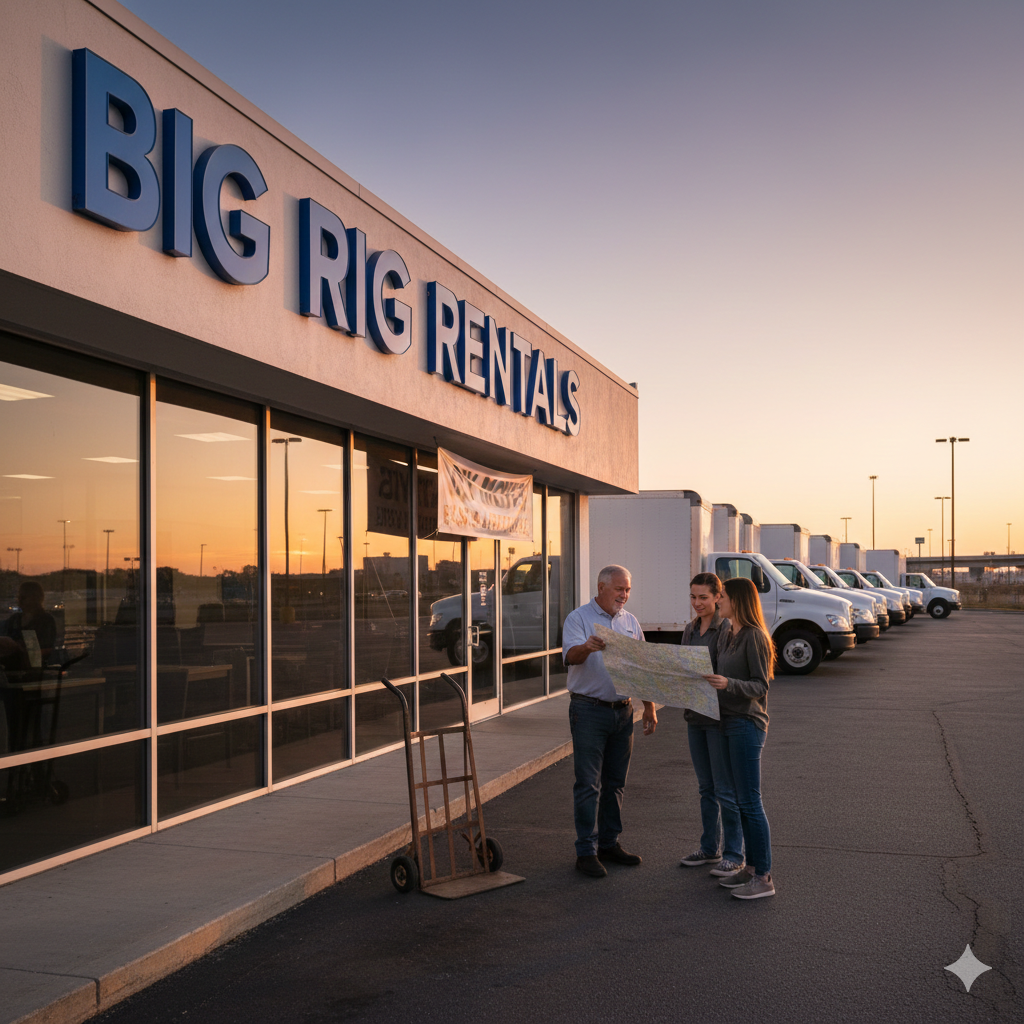
Learn the real benefits of renting a truck for businesses—cash flow, flexibility, maintenance, and compliance—plus commercial truck insurance basics. Get a quote.
For most small fleets and owner-operators, commercial truck insurance is the “make-or-break” detail when you rent a truck—because renting can boost cash flow and flexibility, but it can also create coverage gaps if your policy isn’t set up for hired units. Here’s the straight answer: renting a truck helps businesses stay flexible, protect cash flow, reduce downtime, and access newer equipment without taking on depreciation or long-term debt.
The “gotcha” is risk transfer: maintenance and ownership headaches often go down, but insurance and liability details can get more complicated (especially hired auto, physical damage, and cargo). If you want a baseline checklist before you add equipment, start here: commercial truck insurance.
Key Takeaways: Essential Benefits of Renting a Truck for Businesses
- Cash flow wins: Renting avoids big down payments and long-term loans, keeping working capital available for fuel, payroll, and repairs.
- Flex up or down fast: Add capacity for peak season, project work, or breakdown replacement without committing to another truck payment.
- Downtime protection: Many rental programs reduce shop time and offer replacement options—critical when revenue depends on turning miles.
- Insurance can make or break the deal: Renting may create coverage gaps (hired auto, physical damage, cargo) unless your trucking insurance is structured correctly.
Table of Contents
Reading time: 8 minutes
- The Business Case for Renting vs. Buying (It’s About Risk + Cash Flow)
- 9 Real Benefits of Renting a Truck for Businesses
- The Insurance Reality: Renting Can Create Expensive Coverage Gaps
- Frequently Asked Questions
- The Logrock Difference: Insurance Built for Business Owners
- Conclusion & Get a Truck Rental Insurance Review That Protects Your Cash Flow
The Business Case for Renting vs. Buying (It’s About Risk + Cash Flow)
A new or late-model Class 8 tractor commonly costs $150,000–$200,000+, so buying typically increases fixed overhead through financing, taxes, and long-term maintenance risk. Renting isn’t “cheaper” in every scenario, but it’s often a smarter risk move when you don’t want to tie up capital, you need short-term capacity, or you’re trying to avoid downtime.
Here’s the practical way to frame it:
- Buying is usually best when you have stable lanes, predictable utilization, and you plan to keep the truck working year-round.
- Renting is usually best when demand is seasonal, you’re testing new work, or you need a quick replacement while your unit is in the shop.
Quick comparison: Rent vs. Buy (high-level)
| Factor | Renting a Truck | Buying a Truck |
|---|---|---|
| Upfront cash | Low | High (down payment, taxes, fees) |
| Monthly obligation | Flexible | Fixed (note + insurance + maintenance) |
| Maintenance risk | Often reduced | On you |
| Depreciation | Not your problem | Your problem |
| Speed to scale | Fast | Slower (financing, spec’ing, delivery) |
| Long-term CPM | Often higher | Often lower (if utilized well) |
If you want a deeper insurance baseline as you scale, start with a checklist like commercial truck insurance so you’re not guessing when you change equipment.
9 Real Benefits of Renting a Truck for Businesses
Commercial truck rentals can be set up on short terms (often daily, weekly, or monthly), which lets businesses add capacity without committing to multi-year debt or depreciation. Below are the real-world benefits businesses lean on when they rent instead of buy.
1. Preserve Cash Flow (No Big Down Payment)
- What it is (in plain English): You pay for time and usage—not ownership.
- Why it’s essential (the business risk): Cash tied up in a down payment can’t buy fuel, cover tires, handle tolls, or float you during slow pay.
- Who needs it: Contractors, small carriers, owner-ops adding a lane temporarily, or anyone juggling tight working capital.
- Pro tip (veteran advice): Compare the rental cost to your revenue per day, not “monthly.” If the rental keeps you moving while your truck is down, it can be ROI-positive even if the daily rate feels steep.
2. Avoid Depreciation and Resale Headaches
- What it is: You’re not eating the value drop when the market turns.
- Why it’s essential: Used truck pricing can swing fast; buying at the wrong time can lock in a loss you feel for years.
- Who needs it: Businesses that don’t want asset risk on the balance sheet (or don’t have the time to deal with selling equipment).
3. Scale Capacity Up (or Down) Without Another Truck Payment
- What it is: Add a unit for a seasonal push, a new contract, or a surge in brokered freight.
- Why it’s essential: A fixed payment during a soft market kills margins fast.
- Who needs it: Small fleets, hotshot operators, and regional carriers with seasonal customers.
- Pro tip: If you’re running hotshot, confirm you can get the right setup (payload, hitch, bed, and compliance). Your hotshot insurance may need updates depending on GVWR and use.
4. Reduce Downtime When Your Truck Breaks (Revenue Protection)
- What it is: A rental can keep you hauling while your unit is waiting on parts or shop labor.
- Why it’s essential: Downtime is a cash flow emergency—truck note, insurance, and personal bills don’t pause because your turbo failed.
- Who needs it: Any owner-operator living on weekly settlements.
- Pro tip: Before you rent, confirm what happens if the rental has a mechanical issue mid-load (swap unit, road service, reimbursement).
5. Maintenance and Repairs May Be Included (Less Surprise Spend)
- What it is: Many commercial rental programs include scheduled maintenance and sometimes replacement support.
- Why it’s essential: One major repair can erase your profit for the month.
- Who needs it: Businesses that can’t afford unpredictable repair spikes.
- Reality check: “Included maintenance” doesn’t always mean “no cost.” Tires, abuse, or damage can still hit your pocket—read the agreement.
6. Access Newer Trucks (Better MPG, Safety Tech, Compliance)
- What it is: Rentals are often newer, with updated safety systems and better fuel efficiency.
- Why it’s essential: MPG matters, and so does reliability—especially if you’re trying to protect your on-time performance.
- Who needs it: Long-haul and regional operations where fuel and breakdown risk drive cost-per-mile (CPM).
- Pro tip: Confirm the unit fits your world (ELD compatibility, any required telematics, and whether you can mount devices without violating the rental terms).
7. Easier Compliance for Certain Jobs (Emissions / Local Restrictions)
- What it is: In some markets, newer trucks help you meet customer site rules or regional emissions requirements.
- Why it’s essential: Getting turned away at a shipper or job site is lost revenue (and sometimes a relationship hit).
- Who needs it: Construction, municipal work, or operations entering stricter metro areas.
8. Specialized Equipment Access Without Owning It
- What it is: Rent the right tool for the job—box, flatbed, day cab, sleeper, or a specific spec.
- Why it’s essential: Owning specialized equipment that sits idle is a slow financial bleed.
- Who needs it: Project-based businesses, seasonal operations, and anyone testing a new service line.
9. “Try Before You Buy” (Make a Smarter Equipment Decision)
- What it is: Use the rental period to validate the spec: comfort, fuel burn, maintenance patterns, and real-world performance.
- Why it’s essential: A wrong purchase traps you in a high payment and bad CPM.
- Who needs it: Anyone considering a new make/model, powertrain, or switching operation type (regional → OTR, dry van → reefer, etc.).
The Insurance Reality: Renting Can Create Expensive Coverage Gaps
FMCSA requires at least $750,000 in public liability for most interstate for-hire motor carriers of non-hazardous property, and higher limits (including $1,000,000 and $5,000,000) apply to certain hazardous materials—so you must confirm exactly which policy is primary when a rented unit is under your authority. This is where a lot of businesses get burned: the rental agreement might look simple, but the risk chain isn’t.
Here’s the clean way to think about it: the rental company owns the truck, but you’re operating it—and your authority/operations determine what insurance must respond.
Common rental insurance questions (and what to verify)
| Insurance item | Why it matters | What to confirm |
|---|---|---|
| Primary auto liability | Required to run legally and satisfy brokers/shippers | Is liability provided by you (your policy) or the rental company? Limits? Filings? |
| Hired auto liability | Extends liability coverage to vehicles you “hire/rent” | Does your trucking insurance include hired auto (often Symbol 8 on commercial auto policies)? |
| Physical damage (comp/collision) | Covers damage to the truck itself | Does your policy cover damage to rented trucks, or will the rental company require/charge a damage waiver? |
| Motor truck cargo | Covers the freight you’re hauling | Is cargo required by the broker/shipper? Any exclusions for the commodity? |
| Non-trucking liability / bobtail | Off-dispatch protection (varies by policy) | If you’re an owner-op renting, confirm how “off duty” use is treated and whether it applies to the hired unit. |
Pro tip (owner-operator reality): If you’re renting to stay moving while your truck is down, your priority is keeping your authority compliant and avoiding a claim denial. That means aligning the rental agreement, the dispatch status, and the policy language—especially on hired auto and physical damage.
If your goal is affordable trucking insurance, don’t just shop price. Shop for the correct coverage structure so you’re not paying out-of-pocket after an incident.
Stop Guessing—Make Sure Your Rental Is Actually Covered
Renting can protect cash flow, but only if your commercial truck insurance lines up with your rental agreement and how you operate (authority, cargo, radius, dispatch status). A quick review can uncover gaps in hired auto, physical damage, or cargo before you roll under load.
- Hired auto & liability review: confirm which policy is primary and which symbols/endorsements apply.
- Cargo + physical damage gap check: avoid surprise billbacks after a loss.
- Fast COIs: get certificates out quickly when brokers ask.
Frequently Asked Questions
Many brokers and shippers require $1,000,000 auto liability and $100,000 motor truck cargo even when FMCSA’s federal public-liability minimum is $750,000 for most interstate property carriers, so rental coverage questions should be answered before dispatch. These are the questions that come up most when businesses rent trucks.
Renting a truck gives businesses cash flow flexibility, fast scaling, reduced downtime risk, and access to newer equipment without long-term debt or depreciation. It’s especially useful for seasonal work, project-based demand, or covering a breakdown so revenue doesn’t stop. The trade-off is that you must confirm the operational details—maintenance responsibilities, mileage limits, and how your trucking insurance applies to a hired/rented unit (including hired auto liability and physical damage).
Renting is usually better when demand is uncertain or seasonal, or when you need a quick replacement to protect revenue while your truck is down. Buying is usually better when you have steady utilization and want a lower long-term cost-per-mile (CPM). A clean rule is this: if you can’t keep the truck moving consistently (paid miles), a fixed payment plus semi truck insurance can drag down margins fast—especially when repairs and downtime stack up.
Some commercial truck rentals include scheduled maintenance, but what’s “included” depends on the contract terms and the provider’s program rules. Many programs cover routine service, while items like tires, damage, misuse, or after-hours service may still be billed back to you. Before you roll, get clarity in writing on breakdown swaps, road service, and what happens if the unit can’t finish a load—because detention pay rarely covers a multi-day delay.
When renting a commercial truck, you must confirm who provides primary auto liability and whether your policy includes hired auto liability for rented vehicles (often Symbol 8 on commercial auto policies). Depending on the load and broker/shipper requirements, you may also need motor truck cargo and physical damage coverage (or an equivalent damage waiver). FMCSA requires at least $750,000 public liability for most interstate property carriers, but many contracts require $1,000,000+ and specific cargo limits, so verify requirements before dispatch.
The Logrock Difference: Insurance Built for Business Owners
FMCSA compliance often requires correct auto-liability filings (such as BMC-91 or BMC-91X) tied to your operating authority, which is why rental trucks need to be handled correctly in your coverage structure and certificates. Logrock is built around the reality that you’re not just “buying a policy”—you’re protecting a business that runs on tight margins and constant compliance pressure.
What we focus on
- Structuring commercial truck insurance for real operations (authority, radius, commodity, dispatch status)
- Helping you avoid coverage gaps when you add capacity—especially rentals and temporary equipment
- Fast turnaround on COIs and insurance details so you can book freight and keep the wheels turning
If you’re running hotshot, a straight truck, or a semi, we’ll help you align the policy so it matches how you actually work—not how an application guesses you work.
Conclusion & Get a Truck Rental Insurance Review That Protects Your Cash Flow
FMCSA’s $750,000 federal liability minimum is not the same thing as “you’re covered for your rental,” so your rental agreement and your trucking insurance must be aligned before you haul under load. Renting a truck can be a smart business move—but only if one incident doesn’t turn into an out-of-pocket disaster.
Key Takeaways:
- Renting protects cash flow and reduces long-term asset risk.
- It’s a strong play for seasonal demand, project work, or breakdown replacement.
- The biggest risk is an insurance gap (hired auto, physical damage, cargo, liability structure).
If you’re renting now (or planning to), get your coverage checked before you roll.
Related reading: Commercial Truck Insurance Basics, Trucking Insurance for Owner-Operators, and Hotshot Insurance Guide.