
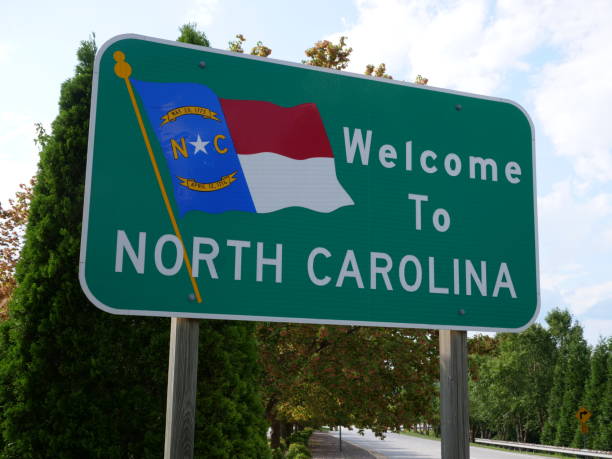
From the furniture hubs of High Point to the banking capital of Charlotte and the ports of Wilmington, North Carolina offers diverse freight opportunities.
For truckers, the regulatory environment is split: General Freight is largely regulated by the NCDMV and follows federal standards, while Household Goods Movers are strictly regulated by the North Carolina Utilities Commission (NCUC).
Critical 2025 Update: Effective July 1, 2025, North Carolina Senate Bill 452 increases the state minimum auto liability limits to $50,000/$100,000/$50,000. While heavy trucks (over 26,000 lbs) are already above this, light-duty hotshots and couriers currently running on the old $30k/$60k limits will see their premiums rise upon renewal.
In North Carolina, the average commercial truck insurance premium typically lands between $7,500 and $13,500 per year. This guide breaks down exactly what you need to pay to keep your authority active.
Key Takeaways: North Carolina Truck Insurance Costs
- The Price Tag: Expect to pay around $10,800 annually for a Semi-Truck with a clean record.
- Monthly Breakdown: A typical owner-operator pays roughly $900/month for Liability and $200/month for Physical Damage.
- The NCUC Factor: Intrastate Movers must obtain a certificate from the Utilities Commission and file Form E and Form H. General freight carriers generally do not need NCUC authority, just NCDMV compliance.
- Ag Exemptions: Hauling unprocessed agricultural commodities (logs, wood chips, raw crops) intrastate within 150 miles is often exempt from federal safety regulations, but you still need insurance.
Real Numbers: Estimated Costs by Truck Type
Let's look at the hard data. The following estimates represent the average annual cost for Auto Liability ($1M Limit) for a driver with a clean record in North Carolina. North Carolina rates are competitive, but Log Trucks in the western mountains face higher Physical Damage premiums due to terrain risks.
| Vehicle Type | Limit $300,000* | Limit $750,000 | Limit $1,000,000 (Standard) |
|---|---|---|---|
| Hotshot | $6,500 | $8,800 | $10,200 |
| Box Truck | $5,200 | $6,800 | $8,500 |
| Dump Truck | $6,800 | $9,200 | $11,500 |
| Semi Truck | $8,500 | $10,800 | $12,800 |
| Log Truck | $9,000 | $11,500 | $13,500 |
Last updated: December 15, 2025.
Logrock Reality Check: While state law allows limits like $50k/$100k for light vehicles (starting July 2025), most freight brokers will not load you without $1,000,000 in liability. The lower state limits are only practical for private carriers (e.g., a plumber's work van) or very small local couriers.
Liability Limits: Intrastate vs. Interstate
North Carolina rules change depending on whether you cross state lines and what you haul. We have broken this down into two tables to make it clear.
Table 1: Intrastate Requirements (NCDMV / NCUC)
For trucks that never leave North Carolina (e.g., Raleigh to Asheville).
| Vehicle Weight / Type | Minimum Liability Limit | Filing Required? |
|---|---|---|
| Freight < 26,000 lbs | $50k/$100k/$50k (New July 2025)* | No |
| Freight > 26,000 lbs | $750,000 CSL | No (Proof in Cab) |
| Household Goods (Movers) | $100k/$300k/$50k (min) | Yes (Form E+H) |
| Hazmat | $1,000,000 - $5,000,000 | Yes (Form E) |
| Passenger (16+ seats) | $5,000,000 CSL | Yes (Form E) |
Note: "CSL" means Combined Single Limit. Critical: Effective July 1, 2025, the absolute minimum for any auto policy in NC rises to $50,000 BI per person / $100,000 BI per accident / $50,000 PD. The old $30/60/25 limits are expiring. General Freight carriers do NOT need a Form E filing for intrastate work; they register with NCDMV. Movers MUST file Form E with the NCUC.
Table 2: Interstate Requirements (FMCSA / Federal)
For trucks that cross state lines (e.g., Charlotte, NC to Columbia, SC).
| Vehicle Weight / Type | Minimum Liability Limit | Filing Required? |
|---|---|---|
| Freight < 10,000 lbs | $300,000 CSL | No (Unless Hazmat) |
| Freight > 10,001 lbs | $750,000 CSL | Yes (BMC-91X) |
| Hazmat (Gas/Oil/Explosives) | $1,000,000 - $5,000,000 | Yes (MCS-90) |
| Passenger (16+ seats) | $5,000,000 CSL | Yes (BMC-91X) |
North Carolina Requirements & Critical Filings
To operate legally, your insurance agent must understand the difference between NCDMV and NCUC regulations.
- Form E: Mandatory ONLY for NCUC-regulated carriers (Household Goods Movers, Passenger Carriers). Standard general freight carriers (hauling pallets, dry goods) do not file this; they just carry a Certificate of Insurance (COI) in the truck.
- Form H: Mandatory for Household Goods Movers to prove Cargo Insurance coverage (Minimum $35,000 per vehicle / $50,000 aggregate).
- NCUC Certificate (C-#): Movers must obtain this certificate to operate legally. Operating as a "rogue mover" without it can lead to vehicle seizure.
- July 2025 Limit Increase: If you renew your policy after July 1, 2025, ensure your "Split Limits" are at least 50/100/50. NCDMV will reject renewals with the old 30/60 limits.
Your Questions Answered: "People Also Ask" FAQs
Yes. North Carolina requires all commercial vehicles with a GVW > 10,001 lbs to obtain a USDOT number, even if they never cross state lines.
If you haul general freight (not movers/passengers) intrastate, you typically do not need an "Operating Authority" certificate (MC Number equivalent) from the state. You just need a USDOT number and proper registration/insurance with NCDMV.
Log trucks are often exempt from certain federal safety rules (like ELDs) if staying within 150 air miles (Ag Exemption), but they must still carry liability insurance. We highly recommend Loggers Broad Form to cover loading accidents in the woods, which standard policies exclude.
The Logrock Difference: We Are Ready for July 2025
North Carolina is changing its rules. While most big rigs are safe, many Hotshots and Box Trucks run on lower limits that will become illegal in July 2025. At Logrock, we ensure you are compliant with the future laws, not just today's. We check if you need the NCUC Form E (for movers) or just a solid COI (for freight), saving you from paying for filings you don't need.
Conclusion & Get Your North Carolina Quote
North Carolina offers a balanced market for truckers, but the July 2025 liability increase is a critical deadline. Ensure your policy is ready. Ready to get a solid number for your business? Contact Logrock today for a customized, no-obligation quote and keep your wheels turning.



