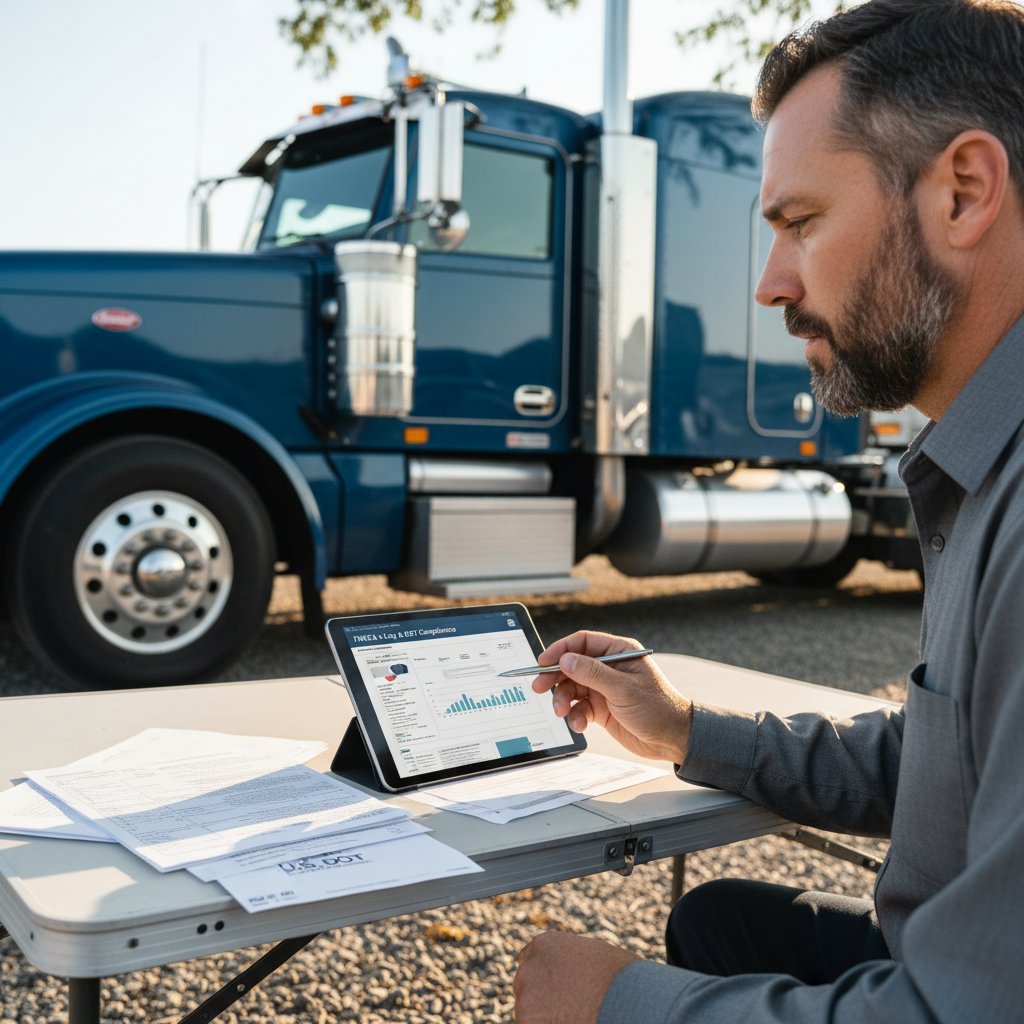
Are trucks more expensive to insure than cars? Sometimes. Here’s what drives pickup rates in 2026 (minimum vs full coverage, trim/tech, EV/hybrid impacts) and the practical moves that lower your premium.
Your insurance bill isn’t just an “expense.” It’s a monthly drag on cash flow—right up there with fuel, tires, and maintenance. If you’re shopping a pickup (or renewing), it’s fair to ask the blunt question: are trucks more expensive to insure than cars, or is that mostly internet noise?
Answer (featured snippet): Trucks are sometimes more expensive to insure than cars, but often only slightly—many 2026 comparisons show single-digit percentage differences when the driver, ZIP code, and coverage are comparable. The real price drivers are vehicle value and repair costs (especially sensors/ADAS), crash severity, theft/claim patterns, and your ZIP code + driving record—not the word “truck” on the registration.
This guide breaks it down like a business owner: minimum vs full coverage, why some pickups are cheap and others are brutal, what changes with EV/hybrid trucks, and when a pickup crosses into commercial auto insurance territory (including hotshot setups).
Key Takeaways: Essential Truck Insurance Cost Truths
- “Truck vs car” is usually a small difference; your driver profile + location often matter more than body style.
- Full coverage is where trucks can get expensive, because higher MSRP and repair complexity can raise comp/collision costs.
- Trims and tech packages matter: a “loaded” pickup can insure more like a luxury SUV than a work truck.
- If you use your pickup for business/for-hire, you may need commercial truck insurance (not a personal policy) to avoid claim-denial surprises.
Table of Contents
Reading time: 10 minutes
- Quick Answer: Are Trucks Usually More Expensive to Insure?
- Full Coverage vs Minimum Coverage: Why Prices Look “All Over the Place”
- Why Some Trucks Are Expensive (and Others Aren’t)
- What Factors Affect Truck Insurance Rates Most?
- Which Trucks Are Cheapest to Insure? (And Which Get Pricey Fast)
- EV & Hybrid Pickup Trucks: Are They More Expensive to Insure?
- Regional Differences: Why Your State and ZIP Code Can Swing the Price
- How to Lower Pickup Truck Insurance Costs (2026-Proof Moves)
- Personal vs Commercial: When a Pickup Needs Commercial Auto Insurance
- Why Logrock Cares About This (Even If You’re “Just Driving a Pickup”)
- Your Questions Answered: “People Also Ask” FAQs
- Conclusion & Next Step: Price the Exact Truck You’re Driving
Quick Answer: Are Trucks Usually More Expensive to Insure?
In many 2026 rate comparisons, pickup premiums differ from comparable sedans by under 10% when the driver, ZIP code, and coverage are matched.
For most drivers, pickup truck insurance is often a little higher than car insurance—but not dramatically higher. Where people get misled is when “truck” gets compared to “car” without matching coverage (liability-only vs full coverage), trim level, or garaging ZIP code.
1. Why you’ll see conflicting “averages” online
What it is (plain English): Two websites can both be “right” and still show different numbers.
Why it matters (business risk): If you buy a truck based on the wrong average, you can lock in a higher payment for years.
Who needs it: Anyone shopping a pickup, renewing, or switching insurers.
- Minimum vs full coverage: This is the biggest “apples vs oranges” problem.
- What counts as a “truck”: Midsize work pickup vs loaded half-ton vs heavy-duty changes the math.
- Driver and ZIP code mix: Averages shift based on who’s in the dataset.
- Liability-only vs comp/collision: Adding physical damage coverage is where vehicle cost hits hardest.
Full Coverage vs Minimum Coverage: Why Prices Look “All Over the Place”
Full coverage (liability + comprehensive + collision) typically costs more than state-minimum liability because it pays for theft, weather damage, and at-fault damage to your own vehicle, which can run into thousands of dollars per claim.
This is the part most articles gloss over, and it’s the #1 reason people argue online about truck vs car insurance cost.
2. Minimum coverage (liability-only): why trucks and cars can price similarly
What it is: “Minimum coverage” usually means the state-required liability limits (and sometimes uninsured motorist, depending on the state).
Why it’s essential: It keeps you legal—but it does not pay to fix your truck if you wreck it.
Who needs it: Owners of older paid-off vehicles who can self-fund repairs (or replacement).
Why the price gap can shrink here: Liability pricing is heavily driven by you (record, age, mileage, territory). The vehicle matters, but usually less than with physical damage coverages.
3. Full coverage (liability + comp + collision): where trucks can get expensive
What it is: “Full coverage” is shorthand for liability + comprehensive + collision (and you pick a deductible).
Why it’s essential: If you finance/lease, it’s typically required. And if a $55,000–$80,000 pickup gets totaled, you don’t want that loss landing on your household balance sheet.
Who needs it: Financed/leased trucks, newer vehicles, anyone protecting a high-value asset.
Why trucks can cost more here: More expensive parts + more labor time + more calibration work (cameras, radar, lane-keep, automatic emergency braking).
Simple comparison table (use this to sanity-check quotes)
| Coverage Level | What’s Included (Typical) | What Drives Cost Most | When a Truck Tends to Cost More |
|---|---|---|---|
| Minimum (Liability) | Bodily injury + property damage | Driver risk + location | If your truck is driven more miles or garaged in higher-loss territory |
| Full Coverage | Liability + comp/collision | Vehicle value + repair costs + claim patterns | Higher MSRP trims, heavy tech packages, high theft models |
Why Some Trucks Are Expensive (and Others Aren’t)
Truck insurance is expensive when expected claim costs rise due to higher replacement value, more complex repairs, and higher theft or crash-severity patterns for that specific model and trim.
4. Cost drivers that push truck premiums up
What it is: The underwriting reasons your premium climbs.
Why it’s essential: If you understand the levers, you can choose a truck (and a coverage setup) that doesn’t torch your monthly budget.
Who needs it: Pickup owners, especially anyone cross-shopping trims.
- Higher MSRP / higher replacement cost: Luxury trims can price more like premium SUVs than “work trucks.”
- Expensive parts: Tailgates, LED assemblies, and bumper systems add up fast.
- ADAS calibration after repairs: Cameras/radar often require recalibration after even minor collisions.
- Crash severity: Vehicle mass/height can increase damage in multi-vehicle claims.
- Theft rates: Certain model lines (and certain regions) get hit harder.
5. Reasons a truck can be similar—or cheaper—than a car
What it is: Not every pickup is automatically a “high-risk” vehicle.
Why it matters: You can overpay if you assume “truck = expensive” and stop shopping.
Who needs it: Anyone comparing a pickup to a crossover/sedan.
- Strong safety ratings: Good crashworthiness reduces injury severity and loss costs over time.
- Standard AEB: Automatic emergency braking can reduce certain crash types (even if repairs can be pricier).
- Moderate MSRP trucks: Midsize trims can be cheaper to insure than luxury sedans with costly parts.
What Factors Affect Truck Insurance Rates Most?
Insurers rate pickup policies using a mix of driver risk (record, mileage, household drivers), vehicle risk (year/trim, repair cost, theft), and territory risk (ZIP code loss patterns).
If you want the practical answer: you can’t control everything—but you can control more than you think.
6. Driver factors (often bigger than “truck vs car”)
What it is: The insurer is pricing the odds of a claim—based on your history.
Why it’s essential: A clean record is one of the few “discounts” that never expires.
Who needs it: Everyone.
- Tickets, accidents, prior claims
- Age/experience
- Annual mileage (commute vs pleasure)
- Credit-based insurance score (where allowed)
- Multi-driver household risk
7. Vehicle factors (trim level is the silent killer)
What it is: The truck itself—year/trim, engine, options—can change repair math fast.
Why it’s essential: Two “F-150s” can insure like two totally different vehicles depending on trim and tech.
Who needs it: Anyone shopping, especially if you’re looking at premium packages.
- MSRP and replacement cost
- Parts cost, repair time, and calibration needs
- Safety tech (can lower crash frequency, but raise repair cost)
- Theft attractiveness and parts demand
8. Location factors (ZIP code reality check)
What it is: Where you park and drive.
Why it’s essential: You can be a perfect driver and still pay more in a high-loss area.
Who needs it: Anyone who moved recently or parks on the street.
- Traffic density and claim frequency
- Theft/vandalism rates
- Weather (hail, flooding, wildfire)
- Medical and legal environment (claim costs)
Which Trucks Are Cheapest to Insure? (And Which Get Pricey Fast)
The cheapest trucks to insure are usually the ones with lower replacement cost, widely available parts, and lower theft/claim frequency in your specific ZIP code.
You asked: Which trucks are the cheapest to insure? The honest answer is: it depends on insurer pricing—but there are consistent patterns.
9. Patterns that tend to make a pickup cheaper to insure
What it is: “Insurance-friendly” pickup characteristics.
Why it’s essential: You can lower your premium before you even sign the bill of sale.
Who needs it: Shoppers.
- Midsize pickups: Often lower replacement cost than loaded full-size models.
- Mainstream trims: Avoid luxury/performance “halo” pricing when you don’t need it.
- Good safety + common parts: Lower downtime and lower repair friction can help.
- Lower theft exposure: Depends heavily on your area.
Pro tip: When you request quotes, quote the exact year/trim. Don’t accept “close enough.” “XLT vs Platinum” is not close enough.
10. When a truck gets pricey fast
What it is: The “premium creep” that hits certain builds.
Why it matters: You’ll feel it every month, not just at purchase time.
Who needs it: Anyone considering high-end trims.
- High-performance/off-road packages: More expensive parts and higher claim severity potential.
- Brand-new model years: Higher MSRP and sometimes slower parts supply.
- Heavy sensor suites: More calibration steps after repairs.
EV & Hybrid Pickup Trucks: Are They More Expensive to Insure?
EV and hybrid pickup trucks can cost more to insure when battery-related repairs and high-voltage labor requirements raise comprehensive and collision claim severity.
This is a real 2026 content gap in most articles: electric truck insurance cost and hybrid pickup pricing aren’t the same as gas.
11. Why EV/hybrid trucks can cost more
What it is: EVs and hybrids can be more complex to repair.
Why it’s essential: “Cheap fuel” doesn’t help if your premium and repair downtime jump.
Who needs it: EV/hybrid shoppers.
- Battery pack cost: Battery components can be expensive and repair decisions can be stricter.
- High-voltage safety procedures: Not every shop is equipped or certified for every job.
- Parts and labor constraints: Availability and specialized labor can affect claim cost.
- Higher curb weight: More weight can increase impact energy in some collisions.
12. Why EV/hybrid trucks can cost similar—or less
What it is: EVs also bring safety tech and discount programs in some cases.
Why it matters: You need quotes, not assumptions.
Who needs it: Anyone cross-shopping gas vs EV/hybrid.
- Advanced safety features: Often standard on EVs and higher trims.
- Carrier programs: Some insurers offer EV discounts or usage-based insurance (varies widely).
Regional Differences: Why Your State and ZIP Code Can Swing the Price
Two drivers with the same truck can pay very different premiums because insurers price risk by territory using local loss data (crash frequency, theft rates, weather, and claim costs).
If two drivers with the same truck pay wildly different premiums, it’s often state + ZIP code.
13. City vs rural differences for pickups
What it is: Risk changes based on where you drive and park.
Why it’s essential: Territory is a measurable driver—and it can overpower “truck vs car” debates.
Who needs it: Anyone moving, changing commute, or changing garaging.
- Cities: Higher theft/claim frequency and more low-speed collisions.
- Rural areas: Higher speeds, more animal collisions, and sometimes longer emergency response times.
How to Lower Pickup Truck Insurance Costs (2026-Proof Moves)
The most reliable ways to lower pickup insurance costs are to adjust deductibles, reduce insurable risk (mileage/garaging/security), and re-shop pricing at renewal to compare carriers using the same limits.
This is where you stop being “a rate” and start acting like an owner.
14. Discounts and levers that typically matter most
What it is: The controllable inputs that reduce premium.
Why it’s essential: A $60–$150/month reduction is real money over a year—fuel, tires, repairs, or debt payoff.
Who needs it: Anyone paying for full coverage, or anyone whose renewal just jumped.
- Raise deductibles: Only if you have cash reserves to cover them.
- Bundle policies: Auto + home/renters can help if the total premium pencils out.
- Update mileage: If your commute changed, make sure your policy reflects it (don’t misrepresent).
- Improve your MVR over time: Clean driving is a long-term rate reducer.
- Re-shop at renewal: Loyalty doesn’t always pay; compare apples-to-apples.
15. Truck-specific savings moves when shopping a vehicle
What it is: Build choices that influence comp/collision pricing.
Why it’s essential: You can’t “discount” your way out of an $80k trim with high theft risk.
Who needs it: Anyone shopping a pickup.
- Choose a lower MSRP trim: Fewer pricey options can mean lower comp/collision exposure.
- Balance safety tech vs repair cost: Great tech can prevent crashes, but repairs can be more complex.
- Address theft exposure: Secure garaging, anti-theft devices, and model choice matter in high-theft areas.
Want a real number (not an average)?
Quote the exact year/trim you’re driving (or buying) with deductibles you can actually afford—then compare carriers apples-to-apples.
- Year/trim-specific pricing: No “close enough” assumptions.
- Coverage checked for gaps: Especially important if the truck is used for work.
- No guesswork averages: Your ZIP code and driving history matter too much for averages.
Personal vs Commercial: When a Pickup Needs Commercial Auto Insurance
Most personal auto policies restrict or exclude for-hire hauling, and FMCSA requires $750,000 minimum public liability for many for-hire interstate carriers under 49 CFR 387.9.
A lot of people say “truck insurance” when they actually mean two very different products:
- Personal auto insurance for a pickup
- Commercial truck insurance / trucking insurance for business use (including hotshot)
16. When a pickup can cross into “commercial”
What it is: You may need a commercial policy depending on use, ownership, and insurer rules.
Why it’s essential: The worst time to learn your policy doesn’t fit is during a claim—especially if you were hauling for pay.
Who needs it: Contractors, small business owners, hotshotters, anyone hauling equipment daily.
- Business ownership: The truck is titled/registered to a business (common trigger, insurer-dependent).
- Job-site use: You regularly drive to job sites with tools/materials as core job duties.
- For-hire hauling: If you haul for compensation, you’re usually in commercial territory.
- Commercial “look and behavior”: Regular towing, equipment, signage, and higher utilization can change underwriting rules.
Important: If you’re running under DOT authority, hauling freight, or operating like a carrier, you’re not in “pickup vs car insurance” land anymore—you’re in commercial auto / trucking insurance territory (even if it’s a one-truck operation).
Why Logrock Cares About This (Even If You’re “Just Driving a Pickup”)
Mismatching the policy type to actual use is one of the most common reasons insurance claims get delayed, disputed, or denied—especially when a personal policy is used for business or for-hire activity.
Logrock works with business-minded operators, and we see the same mistake over and over: people optimize the wrong thing.
They chase the lowest premium without matching coverage to how the truck is actually used. That’s how you end up with a denied claim, a cancelled policy, or a broker/shipper refusing your COI on the commercial side.
Whether you’re buying a pickup for personal use or stepping into hotshotting, the goal is the same: pay for the risk you actually have—and cut the waste that doesn’t protect you. That’s how you get to affordable trucking insurance without gambling your livelihood.
Frequently Asked Questions
Most pickup insurance questions come down to coverage type (liability vs comp/collision), trim and repair cost, and whether the truck is used for business or for-hire—because a single collision repair can cost thousands of dollars.
Trucks are sometimes more expensive to insure than cars, but the difference is often small when the driver, ZIP code, and coverage are matched. Where pickups get noticeably pricier is under full coverage (comprehensive and collision), because higher MSRP trims, expensive tailgates/lighting, and ADAS sensor calibration can raise repair costs after even minor accidents. If you’re comparing prices, quote the exact year/trim and the same deductibles and liability limits on both vehicles. That’s the only way to separate “truck effect” from driver and location pricing.
Truck insurance rates are primarily driven by driver risk (tickets, accidents, claims, mileage), territory risk (ZIP code theft/crash/weather patterns), and vehicle risk (year/trim, MSRP, repair complexity, theft attractiveness). Two pickups with the same nameplate can rate very differently if one is a base work trim and the other has premium packages and advanced sensors. Deductibles also matter: a lower collision deductible usually increases premium because the insurer pays sooner and more often.
The cheapest trucks to insure are usually lower-MSRP trims with strong safety performance, widely available parts, and lower theft/claim frequency in your area. In practice, that often points to midsize pickups or mainstream full-size trims—not luxury, high-performance, or extreme off-road packages. Brand matters less than the combination of year/trim, replacement cost, and local loss patterns. The fastest way to identify an “insurance-friendly” pickup is to quote multiple carriers using the VIN (or exact trim build) before you buy.
Truck insurance cost per year varies widely because it depends on your state, ZIP code, driving history, mileage, and whether you carry liability-only or full coverage. Full coverage typically costs more because it includes comprehensive (theft, hail, vandalism) and collision (damage to your truck from an at-fault accident), which can create high-dollar claims on newer pickups. If you finance or lease, your lender commonly requires comp/collision, so your “real” cost will be based on full coverage—not minimum limits.
Some trucks are expensive to insure because expected claim severity rises with higher purchase price, more expensive parts, and more complex repairs (especially cameras, radar, and calibration). Theft risk also plays a major role: if a model is frequently stolen in your region, comprehensive pricing can jump. Finally, certain builds increase loss costs—new model years, luxury trims, and specialized off-road or performance packages can all push premiums up, even if the truck is “just a pickup” on paper.
Electric trucks can be more expensive to insure when battery-related repairs and specialized high-voltage labor increase collision and comprehensive claim costs. Parts availability and shop capability also matter, because limited repair networks can increase downtime and rental costs during claims. That said, some EV pickups come standard with advanced safety features that can reduce certain crash types, and some insurers offer EV-focused discounts or telematics programs. The outcome varies a lot by carrier, so the only dependable approach is to run quotes for your exact EV trim and your ZIP code.
Using your pickup for work can change your insurance because many personal auto policies restrict business use and typically restrict or exclude for-hire hauling. If you’re hauling tools to job sites, have the truck titled to a business, tow regularly, or transport goods for compensation (including hotshot work), your insurer may require a commercial auto policy. If you operate as a for-hire interstate carrier, FMCSA minimum public liability for many operations is $750,000 under 49 CFR 387.9. Confirm classification before a claim forces the issue.
Conclusion & Next Step: Price the Exact Truck You’re Driving
For many drivers in 2026, the “truck vs car” premium difference is often under 10% when you compare the same driver, ZIP code, and coverage levels.
There’s no universal rule that “trucks are always more expensive.” The difference between a pickup and a car is often small on paper—but trim level, full coverage vs minimum coverage, your ZIP code, and your driving record can swing the real number hard.
Key Takeaways:
- The “truck vs car” gap is often smaller than people think once you match coverage.
- Full coverage is where trucks can get expensive (MSRP + repair complexity + calibration).
- Quote the exact year/trim and set deductibles based on cash reserves—not wishful thinking.
If you want a real answer for your situation, run quotes for your exact year/trim, choose deductibles you can actually pay, and compare carriers apples-to-apples.
Compare quotes without guessing
Get a clean, year/trim-specific quote and make sure your coverage matches how you use the truck—personal, business, or for-hire.
Related Reading: (Internal links pending—RAG did not return metadata URLs in this environment. Editorial team to insert 2–3 relevant Logrock links here.)