
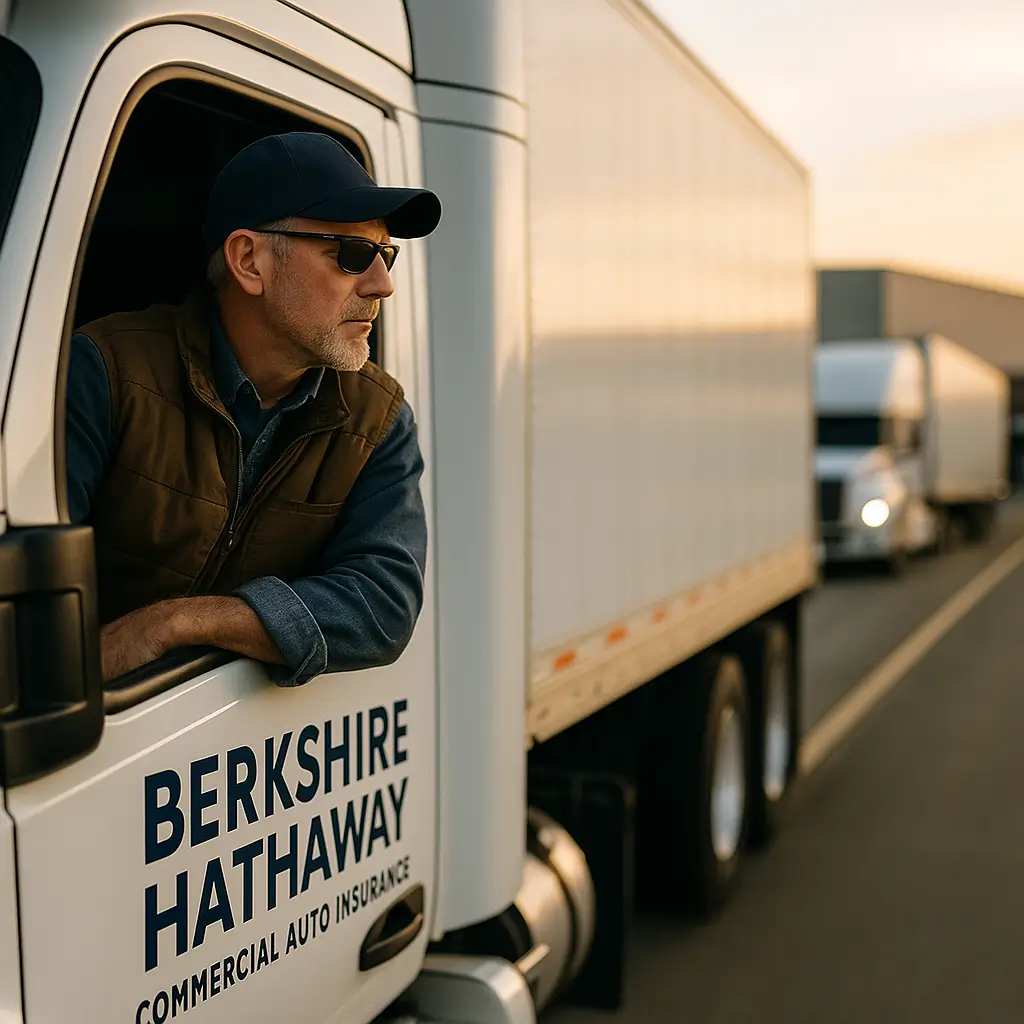
Compare Berkshire Hathaway commercial auto insurance options (GUARD, BHHC, biBerk, THREE). Learn coverages, cost drivers, and how to get a quote—then request a quote.

Berkshire Hathaway commercial auto insurance isn’t one single policy—it’s offered through multiple Berkshire companies and buying channels, so the “best” option depends on your vehicles, drivers, and how you want to purchase (online vs agent). If you want a quick, accurate decision: pick an agent-placed route (often GUARD or BHHC) for complex fleets or tougher classes, choose biBerk for a simpler online flow, and consider THREE if you prefer a small-business package approach (availability varies by state).
This guide breaks down which option fits best, which coverages actually matter, and what drives the price—so you don’t lose time (or contracts) over the wrong setup.
Key Takeaways: Essential Berkshire Hathaway Commercial Auto Insurance
- Berkshire Hathaway commercial auto insurance is sold through multiple subsidiaries/brands, so underwriting, availability, and buying experience can vary by state and business type.
- Core coverages are usually liability plus optional physical damage; common add-ons include Hired & Non-Owned Auto (HNOA), higher limits, and endorsements.
- Price is driven by risk basics (drivers, garaging ZIP, vehicle type/value, radius, prior losses, limits/deductibles)—not just the brand name.
- Your fastest “win” is a clean quoting packet (vehicles, drivers, loss runs) and fast proof-of-insurance handling (IDs/COIs) to keep jobs moving.
Table of Contents
Reading time: 8 minutes
Quick decision guide for Berkshire Hathaway commercial auto insurance (GUARD vs BHHC vs biBerk vs THREE)
Berkshire’s commercial auto options are commonly accessed through four recognizable names—GUARD, BHHC, biBerk, and THREE—and each can differ by state availability, underwriting appetite, and service model (agent vs online/direct).
The simplest way to choose is by how complex your operation is and how you prefer to buy—not by chasing a logo.
You’ll also want to confirm up front how quickly you can get proof of coverage for contracts, especially with multiple vehicles. If you’ve ever had work held up waiting on paperwork, review what a certificate of insurance (COI) for commercial auto fleets typically needs to show.
At-a-glance comparison
| Option | Best for | Buying experience | Common “fit” signal |
|---|---|---|---|
| GUARD | Fleets, mixed use, classes needing guidance | Agent-placed | You need endorsements structured correctly |
| BHHC | Risks needing more underwriting review | Agent-placed | You’ve been “declined” elsewhere without context |
| biBerk | Simpler small-business auto risks | Online/direct | You want speed and can answer usage clearly |
| THREE | Small businesses wanting consolidation | Package-style approach (varies) | You want fewer moving parts to manage |
1) Choose Berkshire Hathaway GUARD if…
- What it is (plain English): A traditional commercial carrier brand typically accessed through agents.
- Why it matters: When you have anything “non-standard” (multiple vehicles, tougher classes, special use), an agent placement can prevent misclassification and coverage gaps.
- Who it fits: Small-to-mid fleets, mixed-use vehicles, or owners who want an advisor to structure limits and endorsements.
2) Choose BHHC if…
- What it is: Another Berkshire Hathaway-linked underwriting option generally accessed through the agent channel.
- Why it matters: Manual underwriting and documentation can be the difference between “declined” and “approved,” especially when the risk doesn’t fit a one-click profile.
- Who it fits: Operations that need an agent to shop appetite and explain your risk clearly to underwriting.
3) Choose biBerk if…
- What it is: A direct/online-first approach aimed at simpler small-business risks.
- Why it matters: Speed—online quoting can cut days off the process when vehicles, drivers, and usage are straightforward.
- Who it fits: Straightforward risks, cleaner driver history, clear vehicle usage, and predictable radius.
4) Consider THREE if…
- What it is: A simplified small-business insurance approach that may bundle multiple coverages (availability and structure vary).
- Why it matters: Some owners want fewer moving parts—one place to service policies, pay bills, and request documents.
- Who it fits: Small businesses that want consolidation and simplicity more than customization.
Operator reality check: If you run hotshot, straight truck, or tractor-trailer work, confirm you’re buying the right product. People say “commercial auto” when what they really need is commercial truck coverage with the filings and endorsements that match authority and contracts.
Berkshire Hathaway commercial auto insurance coverages (and add-ons that actually matter)
Commercial auto policies are built around third-party liability plus optional physical damage (comprehensive and collision), and business contracts frequently require higher limits than state minimums (often $1,000,000 CSL).
Commercial auto is about protecting your balance sheet when a vehicle is involved—whether that’s a pickup, service van, box truck, or a heavier setup depending on eligibility.
1) Liability (the coverage that keeps you in business)
- What it is: Pays for injuries and property damage you cause to others (up to your policy limit).
- Why it matters: One serious crash can threaten the company, and contract limits can matter as much as legal minimums.
- Who needs it: Every business operating vehicles—period.
2) Physical Damage (comprehensive + collision) for your vehicle
- What it is: Covers your vehicle for theft, weather, animal hits (comprehensive) and wreck damage (collision), minus your deductible.
- Why it matters: If the vehicle is financed or leased, the lender usually requires it. Even if it’s paid off, replacing a vehicle out of pocket can wreck cash flow.
- Who needs it: Any business that can’t comfortably self-insure repairs or replacement.
3) Hired & Non-Owned Auto (HNOA) — the most common “surprise gap”
HNOA is liability coverage for vehicles your business uses but doesn’t own (rentals, borrowed vehicles, or employee personal cars used for work errands), and it’s a frequent gap for companies that “don’t think they have a fleet.”
- Why it matters: Your business can still get named in a lawsuit even if the vehicle isn’t titled to your company.
- Who it fits: Any business where employees occasionally drive personal vehicles for work or you rent/borrow vehicles.
If you’ve never bought this endorsement before, start with what hired and non-owned auto (HNOA) insurance covers so you know what you’re paying for—and what you’re not.
Optional add-ons to ask about (availability varies)
- Towing & labor / roadside assistance: Helpful for breakdowns and minor roadside events.
- Rental reimbursement: Can reduce downtime pain if a vehicle is in the shop.
- Higher limits / umbrella coordination: Important when contracts require higher limits or you want more protection.
- Special equipment endorsements: For permanently installed gear, tools, or service bodies that need to be scheduled properly.
How much does Berkshire Hathaway commercial auto insurance cost? (Real cost drivers)
Commercial auto premium is rated using driver MVRs, garaging ZIP, vehicle type and value, operating radius, prior losses, and selected limits/deductibles, and changing one variable can move premium by hundreds or thousands of dollars per vehicle per year.
There’s no honest “average price” that will help you budget across every state and business type, because pricing swings hard based on risk. But you can plan using the factors underwriters actually rate.
1) What drives cost the most (in plain English)
- Garaging ZIP + state: Where the vehicle sleeps matters.
- Driver quality: MVRs, experience, prior tickets/accidents.
- Vehicle type + value: A basic work pickup and a loaded service body aren’t priced the same.
- Radius/mileage: Local-only vs multi-state running changes exposure.
- Claims history (loss runs): Frequency hurts more than most owners expect.
- Limits + deductibles: Higher limits cost more; higher deductibles can reduce premium (but increase out-of-pocket risk).
2) Sample planning ranges (illustrative, not a quote)
Use these to sanity-check expectations, then get real quotes for your exact drivers and vehicles:
- 1–2 light commercial vehicles (local use, clean drivers): often lands in a manageable monthly range per vehicle, depending on state and limits.
- 5–10 vehicle fleet (mixed drivers, mixed use): usually higher per vehicle when driver quality is uneven; safety controls and clean hiring standards help.
- Higher-risk profiles (dense metro, higher limits, prior losses): premiums can jump fast because severity and frequency both rate against you.
Where businesses overspend: paying for add-ons they don’t need—or skipping the one endorsement they do need and getting burned later.
A classic example is HNOA. If you’re unsure, read do you need hired and non-owned auto coverage? and decide based on how your business actually uses vehicles (not how you wish it did).

How to get a quote for Berkshire Hathaway commercial auto insurance (and avoid re-quotes)
A complete commercial auto quote submission typically includes VINs, a driver roster, usage/garaging details, and (when available) up to 3 years of loss runs, and incomplete submissions commonly trigger re-quotes after underwriting review.
If you want speed and accuracy, treat quoting like a mini underwriting file—not a casual form.
1) Two quote paths (and when each wins)
- Online/direct (often biBerk-style): Best when vehicles and usage are straightforward and you can answer questions cleanly.
- Agent/broker (often GUARD/BHHC-style): Best when you have a fleet, special use, multiple locations, or anything that triggers manual underwriting.
2) What to have ready (so you don’t get re-quoted later)
- Vehicle list: VINs, values, usage, garaging locations.
- Driver list: DOB, license state/number (as requested), experience.
- Prior policy info: current/expiring limits and deductibles.
- Loss runs: if available, to speed underwriting review.
- Business details: years in business, operations, radius.
3) Binding coverage + proof for contracts (IDs & COIs)
For many businesses, insurance isn’t “done” until the COI matches the contract requirements and gets accepted by the job site, broker, or customer.
If you’ve got work waiting on paperwork, understand why COIs matter to keep loads/jobs moving (even outside trucking, the cash-flow principle is the same: no docs, no work).
Why this guide is built for operators (not brochure readers)
Proof-of-insurance documents like ID cards and COIs are often required before work starts, and incorrect certificate holder details or wording is a common reason contracts get delayed.
Most commercial auto content is written like a brochure. That’s not how you run a business.
What actually matters when you’re the one responsible for the risk
- No gaps: coverage matches real vehicle use and real drivers.
- No surprises: the endorsements you need are actually on the policy.
- No delays: IDs/COIs are easy to request and accurate when a contract is on the line.
If you’re coming from trucking—where filings, certificates, and compliance can kill momentum—get clear on the paperwork side too. Here’s a straight explanation of what a COI is for trucking operations and what it typically proves.
Frequently Asked Questions
Berkshire Hathaway commercial auto insurance cost depends on your drivers (MVRs), garaging ZIP, vehicle type/value, operating radius, liability limits, deductibles, and claims history—not the Berkshire name alone. A single change (like adding a driver with a recent at-fault accident or moving a vehicle into a denser ZIP) can materially increase the annual premium. For budgeting, focus on controllables: clean driver selection, consistent garaging, clear vehicle use classification, and deductibles you can actually absorb. The only way to get a decision-ready number is to quote using your real VINs, driver roster, and (when available) loss runs.
Berkshire Hathaway commercial auto policies typically include third-party liability coverage, and many accounts add physical damage (comprehensive and collision) with a chosen deductible for owned vehicles. Beyond that, optional coverages and endorsements vary by state and underwriting company, but common adds include higher liability limits to meet contract requirements (often $1,000,000 CSL), towing/roadside, rental reimbursement, and Hired & Non-Owned Auto (HNOA) when employees drive personal vehicles for work or you rent/borrow vehicles. The “included” list is always policy- and state-specific, so verify your declarations and endorsements page—not just the quote summary.
Commercial auto can be accessed through Berkshire Hathaway–associated brands such as GUARD, BHHC, biBerk, and THREE, but eligibility and appetite vary by state, class of business, vehicle type, and loss history. In practice, that means two businesses can both “buy Berkshire” and still end up with different underwriting rules, documentation requirements, and service experiences based on which company is writing the risk and whether the policy is placed through an agent or purchased online. The right option is the one that will write your risk correctly, issue proof documents quickly, and keep renewals stable.
If you rent vehicles or employees use personal cars for business errands, Hired & Non-Owned Auto (HNOA) is often the first optional coverage to evaluate because it helps address liability claims involving vehicles your business doesn’t own. Beyond HNOA, consider physical damage (if you can’t comfortably replace the vehicle), higher liability limits to meet customer requirements (often $1,000,000 CSL), and endorsements for permanently installed equipment or service bodies. If the terms are confusing, hired auto vs non-owned auto explained clarifies what each part does so you don’t buy the wrong endorsement.
Conclusion: Get the right fit (not just a brand name)
The fastest way to buy Berkshire Hathaway commercial auto insurance is to match one of the four common channels (GUARD, BHHC, biBerk, or THREE) to your risk profile, then submit complete vehicle and driver details so underwriting doesn’t rework your price later.
Your best move is to align the buying channel with your operation, confirm the coverages that protect your cash flow, and make sure proof-of-insurance documents won’t slow down revenue.
Key Takeaways:
- Pick the Berkshire option based on fit + buying channel, not the logo.
- Prioritize liability limits, physical damage, and endorsements that match actual usage (especially HNOA).
- Build a clean quote packet (VINs, drivers, loss history) so underwriting doesn’t re-quote you later.
Related reading: Use this COI checklist guide to request certificates correctly, and learn how to read a COI for commercial trucks so contract paperwork doesn’t become the bottleneck.





