Berkshire Hathaway truck insurance (2026): which companies write it, coverages to buy, how filings work, and how to quote fast. Get a quote.
Berkshire Hathaway truck insurance usually isn’t “one trucking insurer”—it’s a group of underwriting companies and programs, and the name on the ad isn’t the name that controls your policy contract. The practical move is simple: confirm the underwriting company on the quote/dec page, match coverages to your authority (leased-on vs. own authority), and make sure your filings and COI wording meet broker and FMCSA requirements before you roll.
Your truck can be paid off and still put you out of business—one bad wreck, one denied cargo claim, or one broker rejecting your COI on a Friday afternoon will do it. If you want a quick foundation on what’s actually required before comparing any brand or group name, start here: commercial truck insurance basics (what’s actually required).
Key Takeaways: Essential Berkshire Hathaway Truck Insurance
- “Berkshire Hathaway truck insurance” is usually multiple insurance companies/programs. Always verify the underwriting company on your quote/dec page—not the marketing name.
- Match coverage to your operation (leased-on vs. own authority). A lot of problems come from the wrong liability structure, missing filings, or the wrong bobtail/NTL setup.
- Cargo is where claims get messy. Commodity, limits, exclusions, and reefer requirements matter more than most owner-ops realize.
- Fast quotes come from clean info. DOT/MC, garaging ZIP, VINs, radius, commodity, driver history, and loss runs reduce re-quotes and surprises.
Table of Contents
Reading time: 10 minutes
- Is “Berkshire Hathaway truck insurance” one company or several?
- What coverages are available under Berkshire Hathaway truck insurance (and which ones you actually need)?
- How to get a Berkshire Hathaway truck insurance quote (and avoid compliance/COI problems)
- Frequently Asked Questions
- Why Logrock (and what we do differently)
- Conclusion & next step: Get the right quote, not just the cheapest
Is “Berkshire Hathaway truck insurance” one company or several?
“Berkshire Hathaway truck insurance” is a parent-brand label, and the policy is legally issued by a specific underwriting company listed on the declarations page, which determines the actual coverage forms, exclusions, claims handling, and filing capabilities.
That’s why two “Berkshire” quotes can look similar on the surface but behave very differently when a broker asks for COI wording or when a claim hits.
What to check on every quote (the “no surprises” list)
Before you compare pricing, check the quote, binder, or declarations page like you’re auditing a business contract.
- Underwriting company name: The carrier actually on the hook for the contract.
- Limits: Auto Liability, Cargo, and General Liability (if included).
- Deductibles: Physical damage and cargo deductibles are often different.
- Endorsements: Additional insured, waiver of subrogation, primary & noncontributory, etc.
- Filings: If you need federal/state filings, confirm they can be done correctly and on time.
Why this matters to your cash flow
Downtime is expensive, and insurance mistakes often show up as lost revenue, not just premium.
- You bind a policy that doesn’t satisfy a broker, so you can’t book loads.
- You think you have cargo coverage, then find out your commodity is excluded.
- You think bobtail/NTL covers you, but you’re actually “under dispatch” and uncovered.
What coverages are available under Berkshire Hathaway truck insurance (and which ones you actually need)?
A typical Berkshire Hathaway truck insurance quote is built on a commercial auto policy (liability + physical damage) with trucking add-ons like motor truck cargo, and requirements often start with FMCSA’s $750,000 minimum public liability for most for-hire interstate carriers under 49 CFR §387.9 (higher limits apply for certain hazmat and oil operations).
Below is the practical breakdown—what it is, the business risk, and who usually needs it.
| Coverage | What it protects | Who typically needs it |
|---|---|---|
| Primary Auto Liability | Injury/property damage to others | Own authority; many leased-on setups (depends on lease) |
| Physical Damage | Your tractor/trailer (comp + collision) | Financed units; owners with equity to protect |
| Motor Truck Cargo | Freight you’re legally liable for (with exclusions) | Most for-hire carriers hauling brokered freight |
| General Liability | Non-auto liability (premises/operations) | Often required by brokers/shippers |
| Bobtail / Non-Trucking Liability | Specific off-dispatch use (policy-defined) | Common for leased-on owner-operators |
1) Primary Auto Liability (Commercial Auto Liability)
Primary auto liability pays for bodily injury and property damage you cause to others in an at-fault accident, and it’s the core coverage tied to most FMCSA and broker requirements.
Brokers and shippers often require limits above the federal minimum, and they can reject your carrier packet if the COI doesn’t match the rate confirmation or contract wording.
Who needs it: Anyone hauling under their own authority, and many leased-on setups (the exact structure depends on the lease agreement).
2) Physical Damage (Comp + Collision) for your tractor/trailer
Physical damage protects your equipment (tractor and/or trailer) against collision, theft, vandalism, fire, and other covered causes of loss, subject to deductibles and valuation terms.
If you’re financed, it’s usually non-negotiable. If you raise deductibles to save premium, make sure you can fund that deductible the day after a claim.
Who needs it: Owner-operators with meaningful equity in the truck, especially financed units.
3) Motor Truck Cargo (not one-size-fits-all)
Motor truck cargo insurance covers covered loss or damage to freight you’re legally responsible for while in transit, but coverage depends on commodity, exclusions, conditions, and limit selection.
Cargo is where claims get messy: high-theft commodities, temperature requirements, unattended vehicle exclusions, and sub-limits can change whether a claim pays.
Who needs it: Most for-hire carriers hauling brokered freight (dry van, reefer, flatbed, hotshot—setup and commodity drive the form).
4) General Liability (GL)
General liability covers certain non-auto claims—like a slip-and-fall at a dock or premises/operations exposures—and it’s commonly required by brokers and shippers to access facilities or tender freight.
Who needs it: Many for-hire carriers; it’s a common contract requirement even when you already carry strong auto liability.
5) Bobtail vs. Non-Trucking Liability (NTL)
Bobtail / non-trucking liability is designed to cover specific tractor use when you’re not operating under a load or dispatch, but the trigger is defined by the policy wording and your lease arrangement.
This is where owner-operators get burned—especially leased-on drivers—because “not hauling a load” is not the same thing as “not under dispatch.”
If you want the clean explanation of the difference (and how insurers use the terms), read: bobtail vs. non-trucking liability (what you actually need).
Pro tip: Don’t guess. Your lease agreement + the motor carrier’s insurance + your policy language decide whether you’re “under dispatch.”
How to get a Berkshire Hathaway truck insurance quote (and avoid compliance/COI problems)
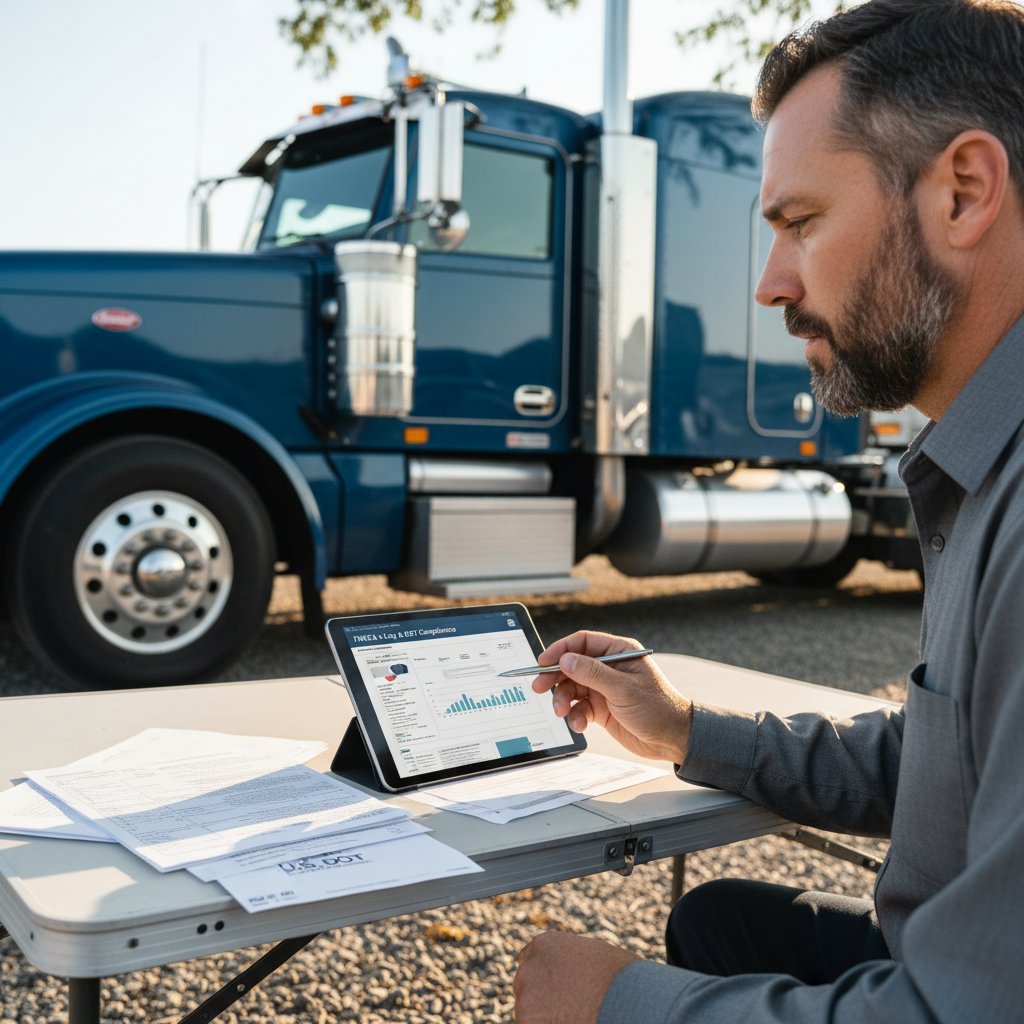
A fast and accurate Berkshire Hathaway truck insurance quote usually requires the same core underwriting inputs across the market—DOT/MC details, garaging ZIP, VINs, operating radius, commodity, driver history, and 3–5 years of loss runs if you’ve had prior commercial coverage.
If you want accurate quotes fast, treat it like underwriting is doing math on risk (because they are). The fastest way to blow up your timeline is being vague: “OTR, general freight” with no lanes, no values, and no driver history.
Step 1: Define your operation like an underwriter
Have these ready before you request quotes:
- Authority type: leased-on vs. own authority
- Radius: local / regional / OTR (be honest—claims investigations often pull location data)
- Commodity + max value: “general freight” isn’t enough if you ever touch electronics, alcohol, or other high-theft loads
- Equipment: tractor VIN, trailer VIN (if scheduled), stated values
- Garaging ZIP: where it sleeps most nights
Step 2: Gather the documents that stop re-quotes
- CDL + driver experience details
- MVRs (or authorization to pull)
- Loss runs (typically 3–5 years) if you have prior commercial coverage
- DOT/MC information (if you have it)
- Any contract requirements (broker packet, shipper agreement)
Step 3: Don’t get shut down on filings and federal compliance
For interstate for-hire motor carriers, FMCSA financial responsibility rules are tied to 49 CFR Part 387, and the MCS-90 endorsement is a federally required backstop on many auto liability policies used to satisfy FMCSA requirements.
If you’re operating under your own authority, you’re not just buying insurance—you’re buying the ability to stay active with regulators and brokers. One key item that gets misunderstood is the MCS-90 and federal requirements; here’s the straight breakdown: MCS-90 and FMCSA insurance requirements.
Practical business warning: A cheap policy that can’t do the right filings (or can’t do them correctly/quickly) isn’t affordable trucking insurance. It’s downtime.
Step 4: Understand what really drives pricing (so you can control it)
Commercial truck insurance pricing usually swings based on factors you can document and, sometimes, improve over time.
- New venture vs. established
- Operating radius + lanes
- Commodity + cargo limits
- Driver age/experience + violations
- Loss history
- Truck value + deductible choices
Realistic cost expectations (market reality)
Exact pricing depends on underwriting company, state, and risk profile, but the “real-world package” most for-hire operators land on is liability + physical damage + cargo because brokers and contracts rarely accept liability-only setups.
- Liability-only can be lower on paper but often isn’t workable if you need cargo, physical damage, or filings.
- Liability + physical damage + cargo is the common package for for-hire operations.
- New authorities and high-risk commodities/lane profiles typically pay more across the market—regardless of brand name.
Pro tip (cash flow): Choose deductibles you can actually fund. If your collision deductible is $5,000, you need a real repair reserve—not “I’ll figure it out.”
We’ll help you quote coverage that brokers will actually accept: correct limits, correct filings, and fewer surprise gaps.
Why Logrock (and what we do differently)
Owner-operators don’t lose money because they “didn’t buy insurance”—they lose money because the policy structure doesn’t match the operation, and the failure shows up when a claim hits, a broker demands a COI revision, or a filing delay parks the truck.
Our job is to help you build a policy that fits how you actually run: lanes, commodities, equipment value, and contract requirements—so you’re not paying for fluff or gambling with gaps.
If your #1 goal is getting premium under control without breaking coverage, start here: how to lower commercial truck insurance premiums.
Frequently Asked Questions
Berkshire Hathaway is a holding company, so trucking insurance can be offered through multiple subsidiaries and program administrators, and the only legally reliable identifier is the underwriting company named on the declarations page. You should confirm the underwriting company, the attached coverage forms/endorsements, and whether that carrier can support the filings you need (like federal filings tied to 49 CFR Part 387). If a broker asks for specific COI wording, it’s the underwriting company and policy endorsements—not the marketing name—that determine what can be issued. Always keep a copy of the dec page and forms for the exact term you’re binding.
Berkshire Hathaway trucking programs commonly quote primary auto liability, physical damage, and motor truck cargo, with add-ons like general liability, hired/non-owned auto, trailer interchange, and bobtail/non-trucking liability depending on your operation. For many for-hire interstate carriers, liability is tied to FMCSA minimums (often $750,000 under 49 CFR §387.9 for general freight), while brokers frequently require higher limits and specific endorsements. The right mix depends on whether you’re leased-on or running under your own authority, what you haul, and the contract requirements you must satisfy.
Yes, motor truck cargo coverage is commonly available through Berkshire-affiliated trucking programs, but the commodities, exclusions, conditions, and maximum limits vary by underwriting company and form. You should set cargo limits to your maximum load value and broker contract requirements (many contracts expect at least $100,000, and some commodities require more), then confirm exclusions like unattended vehicle, theft, temperature variation for reefer, and certain high-theft goods. A cargo policy that doesn’t match what you actually haul can look fine on a COI and still fail when you file a claim.
Brokers reject COIs most often because the COI doesn’t match the contract: wrong limits, missing coverages (like cargo or GL), missing additional insured, or missing required wording such as waiver of subrogation or primary/noncontributory. Even when you carry valid coverage, a COI can be rejected if the certificate holder, description of operations, or endorsement status doesn’t align with the rate confirmation. The fastest fix is to use a checklist before you send it; here’s a practical guide: COI requirements brokers and shippers ask for. COI errors aren’t just paperwork—they can stop you from booking loads.
Conclusion & next step: Get the right quote, not just the cheapest
Berkshire Hathaway truck insurance can be a solid place to shop, but only if you treat it like a commercial decision: verify the underwriting company, buy coverage that matches your operation, and make sure filings and COI requirements won’t shut you down.
Key Takeaways:
- Confirm the underwriting company and coverage forms on the dec page.
- Match liability, cargo, and add-ons to your authority/lease setup.
- Treat COIs and filings like revenue-critical paperwork—because they are.
If you want, we’ll review your current setup and quote options side-by-side so you can make an apples-to-apples decision.
Related reading: factors that affect commercial truck insurance rates, motor truck cargo insurance: what it covers + exclusions, and certificate of insurance for trucking (what it is + what to check).