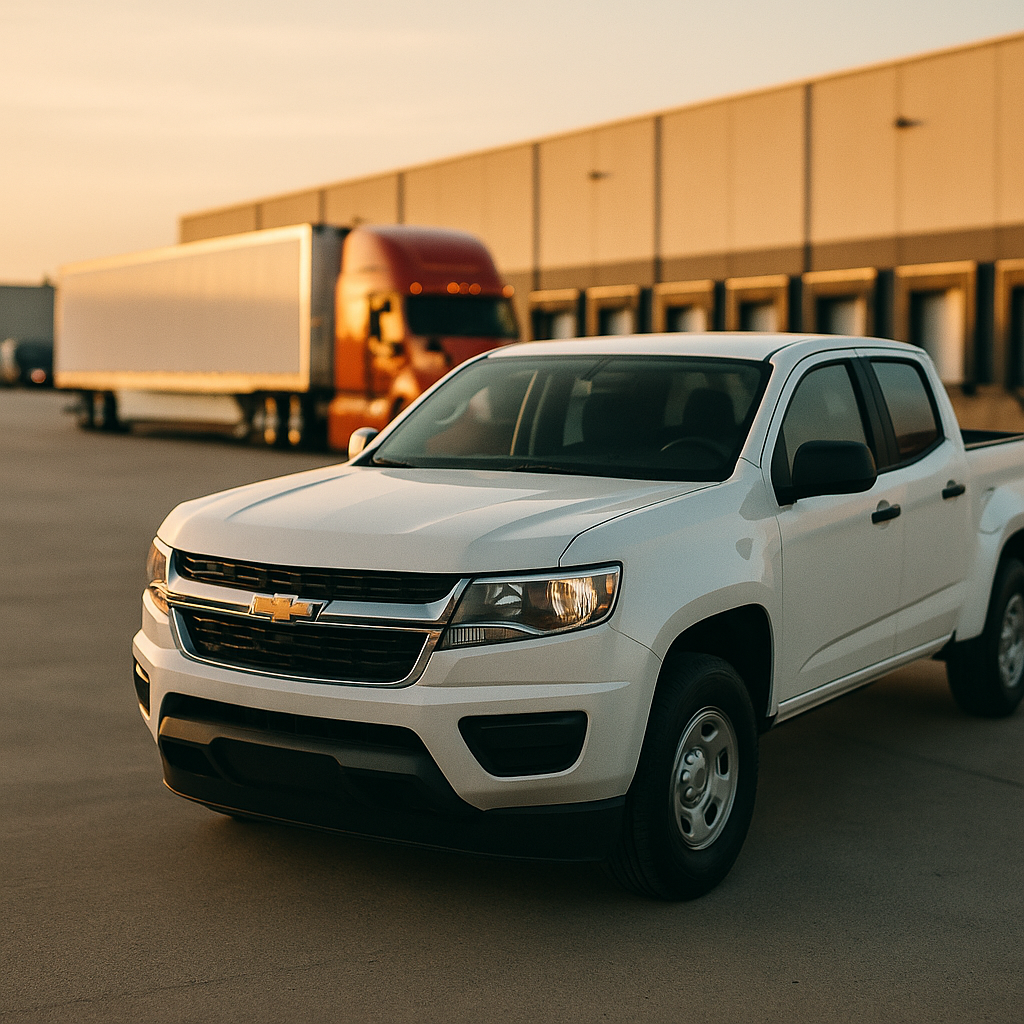
See the cheapest pickup truck to insure in 2026, why it’s cheaper, how rates vary by state, and how to cut your premium fast—before you sign the loan paperwork.
The cheapest pickup truck to insure in 2026 is usually a smaller, lower-MSRP model—most often the Ford Maverick—because replacement cost and repair severity are lower than full-size trucks. That said, your ZIP code, driving record, and whether you’re buying liability-only vs full coverage can move the price by hundreds (or even thousands) per year.
If you’re shopping for a pickup, the practical move is simple: pick 2–3 trucks that are typically cheap to insure, then quote them with the same limits and deductibles using your exact ZIP code. A $50–$150/month difference doesn’t sound like much until you multiply it across a 60-month note.
Quick answer (featured snippet): What is the cheapest pickup truck to insure?
- Ford Maverick
- Ford Ranger
- Nissan Frontier
- Chevrolet Colorado
- Hyundai Santa Cruz
Key takeaways you can use immediately
- Cheapest usually = smaller + lower MSRP: Lower replacement cost and often cheaper repairs typically lower comp/collision pricing.
- Your ZIP code can outweigh the model: The same driver and truck can see very different premiums across states and even across neighboring ZIPs.
- Coverage changes the “winner”: Liability-only is driven more by driver/location risk; full coverage is driven more by repair cost, theft risk, and claim trends.
- Work use is a “gotcha”: If you haul/tow for pay, you may need commercial coverage instead of personal auto.
Table of Contents
Reading time: 9 minutes
- The Cheapest Pickup Trucks to Insure in 2026 (Ranked)
- 2024–2026 Trends: Why Pickup Insurance Keeps Climbing
- Liability vs Full Coverage: Which Pickup Is Cheapest Under Each?
- State & Regional Variation: Why Your ZIP Code Changes Everything
- What Affects Pickup Truck Insurance Rates (Vehicle + Driver + Usage)
- How to Get the Cheapest Pickup Truck Insurance (Action Steps)
- Mini Calculator: Estimate Your Pickup Insurance Cost in 60 Seconds
- Methodology: How We Define “Cheapest Pickup Truck to Insure”
- Frequently Asked Questions
- Why Logrock Still Cares (Even If It’s “Just a Pickup”)
- Conclusion & Get a Quote Before You Buy
The Cheapest Pickup Trucks to Insure in 2026 (Ranked)
Most 2026 “cheapest pickup truck to insure” lists put the Ford Maverick at or near #1, with the Ranger, Frontier, Colorado, and Santa Cruz commonly appearing in the low-cost tier. Use these as a shortlist, then confirm with quotes using identical coverages and deductibles in your ZIP.
These rankings are widely reflected in insurer and consumer rate roundups (for example: Insure.com, CarInsurance.com, Forbes Advisor, The Zebra). They’re directionally useful—but they’re not a promise of what you’ll pay.
2026 quick-view ranking table
| Rank | Pickup model (typical low-cost) | Why it’s often cheaper (plain English) |
|---|---|---|
| 1 | Ford Maverick | Lower purchase price and often lower repair/replacement cost than full-size pickups |
| 2 | Ford Ranger | Midsize pricing and repair costs; often lands in the lower-cost tier |
| 3 | Nissan Frontier | Midsize; usually avoids luxury-level replacement costs |
| 4 | Chevrolet Colorado | Midsize; many trims price below full-size trucks, lowering total-loss exposure |
| 5 | Hyundai Santa Cruz | Smaller unibody “pickup-style” vehicle that can price closer to crossovers |
Why these models tend to be cheaper
Auto insurers price premiums based on (1) the likelihood of a claim and (2) the expected cost to pay that claim, including repair bills and total-loss payouts. That’s why smaller pickups often win: they’re usually less expensive to replace, and many have lower repair severity than high-trim full-size trucks.
- Lower MSRP / replacement cost: Total-loss payouts generally track vehicle value.
- Cheaper parts and labor (often): Less expensive components can reduce collision severity.
- Trim matters more than people think: Off-road packages, luxury interiors, big wheels/tires, and advanced tech can raise comp/collision costs.
- Safety tech can help (sometimes): Features like AEB and lane assist may reduce losses in some pricing models.
Important: Once you jump into higher trims, you’re often buying higher comp/collision exposure even if the nameplate stays the same.
2024–2026 Trends: Why Pickup Insurance Keeps Climbing
From 2024 to 2026, pickup insurance costs have generally trended upward because repair labor, parts pricing, and claim severity (including total-loss payouts) have increased across the U.S. Even if the “cheapest pickup truck to insure” ranking stays similar, the dollar amounts can still climb.
Here’s what’s pushing prices up in plain terms:
- Parts + labor inflation: Body shop work is simply more expensive than it was a couple of years ago.
- More tech to calibrate: Cameras, radar, parking sensors, and ADAS calibration can turn a minor bump into a big bill.
- Higher claim severity: More total losses, higher medical costs, and more expensive vehicles on the road.
- Weather losses: Hail, flood, and wind events drive comprehensive claims in many regions.
If you want the cheapest long-term outcome, don’t just shop the truck—shop your renewal cycle too. Re-quote at least annually, especially if your premium jumps at renewal.
Liability vs Full Coverage: Which Pickup Is Cheapest Under Each?
Liability-only insurance covers damage and injuries you cause to others, while “full coverage” typically means liability plus comprehensive and collision coverage for your truck. The truck model often matters more for full coverage than for liability-only, because comp/collision pricing is tied to repair and replacement cost.
Why the “cheapest pickup truck to insure” can change by coverage
If you’re financed, your lender usually requires comp and collision—so a liability-only quote can be a fake comparison for real-world buying decisions.
- Liability-only: Often driven heavily by driver + location risk (tickets, accidents, traffic density, uninsured drivers).
- Full coverage: Usually more sensitive to vehicle factors (MSRP, parts cost, total-loss probability, theft trends).
Apples-to-apples quote checklist
To compare pickups fairly, keep every input the same except the vehicle. This prevents “cheap” quotes that are only cheaper because coverage is worse.
- Same ZIP code
- Same drivers on the policy
- Same annual mileage
- Same liability limits (example: 100/300/100)
- Same comp/collision deductibles (example: $500 or $1,000)
Raising deductibles can lower premium, but only do it if you can pay that deductible tomorrow without blowing up your budget.
State & Regional Variation: Why Your ZIP Code Changes Everything
Auto insurance pricing is localized, so two drivers with the same pickup can see annual premiums differ by thousands of dollars due to state rules, claim frequency, theft rates, and repair costs in their ZIP code. National “cheapest” lists are a starting point, not a final answer.
Why location matters so much
Insurers bake local claim patterns into the rate—so pricing can shift dramatically with a move across city lines or even within the same metro.
- State minimum coverage rules: Minimum required limits can change the base premium.
- Medical and repair costs: Local healthcare and body shop pricing affect claim severity.
- Traffic density and accidents: More congestion usually means more collisions.
- Theft and vandalism trends: Comprehensive risk is very location-dependent.
- Catastrophe exposure: Hail, flood, wildfire, and wind events drive comp claims.
How to use this guide if you’re shopping by state
Use the ranked list to build a shortlist, then run real quotes like this:
- Quote using your exact ZIP.
- Run two trims: the base trim and the trim you actually want.
- Compare “payment + insurance” monthly so you’re measuring total ownership cost.
What Affects Pickup Truck Insurance Rates (Vehicle + Driver + Usage)
Pickup truck insurance rates are most affected by (1) location, (2) driving history, and (3) coverage choices, with vehicle trim, repair complexity, and usage (personal vs business) acting as major secondary drivers. If you understand the “why,” you can usually find at least a few levers to pull.
1) Vehicle factors (what to compare when choosing a pickup)
For full coverage, the truck’s value and repairability matter a lot.
- Trim/MSRP: Base vs off-road vs luxury trims can price like totally different vehicles.
- Repair complexity: Sensors, cameras, LED assemblies, and advanced bumpers raise repair severity.
- Theft desirability: Some models/years are targeted more than others in certain markets.
- Safety features: May reduce losses, depending on insurer and data.
2) Driver factors
Your record can outweigh the truck choice, especially for liability pricing.
- Violations and at-fault accidents: Often the fastest way to raise premiums.
- Claims frequency: Even smaller claims can matter in some pricing models.
- Continuous coverage: Lapses often trigger higher rates when you restart.
- Credit-based insurance score: Used in many states (rules vary by state).
3) Usage factors (the pickup “gotcha”)
Using a pickup for paid work (tools, deliveries, towing, hauling) can change the policy type you need and may increase the premium compared to personal-only use. If you’re pulling loads for pay, don’t try to “personal-use” your way into a cheaper rate—denied claims cost more than any premium savings.
- Commuting vs pleasure: More exposure generally means more premium.
- Business use vs personal: Work use can shift underwriting and eligibility.
- Where it’s parked: Street parking typically increases risk vs a locked garage.
- Towing/hauling frequency: More towing can mean more exposure.
How to Get the Cheapest Pickup Truck Insurance (Action Steps)
The fastest way to get the cheapest pickup truck to insure for your situation is to quote 3–5 carriers using identical limits and deductibles, then adjust trim and deductible only after you’ve compared real numbers. This prevents the most common mistake: buying a truck based on an internet average.
1) Shop 3–5 carriers (and re-shop at renewal)
Different carriers “like” different risks, and their appetite changes over time. If your renewal jumps, re-quote instead of assuming you’re stuck.
2) Quote identical coverages (same limits, same deductibles)
If one quote is cheaper because the liability limits or deductibles are worse, it’s not actually cheaper—it’s just less coverage.
3) Right-size the truck (and the trim)
When full coverage is required, lowering replacement cost is often the cleanest way to reduce premium without gambling on low limits.
- Avoid expensive wheel/tire packages if you don’t need them.
- Don’t overbuy horsepower if “cheap to insure” is the goal.
- Consider slightly used (if it materially lowers replacement cost and still fits your reliability needs).
4) Use real discounts (don’t chase gimmicks)
- Bundle: Auto + home/renters can be meaningful.
- Pay-in-full: Often reduces fees and/or premium.
- Autopay/paperless: Small, but stacks.
- Defensive driving: Where accepted and eligible.
- Anti-theft features: May help, depending on the insurer.
5) Consider telematics/usage-based programs (if you’re a smooth driver)
Telematics can lower costs for consistent, low-risk drivers, but it’s not for everyone. If you drive heavy miles, brake hard, or drive late at night often, your results may be limited—or negative.
Mini Calculator: Estimate Your Pickup Insurance Cost in 60 Seconds
A quick pickup insurance estimate should adjust for ZIP-cost level, truck size, model year, coverage type, deductible, usage, and driving record because those inputs drive most premium differences. This won’t replace underwriting, but it will get you into a realistic range fast.
Step 1: Choose your inputs
- ZIP/State: low-cost / mid-cost / high-cost area
- Truck type: smaller pickup (Maverick/Santa Cruz) vs midsize (Ranger/Frontier/Colorado) vs full-size
- Model year: new / 3–7 years old / 8+ years old
- Coverage: liability-only vs full coverage
- Deductible: $500 vs $1,000
- Usage: personal-only vs business use (work truck)
- Record: clean / 1 ticket / 1 at-fault accident
Step 2: Read your range (rule of thumb)
- Lower-end range: smaller or midsize + older year + higher deductible + clean record + low-cost ZIP
- Typical range: midsize + financed + $500 deductible + average ZIP
- Higher-end range: high-cost ZIP + full-size/high trim + new + claims/tickets + high annual mileage
Step 3: The top 3 levers to reduce the premium
- Increase deductible (only if you can afford it immediately).
- Choose a lower trim / lower replacement-cost truck.
- Shop carriers and ask about discount stacking and telematics options.
Methodology: How We Define “Cheapest Pickup Truck to Insure”
In this guide, “cheapest pickup truck to insure” refers to models that repeatedly appear in national insurance cost roundups that compare similar driver profiles under full-coverage-style assumptions (liability plus comprehensive and collision). This mirrors how many major ranking articles structure their comparisons.
Your number can still differ materially because:
- ZIP code and state rules change the local loss cost.
- Driving history changes risk tier and surcharges/eligibility.
- Limits and deductibles change how much the insurer is on the hook for.
- Trim and model year change repair and total-loss exposure.
- Usage (personal vs business) can change underwriting and policy type.
Commonly referenced sources (conceptually): Insure.com, CarInsurance.com, Forbes Advisor, The Zebra.
Frequently Asked Questions
The pickup trucks that are cheapest to insure are typically smaller, lower-MSRP models with lower average repair and replacement costs, led most often by the Ford Maverick and followed by midsize options like the Ford Ranger, Nissan Frontier, and Chevrolet Colorado. In many national comparisons, these vehicles land in the lower-cost tier for full coverage because comprehensive and collision pricing is heavily tied to claim severity (parts, labor, and total-loss payout). Your actual premium still depends on your ZIP code, driving record, annual mileage, and the exact trim you choose, so the right next step is to quote 2–3 models with identical limits and deductibles.
Pickup truck insurance cost can range from roughly the low-to-mid $2,000s per year for full coverage on lower-cost models in many national comparisons, but your real price can be significantly higher in high-cost ZIP codes or with tickets/claims. The biggest price drivers are your state/ZIP, your driving history, your annual mileage, and whether you carry liability-only or full coverage (liability + comprehensive + collision). If you’re financed, your lender typically requires comp and collision, so price shopping on liability-only can underestimate the payment you’ll actually have to make.
Pickup trucks are often more expensive to insure than many cars because they can cost more to repair and replace, and some trims have higher claim severity (bigger parts, higher ride height impacts, and expensive tech). However, smaller pickups and unibody “pickup-style” vehicles can price closer to crossovers when you keep the trim reasonable and maintain a clean driving record. The cleanest way to know is to run the same driver, same ZIP, same limits, and same deductibles across a car and a pickup and compare full-coverage quotes, not liability-only.
The biggest factors in pickup truck insurance rates are usually your location (ZIP/state), driving history (tickets, at-fault accidents, prior claims), and coverage choices (liability limits and comp/collision deductibles). For the truck itself, the main drivers are trim/MSRP, repair complexity (ADAS sensors and calibration), and comprehensive/collision loss patterns in your area (theft, weather, crash trends). Usage also matters: if the pickup is used for business or hauling/towing for pay, you may need a different type of policy than personal auto.
There isn’t one insurance company that’s the cheapest for pickup trucks nationwide, because rates vary by state, ZIP code, driver profile, and each carrier’s underwriting “appetite.” The most reliable way to find the lowest rate is to quote multiple carriers (often 3–5) using identical coverages—same liability limits, same deductibles, same drivers, and the same annual mileage—then compare the premiums side by side. Re-shopping at renewal matters too, because carriers can raise rates broadly even if your driving record stays clean.
You can lower your pickup truck insurance premium by (1) shopping multiple carriers, (2) quoting the same limits and deductibles every time, (3) choosing a lower-cost trim to reduce replacement and repair severity, (4) stacking legitimate discounts like bundling, pay-in-full, and autopay, and (5) considering telematics if you’re a smooth, consistent driver. If you raise deductibles from $500 to $1,000, you’ll often see savings, but only do it if you can comfortably pay the deductible after a claim without missing rent or a truck payment.
In many 2026 national rankings and insurance cost roundups, the Ford Maverick shows up as the cheapest pickup truck to insure (or one of the cheapest) because it’s typically lower MSRP than full-size trucks and can carry lower repair/replacement exposure. Your final premium still depends on ZIP code, driving record, annual mileage, and the exact trim and options you choose. To verify it’s cheapest for you, quote the Maverick against two comparable alternatives (for example, Ranger and Frontier) using identical liability limits and the same comp/collision deductibles.
Why Logrock Still Cares (Even If It’s “Just a Pickup”)
Many pickup owners use their truck for paid work—towing, hauling, tools, deliveries, or side-hustle jobs—and that usage can affect what insurance policy you actually need. A personal auto policy can have limitations for business use, and misclassifying usage can create ugly surprises at claim time.
If your pickup is doing real work (especially hauling or towing for pay), it’s worth getting clear on where personal auto stops and where commercial coverage starts, so you’re not gambling on a technicality.
Conclusion: Get a Quote Before You Buy
If your goal is the cheapest pickup truck to insure, start with smaller, lower-cost models (Maverick, Ranger, Frontier, Colorado, Santa Cruz), keep trims reasonable, and quote using identical coverages. Then let your ZIP-code math decide.
Key Takeaways:
- The “cheapest” pickup is usually lower MSRP + lower repair cost—often the Ford Maverick in 2026 rankings.
- ZIP code + driving record can outweigh the model choice.
- Compare liability vs full coverage correctly, or you’ll decide based on unrealistic numbers.
If you’re between two trucks, run both quotes before you sign—future-you will thank you.