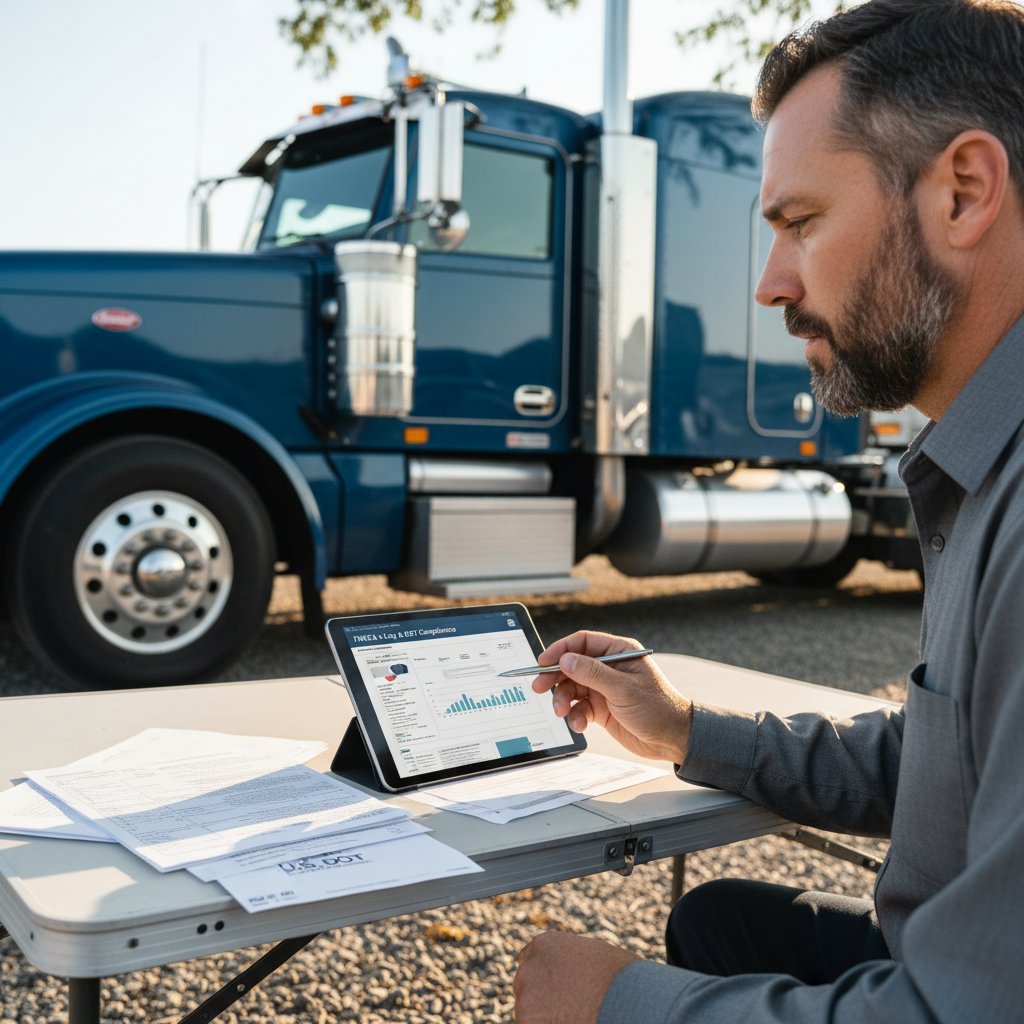
Commercial trailer insurance protects your trailer’s value and contract obligations. See 2026 costs, coverages, interchange basics, and how to save—get a quote.
Commercial trailer insurance is usually about protecting the trailer as property (physical damage) and meeting contract or lender rules (like trailer interchange), not about replacing the liability coverage that typically follows the power unit. A simple rule: if the trailer has a VIN, a value, and a chance of theft or yard damage, you should assume it needs to be scheduled correctly—or you may be paying out of pocket after a loss.
Featured snippet answer: Commercial trailer physical damage often runs about 1%–3% of the trailer’s value per year, and many operators land around $25–$150 per month per trailer depending on trailer type, value, garaging ZIP, weather/theft exposure, deductible, operating radius, and whether you also need trailer interchange for non-owned trailers. To keep your budget realistic, compare your total spend against Average cost benchmarks for commercial truck insurance.
Key Takeaways: Essential Commercial Trailer Insurance
- Liability usually follows the truck/tractor, but your trailer’s value usually does not—that’s physical damage coverage.
- If the trailer is financed or leased, lenders typically require comprehensive + collision and correct lienholder/loss payee listing.
- If you pull non-owned trailers under a written interchange agreement, you’ll typically need trailer interchange.
- “Cheapest” isn’t the goal—correct VIN scheduling, correct value, and correct coverage type is what prevents claim denials and contract problems.
Table of Contents
Reading time: 10 minutes
- What Is Commercial Trailer Insurance (and What It Isn’t)
- Is Commercial Trailer Insurance Required? (Legal vs Contractual)
- Coverage Types: What Each One Covers (Plain English)
- Do You Need Separate Insurance for Trailer Contents?
- Trailer Interchange Insurance: Explained With Real Examples
- Commercial Trailer Insurance Cost in 2026: Real Ranges + Cost Drivers
- How to Lower Your Commercial Trailer Insurance Premium
- Lender/Lease Checklist: What Financing Companies Usually Require
- Frequently Asked Questions
- Why Logrock: Practical Insurance Help for Owner-Ops
- Conclusion: Get Trailer Coverage That Won’t Fail When It Matters
What Is Commercial Trailer Insurance (and What It Isn’t)
Commercial trailer insurance is coverage designed to protect a business-use trailer as an asset (physical damage) and to satisfy contract requirements (such as interchange) when you pull equipment you don’t own.
What it isn’t: a guarantee that your trailer is fully protected just because your truck has commercial auto. A lot of operators only discover the gap after a theft, a yard accident, or a lender demanding proof the same day.
Trailer as property vs. liability while towing
Think of it in two buckets:
- Liability: Pays for injuries and property damage you cause to other people (usually rated on the power unit).
- Trailer physical damage: Pays to repair or replace your trailer after a covered loss (the asset itself).
If you assume “the trailer is covered” and it isn’t scheduled for physical damage, you’re effectively self-insuring a $8,000–$80,000 piece of equipment. That’s the kind of bill that can park you for a week.
Who typically needs separate trailer coverage
A separate trailer schedule (VIN + value) is common, and some carriers also offer standalone trailer policies depending on the operation. Claims get messy fast when the VIN is wrong, the value is unrealistic, or a newly bought trailer never got added.
- Financed/leased trailers (almost always)
- Higher-value equipment (reefer, specialty, custom builds)
- Operations where trailers are dropped, stored, or swapped frequently
Is Commercial Trailer Insurance Required? (Legal vs Contractual)
FMCSA financial responsibility rules (49 CFR Part 387) require public liability coverage for for-hire interstate motor carriers—commonly $750,000 minimum, and higher limits (such as $1,000,000 or $5,000,000) apply to certain operations and hazardous materials.
That legal requirement typically attaches to the motor carrier operation (and is commonly shown on the power unit and your authority), not to insuring your trailer’s value. In real life, “required” usually means one of three different things: law, contract, or lender rules.
Legal requirements usually attach to the power unit
Even when physical damage on the trailer isn’t legally required, it can still be financially required by your business. If the trailer is essential to your revenue, it’s a production asset—just like your tractor.
Contractual requirements: brokers, yards, leases, and interchange
Contracts can demand coverage beyond legal minimums, especially when someone else’s equipment is in your possession. If your COI or declarations page doesn’t match the contract language, you can lose yard access, lose loads, or lose the deal.
- Power-only operators
- Intermodal or drop-and-hook operations
- Anyone signing interchange agreements or leasing trailers
Paperwork reality: Keep a ready-to-send folder on your phone with trailer VINs, values, photos, and lender info. When a dispatcher, broker, or lender asks for proof today, you don’t want to be digging through the glovebox.
For a broader guide on shopping correctly (so “cheap” doesn’t turn into “wrong”), read Cheapest commercial auto insurance (how to shop smart).
Coverage Types: What Each One Covers (Plain English)
Commercial trailer insurance is usually built from trailer physical damage (comprehensive and collision), optional trailer interchange for non-owned equipment under contract, and separate coverage for contents/tools or freight (cargo) depending on what you haul.
You don’t need jargon—you need to know what gets paid for, what doesn’t, and where claims get denied.
| Coverage Type | What It Protects | What It Usually Doesn’t | Who Typically Needs It |
|---|---|---|---|
| Trailer Physical Damage (Comp/Collision) | Your trailer’s value (repair/replace) | Wear/tear, maintenance | Anyone who owns/finances trailers |
| Trailer Interchange (Physical Damage for non-owned) | Non-owned trailers in your care under interchange agreement | Liability to others, cargo | Power-only, drop-and-hook, intermodal |
| “Contents” / Tools / Equipment | Your tools, equipment, materials | Many theft scenarios if unattended; sublimits may apply | Contractors, hotshot hauling own gear |
| Cargo (Freight) | Other people’s freight you’re hauling | Exclusions by commodity, theft rules | For-hire carriers hauling freight |
Trailer Physical Damage (Comprehensive + Collision)
Trailer physical damage typically includes collision (impact, rollover, jackknife damage) and comprehensive (theft, vandalism, fire, hail/storm, animal strike, falling objects).
Trailers get stolen, backed into, and damaged at customer yards and terminals. Without physical damage coverage, you’re paying cash—or you’re parked.
- Best fit: financed/leased trailers (lenders often require it)
- Common mistake: trailer not scheduled or value far off reality
- Admin tip: confirm VIN, value, deductible, and garaging ZIP are accurate
Avoid the “value trap”: overstating value can waste premium, and understating value can leave you short on a total loss settlement.
Do You Need Separate Insurance for Trailer Contents?
Trailer physical damage insures the trailer itself, while tools/equipment and freight inside the trailer usually require separate coverage (such as inland marine/contractor’s equipment or motor truck cargo), depending on who owns the contents.
This is where small operations get burned—especially with enclosed trailers that function like mobile workshops.
“Trailer physical damage” doesn’t mean “what’s inside”
- Trailer physical damage: the trailer (doors, frame, reefer unit components as applicable)
- Cargo coverage: goods you’re hauling that belong to someone else
- Tools/equipment coverage: your owned tools, machines, and materials (coverage form varies by carrier)
Common “gotchas” to ask about
- Unattended theft requirements (locked, visible, secured location, etc.)
- Overnight storage rules or exclusions
- Sublimits for high-value items (tools, electronics, specialty gear)
- Commodity exclusions and theft conditions for cargo
For a cost-control mindset (deductibles, shopping strategy, avoiding wasted coverage), read Affordable trucking insurance (how to pay less without breaking compliance).
Trailer Interchange Insurance: Explained With Real Examples
Trailer interchange insurance is physical damage coverage for non-owned trailers in your care, custody, and control when you have a written trailer interchange agreement.
It’s one of the most misunderstood coverages—until a terminal or broker hands you a contract and asks for proof of a specific limit.
What trailer interchange covers (and what it doesn’t)
Interchange is about damage to the non-owned trailer itself (the equipment), not liability to the public and not freight. Covered causes often mirror physical damage (collision, theft, vandalism, weather), subject to your deductible and limit.
Real-world examples that create interchange claims
- You hook to a shipper’s trailer at a drop lot and the landing gear collapses.
- You park overnight and a non-owned trailer is stolen from your possession.
- You clip a pole in a tight yard and bend a door/frame on the non-owned trailer.
Choosing limits and deductibles
Rule of thumb: set the interchange limit at least equal to the highest value non-owned trailer you might pull. If a contract says “$50,000 trailer interchange,” confirm your policy declarations actually show that limit and that the agreement requirement is met.
Commercial Trailer Insurance Cost in 2026: Real Ranges + Cost Drivers
Commercial trailer physical damage is commonly priced at roughly 1%–3% of the trailer’s stated value per year, with higher pricing typical for enclosed and reefer trailers due to theft exposure and higher repair costs.
Trailer pricing is usually smaller than tractor pricing, but it’s not “free,” and it swings widely by trailer type, garaging ZIP, and whether you’re also adding interchange.
Scenario-based cost ranges (one trailer, physical damage)
| Scenario | Trailer Value | Typical Annual Range | Typical Monthly Range |
|---|---|---|---|
| Utility / equipment trailer (lower theft appeal) | $5k–$12k | $150–$500 | $13–$45 |
| Enclosed cargo/tool trailer (higher theft risk) | $10k–$30k | $300–$1,200 | $25–$100 |
| Flatbed / step deck (higher value) | $25k–$60k | $600–$2,000 | $50–$170 |
| Reefer trailer (higher value + components) | $50k–$100k+ | $1,200–$3,500+ | $100–$300+ |
| Interchange exposure added (non-owned trailers) | Varies | +$200–$1,500+ | +$17–$125+ |
If you want a reality check on what you’re paying overall (truck + trailer + filings), compare your totals against Average cost benchmarks for commercial truck insurance.
What actually drives trailer premium
- Trailer type & value: reefer, enclosed, specialty trailers typically cost more to insure
- Garaging address: secured yard vs street parking affects theft risk and pricing
- Operating radius/states: more miles and more states generally mean more exposure
- Deductible level: higher deductibles typically reduce premium, but increase your out-of-pocket risk
- Claims history: theft, backing, and yard claims are common underwriter red flags
- Security measures: wheel/kingpin locks, GPS, fenced lots, lighting, cameras
State and ZIP-code variance (the honest version)
Rates vary because theft patterns, hail/weather frequency, traffic density, and litigation vary. The cleanest way to avoid rating problems is to make sure the policy is written on the correct garaging ZIP and reflects where you actually operate.
How to Lower Your Commercial Trailer Insurance Premium
The fastest ways to lower commercial trailer insurance premium are improving theft controls, choosing a deductible you can actually afford, keeping the trailer schedule accurate (VIN/value/garaging), and comparing quotes on matching coverage terms.
Savings come from reducing risk and reducing uncertainty for the underwriter—not from stripping coverage until a claim wipes you out.
Raise deductibles only if your cash reserve can handle it
Higher deductibles can reduce premium, but only if you can write the check without missing a payment. If a $1,000–$2,500 deductible would put you behind, it isn’t a smart “discount.”
Fix theft exposure (this is where the money is)
- Park in a secured yard when possible (fenced, lit, cameras).
- Use wheel locks and kingpin locks, especially for dropped trailers.
- Add GPS tracking and document it for underwriting.
Keep your trailer schedule clean (VIN + value + dates)
A lot of “coverage gaps” are admin mistakes: new trailer bought but never added, old trailer sold but still listed, VIN transposed, or value never updated after upgrades.
Shop policies apples-to-apples
When comparing quotes, match these items line-by-line:
- Value basis (ACV vs stated/agreed value where available)
- Deductibles
- Listed VINs and “newly acquired trailer” rules
- Interchange included or excluded, and the limit shown on the declarations
Lender/Lease Checklist: What Financing Companies Usually Require
Most trailer lenders require comprehensive and collision (physical damage) on the trailer and require the lender to be listed as lienholder/loss payee, and many lenders also require a deductible that isn’t excessively high.
If a bank is involved, assume they want their interest protected first—and they’ll ask for proof before they release the trailer.
Common lender requirements
- Comprehensive + collision (physical damage) on the trailer
- Lender listed correctly as loss payee / lienholder
- Deductible maximum (varies by lender and deal terms)
- Proof of coverage before you take possession
What to have ready (so you don’t lose the trailer deal)
- Trailer VIN, year, make/model
- Bill of sale or purchase agreement
- Value (or loan amount) you want scheduled
- Photos (some carriers ask for them)
- Garaging address
Pro tip: ask for both a COI and a declarations page. Some lenders won’t accept a COI alone.
Frequently Asked Questions
Usually, your trailer is covered for liability while it’s attached to a covered power unit, but the trailer’s own damage is often not covered unless you carry trailer physical damage and the trailer is correctly scheduled (VIN and value). Liability is about injuries or property damage to others, while physical damage is about repairing or replacing your trailer after theft, vandalism, collision, or weather losses. To avoid surprises, confirm (1) whether your policy covers owned vs non-owned trailers, (2) whether the trailer is listed on the schedule, and (3) whether any interchange agreement requires separate trailer interchange limits.
Commercial trailer physical damage commonly costs about 1%–3% of the trailer’s value per year, which often equals roughly $25–$150 per month per trailer for many owner-operator setups. Enclosed and reefer trailers, high-theft garaging ZIP codes, storm exposure, low deductibles, and adding trailer interchange limits for non-owned equipment can push the price higher. If you want to sanity-check the big picture (truck + trailer), compare your spend against Average cost benchmarks for commercial truck insurance.
If you own the trailer and can’t afford to replace it immediately, the core coverage is trailer physical damage (comprehensive + collision), and financed trailers typically need it to satisfy lender requirements. If you pull non-owned trailers under a written interchange agreement (power-only, drop-and-hook, intermodal), you typically also need trailer interchange with a limit at least equal to the highest-value non-owned trailer you may haul. If you haul freight for others, motor truck cargo is separate from trailer coverage and should be quoted based on your commodities and contract requirements.
Often, yes—trailer physical damage typically covers the trailer itself, not the tools, equipment, or freight inside it, and “contents” coverage depends on who owns what’s being hauled. If the contents are your business tools (welders, generators, skid attachments), you may need a tools/equipment or inland-marine-style form with theft conditions and sublimits clearly stated. If it’s someone else’s freight, that’s usually cargo coverage with commodity exclusions and theft requirements. For premium levers that help without breaking compliance, see Affordable trucking insurance (how to pay less without breaking compliance).
Trailer interchange insurance is physical damage coverage for a trailer you do not own when it’s in your care, custody, and control under a written interchange agreement. It helps pay to repair or replace the non-owned trailer after covered losses like collision, theft, vandalism, or weather, subject to your deductible and the interchange limit shown on your policy. Interchange does not replace public liability coverage, and it generally does not insure the freight inside the trailer. The practical way to set the limit is to match the highest-value non-owned trailer you might be responsible for.
Why Logrock: Practical Insurance Help for Owner-Ops
Logrock helps owner-operators and small fleets align trailer schedules (VIN/value), interchange limits, and COI paperwork with real-world contracts so coverage holds up during audits, lender checks, and claims.
If you’re trying to keep premiums under control without creating gaps, the goal is simple: match the policy to what you actually do—owned vs non-owned trailers, where you park, what you haul, and what your contracts demand.
When you want to shop smarter (and avoid “cheap but wrong”), start with Cheapest commercial auto insurance (how to shop smart).
Conclusion: Get Trailer Coverage That Won’t Fail When It Matters
Correct commercial trailer insurance comes down to scheduling the trailer VIN and value for physical damage, adding interchange only when you have a written interchange agreement, and separating trailer coverage from contents/cargo coverage.
Do those three things and you avoid the most common reasons trailer claims and contracts turn into expensive surprises.
Key Takeaways:
- Liability isn’t the same as insuring your trailer’s value—physical damage is what protects the asset.
- Financed trailers need lender-compliant paperwork (loss payee/lienholder listed correctly) plus comp/collision.
- Interchange is for non-owned trailers under written agreements, and the limit should match your real exposure.
Related reading: Average cost benchmarks for commercial truck insurance, Affordable trucking insurance (how to pay less without breaking compliance), and Cheapest commercial auto insurance (how to shop smart).