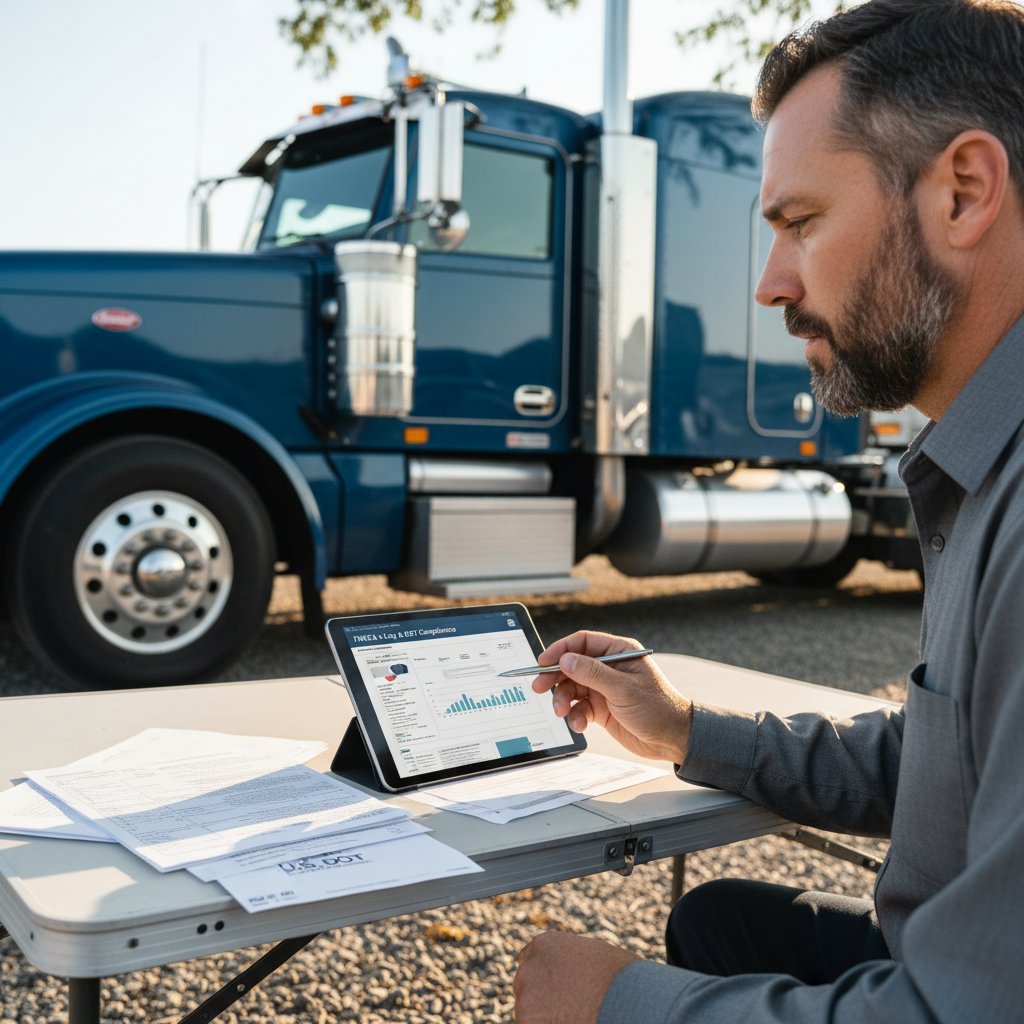
Is truck insurance more than car insurance? See a 2026 comparison of pickup vs car vs commercial truck insurance, what drives pricing, and how to lower premiums. Get a quote.
If you’re asking “is truck insurance more than car insurance?” the accurate 2026 answer is: sometimes—because a personal pickup on a normal auto policy can price close to a car, while commercial truck insurance (semi truck insurance / hotshot insurance) is usually much higher due to bigger liability limits, more miles, cargo exposure, and regulatory filings.
The only way to get a real comparison is to match the same limits, deductibles, drivers, garaging ZIP, and mileage—then compare quotes—so you don’t learn after a wreck that the vehicle was misclassified (personal vs business use) or underinsured for a broker’s contract.
Table of Contents
Reading time: 8 minutes
- First: What “Truck Insurance” Means (Pickup vs Commercial Truck)
- So, Is Truck Insurance More Than Car Insurance? (2026 Rule of Thumb)
- Why Truck vs Car Insurance Prices Differ (Rating Factors That Move Quotes)
- When Truck Insurance Is Almost Always More: Commercial Truck vs Personal Car
- State & Regional Variation: Why Your Location Can Change the Answer
- How to Pay Less (Car, Pickup, or Commercial Truck) Without Getting Burned
- Quick Checklist: Get an Accurate Truck vs Car Quote Comparison
- Why Logrock: Quotes That Match How You Actually Operate
- Frequently Asked Questions
- Conclusion: Personal vs Commercial Is the Real Difference
Key Takeaways: Essential Truck vs Car Insurance Truths
A correct “truck vs car insurance” comparison requires identical coverage limits, deductibles, drivers, garaging ZIP, and annual mileage to avoid a misleading price difference.
- Personal pickup vs personal car: often similar pricing, and the “winner” flips by model, ZIP code, and whether you’re comparing minimum vs full coverage.
- Commercial truck insurance vs personal car insurance: typically much higher because the exposure, limits, and business risk are bigger.
- Usage classification matters: personal, business use, hotshot, or for-hire trucking changes the policy, eligibility, and the rate.
- For a real answer: match limits, deductibles, drivers, garaging ZIP, and mileage—then compare quotes.
First: What “Truck Insurance” Means (Pickup vs Commercial Truck)
“Truck insurance” can mean either a personal auto policy on a pickup or a commercial trucking policy, and those are priced differently because the use, limits, and claim severity are not the same.
Most online answers mix two different products, which is why people get confused (and sometimes end up with the wrong classification when it matters most).
1) Personal pickup truck insurance (same policy family as a car)
What it is (plain English): Your F-150 / Ram 1500 / Silverado insured on a personal auto policy, with liability and optional comprehensive/collision for “full coverage.”
Where people get burned: The risk shows up when the pickup is actually used for work (tools, towing, job sites, deliveries) but the policy is still rated as “personal pleasure/commute,” which can create claim disputes or underwriting issues.
- Best fit: Primarily personal transportation and normal commuting.
- Practical tip: If you do side jobs, disclose it and get a written note from the agent/carrier confirming the correct usage classification.
2) Commercial truck insurance (a different product with different limits)
What it is (plain English): Commercial truck insurance (trucking insurance) designed for vehicles used in business—especially hauling for-hire (hotshot, straight truck, semi truck).
Why it costs more: Commercial policies are built around higher-severity losses, more miles, higher liability limits (often $750,000–$1,000,000+), cargo exposures, and contract requirements from brokers and shippers.
- Best fit: Owner-operators, hotshot drivers hauling for pay, and any business where a personal policy won’t fit.
- Practical tip: If you’re pulling a trailer for hire (hotshot), don’t try to “make personal auto work”—set up the correct commercial coverage before the first load.
So, Is Truck Insurance More Than Car Insurance? (2026 Rule of Thumb)
In 2026, personal pickup insurance can be similar to (or slightly higher/lower than) a car, but commercial truck insurance is usually far more expensive than personal car insurance because the liability limits and exposures are larger.
1) Personal auto: pickups vs cars can be close
What it is: A normal personal auto quote for a sedan vs a pickup, rated on the same drivers, address, and coverage options.
Why the answer varies: Repair severity and claim patterns swing it either way. Some pickups cost more to repair (larger panels, sensors, parts cost), while some cars cost more due to high-tech headlights, ADAS calibration, and expensive bumpers.
2) Minimum coverage vs full coverage changes the comparison
What it is: “Minimum coverage” usually means state-required liability, while “full coverage” typically means liability + comprehensive + collision (and often higher limits).
Common mistake: People compare a minimum-policy quote on one vehicle to a full-coverage quote on the other and assume that’s “truck vs car.” It isn’t.
Quick comparison table (what you’re actually comparing)
| Coverage Choice | Personal Car | Personal Pickup |
|---|---|---|
| Minimum coverage | Can be lower or higher depending on ZIP + driver + model | Can be lower or higher depending on ZIP + driver + model |
| Full coverage (comp/collision) | Driven by vehicle value + repair costs | Driven by vehicle value + repair costs |
Pro tip: For an honest comparison, match liability limits, deductibles, UM/UIM selections, rental/towing, drivers, garaging ZIP, and annual mileage—then quote both VINs.
Why Truck vs Car Insurance Prices Differ (Rating Factors That Move Quotes)
Auto insurers price truck vs car premiums using core rating inputs like vehicle repair severity, claim frequency, driver history, annual mileage, and garaging ZIP code, and those factors can outweigh “truck vs car” almost by themselves.
If you’re trying to control your monthly payment (personal) or your cost per mile (commercial), these levers tend to matter most.
1) Vehicle value and repair severity
What it is: How much the insurer expects to pay when it repairs the vehicle after a covered loss.
Why it matters: Full coverage premiums rise when the vehicle has expensive parts, aluminum body panels, or requires sensor/ADAS calibration after minor collisions.
2) Claims patterns: theft, frequency, and injury severity
What it is: Insurers price based on historical losses for that vehicle type in that location.
Why it matters: Theft and crash frequency can vary by metro area, and heavier vehicles can increase property damage or injury severity in at-fault accidents.
3) How you use it: miles, commuting, business use, towing/hauling
What it is: Exposure—more miles and higher-risk use generally equals more premium.
Why it matters: “Business use” classifications can cost more than “personal,” and towing/hauling can change underwriting appetite.
4) Location (garaging ZIP) and state environment
What it is: Your base risk from crash frequency, medical costs, weather losses (hail), theft, and litigation trends.
Why it matters: Two identical drivers with the same vehicle can pay very different premiums based on ZIP code alone.
When Truck Insurance Is Almost Always More: Commercial Truck vs Personal Car
Commercial truck insurance is typically more expensive than personal car insurance because it’s designed for higher-severity claims, longer operating hours, heavier vehicles, and higher liability limits required by regulators and contracts.
If you meant “semi truck insurance” or “hotshot insurance,” you’re comparing two different risk categories—not just two different vehicles.
1) Higher liability limits and regulatory/contract requirements
What it is: Commercial auto liability is built for catastrophic losses and must meet federal/state minimums and broker/shipper COI requirements.
Concrete benchmark: FMCSA financial responsibility rules for many for-hire interstate carriers of non-hazardous property set a $750,000 minimum public liability requirement (commonly referenced under 49 CFR Part 387), and many brokers require $1,000,000 regardless of the minimum.
2) Cargo and “you’re running a business” exposures
What it is: Cargo claims (theft, damage, reefer failures), loading/unloading incidents, and contract-driven responsibilities that don’t exist on a typical personal auto policy.
Why it’s expensive: Even if a crash wasn’t your fault, the shipper still expects the freight paid, and claims can involve salvage, detention, and downstream damages.
3) 2026 budgeting reality check
What it is: Commercial truck insurance is commonly a five-figure annual line item for many owner-operators, especially with new authority, long radius, or higher-risk freight.
Why it matters: If your rate per mile doesn’t support the insurance line item, you’re not profitable—you’re just busy.
State & Regional Variation: Why Your Location Can Change the Answer
Garaging ZIP code and state loss environment can change auto premiums materially because insurers price local crash frequency, theft, weather losses, medical costs, and litigation trends into every quote.
Even if you keep the driver, vehicle, and coverage the same, location can flip which is “cheaper.”
1) What changes by state (personal and commercial)
What it is: Differences in repair labor rates, injury/medical costs, attorney involvement, catastrophe exposure (hail/hurricanes), theft rings, and state insurance rules.
Why it matters: You can’t “drive safe enough” to fully offset a high-loss area; you manage it with smarter coverage design, deductibles, and shopping the market.
2) Commercial example: why Texas vs Florida can quote differently
What it is: Different claim environments and catastrophe risk can push commercial trucking insurance higher or lower at renewal.
Why it matters: Running lanes through high-risk metros or coastal storm regions can move price quickly, especially after large weather events or loss-trend shifts.
How to Pay Less (Car, Pickup, or Commercial Truck) Without Getting Burned
You can lower truck or car insurance costs by shopping the market, choosing sustainable deductibles, and reducing underwriting “risk signals,” but misclassifying usage can erase any savings after a claim.
Lower premium is only a win if the policy still matches how you actually operate.
1) Shop the renewal—don’t marry a carrier
What it is: Get multiple quotes before renewal, not after the policy is already expired.
Why it works: Underwriting appetite changes year to year, and the carrier that was best last term can be overpriced at the next renewal.
2) Choose deductibles like a business owner
What it is: Raising comprehensive/collision deductibles can lower premium, but you must be able to pay that deductible immediately after a loss.
Rule of thumb: If a $5,000 deductible would park the truck and kill your week, it’s not “savings”—it’s a cash-flow problem waiting to happen.
3) Reduce “risk signals” underwriters price
What it is: Clean MVR, fewer violations, safety habits, documented maintenance, and (for commercial) stronger compliance routines.
Why it matters: Underwriters price patterns, and tickets, preventables, and sloppy paperwork often translate into higher premium.
4) Don’t make classification mistakes (personal vs business vs commercial)
What it is: Using a personal policy for regular business use—or for-hire hotshot work—is one of the fastest ways to create coverage disputes.
Bottom line: The cheapest premium can become the most expensive decision if the policy doesn’t match real use.
Quick Checklist: Get an Accurate Truck vs Car Quote Comparison
An accurate “truck vs car” quote comparison requires the same drivers, garaging ZIP, annual mileage, and identical coverage limits and deductibles on both vehicles.
Bring this list to your agent (or use it when comparing online quotes):
- Same liability limits (not state minimum on one and higher limits on the other)
- Same comp/collision deductibles
- Same UM/UIM selections (if applicable in your state)
- Same drivers, same garaging ZIP, same annual mileage
- Correct usage classification:
- Personal/commute
- Business use (contractor/job sites)
- Commercial trucking / for-hire
- Hotshot (pickup + trailer hauling for pay)
For commercial trucking insurance quotes, also gather: authority status, operating radius, cargo type/value, trailer details, and DOT/CSA history.
Why Logrock: Quotes That Match How You Actually Operate
A trucking insurance quote only works if it matches your authority status, operating radius, cargo, equipment, and required filings so your coverage is accepted by brokers and holds up after a claim.
Owner-operators don’t have time for policy confusion, especially when loads, certificates of insurance (COIs), and renewal deadlines are on the line.
If you’re building authority, expanding radius, changing cargo, or moving states, that’s the right moment to review your insurance plan—not after something goes wrong.
Frequently Asked Questions
On a personal auto policy, it can be cheaper to insure either a truck or a car, depending on the exact model/trim, your garaging ZIP code, your driving record, and whether you’re comparing minimum coverage or full coverage.
The clean way to compare is to quote both VINs with the same liability limits, the same comp/collision deductibles, the same drivers, and the same annual mileage. If you change one variable (like full coverage on the truck but liability-only on the car), the “truck vs car” price result isn’t meaningful.
Some trucks are cheaper to insure when insurers’ loss data shows lower claim frequency for that specific vehicle, driver profile, and ZIP code, or when a particular trim is less expensive to repair than a high-tech car.
That said, trucks can also be more expensive in many areas due to theft trends, higher repair severity (larger body panels, sensors), and higher damage potential in collisions. The real answer comes from an apples-to-apples quote using identical limits and deductibles, not from “trucks are always cheaper” rules.
For personal auto insurance (pickup vs car), the price difference is often not dramatic and can swing either direction based on model, coverage, and ZIP code.
For commercial truck insurance (semi truck insurance / hotshot insurance), premiums are typically much higher than personal car insurance because the required liability limits and exposures are larger. For example, FMCSA financial responsibility requirements for many for-hire interstate carriers of non-hazardous property commonly reference a $750,000 minimum public liability threshold under 49 CFR Part 387, and many brokers require $1,000,000.
Vehicle repair cost, theft risk, driver record, annual mileage, garaging ZIP code, and coverage limits drive most truck vs car insurance pricing on personal auto policies.
On commercial trucking insurance, insurers also price authority status (new vs established), operating radius, cargo type and values, driver experience, and safety/compliance history. Changing one input—like moving from local to long-haul, adding a driver with violations, or hauling higher-risk freight—can change the premium more than switching between a pickup and a car.
If your pickup is truly for personal use, a personal auto policy is typically appropriate, but regular business use or any for-hire hauling can require commercial coverage to avoid a misclassification.
If you’re towing for pay, hauling under dispatch (hotshot), or using the truck as part of business operations (job sites, deliveries, tools and equipment), ask an agent for a written confirmation of the correct usage classification before you bind coverage. Commercial policies are also commonly required to meet broker/shipper COI requirements and, for interstate for-hire operations, to align with FMCSA financial responsibility rules under 49 CFR Part 387.
Conclusion: Personal vs Commercial Is the Real Difference
Personal pickup vs car insurance in 2026 is often a close race, and the “winner” depends on model, location, and whether you matched the same coverage. Commercial truck insurance, on the other hand, is usually much more expensive than personal car insurance because the limits and exposures are bigger.
Key Takeaways:
- Define “truck” first: pickup on personal auto and commercial trucking insurance are not the same product.
- Compare identical limits and deductibles or the comparison is meaningless.
- For commercial operations, price is driven by liability limits, miles/radius, cargo, and compliance history.
If you want numbers you can actually budget around, get an apples-to-apples quote built around how you really use the vehicle.