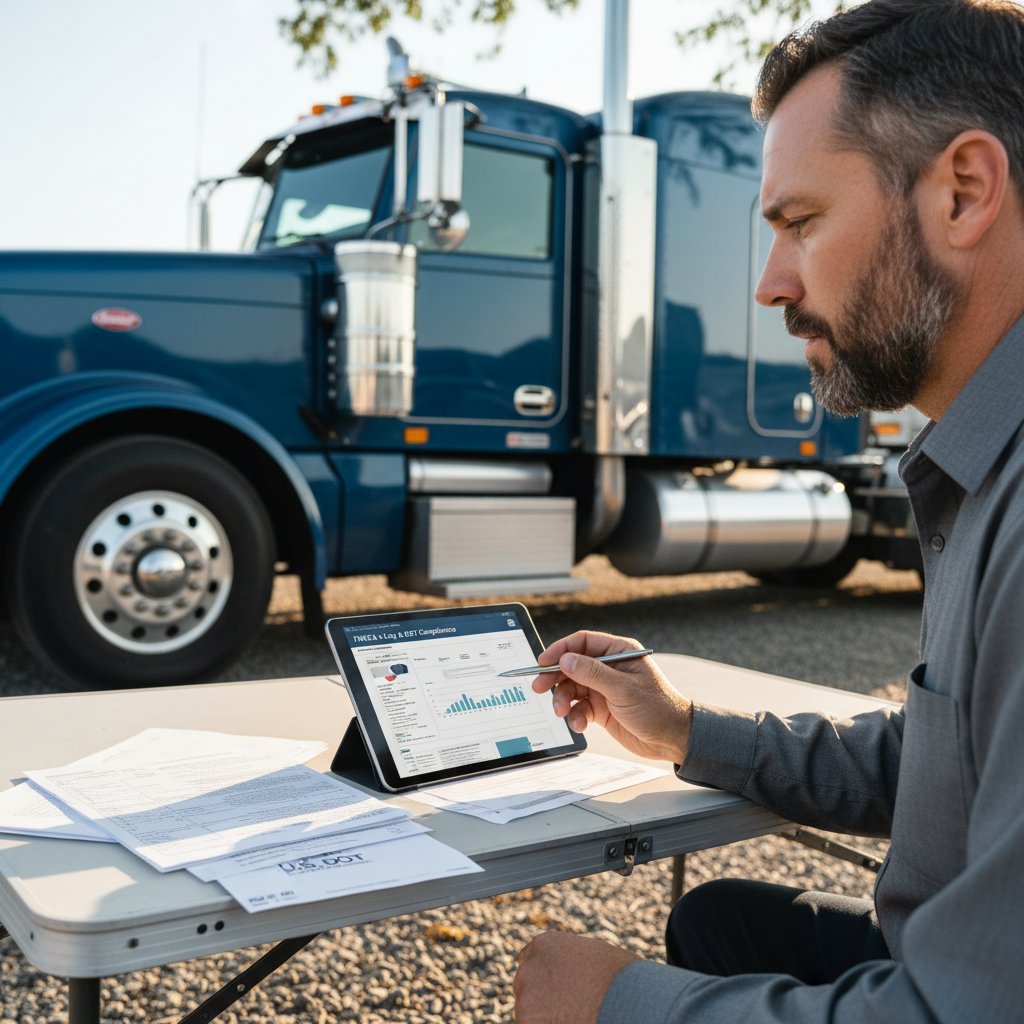
Get a pickup truck insurance quote fast in 2026: what info you need, personal vs commercial rules, typical costs, key coverages, and how to compare correctly.
If your pickup does double-duty (work during the day, personal driving at night), a pickup truck insurance quote can change fast based on one detail: how the carrier classifies your use (personal vs business). The safest way to get the right price and the right protection is to quote with accurate driver, VIN, garaging, mileage, and towing/hauling details from the start.
Featured snippet (What factors determine a pickup truck insurance quote?): A pickup truck insurance quote is mainly based on how you use the truck (personal vs business), your driving record (often a 3–5 year lookback), garaging ZIP/state, truck value/model, annual mileage, towing/hauling exposure, and the limits/deductibles you choose; commercial use, higher liability limits, and frequent towing typically increase the quote.
Within the broader truck market, pricing drivers are similar—see Logrock’s 2026 benchmark context in truck insurance rate benchmarks (2026)—but pickups have their own “gotchas” (tools, trailers, delivery use, and misclassification).
Key takeaways (make these decisions before you compare prices):
- Usage is the #1 driver: personal, contractor/business, delivery, or hotshot-style hauling/towing.
- Bad inputs create bad quotes: VIN, garaging ZIP, mileage/radius, and trailer details must match reality.
- Compare apples-to-apples: same limits, deductibles, drivers, and use class across carriers.
- Don’t guess personal vs commercial: misclassification can create coverage gaps and non-renewal/cancellation depending on policy terms and state rules.
Table of Contents
Reading time: 8 minutes
- What Is a Pickup Truck Insurance Quote (and Why Quotes Vary)?
- What You Need to Get a Pickup Truck Insurance Quote
- Personal vs Commercial Pickup Truck Insurance (How to Choose)
- Coverage Options Included in Pickup Truck Insurance Quotes
- Pickup Truck Insurance Quote Cost in 2026 (What Actually Moves Price)
- How to Get Pickup Truck Insurance Quotes Online (and Compare Correctly)
- Common Pickup Truck Insurance Quote Mistakes
- Why Logrock’s Approach Is Different
- Frequently Asked Questions
- Conclusion: Get an Accurate Pickup Truck Insurance Quote
What Is a Pickup Truck Insurance Quote (and Why Quotes Vary So Much)?
A pickup truck insurance quote is a premium estimate based on your drivers, garaging ZIP/state, VIN, stated usage, and selected limits/deductibles, and it can change after underwriting verifies items like your MVR and prior insurance history.
That’s why two “similar” pickups can get very different prices—even before you add trailers, tools, or business use into the mix.
Quote vs. policy vs. binder (plain English)
- Quote: “If everything checks out, your price should be about X.”
- Binder: temporary proof of coverage while paperwork finalizes (common in commercial auto).
- Policy: the actual contract with limits, deductibles, endorsements, and exclusions.
The 7 biggest quote drivers for pickups
Most insurers rate pickups using a small set of underwriting inputs, and the biggest swing factor is usually use class (personal vs commercial).
- Use class (personal vs commercial): the biggest swing factor for working pickups
- Driving record: tickets, accidents, claims (often reviewed over the last 3–5 years)
- Garaging ZIP/state: theft rates, weather losses, traffic density
- Truck value and model: repair cost, theft target, safety tech
- Annual mileage + radius: local vs regional driving changes exposure
- Limits + deductibles: higher limits and lower deductibles cost more
- Towing/hauling exposure: trailer weight, frequency, and “for-hire” activity
If you think like a business owner, your quote is basically a reflection of frequency risk (how often losses happen) plus severity risk (how expensive they are when they happen).
What You Need to Get a Pickup Truck Insurance Quote (Personal or Commercial)
An accurate pickup truck insurance quote typically requires four buckets of information—drivers, VIN, usage (miles/radius/towing), and coverage limits—because each bucket changes rating and eligibility.
If you want the quote to stay stable from “estimate” to “bind,” don’t wing it—pull these items first.
Driver info (personal and commercial)
Insurers use driver details to run record checks, and many carriers price based on violations and claims within the last 3–5 years.
- Full names, DOBs, license numbers (all drivers)
- Violations/accidents/claims (last 3–5 years)
- Prior insurance carrier + how long you’ve been continuously insured
Pro tip: If you’re a business with multiple drivers, list every driver honestly—unlisted drivers often get discovered during a claim investigation or policy audit.
Vehicle info (VIN-level details)
A VIN-based quote is more reliable than a “year/make/model” guess because trims and packages can materially change value and repair cost.
- VIN, year/make/model/trim
- Lienholder info (if financed)
- Modifications (lift kit, aftermarket bumper/winch, performance tune)
- Where it’s parked overnight (driveway vs fenced yard vs jobsite)
Usage info (where most quote errors happen)
Usage classification drives whether a carrier treats your pickup as personal auto, business/contractor use, delivery/courier use, or commercial “for-hire” exposure.
- Personal commuting only, or jobsite travel?
- Do you carry tools/materials regularly?
- Any signage/wrap with your company name?
- Annual mileage estimate and typical radius (local vs multi-state)
- Towing details: trailer type, max trailer weight, how often you tow
Coverage choices (the levers that change price)
Two pickup truck insurance quotes are not comparable if they don’t match on liability limits, deductibles, and key add-ons like UM/UIM and roadside.
- Liability limit target: many businesses quote common tiers like $100,000/$300,000 or $250,000/$500,000 (availability varies by carrier/state)
- Comp/collision deductibles: choose what you can realistically pay out-of-pocket
- UM/UIM: important in many states where uninsured driving is common
- Towing/roadside and rental: can matter more than you think if downtime kills cash flow
Personal vs Commercial Pickup Truck Insurance: How to Choose the Right One
Personal vs commercial pickup truck insurance is primarily determined by business use indicators like delivering or towing for pay, carrying tools/materials daily, business ownership/title, and employee drivers.
This is where most people either overpay (buy commercial when they don’t need it) or create a gap (buy personal when their real-world use is clearly business).
Rule-of-thumb decision flow (then confirm with the carrier)
If you answer “yes” to any of the questions below, you should strongly consider a commercial pickup truck insurance quote and confirm the correct class with the carrier in writing (email is fine).
- Do you use the pickup to deliver/haul/tow for pay?
- Do you regularly carry tools/materials for work?
- Do you tow a work trailer frequently (landscaping, skid steer, equipment)?
- Is the truck titled to a business (LLC) or primarily used for company operations?
- Do you have employees driving it?
Common contractor scenarios (real-world examples)
- Plumber/electrician/HVAC: jobsite travel + tools/parts in the bed; tools usually need separate coverage (often inland marine) if you want theft protection.
- Landscaper: towing exposure is the big one—more towing time tends to mean higher severity risk.
- Handyman/real estate: could be personal or commercial depending on frequency of business use and carrier rules.
Misclassification risk (why “just put personal” can backfire)
Misclassification happens when a truck is quoted as personal but used for business, and it can trigger re-rating, non-renewal, or claim complications depending on the policy language and state rules.
If your pickup is creeping into hotshot-style work (for-hire hauling), you may also have regulatory requirements—FMCSA’s minimum public liability for non-hazardous property is $750,000 under 49 CFR §387.9 for many interstate for-hire operations, and that pushes you firmly into commercial territory.
What Coverage Options Are Included in Pickup Truck Insurance Quotes?
Pickup truck insurance quotes commonly include liability plus optional physical damage (comprehensive/collision), and commercial quotes often add business-specific options like hired & non-owned auto and structured trailer coverage.
Coverage names may sound familiar, but how they apply can differ a lot between personal auto and commercial auto.
Coverage comparison table (personal vs commercial pickup)
| Coverage | Personal pickup policy | Commercial pickup policy | When it matters most |
|---|---|---|---|
| Liability (BI/PD) | Yes | Yes | You hit a vehicle, property damage, lawsuits |
| Comprehensive | Optional | Optional | Theft, hail, animal strike, vandalism |
| Collision | Optional | Optional | At-fault accident, single-vehicle loss |
| Uninsured/Underinsured | Often | Often | You’re hit by a driver with low/no coverage |
| Med Pay / PIP | State-dependent | State-dependent | Medical bills regardless of fault |
| Towing & labor / roadside | Optional | Optional | Breakdowns, lockouts, dead battery |
| Rental reimbursement | Optional | Optional | Downtime while the truck is in the shop |
| Hired & non-owned auto | Not typical | Often available/needed | Employees using personal cars, rentals for work |
| Tools/equipment | Not usually | Sometimes (often separate policy) | Tools stolen from the truck/bed box |
| Trailer coverage | Limited/varies | More common/structured | Damage to a trailer you own/tow |
The coverage “money questions” to ask on every quote
- Is towing included in my use class? If yes, up to what weight and what trailer types?
- Are my tools covered while in the truck? If not, what endorsement or separate policy covers them?
- What’s excluded? Delivery use, “for-hire,” employee drivers, or certain trailer setups can change everything.
If your pickup is used in hotshot-style operations, you’re no longer just shopping “pickup insurance”—you’re creeping toward trucking insurance territory. For broader commercial pricing context, use commercial truck insurance rates (2026) as a benchmark framework (even though pickup rating differs from a semi insurance package).
How Much Does a Pickup Truck Insurance Quote Cost in 2026?
Pickup truck insurance quote cost in 2026 is driven less by “pickup vs SUV” and more by rating inputs like use class, garaging ZIP, driver record (often 3–5 years), mileage, liability limits, deductibles, and towing/for-hire exposure.
There isn’t one price—there are pricing bands, and your use class determines which band you’re even eligible for.
Personal pickup quote benchmarks (how to think about the range)
Personal pickup pricing is often most sensitive to ZIP code, driver history, and truck value, and it commonly moves when you add higher limits (like $250,000/$500,000) or lower deductibles (like $250–$500 instead of $1,000).
- Higher-theft ZIP codes: comp can rise quickly
- Newer, expensive trims: parts and repair costs push physical damage pricing
- Multiple drivers/teen drivers: frequency risk goes up
Commercial pickup quote benchmarks (why it’s often higher)
Commercial pickup quotes are frequently higher because business use tends to increase mileage and time-in-traffic, and businesses often choose higher liability limits and add towing/trailer exposure.
- More miles: more exposure
- Higher limits: higher severity potential
- Towing/trailers: larger losses when things go wrong
- More drivers: more variable risk
If you want a pricing framework that explains why premiums swing across the market, start with Logrock’s truck insurance rate benchmarks (2026), then bring your pickup-specific details (trailer weights, tools, delivery/for-hire use) to the quote conversation.
Mini quote scenarios (how price changes)
- Scenario A (Personal): clean record, low annual miles, garaged at home → personal quote is often competitive.
- Scenario B (Contractor): tools daily, tows weekly, wants higher limits → commercial quote often fits the operation better.
- Scenario C (Delivery/Courier): high mileage, dense routes, time pressure → quotes can rise fast due to exposure.
How to Get Pickup Truck Insurance Quotes Online (and Compare Them Correctly)
Pickup truck insurance quotes online are only comparable when the inputs match—same use class, same liability limits, same deductibles, same drivers, and the same towing/trailer disclosures.
You can get quotes online, but you only get good quotes if you standardize the details.
Step-by-step: the fastest way to get accurate quotes
- Decide use class (personal vs commercial)—or quote both.
- Pick a liability limit target and keep it consistent (example tiers: $100,000/$300,000 or $250,000/$500,000).
- Pick comp/collision deductibles you can actually afford.
- Disclose towing, tools, and delivery use up front.
- List all drivers.
- Ask what endorsements are required for your exact operation.
Apples-to-apples quote comparison checklist
- Same liability limits (don’t compare 50/100 vs 250/500 and call it “cheaper”)
- Same comp/collision deductibles
- Same listed drivers
- Same annual mileage/radius
- Same towing/trailer disclosure
- Confirm included add-ons (roadside, rental, UM/UIM)
- Confirm exclusions (delivery, for-hire, business use, employee use)
Ways to lower your pickup quote (without underinsuring)
- Raise deductibles strategically (only if you have a cash buffer)
- Avoid coverage lapses (continuous coverage often prices better)
- Use secure parking (fenced yard, cameras, locked storage)
- Consider telematics or safe-driver programs where offered
- Commercial tip: driver screening + dash cams + documented safety habits
Common Pickup Truck Insurance Quote Mistakes (That Raise Price or Create Claim Issues)
The most expensive pickup insurance mistakes are usually classification errors (personal vs business), missing towing exposure, and comparing quotes with different limits and deductibles.
A cheap quote isn’t a win if it’s built on incorrect use details or missing coverages you actually need.
Calling it “personal” when it’s clearly business use
If the pickup is a work truck in practice, quote it that way—wrong classification becomes a long-term headache.
Forgetting trailer exposure
If you tow, talk about trailer ownership (yours vs rented/borrowed), trailer value, typical loads, max trailer weight, and towing frequency.
Not insuring the stuff that makes you money
Tools, attached equipment, and downtime are often the real business killers—not just the fender-bender.
Comparing different coverages and thinking it’s the same “price”
Cheaper isn’t better if the quote quietly removed comp/collision, UM/UIM, trailer coverage, or towing endorsements.
Why Logrock’s Approach Is Different (What Business Owners Actually Need)
Business owners need pickup insurance quotes that match real operations—tools, trailers, employees, and jobsite driving—because revenue risk is driven by downtime and liability severity.
Most “pickup insurance” pages treat you like a personal auto shopper, but a working pickup should be handled like a business asset.
- Match coverage to the real operation: no guessing on use class.
- Keep quotes comparable: same limits, deductibles, and disclosures.
- Avoid expensive surprises after a loss: tighten gaps before you bind.
Frequently Asked Questions
These pickup truck insurance quote FAQs cover the 6 questions shoppers ask most often, including the exact info insurers request (VIN, drivers, garaging ZIP, and 3–5-year history) and how towing/business use changes eligibility.
You need driver details, garaging address, prior insurance history, and truck info (VIN, year/make/model) to get a pickup truck insurance quote, and most carriers also rate on a 3–5 year lookback for violations and claims. To keep the quote accurate, you also have to describe usage: personal vs business, estimated annual mileage/radius, and towing/tools exposure. If you tow, bring the trailer type, approximate value, and max weight you pull so the carrier can classify the risk correctly. The goal is simple: don’t let “unknowns” turn into a re-rated premium after underwriting.
Yes—commercial pickup insurance is rated and written for business activities like jobsite driving, employee drivers, delivery/courier use, and frequent towing, while personal auto is intended for personal/commuting use. Many carriers review business-use indicators such as tools/materials carried daily, signage, business ownership/title, and “for-hire” hauling. If you haul for-hire in interstate commerce, you may also face federal minimum liability requirements—FMCSA’s minimum is $750,000 for many non-hazardous property operations under 49 CFR §387.9. When in doubt, quote both and ask the carrier which class matches your exact activities.
A pickup truck insurance quote cost depends on your garaging ZIP/state, driver record (often a 3–5 year lookback), truck value/model, annual mileage, and whether the pickup is personal or commercial use. Your chosen limits and deductibles also move the price a lot—for example, jumping from $100,000/$300,000 liability to $250,000/$500,000 or lowering deductibles from $1,000 to $500 commonly increases premium. For a market-level framework that explains why rates swing (and which risk inputs matter most), use Logrock’s truck insurance rate benchmarks (2026) as your starting point.
Yes, you can get pickup truck insurance quotes online, and many carriers can bind electronically once underwriting has the required details (drivers, VIN, garaging ZIP, use class, limits, and deductibles). Commercial pickups often trigger follow-up questions when there’s frequent towing, delivery/courier use, multiple drivers, or higher liability limits (like $250,000/$500,000) because underwriting needs the correct classification and endorsements. The fastest way to avoid back-and-forth is to disclose towing/trailer weight and tools/business use up front so the quote doesn’t get rebuilt later.
Most pickup truck insurance quotes can include liability, comprehensive, collision, uninsured/underinsured motorist (where available), and optional add-ons like towing/roadside and rental reimbursement. Commercial pickup quotes may also include hired and non-owned auto (for employee-driven personal cars or rentals), structured trailer coverage, and options for tools/equipment (often via separate inland marine coverage rather than the auto policy). To compare correctly, confirm the same limits and deductibles across carriers and ask what’s excluded for your use class, especially if there’s delivery or towing exposure.
Yes, towing a trailer often changes your pickup truck insurance quote because it increases liability severity and can require trailer coverage or endorsements depending on the trailer type, value, and weight. For an accurate quote, provide the trailer type (utility, enclosed, equipment), whether you own it, approximate value, max weight you tow, and how often you tow per week or month. If towing is for business (landscaping, equipment hauling, or for-hire work), it can also shift you from personal to commercial classification, which affects both eligibility and premium.
Conclusion: Get an Accurate Pickup Truck Insurance Quote
The fastest way to get the right pickup truck insurance quote is to classify usage correctly, standardize your coverage inputs, and disclose towing/tools/delivery exposure up front. That’s how you avoid buying a cheap number that doesn’t protect your income.
Key Takeaways:
- Personal vs commercial is the biggest decision: don’t guess—confirm the correct class with the carrier.
- Bring VIN + driver history + real usage: accurate inputs reduce re-rating surprises.
- Compare apples-to-apples: same limits, deductibles, drivers, and towing disclosure.
If you want quotes that match how you actually use the truck, start with the same inputs and compare clean options side-by-side.
Related reading: truck insurance rate benchmarks (2026), commercial truck insurance rates (2026).