Recovery truck insurance for towing & recovery operators: required coverages (on-hook, garagekeepers), 2026 cost ranges, compliance checklist, and savings tips. Get a quote.
Recovery truck insurance typically combines commercial auto liability with recovery-specific coverages like on-hook/towing (customer vehicles while being towed) and garagekeepers (customer vehicles stored at your lot), plus physical damage and equipment coverage for winches/booms. That’s the core package most rotation lists, motor clubs, and fleet accounts expect to see on a certificate of insurance (COI).
A single bad recovery can wipe out a month of profit: a torn bumper while winching, a stolen vehicle from your yard, or a claim that drags on while your truck sits. If you’re still thinking of this like “basic commercial auto,” you’re leaving gaps that only show up when it’s too late—especially around customer vehicles in your care. If you’re not sure where you fall, start with commercial vs. personal recovery truck insurance so you’re comparing apples-to-apples.
Key Takeaways: Essential Recovery Truck Insurance
- On-hook + garagekeepers are the two coverages that most often decide whether you’re paying out-of-pocket after a claim.
- Minimum legal limits rarely win contracts—rotation lists and motor clubs usually set the real requirements.
- Costs swing hard by truck class, territory, driver history, and vehicle values you touch (not just your truck’s value).
- The cheapest premium is useless if equipment isn’t scheduled or exclusions gut coverage for winching/off-road recovery.
Table of Contents
Reading time: 7 minutes
- Recovery Truck Insurance Coverages (What Each Policy Does)
- US Requirements: DOT/FMCSA, State Rules, and Contract Minimums
- How Much Does Recovery Truck Insurance Cost in 2026?
- Why Logrock: Straight Answers, Clean Paperwork, and No Coverage Gaps
- Frequently Asked Questions
- Conclusion: Protect the Work That Pays You
Recovery Truck Insurance Coverages (What Each Policy Does)
Recovery truck insurance coverages are designed to protect (1) third-party injuries and property damage you cause and (2) customer vehicles that are hooked, hauled, or stored in your care, which standard commercial auto liability doesn’t fully address.
Here’s the practical stack most towing/recovery owner-ops and small fleets use. If you’re missing one layer, you might still be “insured” but not protected.
Quick rule: If a customer vehicle is hooked, hauled, or stored, you usually need more than standard commercial auto.
For the cleanest explanation of the two most confused coverages, review on-hook vs. garagekeepers coverage before you renew—this is where a lot of operators get burned.
| Coverage | What it protects | Why it matters in recovery work |
|---|---|---|
| Commercial auto liability | Injuries/property damage you cause with your truck | The foundation (and the first thing contracts check) |
| On-hook / towing | Customer vehicles while you’re towing/transporting | The “you damaged it while it was on your hook/bed” coverage |
| Garagekeepers | Customer vehicles while stored at your yard/lot | Theft, vandalism, weather, lot incidents—this is a big exposure |
| Physical damage | Your recovery truck (comp/collision) | Uptime is money; lenders often require it |
| Equipment / tools | Winches, wheel lifts, booms, dollies, chains, etc. | Gear is expensive and not always covered unless endorsed/scheduled |
| General liability | Non-auto claims (premises/operations) | Slip-and-fall at the yard, minor property damage not involving the truck |
| Workers’ comp / occ accident | Injury costs for employees/owner | State rules + protects the business from a payroll-killer claim |
| Umbrella / excess | Higher limits over liability/GL | One severe injury claim can exceed primary limits fast |
Commercial Auto Liability (The Foundation)
Commercial auto liability pays for bodily injury and property damage you cause while operating the recovery truck, and it’s the baseline coverage most contracts verify first via COI.
- Why it’s essential: One at-fault crash can produce injury claims that exceed what a small towing company can pay out-of-pocket.
- Who needs it: Every towing/recovery operator running a truck on public roads.
- Pro tip: Don’t shop by price alone—shop by limits, exclusions, and who’s listed as insured (this matters for contract work).
On-Hook / Towing Coverage (Customer Vehicles While Towed)
On-hook (towing) coverage is the coverage that responds when a customer vehicle is damaged while it’s attached to your hook, wheel lift, or carrier and being transported.
- Why it’s essential: Hookup mistakes, load shift, low-clearance damage, and tie-down failures are common claim scenarios.
- Who needs it: Anyone towing/recovering customer vehicles (private calls, impounds, motor clubs, fleet accounts).
- Pro tip: Set limits around the highest-value vehicle you realistically touch (luxury vehicles, EVs, commercial units, etc.).
Garagekeepers Liability (Customer Vehicles Stored at Your Yard)
Garagekeepers liability covers damage to customer vehicles while they’re in your care, custody, and control at your lot, yard, or storage facility.
- Why it’s essential: Your yard can hold six figures in vehicles overnight; theft, vandalism, hail, and lot incidents can add up fast.
- Who needs it: Anyone storing vehicles—impounds, hold-for-inspection, body shop drops, or “we’ll get it Monday.”
- Pro tip: Ask whether it’s written as legal liability or direct primary, because the claim path and proof requirements can differ.
Physical Damage (Your Recovery Truck)
Physical damage generally means comprehensive and collision coverage for your recovery truck, based on an agreed or stated value and deductible.
- Why it’s essential: If the truck is down, you’re still paying notes, insurance, and overhead.
- Who needs it: Any operator who can’t replace or repair a truck out-of-pocket.
- Pro tip: Choose a deductible you can actually pay today, not “eventually.”
Equipment Coverage (Winches, Booms, Dollies, Tools)
Equipment coverage protects permanently attached or scheduled recovery equipment (and sometimes portable tools) that may not be fully covered under a basic auto physical damage form.
- Why it’s essential: Recovery gear is expensive, theft-prone, and often a separate valuation problem for underwriters.
- Who needs it: Anyone doing winch-outs, rollovers, heavy recovery, or running a well-equipped rig.
- Pro tip: Keep an equipment schedule (photos, serials, values) so coverage and claim handling are clean.
General Liability + Umbrella (When the Claim Is Bigger Than You Planned)
General liability covers many non-auto premises/operations claims, while an umbrella/excess policy increases the total available limits above the underlying policies.
- Why it’s essential: Severe injury claims can pierce primary limits, and many contracts require umbrella limits to bid or stay on rotation.
- Who needs it: Yard operations, higher-volume operators, companies with employees, and anyone doing contract-heavy work.
- Pro tip: Umbrella can be cost-effective, but only if the underlying policies meet required limits and forms.
US Requirements: DOT/FMCSA, State Rules, and Contract Minimums
US towing and recovery insurance requirements typically come from a mix of state financial responsibility rules, FMCSA regulations for certain interstate operations, and contract minimums set by rotation lists, motor clubs, and municipalities.
A lot of recovery operations are intrastate, but compliance still matters because (1) you may cross state lines even “rarely,” and (2) your contracts can require proof that resembles interstate carrier standards.
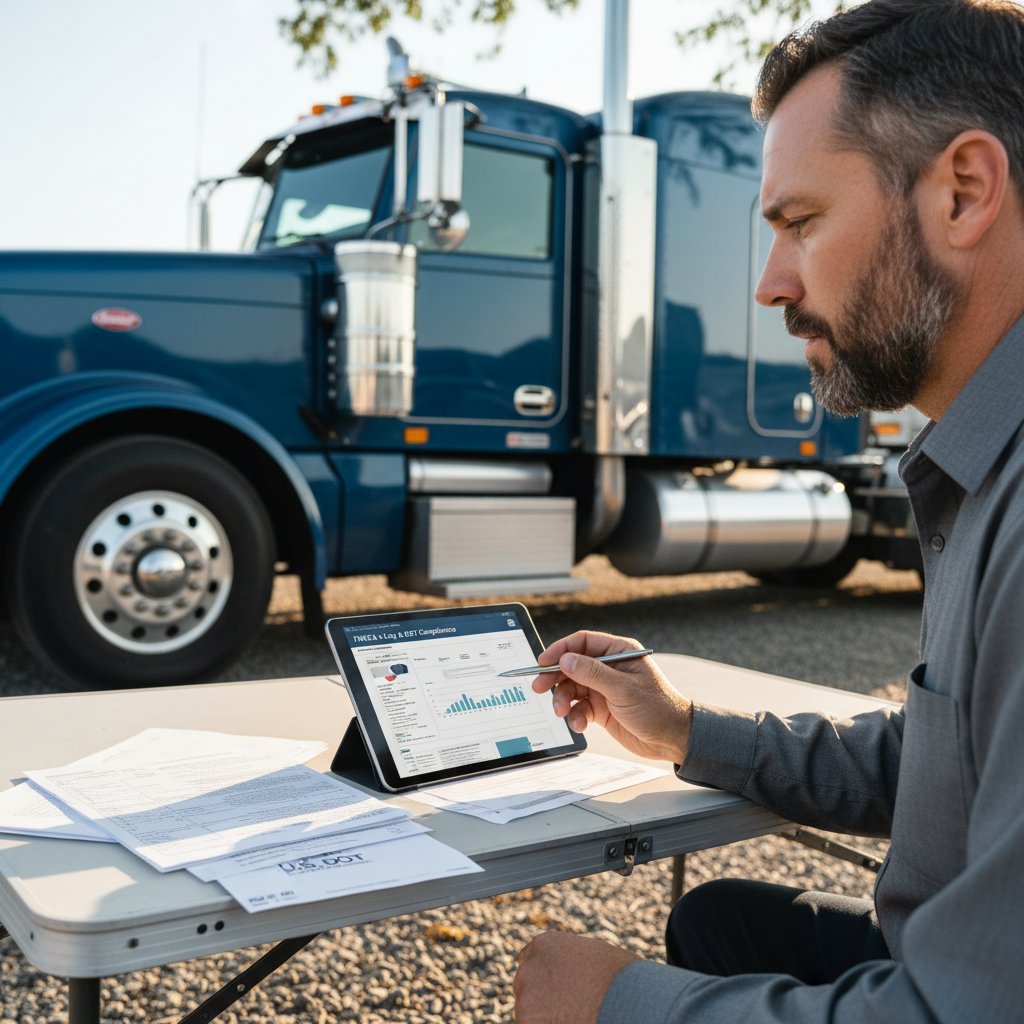
For practical habits that keep your paperwork clean, start with FMCSA insurance compliance tips—even if you’re mostly local, your documentation workflow should be tight.
Federal vs. State Requirements (Where People Get Tripped Up)
FMCSA public liability requirements for many interstate for-hire motor carriers start at $750,000 (49 CFR 387.9), but towing/recovery applicability depends on how you operate and how your authority is set up.
- Why it matters: Assuming “I’m local so nothing applies” can backfire when a contract requires filings, specific limits, or specific wording.
- Who should double-check: Any operator doing cross-border work, contracted fleet recovery, or running under authority that triggers filings.
- Pro tip: Ask your agent: “Do I need any filings for how I operate today?”
Contract Minimums (The Real-World Requirements)
Police rotation lists, motor clubs, municipalities, and fleet accounts often specify limits and endorsements that exceed “state minimums,” and they can remove you from dispatch if your COI doesn’t match the bid packet.
- Liability limits (often higher than legal minimums)
- Required endorsements and certificate wording (certificate holder/additional insured when applicable)
- On-hook minimum limits and deductibles
- Garagekeepers minimum limits and form requirements
- Umbrella/excess limits
Business reality: “Legal minimum” might keep you on the road. It won’t always keep you in the work.
COI/Documentation Checklist (Use This Before You Bid or Renew)
A contract-ready COI packet usually includes a current unit list, driver list, accurate operations description, and correct on-hook and garagekeepers limits that match your real exposure.
- Current vehicle list (VINs), driver list, and operations description (light/medium/heavy recovery)
- On-hook and garagekeepers limits aligned to the highest-value vehicles you handle
- Equipment schedule (booms/winches/rotators) with values and serials if available
- Yard controls documented (fencing, lighting, cameras, controlled access)
- COIs issued with correct holder/wording before dispatch networks review you
How Much Does Recovery Truck Insurance Cost in 2026?
Recovery truck insurance cost in 2026 commonly ranges from about $6,000 to $45,000+ per truck per year depending on truck class, territory, driver history, claims, and on-hook/garagekeepers limits.
Pricing is all over the board because carriers price severity: a recovery operator touching high-value vehicles at risky scenes is not the same risk as a straight-line freight run.
Below are realistic budgeting ranges (not promises). Your MVRs, loss runs, territory, truck values, and the limits you pick will move this fast.
| Operation type | Typical annual premium range (per truck) | Why it varies |
|---|---|---|
| Light-duty towing (wheel lift/flatbed) | ~$6,000 – $18,000 | Territory, driver history, on-hook limit, volume |
| Medium-duty recovery | ~$10,000 – $28,000 | Higher severity, heavier units, more complex recoveries |
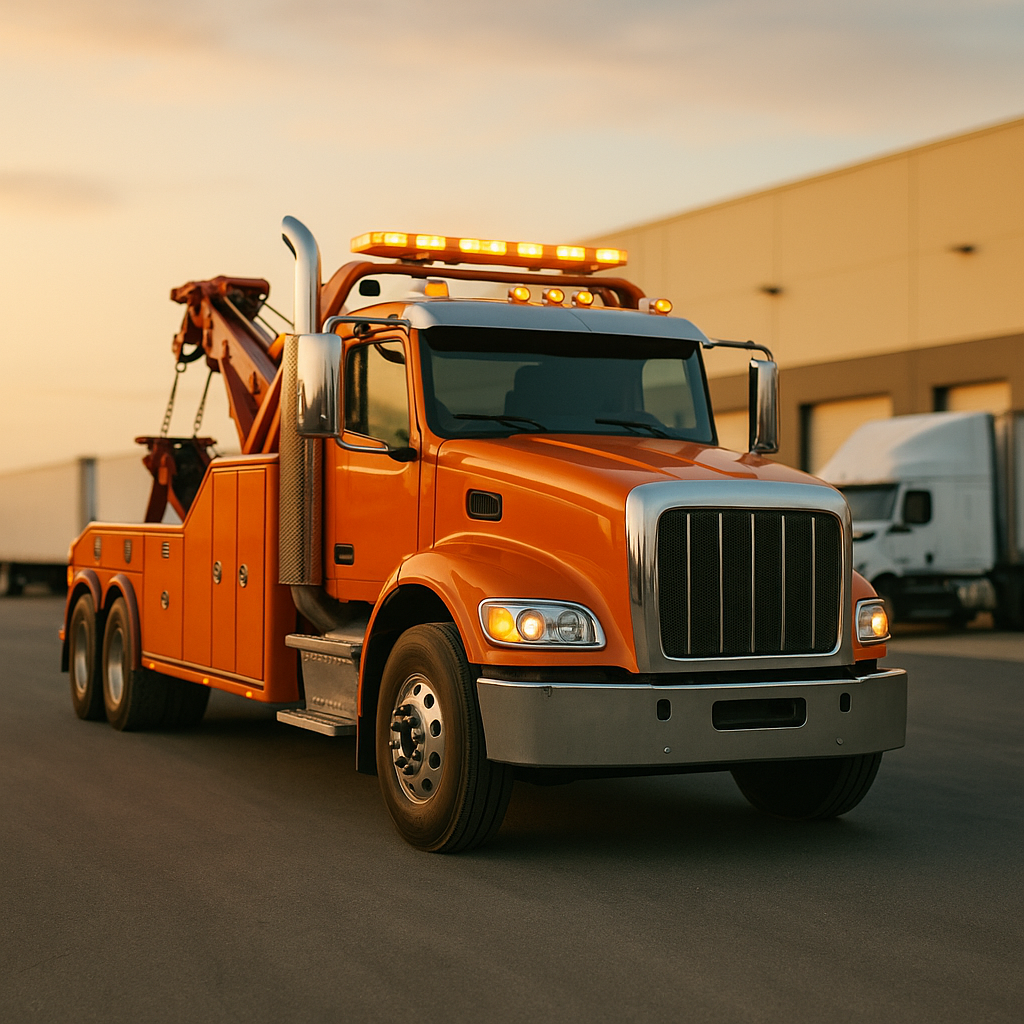
| Heavy-duty / rotator / serious recovery | ~$18,000 – $45,000+ | High-value exposures, specialized equipment, severe claim potential |
If you’re focused on keeping this affordable without gutting coverage, use the playbook in lowering recovery truck insurance costs and apply it before you shop quotes.
What Drives the Premium the Most
Most premium swings come from a small set of underwriting variables: who drives, where you operate, what you tow/store, and how well the risk is documented.
- Driver MVR + claims history: A severe loss or repeat frequency can affect pricing for years.
- Territory: Congestion, theft trends, litigation, and call frequency can raise severity.
- On-hook and garagekeepers limits: Higher limits usually mean higher premiums, but lower limits can create catastrophic out-of-pocket risk.
- Equipment values: Rotators/booms/tools increase insured values and exposure.
- Yard controls: Fenced, lit, and monitored yards typically underwrite better than open lots.
How to Shop Quotes Without Getting Lied To by the Numbers
To compare quotes apples-to-apples, keep the same limits, deductibles, and forms across every quote request.
- Liability limit
- On-hook limit + deductible
- Garagekeepers form (legal liability vs direct primary)
- Physical damage values + deductibles
- Equipment schedule and covered items
If one quote is “way cheaper,” it’s usually because something got removed—not because the insurer found magic savings.
Why Logrock: Straight Answers, Clean Paperwork, and No Coverage Gaps
A reliable recovery truck insurance process should verify on-hook and garagekeepers details, schedule equipment values, and produce COIs that match contract wording so you don’t lose work over preventable paperwork issues.
Recovery operators don’t need a sales pitch—you need correct coverage, correct COIs, and fast help when something happens.
That’s why we push a simple process:
- Match limits to real vehicle values and contract requirements
- Verify on-hook/garagekeepers forms and exclusions
- Document equipment properly (so you’re not “surprised” at claim time)
- Keep claims reporting clean so downtime doesn’t turn into a financial spiral
If you want to see what “good” looks like after an incident, use this recovery truck insurance claims guide as your checklist for documentation and next steps.
Frequently Asked Questions
Recovery truck insurance typically covers commercial auto liability plus recovery-specific protection for customer vehicles through on-hook/towing coverage (while a vehicle is attached and being transported) and garagekeepers liability (while a vehicle is stored in your care at your lot).
Most operators also add physical damage (comp/collision) for the truck, scheduled equipment coverage for winches/booms/dollies, general liability for yard and operations exposures, and umbrella limits when contracts require higher protection. The right package is based on the highest-value vehicles you touch and the contract minimums you must prove on a COI.
Recovery truck insurance often costs about $6,000 to $45,000+ per truck per year in 2026, with light-duty commonly landing around $6,000–$18,000 and heavy-duty/rotator work commonly budgeting $18,000–$45,000+.
The biggest pricing drivers are territory (theft and litigation trends), driver MVR and losses, on-hook and garagekeepers limits, and equipment values. If you want to reduce premiums without creating coverage gaps, follow the levers in lowering recovery truck insurance costs and re-quote with the same limits and forms so you can compare accurately.
Yes—recovery work usually requires recovery-specific coverage because standard commercial auto liability does not fully cover customer vehicles in your care without on-hook and garagekeepers coverage.
Recovery often involves winching, uprighting, off-road pulls, and roadside traffic exposure, which increases severity and adds equipment risk (booms, rotators, chains, dollies). That’s why underwriters and contracts commonly require a stack that includes on-hook, garagekeepers, physical damage, and scheduled equipment coverage. If you want the “whole stack” view for towing and recovery, see comprehensive towing insurance.
On-hook generally applies when a customer vehicle is attached to your truck and being transported, while garagekeepers generally applies when the customer vehicle is stored at your yard or lot in your care, custody, and control.
In real claims, the timing matters: damage during hookup/loading/transport often lands under on-hook (subject to your limit and deductible), while theft, vandalism, hail, and lot incidents typically land under garagekeepers (subject to the form and conditions). For a clean breakdown with examples, review on-hook vs. garagekeepers coverage before you renew.
Conclusion: Protect the Work That Pays You
Recovery truck insurance is designed to keep one high-severity call—like a damaged customer vehicle, yard theft, or a serious injury claim—from turning into an out-of-pocket loss that can cripple cash flow.
Build the policy around your real exposures (customer vehicles in tow and in storage), align it with contracts, and shop quotes with matching limits so you’re not comparing fiction.
Key Takeaways:
- If you touch customer vehicles, on-hook and garagekeepers are not optional.
- Contracts often set the real minimums—not the state.
- Control what you can: drivers, documentation, yard controls, and deductibles.
Related Reading: How to choose recovery truck insurance and affordable trucking insurance in 2026.