
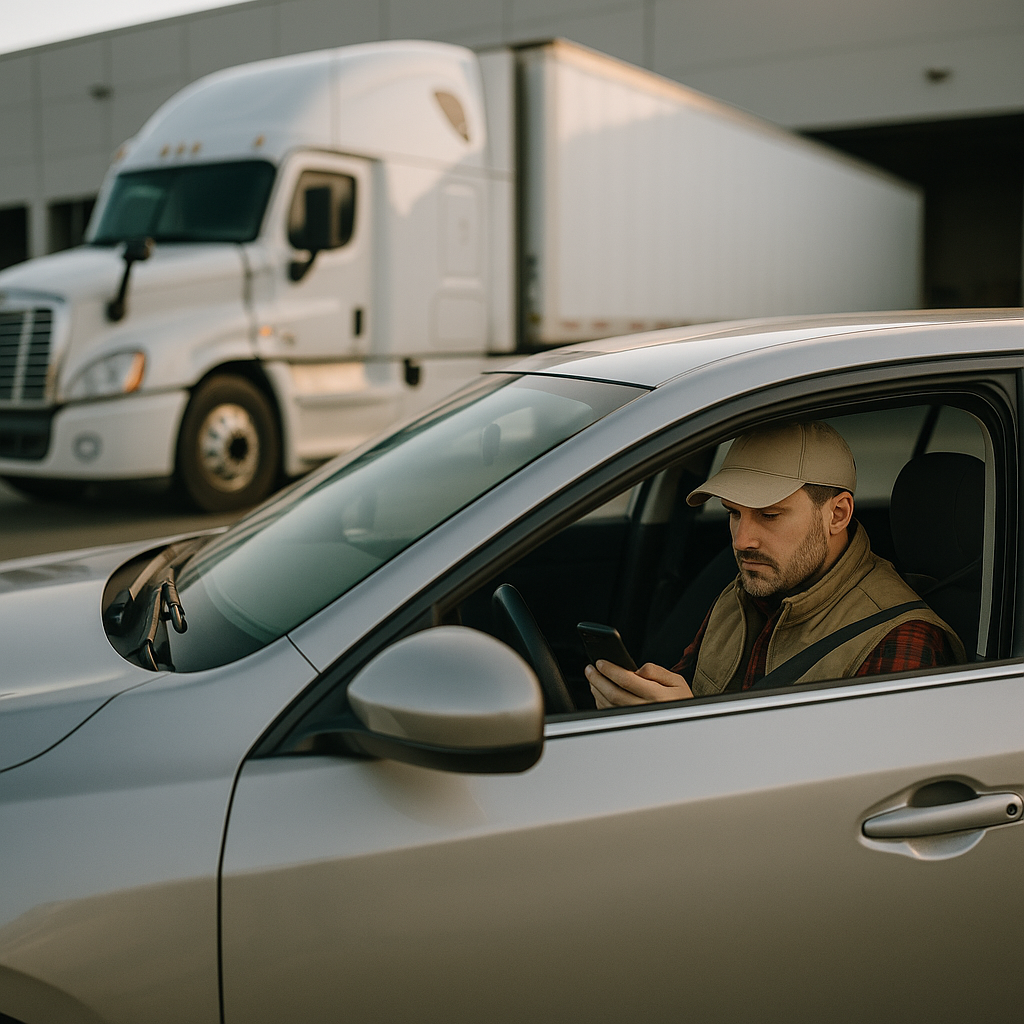
Using personal vehicle for business insurance? Learn what personal auto excludes, when you need an endorsement or commercial auto, HNOA basics, costs, and how to avoid claim denial—get a quote.
Using personal vehicle for business insurance is common—but the coverage is where people get burned. In most cases, personal auto insurance covers commuting and personal driving, but it often excludes many types of business use (especially deliveries, transporting passengers for pay, or frequent multi-stop work driving). The right fix depends on what you do, how often you drive, and the exact exclusions in your policy.
You’re trying to run a business on tight margins, and your car is part of the operation. The problem is simple: a personal auto policy is priced for “commute + errands,” not “earn money.” That gap is where denied claims and big out-of-pocket bills happen.
Key Takeaways: Essential Using-Personal-Vehicle-for-Business Insurance Rules
- If you’re getting paid to drive (deliveries or passengers), assume personal auto won’t be enough until your insurer confirms it in writing.
- “Commuting” and “driving for work” aren’t the same thing to underwriters—multiple job sites and regular client visits can change your classification.
- Small businesses with employees using personal cars should look at HNOA (Hired & Non-Owned Auto) so the company isn’t naked in a lawsuit.
- The cheapest setup is the one that actually pays when it’s go-time. A denied claim is never “affordable.”
Table of Contents
Reading time: 8 minutes
What Counts as “Business Use” of a Personal Vehicle? (The Gray Areas That Cost You)
Most personal auto policies are priced for personal/commute driving, and many carriers treat being paid to drive even 1–2 days per week (deliveries, rideshare, multi-stop work driving) as a different risk class that may trigger exclusions or require an endorsement.
Insurance companies don’t define “business use” the way a business owner does. You might think, “I’m just using my car,” but the carrier sees frequency + purpose + who benefits (you, your employer, or a paying customer).
To see how app-based driving creates “on/off” coverage periods and where gaps show up, read rideshare endorsement insurance explained.
1) Business use that most carriers flag quickly
Plain English: You’re driving as part of how you make money. That’s the zone where personal policies most often have exclusions or strict limitations.
- Delivering goods: food, packages, parts, flowers, pharmacy runs, courier work
- Transporting passengers for pay: rideshare/TNC work
- Driving to multiple job sites: contractors, home services, real estate, inspections
- Carrying tools/equipment for service calls: more than just commuting with a laptop
Practical rule: If you’re using an app, keep it simple: app off usually looks like personal risk; app on usually looks like business risk (and policies treat those differently).
2) What is often not business use (but don’t assume)
Plain English: Normal commuting and occasional incidental errands. People still get burned here because “incidental” means different things to different carriers.
- Driving to one regular workplace (commuting)
- Infrequent, truly occasional work errands (varies—confirm in writing)
3) The “two YES answers” rule (a practical self-check)
If you answer YES to 2 or more below, you should ask about an endorsement or a commercial auto option:
- Do you drive weekly (or more) for work besides commuting?
- Are you paid per trip / per delivery / per ride?
- Do you carry property that belongs to customers?
- Do you drive to multiple locations most weeks?
- Would your business lose revenue if you couldn’t drive tomorrow?
Your Real Insurance Options: Endorsement vs Commercial Auto vs HNOA
There are three common ways to insure business driving in a personal car—business-use endorsement, rideshare/delivery endorsement, or commercial auto—and many businesses also add HNOA liability, which is often written at $1,000,000 limits for lawsuits.
There isn’t one magic policy. There’s the right tool for the exposure—and the driver/business structure matters.
If your business is bigger than “just me driving sometimes,” you also need to understand HNOA. Here’s the baseline: hired and non-owned auto insurance (HNOA) guide.
1) Business-use endorsement (when it works)
Plain English: An add-on to a personal policy that expands what “covered use” means.
Why it matters: It can be the cheapest legitimate fix if your driving is limited and you’re not doing high-risk activities.
Often a fit for: sales reps, real estate, consultants, some contractors—usually not frequent delivery/for-hire driving.
- Be specific when you ask: how often you drive for work, whether you deliver anything, whether you transport passengers, and your approximate annual work miles.
- Get it in writing: an email confirmation is better than a phone call memory.
2) Rideshare/delivery endorsements (when you’re in the gig world)
What it is: Endorsements designed for app-based exposure (rideshare and/or delivery).
Why it matters: The biggest surprise is when the app is on but you’re waiting—that’s where gaps and denials show up most often.
Who needs it: anyone mixing Uber/Lyft with food delivery, or doing delivery regularly.
3) Commercial auto insurance (when you’ve outgrown personal)
Plain English: A policy built for business driving exposure—vehicle use, drivers, and limits designed around work.
Why it matters: If you deliver frequently, run multiple job sites, or have multiple drivers, commercial auto is often the cleanest “no drama” solution.
Trucking tie-in: If you’re using a pickup for paid hauling (hotshot work), you’re drifting toward commercial truck / hotshot territory. The same logic applies at larger scale with semi truck and trucking insurance—your policy has to match your operation.
4) HNOA (Hired & Non-Owned Auto) for businesses that don’t own the cars
Plain English: Coverage that helps protect the business if it gets sued because an employee (or sometimes a contractor) wrecks while driving a non-company vehicle on company business.
Why it matters: Even if the driver has personal auto, the business can still be pulled into the lawsuit. HNOA is about protecting the company’s balance sheet.
Who needs it: businesses with employees running errands, sales calls, service calls, or job-site travel in their own vehicles.
Costs, State-by-State Reality, and How Denied Claims Actually Happen
Pricing for business driving is driven by mileage, territory, activity type, driver history, and liability limits—$1,000,000 limits are common on commercial auto/HNOA, while state minimums can be as low as $25,000 per person in many states, which is rarely enough for a serious injury claim.
1) “How much does it cost?” (honest ranges + what drives the number)
Plain English: Premium is a reflection of risk: miles, territory, activity type, driving record, and limits.
- Business-use endorsement: often a smaller bump if your activity fits the carrier’s rules
- Rideshare/delivery endorsement: usually a monthly add-on; pricing swings widely by state and carrier
- Commercial auto: can be materially higher than personal auto because it’s rated for business exposure (often with higher limits)
Big price movers: deliveries/passenger transport, urban territory, high annual mileage, prior tickets/claims, and higher liability limits (often smart if you’re driving for money).
2) State-by-state considerations (what changes and what usually doesn’t)
Plain English: State rules affect minimum limits, no-fault/PIP structures, and sometimes rideshare frameworks—but your policy contract and exclusions still decide coverage.
- What usually doesn’t change: if your personal policy excludes a use, state minimums don’t force the carrier to cover that excluded use.
- What you should do: ask your insurer to confirm (email is fine) whether food delivery is covered, rideshare “app on/waiting” is covered, and multi-site job travel is considered business use.
3) The 3 most common denied-claim scenarios (and how to avoid them)
Choosing between add-ons and a different policy structure is easier when you compare the use-cases directly; see rideshare endorsement vs delivery driver insurance.
Scenario A: Delivery crash + business-use exclusion
- You rear-end someone while delivering for pay.
- The claim is reviewed and the insurer finds business use wasn’t disclosed or is excluded.
- Common outcome: denial, a coverage dispute, or non-renewal risk.
Scenario B: Rideshare “gap time”
- The app is on, you’re waiting, and you get hit (or hit someone).
- Personal policy says “no rideshare,” and platform coverage may be limited depending on the period.
- Common outcome: deductible shock, limited coverage, or an uncovered liability gap.
Scenario C: Misrepresentation (even if you weren’t trying to lie)
- You told the insurer “commuting only,” but you’re driving to job sites daily or doing weekly deliveries.
- After a loss, underwriting re-classifies your use as a material change.
- Common outcome: denial/cancellation/non-renewal—and future premiums go up.
Mitigation checklist (do this before you need it):
- Disclose what you do, how often, and estimated work miles
- Get the right endorsement (or commercial policy) in writing
- Confirm who’s listed as drivers and how the vehicle is titled (personal vs business)
- Review liability limits like a business owner (one claim can hit six figures fast)
Why Logrock: Coverage That Matches the Operation (Not Just a Cheap Premium)
A single auto liability claim can exceed $100,000 quickly, so the goal isn’t “cheap”—it’s making sure your coverage matches what you actually do when the adjuster starts asking questions.
Most insurance problems don’t show up when you’re paying the bill—they show up when you’re on the side of the road, an adjuster is asking about your trip, and you’re trying to keep your business running.
Logrock’s advantage is practical: we spend our time in commercial risk—commercial truck, trucking, hotshot, and semi truck exposures—so we’re used to matching coverage to real operations (not wishful descriptions).
If you’re delivering in a personal vehicle and want a deeper dive into that specific exposure, start here: delivery driver insurance for a personal car.
Related reading (if you’re mixing gigs or managing employee drivers)
Frequently Asked Questions
Personal auto insurance sometimes covers very limited incidental work errands, but it often does not cover regular business driving—especially deliveries or transporting passengers for pay—because many policies exclude “livery,” “delivery,” or other paid-driving uses.
The safest move is to check the exclusions and get your insurer’s confirmation in writing for your exact activity (deliveries, app-based driving, multi-site job travel, carrying tools/equipment). If you’re paid per trip or you’re driving for work weekly, ask about a business-use endorsement, a rideshare/delivery endorsement, or moving to commercial auto.
Yes—most drivers can insure a personal vehicle for business use by adding a business-use endorsement, adding a rideshare/delivery endorsement, or switching to a commercial auto policy when the exposure is frequent or high-risk.
What you should tell the insurer is not “I use it for work,” but the specifics: how many days per week you drive for work, whether you transport passengers, whether you deliver goods, and estimated annual work miles. That detail is what determines whether you’re eligible for an endorsement or need a commercial policy.
Personal auto is underwritten for personal/commute exposure, while commercial auto is built for business risk (regular work driving, multiple drivers, business-owned vehicles, and often higher limits such as $1,000,000 liability).
Commercial auto is typically the cleaner fit when you deliver frequently, drive to multiple job sites, or have multiple drivers using the vehicle for work. If you’re deciding between “cover the business” and “cover the driver,” this comparison helps: HNOA vs commercial auto insurance.
Maybe—but if you deliver regularly, you should assume you need a delivery endorsement or commercial auto until your insurer confirms your personal policy covers paid deliveries in writing.
Some carriers will allow limited delivery use with an endorsement, while others won’t cover delivery at all under a personal policy. The deciding factors are frequency (weekly vs occasional), how the work is structured (paid per trip), and whether your policy excludes delivery/livery use. If you deliver most days or rely on delivery income, commercial auto is often the simplest way to avoid claim disputes.
Conclusion: Get the Right Coverage Before You Have a Claim
Using a personal vehicle for business insurance works only when the policy’s covered use matches your real driving, because one denied claim can leave you responsible for five- or six-figure losses.
Using a personal vehicle for business is normal. Using the wrong insurance for it is expensive. The fix is straightforward: disclose your business driving clearly, choose the right endorsement or commercial auto structure, and protect the business with HNOA when employees are driving personal cars.
Key Takeaways:
- Describe your driving precisely (deliveries, passengers, multi-stop routes, job sites, miles/week) and get the answer in writing.
- Match the tool to the exposure: endorsement for limited business use, commercial auto for frequent/high-risk work driving, and HNOA to protect the company.
- Don’t shop on price alone: the “cheap” policy that denies a claim is the most expensive option.
If you tell us how you drive (deliveries, rideshare, job sites, tools/equipment, miles), we’ll help you compare endorsement vs commercial auto vs HNOA so you’re not gambling on a claim.



