If you’re shopping for hotshot truck insurance in Idaho, the biggest mistake is assuming Idaho state minimums, personal auto coverage, and FMCSA rules all mean the same thing. They don’t. Your insurance depends on what you haul, how heavy your setup is, whether you run interstate, and what brokers or shippers require.
This guide breaks that down in plain English. You’ll see what hotshot insurance usually covers, when federal rules kick in, what changes the price, and how to get a quote without wasting half your day on forms.
What Hotshot Truck Insurance Covers in Idaho#
Hotshot truck insurance in Idaho is commercial insurance built for hauling loads with a pickup, dually, or similar power unit, usually with a trailer. Most operators need more than one coverage because one policy protects damage you cause, another protects the freight, and another protects your own equipment.
What hotshot insurance is#
Hotshot trucking insurance is commercial coverage for for-hire hauling done with lighter equipment than a full semi, often using a pickup and trailer combination. The job may look smaller than traditional trucking, but the insurance issues are still commercial once you’re moving freight for pay.
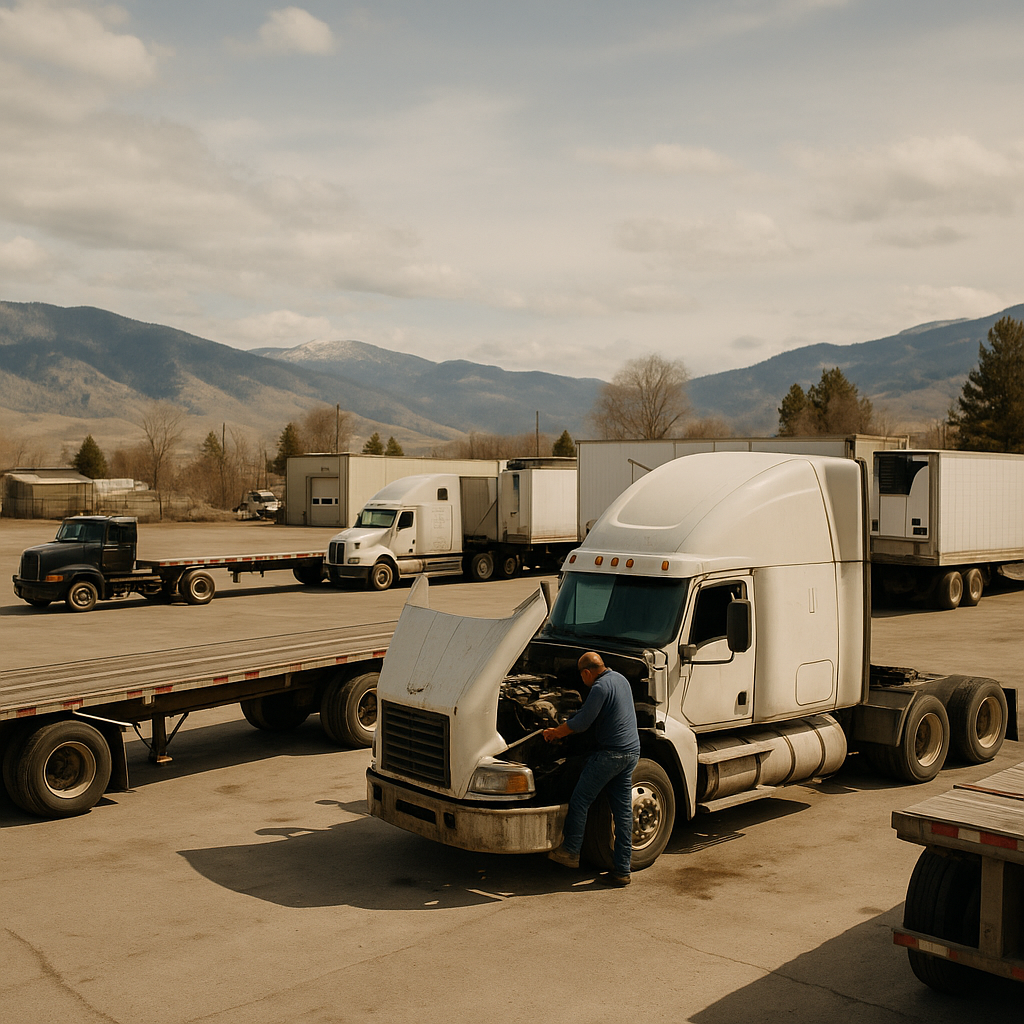
A lot of Idaho operators start with a dually, a gooseneck, and a few broker loads. That setup still creates the same core questions any carrier faces: who pays if you cause a wreck, who pays if cargo is damaged, and who pays if your truck or trailer gets hit, stolen, or totaled.
Why personal auto insurance is not enough#
Personal auto insurance covers personal driving, not commercial hauling for hire. If you’re using your pickup to move freight for money, you usually need commercial auto liability, not a personal auto policy with assumptions attached.
This is where owner-operators get burned. A truck may be titled personally, financed like a personal vehicle, and still be used in a commercial operation that needs trucking coverage. If a claim happens during paid hauling, the fact that the truck is a pickup doesn’t make it personal use.
Which coverages usually matter most#
Commercial auto liability pays for injury or property damage you cause to others in a crash. Motor truck cargo covers the freight you’re hauling if it’s damaged by a covered cause of loss. Physical damage covers your truck and often the trailer for collision and other covered damage to your own equipment.
General liability covers certain non-driving business claims, like some incidents at a loading site or customer location, depending on the policy terms. For most hotshot operators, auto liability is the foundation, then cargo and physical damage get added based on the truck, trailer, and freight exposure.
Idaho Rules vs FMCSA Requirements#
Federal trucking insurance rules apply when your Idaho hotshot operation falls under FMCSA jurisdiction, especially for for-hire interstate work. Idaho may have its own registration and insurance oversight, but state rules do not replace federal requirements when FMCSA rules apply under 49 CFR Part 387 and FMCSA registration standards at FMCSA.
When federal rules apply#
FMCSA rules usually matter most when you’re a for-hire carrier operating interstate. Interstate means crossing state lines, but it can also include freight tied to interstate commerce even when part of the trip stays inside Idaho.
Under 49 CFR Part 387, for-hire interstate carriers hauling general freight in vehicles over 10,001 lbs must carry at least $750,000 in public liability. That is not a universal number for every trucker. The minimum changes by carrier type, weight, and commodity, and some operations need more, such as certain hazmat or auto hauling exposures. If you want a deeper breakdown of FMCSA auto liability, scope matters more than shorthand.
The filing terms confuse a lot of new operators. An MCS-90 is an endorsement attached to a liability policy that helps satisfy federal financial responsibility rules in certain situations. A BMC-91 is the electronic filing insurers make to show proof of liability coverage for an authorized motor carrier.
When Idaho and contract terms matter#
The Idaho Department of Insurance oversees insurance regulation in the state, and Idaho-based operators still need to handle state registration, titling, and related compliance through state channels such as the Idaho Department of Insurance and transportation agencies like the Idaho Transportation Department. But if you’re a for-hire interstate carrier, federal rules still control the liability floor.
Legal minimums also aren’t the whole story. A broker, shipper, or dispatcher may require higher auto liability, specific cargo limits, or proof of general liability before they’ll tender a load. That’s common in hotshot work, especially when the customer cares more about their contract language than the bare legal minimum.
Picture an Idaho operator who legally can run with one liability setup but can’t book better-paying freight because a broker requires higher cargo protection and active filings. That’s where people think insurance is “optional upsell” when it’s really market access.
Interstate vs intrastate examples#
An Idaho hotshot running only inside the state may face a different insurance framework than one hauling loads into Utah, Montana, Oregon, Washington, or Wyoming. The second that operation becomes interstate for-hire trucking, FMCSA registration and federal financial responsibility can enter the picture.
Weight matters too. A lighter pickup-and-trailer setup used for local work does not automatically follow the same rule set as a heavier commercial combination hauling general freight across state lines. The clean way to think about it is this: start with for-hire or private, then check weight, cargo, and interstate versus intrastate status.
A non-CDL pickup hauling commercial freight only around Boise still needs the right commercial policy if it’s for hire. A heavier combination running interstate under its own authority likely needs filings and federally scoped liability compliance as well.
How Much Hotshot Truck Insurance Costs in Idaho#
Hotshot truck insurance in Idaho can vary widely because underwriters price the operation, not just the truck. Your driving record, operating radius, cargo, equipment value, authority status, and coverage limits all affect premium, so two dually owners in the same town can get very different quotes.
Main cost drivers#
Commercial auto liability usually moves most with driving history, years in business, radius, interstate exposure, and what kind of freight you haul. A new venture hauling long distance under its own authority will usually price differently than an established local operator with a cleaner record and tighter lane pattern.
Motor truck cargo pricing depends heavily on what you’re hauling and how theft- or damage-prone it is. General freight is one thing; higher-value or easier-to-steal loads are another. Physical damage pricing is tied more closely to the insured value of the truck and trailer, deductibles, storage, and loss history.
Monthly vs annual pricing factors#
Some owners focus only on the monthly payment, but the annual premium is still built from the same risk picture. Financing the premium can change cash flow, but it doesn’t change the underwriting facts behind the number.
A quote also changes depending on whether the policy includes only the basics or adds more complete protection. If one quote includes stronger cargo terms, scheduled trailers, and broader physical damage, and another quote strips those out, the lower number may not mean the better fit.
Practical cost examples#
A basic local Idaho setup with a used dually, modest trailer value, shorter radius, and lower-risk general freight will often look different from an interstate operation hauling farther from home. The second account gives the insurer more time on the road, more claim exposure, and often more contract pressure from brokers.
A newer dually with a larger financed value can push physical damage costs up even if liability stays similar. A higher-value trailer can do the same. If the cargo changes from ordinary materials to something with more theft or damage exposure, cargo pricing may jump even when the truck hasn’t changed at all.
This is why “cheap hotshot insurance” advice is usually useless. The real question is which part of your operation is driving the premium, then whether you can tighten radius, clean up driver details, match limits to real load requirements, or avoid covering exposures you don’t actually have.
Required Coverages for Hotshot Operators#
Most Idaho hotshot operators need a package, not a single policy. Auto liability handles damage you cause to others, cargo protects the freight, physical damage protects your equipment, and general liability or trailer-related options come in only when the operation actually has those exposures.
Auto liability#
Commercial auto liability pays when your truck causes bodily injury or property damage to someone else. For many hotshot operators, this is the core policy because you usually can’t run for hire without it, and it is the coverage most directly tied to FMCSA filings and public liability requirements.
If you rear-end another vehicle with a loaded gooseneck, this is the policy that generally responds to the third-party damage claim, subject to the policy terms. It does not protect your own truck, and it does not insure the load itself.
Motor truck cargo#
Motor truck cargo covers the freight you’re hauling for others when it is damaged, lost, or stolen by a covered cause of loss. If you’re comparing options, motor truck cargo coverage matters because many brokers and shippers care as much about cargo proof as they do about liability proof.
Cargo is where details matter. What commodity are you hauling? Is it general freight, machinery, building materials, or something excluded or tightly limited? A hotshot operator who assumes “I have cargo” without checking commodity scope can find out too late that the load in question wasn’t covered the way they thought.
Physical damage#
Physical damage protects your own truck and scheduled trailer against covered loss. In trucking, that usually means collision plus comprehensive, or a fire and theft with combined additional coverage structure depending on the policy form. If you’re reviewing physical damage coverage, the key question is whether the value insured actually matches what you’d need to replace the equipment.
A financed dually, newer trailer, or specialty setup can leave you badly exposed if you skip this coverage to lower the premium. One rollover or theft loss can do more damage to your cash flow than a year of premium ever would.
General liability and trailer-related options#
General liability is separate from auto liability. It can help with certain business-related claims that don’t come from operating the truck on the road, and some customers require it for for-hire work even though it is not the same thing as truck liability.
Trailer interchange covers a trailer in your care when there’s a signed interchange agreement in place. If that situation fits your operation, trailer interchange coverage may make sense. If you’re simply borrowing or using a trailer you don’t own without that kind of agreement, non-owned trailer physical damage may fit better.
Non-trucking liability covers non-business use only, not paid hauling. That’s why non-trucking liability is not a substitute for primary commercial hotshot coverage.
CDL vs Non-CDL Hotshot Insurance#
CDL versus non-CDL status can affect underwriting, but it does not decide by itself what insurance you need. A non-CDL hotshot operator still needs commercial coverage if hauling freight for hire, and FMCSA-related requirements still depend on the operation’s weight, cargo, carrier type, and interstate status.
How CDL status affects underwriting#
Insurers may look at license class as one piece of the risk picture. It can influence how the account is reviewed alongside driver experience, MVR history, equipment type, and hauling scope.
A CDL can help show commercial driving background in some cases. But it isn’t a magic switch that makes coverage easy or hard by itself.
What does not change#
What doesn’t change is the commercial use. If you’re hauling freight for money with a pickup and trailer, personal auto insurance still isn’t enough just because the setup is non-CDL.
A local non-CDL operator moving commercial loads around Idaho still needs the right trucking policy structure. An interstate operator with a similar truck may also need federal filings and compliance support, even if the driver isn’t in a traditional Class 8 semi.
Common non-CDL misconceptions#
The biggest misconception is that non-CDL means “not really trucking.” Insurers, brokers, and regulators usually care more about what you’re doing than what label you use.
Another common mistake is assuming a dually used for business can be insured like a contractor’s pickup when it’s actually running for-hire loads. If the truck, trailer, and freight create a trucking exposure, the policy has to match that reality.
How to Get the Right Quote Fast#
The fastest way to get a useful hotshot truck insurance quote in Idaho is to submit the real operating details up front. That lets a broker scope the right coverage, check filing needs, and avoid the back-and-forth that happens when a dually owner says “hotshot” but leaves out the trailer, cargo, or authority status.
What information to gather first#
Have your VINs ready for the truck and any owned trailer. Know your garaging state, operating radius, and the type of freight you expect to haul. If you have interstate authority, have your USDOT and MC number available.
A USDOT number identifies a carrier in federal safety systems. An MC number is operating authority for certain for-hire interstate carriers. You can confirm operating status and basic registration details through FMCSA SAFER.
Questions to ask before binding#
Ask whether filings are needed for your operation. Confirm whether the trailer is owned, financed, leased, borrowed, or customer-provided, because that can change how it should be insured.
Also ask whether the cargo description on the policy matches what you’ll really haul. “General freight” sounds simple until the first excluded commodity shows up on a load board.
How to avoid unnecessary coverage gaps#
A fast quote doesn’t have to mean a sloppy one. It means giving enough clean information to avoid buying the wrong policy or bundling coverages you don’t need.
For example, some hotshot operators need cargo and physical damage but not every trailer-related option. Others need general liability because customers ask for it. If you’re not sure what fits your operation, LogRock can help you scope it. LogRock specializes in trucking insurance for owner-operators and small fleets.
FAQ#
What is the best insurance for hotshot trucking?
The best insurance for hotshot trucking depends on the actual operation, not the label. Most hotshot operators start with commercial auto liability because that handles damage you cause to others and is often the foundation for legal compliance and filings. From there, many also need cargo for the freight and physical damage for the truck and trailer.
The right setup changes based on cargo, radius, equipment value, interstate versus intrastate use, and contract requirements. A solid policy is one that matches how you really run, not one that simply has the lowest price or the biggest marketing claim.
Is Hotshot trucking worth it in 2026?
Hotshot trucking can still be worth it in 2026 for some operators, but it depends on margins, freight access, fixed costs, and discipline. Insurance, equipment payments, maintenance, downtime, fuel, and trailer wear all hit harder when you’re running a smaller operation with less room for mistakes.
The better question is whether your lanes, load mix, and cost structure make sense. If you’re paying too much for equipment, chasing weak rates, or carrying the wrong insurance setup, the business can feel tight fast. If your operating model is realistic and your costs are controlled, it may still pencil out. Results vary by market and operation.
Does Geico do Hotshot insurance?
Availability varies by underwriting appetite, and what matters most is not the brand name on a TV ad but whether the policy is actually written for commercial hotshot use. A personal auto policy, even from a well-known company, is not the same as trucking coverage for hauling freight for hire.
If you’re comparing options, ask direct questions. Is the policy commercial auto for a hotshot operation? Can it support the needed filings if your operation requires them? Does it match your trailer and cargo exposure? Those answers matter more than whether a carrier is familiar to you as a personal auto name.
What is the going rate for hot shot trucking?
The going rate for hot shot trucking varies by lane, distance, urgency, load type, trailer type, and market conditions. A short local run may price very differently from a time-sensitive interstate load, and the same equipment can produce very different revenue depending on broker relationships and freight consistency.
Insurance should be part of that math, but not the only part. You also need to account for fuel, maintenance, tires, downtime, permits where applicable, and equipment depreciation. A load rate that looks decent on a board can still be weak after all-in operating costs are counted.
Does a dually used for hotshot work need commercial insurance?
Yes, a dually used for hotshot work usually needs commercial insurance if it’s hauling freight for hire. The fact that it’s a pickup does not make it a personal-use vehicle in the eyes of the insurer once you’re operating as a business hauling loads.
The exact insurance structure depends on the operation. A local Idaho dually hauling commercial freight may need commercial auto liability, cargo, and physical damage. An interstate for-hire operation may also need federal filings and coverage scoped to FMCSA requirements. The truck style matters less than the business use, weight, cargo, and route pattern.