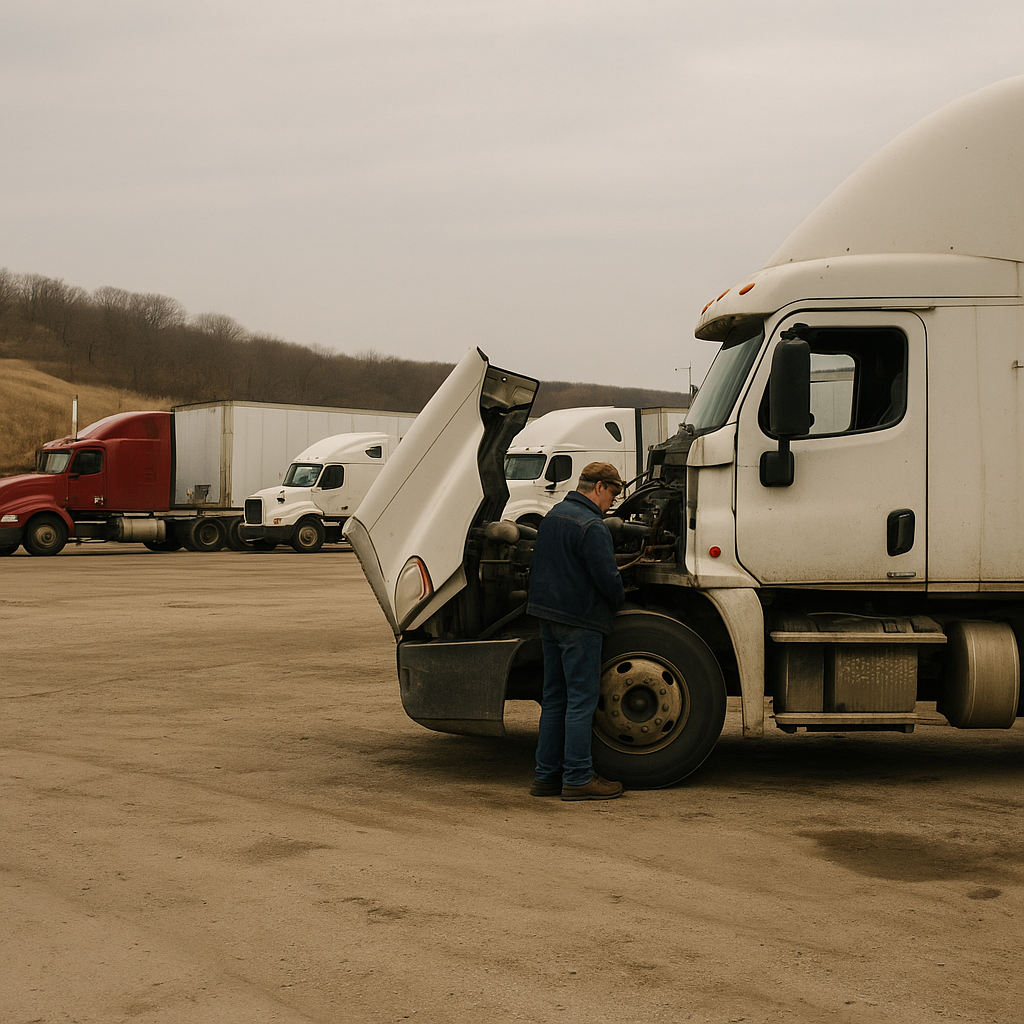
If you’re shopping for food truck insurance Iowa owners actually need, the first step is getting the operation type right. A self-propelled truck, a tow-behind food trailer, and a fixed-location restaurant can share some risks, but they are not insured the same way.
That mix-up is where a lot of bad quotes start. You think you’re comparing one policy to another, but one is built for a moving kitchen, another is built for a parked trailer, and another is basically restaurant coverage with gaps.
What Iowa Food Truck Insurance Actually Covers#
Iowa food truck insurance usually combines liability protection with vehicle and business coverages that fit a mobile food operation. The right mix depends on whether you run a self-propelled food truck, a food trailer, or another mobile setup, because each one creates different auto, equipment, and premises risks.
Start by defining the operation. A food truck is a self-propelled commercial vehicle with cooking or food service equipment built into it. A food trailer is a towable mobile food unit that depends on another vehicle for transport. A mobile food operation is the broader category that can include trucks, trailers, carts, and other moveable setups.
Core coverages in a food truck policy#
General liability is insurance that helps cover third-party bodily injury or property damage claims tied to your business operations. It can matter if a customer slips near the service window or you damage someone else’s property during setup.
Commercial auto is insurance for a business-owned vehicle used in business operations. If your unit is a road-licensed truck, commercial auto is usually the backbone of the policy because personal auto coverage generally isn’t built for a working food truck.
Inland marine is coverage for movable business property such as cooking gear, generators, tools, and other equipment that travels with the operation. That’s often how mobile operators insure items that aren’t permanently part of the vehicle itself.
Other common pieces can include property coverage for certain contents, workers’ compensation for employee job-related injuries where required, and liquor liability if you actually sell or serve alcohol. If the truck is large enough or used in a regulated commercial vehicle context, federal commercial motor vehicle rules may also matter; FMCSA and 49 CFR Part 387 on ecfr.gov are the source for federal financial responsibility rules, though many food trucks won’t fall into the same bucket as for-hire freight carriers under FMCSA.
What liability does and does not solve#
Liability helps with claims from other people. It does not fix your truck after a crash, replace a stolen fryer, or make permit problems go away.
That’s where buyers get tripped up. A quote can show a liability limit and still leave out damage to your own vehicle, damage to scheduled equipment, or business interruption from a shutdown. If you’re not sure whether the quote actually fits your operation,
Common exclusions to check before buying#
Exclusions are situations or property the policy does not cover. For mobile food businesses, common trouble spots include unscheduled equipment, operations away from the listed premises, wrong business classification, and drivers who were never added to the policy.
If the quote says restaurant but your real operation is mobile, treat that as a warning sign. The policy needs to reflect how the business actually works day to day.
Iowa Requirements and Permits to Know Before You Quote#
Iowa food truck owners need to separate insurance from licensing. Insurance protects against covered losses, while permits and licenses deal with legal operation, food safety, registration, and inspection rules that can come from the state, county, and city level.
A lot of operators ask what is “required” when they really mean two different things. One question is what coverage a lender, landlord, event organizer, or vehicle registration process may require. The other is what Iowa or local authorities require for legally operating the business.
State and local operating requirements#
Iowa mobile food businesses should expect a mix of state and local compliance steps. That can include food safety approvals, inspections, business registration, and location-specific permissions depending on where and how you operate.
The best source for the food and licensing side is the Iowa Department of Inspections, Appeals, and Licensing. Use that as your starting point, then confirm city and county rules where you park, vend, or prep food. A state approval does not automatically answer every local rule.
How business structure affects insurance research#
An LLC is a limited liability company, which is a legal business structure that can separate business obligations from personal ones in some situations. Forming an LLC can change how you title the vehicle, who the named insured should be, and how contracts are signed.
But an LLC does not replace insurance. If the truck causes an accident, a customer gets hurt, or equipment is damaged, you still need the right commercial coverage written for the actual operation.
When restaurant-style coverage is the wrong fit#
Restaurant insurance is often built around a fixed location with a kitchen that does not move. A mobile food operation has road exposure, setup and teardown exposure, and movable equipment exposure that a basic restaurant package may not address cleanly.
That’s why quoting the business correctly matters. If you are mobile, say so upfront. If you tow a trailer, say that too. The more accurate the classification, the less likely you are to buy a policy that looks fine on paper and fails when a claim hits.
What Food Truck Insurance Costs in Iowa#
Food truck insurance costs in Iowa vary based on the vehicle, the operation, the equipment, and the coverage package. The number that matters is not just a monthly liability figure, but whether the quote includes the truck, the business liability, the equipment, and any employee-related exposure you actually have.
A premium is the amount you pay for insurance, and a deductible is the amount you pay out of pocket before certain coverages respond. The NAIC is a good plain-language source for understanding how policy terms like premium, deductible, and limits work.
The main factors that move price#
Insurers usually look at the truck’s value, your driving radius, annual revenue, cooking equipment, claims history, employee count, where the unit is stored, and what coverages you choose. A newer truck with expensive built-in equipment and multiple drivers creates a different risk profile than a small owner-operated unit that runs a tighter schedule.
A limit is the maximum amount a policy may pay for a covered claim. Higher limits can improve protection, but they can also change the quote.
How limits, routes, and equipment change the quote#
The coverage package matters as much as the business itself. A policy that includes only liability will not price like one that also protects the vehicle, attached equipment, detached equipment, spoilage exposure, or employee injuries.
Routes matter too. If you stay local, that’s different from crossing the state regularly for events. If your equipment list is vague, the quote may leave out items you assumed were covered.
Why monthly liability-only quotes can mislead#
A lot of shoppers ask, “How much is $1,000,000 liability insurance a month?” That’s understandable, but it only answers one slice of the risk. A liability-only number is not the same thing as a full food truck policy.
To compare quotes fairly, match the same limits, deductibles, covered drivers, and equipment schedule on both offers. Otherwise the lower number may just be the thinner policy.
Which Coverages Food Truck Owners Usually Need First#
Most food truck owners should start with the coverages that protect the vehicle, the customer-facing liability, and the business equipment they rely on every day. After that, optional coverages make sense only if they match the real operation, payroll, events, or contract requirements.
For a new operator or a renewal review, think in priority order instead of buying random add-ons.
Priority order for a new or renewing operator#
First, protect the road unit if you own a self-propelled truck. That usually means commercial auto and any needed physical damage coverage for your own vehicle.
Second, protect against customer and third-party claims with general liability. Third, look at equipment protection for the cooking gear, generator, POS hardware, and other mobile property that keeps the business running.
When to add optional coverages#
After the basics, add coverages that fit specific exposures. If you have employees, workers’ compensation may move from “nice to have” to necessary depending on your setup and Iowa rules. If you serve alcohol, liquor liability becomes a separate question worth checking carefully.
If you work festivals, commissary arrangements, or private events, review any contract insurance requirements before binding coverage. Some coverages are bundled into a package, but others are separate endorsements or standalone policies.
How to avoid gaps between coverages#
The biggest mistake is assuming one policy covers everything. Vehicle damage, customer injury claims, equipment theft, and lost income are different problems and often sit in different parts of the insurance program.
Ask for a plain list of what is included, what is excluded, and what is scheduled by item. That one step can save a lot of pain later.
Food Truck vs Food Trailer vs Restaurant Coverage#
Food truck, food trailer, and restaurant insurance are not interchangeable. The business model changes the policy because a self-propelled unit has its own auto exposure, a trailer raises towing and trailer damage questions, and a fixed restaurant policy may not account for mobile operations at all.
This is one of the easiest ways to buy the wrong coverage without realizing it.
How the business model changes the policy#
A truck usually needs coverage for the vehicle itself plus the business operation built into it. A trailer shifts some of the risk to the towing arrangement, how the trailer is insured while attached or detached, and whether equipment is permanently mounted or separately scheduled.
Another mobile setup, like a cart or stand used at events, can create a different insurance structure again. That’s why “food business insurance” is too broad to rely on by itself.
Why trailers create different insurance questions#
A trailer may need separate treatment for physical damage and liability depending on how it is titled, towed, and used. The tow vehicle, trailer value, attached equipment, and storage setup all affect what needs to be reviewed.
Do not assume the truck pulling it automatically covers the trailer the way you expect. Verify that in writing.
When restaurant language in a policy is a red flag#
If the quote reads like fixed-location restaurant coverage and barely mentions the mobile unit, stop and ask questions. Use this quick check:
- Is the operation described as mobile, not just restaurant?
- Is the truck or trailer listed correctly?
- Are cooking and service equipment items scheduled if needed?
- Are all regular drivers named?
- Does the policy reflect where and how you actually operate?
How to Compare a Quote Before You Buy#
A good food truck insurance quote should match the real vehicle, real equipment, real operating area, and real business use. If any of those details are off, the quote may still look affordable but fail to protect the operation you actually run.
This part doesn’t need to be complicated. It just needs to be accurate.
The minimum details a quote should match#
Check the named insured, business structure, vehicle description, VIN if applicable, trailer details if applicable, operating radius, storage location, and driver list. Make sure the insurer knows whether you run a truck, trailer, or another mobile food setup.
Questions to ask about exclusions and bundled coverage#
Ask whether the quote includes only liability or also physical damage, equipment coverage, and any other business property protection. Confirm exclusions for unscheduled equipment, off-site operations, employee use, and special event activity if that applies to you.
A fast checklist for time-pressed owner-operators#
Use this in a call or email:
- Is the operation type listed correctly?
- Are limits and deductibles the same on every quote?
- Is liability paired with the right auto coverage?
- Are all regular drivers listed?
- Is key equipment scheduled?
- What major exclusions should I know before I buy?
A clean review now is faster than arguing over a denied claim later.
Ways to Save Without Buying the Wrong Policy#
The safest way to lower premium pressure is to improve the risk, not gut the policy. Accurate classification, cleaner driving records, better maintenance records, sensible deductibles, and complete application details can all help produce a more usable quote.
What not to cut first? Usually the pieces protecting the truck, the equipment, or the customer-facing liability exposure. Removing those may lower the upfront number while leaving the business exposed where claims actually happen.
Bundling can help when the coverages truly fit the operation. But the wrong bundle can hide gaps, especially if it was built more like restaurant insurance than mobile food business insurance.
FAQ#
What is the best insurance for a food truck?
The best insurance for a food truck is the policy that matches the way the business actually operates. For many operators, that means some combination of commercial auto for the road unit, general liability for customer and third-party claims, and equipment protection for the business property that moves with the truck. From there, optional coverages only make sense if they fit the real exposure, such as employees, alcohol sales, or special event requirements. A cheaper quote is not better if it classifies the business wrong or leaves out the truck, trailer, or scheduled equipment you depend on.
What are the requirements for operating a food truck in Iowa?
Operating a food truck in Iowa usually involves more than one layer of approval. You may need to deal with state-level food safety and licensing rules, plus county or city requirements tied to where you vend, park, or prepare food. Insurance is part of the business planning, but it is not the same thing as a permit or inspection requirement. Start with the Iowa Department of Inspections, Appeals, and Licensing for the state side, then verify local rules where you actually operate. That helps you separate compliance issues from insurance shopping and avoid assuming one solves the other.
How much is $1,000,000 liability insurance a month?
There is no universal monthly price for $1,000,000 liability insurance because that figure covers only one part of the risk. The actual premium depends on the operation type, the vehicle, the driving exposure, claims history, location, revenue, equipment, and the rest of the policy package. A liability-only quote can look much lower than a full policy that also covers the truck, business equipment, and other exposures. If you’re comparing quotes, make sure the limits, deductibles, drivers, and covered property are lined up the same way. Otherwise you’re not comparing the same product.
Do you need an LLC to run a food truck?
You do not always need an LLC to run a food truck, but an LLC can affect how you structure the business and how you think about liability exposure. Some owners operate under other business structures depending on tax, legal, and operational considerations. What matters for insurance is that the named insured, vehicle ownership, and business activity are listed correctly. An LLC does not replace commercial insurance, and sole ownership does not remove the need for it either. The better question is whether your policy matches the real owner, real operation, and real day-to-day use of the truck or trailer.
Do you need insurance on a food trailer?
Yes, in most cases a food trailer still needs insurance, but the coverage structure is different from a self-propelled food truck. A trailer may need its own physical damage treatment, equipment coverage, and liability review depending on how it is used, where it is stored, and what contracts or locations require. You also need to check how the towing vehicle’s policy interacts with the trailer while attached and while detached. The mistake is assuming the tow vehicle automatically handles everything. A food trailer should be quoted as a trailer-based mobile food operation, not as a truck and not as a fixed restaurant.