
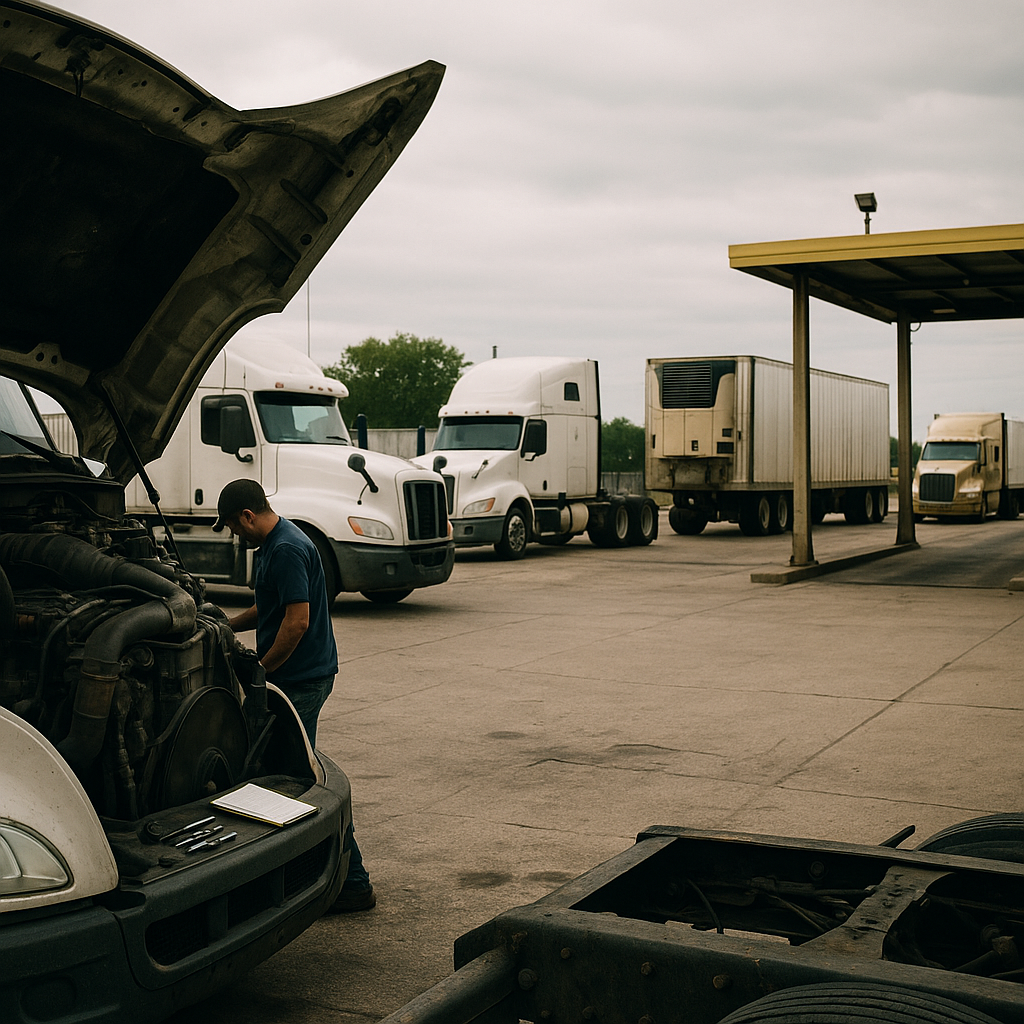

Shreveport truck insurance isn’t one product with one price or one rule. If you run freight out of Shreveport into Louisiana, Texas, Arkansas, or beyond, the right policy depends on how you operate, what you haul, where the truck is garaged, and whether federal filings apply.
This guide breaks down the parts owner-operators and small fleets usually get mixed up: personal auto versus commercial truck coverage, Louisiana-only operation versus interstate for-hire authority, and quote comparison beyond just the premium.
What Shreveport Truck Insurance Depends On#
Shreveport truck insurance depends first on a handful of operating facts: whether you’re for-hire, where the truck is garaged, how far you run, what the truck weighs, what cargo you haul, and whether you cross state lines. Those facts drive the coverage discussion before anybody can talk intelligently about price or filings.
A broad search for “Shreveport truck insurance” won’t tell you what your operation actually needs. Two trucks parked in the same part of town can need very different coverage if one stays Louisiana-only and the other runs general freight into Texas and Arkansas under interstate authority.
The operating facts to gather before requesting a quote#
Start with the basics an underwriter or broker will ask for anyway: for-hire or private use, truck and trailer details, garaging address, operating radius, cargo, driver history, prior insurance, and whether you have a USDOT number or MC number. A USDOT number is the identifier tied to a carrier’s safety and operating records. An MC number is an operating-authority number used for certain for-hire interstate operations.
Your business structure matters, but it doesn’t answer the whole insurance question by itself. An owner-operator running as an individual and an owner-operator running through an LLC can still face many of the same questions about truck use, freight, radius, authority, and contracts.
Why Shreveport garaging and service area matter#
The garaging address is the main location where the truck is kept when it’s not in use. Insurers care because where the truck is based affects underwriting, service area assumptions, theft and damage exposure, and how the operation is described on the policy.
Shreveport also isn’t an isolated market. A truck based there may run local Louisiana loads one week, then work lanes touching east Texas or southwest Arkansas the next.
Texas and Arkansas corridor travel#
Cross-border freight near Shreveport can change more than mileage. If your operation moves from Louisiana-only work into interstate for-hire hauling, you may be dealing with different authority, filing, and minimum-liability questions under federal rules.
That’s why insurance should match the real operation, not the label on a local search result. If your routes, cargo, or authority aren’t described correctly, the cheapest-looking quote can become the most expensive mistake.
…if you’re not sure what fits, [](https://www.logrock.com/?utm_source=BLOG&utm_campaign=Shreveport-truck-insurance).

Commercial Auto, Louisiana-Only Operation, and FMCSA Requirements#
Personal auto insurance is not the same as commercial truck coverage, and Louisiana-only operation is not the same thing as interstate for-hire authority. For Shreveport truckers, the key is separating state-level operation from federal financial-responsibility rules so you don’t buy the wrong policy or assume a filing applies when it doesn’t.
A commercial auto liability policy covers bodily injury or property damage your insured truck causes to others, subject to the policy’s terms and limits. Federal financial-responsibility rules for certain interstate carriers sit on top of that conversation, but they are not a universal rule for every truck operation.
Personal auto insurance is not the same as commercial truck coverage#
A personal auto policy is built for personal driving, not hauling freight for pay. If you’re using a truck in a commercial trucking operation, especially as a for-hire carrier, personal auto coverage generally isn’t designed for that exposure.
That distinction matters because truckers often hear advice meant for pickups, personal vehicles, or local business autos and apply it to a power unit moving freight. That’s where coverage gaps start.
When interstate for-hire authority changes the discussion#
For-hire interstate carriers need to look closely at FMCSA rules, their operating authority, and any required filings. Under 49 CFR Part 387, for-hire interstate carriers hauling general freight in vehicles over 10,001 lbs must carry at least $750,000 in public liability, while other operations can fall under different thresholds depending on weight, commodity, and hazard class.
That doesn’t mean all truckers need the same limit. Federal requirements can vary by whether the carrier is for-hire or private, whether the vehicle is above or below the common weight threshold, whether hazardous materials are involved, and whether passengers are being transported.
How Louisiana intrastate operations differ from federal requirements#
A Louisiana-only operation may not be subject to the same FMCSA financial-responsibility rule that applies to a qualifying interstate for-hire carrier. That’s the point many owner-operators miss: your state minimum isn’t automatically your federal minimum, and your federal minimum isn’t automatic if your operation doesn’t fall into that federal category.
If you’re intrastate, confirm what Louisiana requires for your operation and then check any shipper or broker contract requirements separately. Contract requirements can still push you to higher limits or added coverages even when a federal filing isn’t the reason.
Checking authority and insurance filing status#
The MCS-90 is a federal endorsement tied to public financial responsibility for certain motor carriers; it is not the same thing as cargo or physical damage coverage. If your operation requires a filing, make sure the policy and filing actually match your authority and effective dates.
You can review publicly available carrier information through FMCSA’s SAFER System and confirm how your operation appears there. SAFER is the FMCSA lookup system for carrier identification and operating information. Before binding coverage, confirm your authority status, filing needs, broker or shipper requirements, and any Louisiana-specific obligations with the right agencies and your insurance contact.
Coverage to Consider for a Shreveport Trucking Operation#
Most Shreveport trucking operations need to think in layers, not one policy. Commercial auto liability handles damage you cause to others, while cargo, physical damage, general liability, and specialized options address different parts of the risk depending on your truck, freight, contracts, and how you actually operate.
The mistake is assuming every coverage is automatic or universally required. The right lineup depends on what exposures your operation creates.
Commercial auto liability#
Commercial auto liability pays for covered bodily injury or property damage your truck causes to other people or property, subject to the policy limits and terms. This is the backbone coverage for a trucking operation because road-use liability is the risk that brokers, shippers, regulators, and the public all care about first.
If your operation falls under federal financial-responsibility rules, this is the area where required limits and filings become critical. But again, the right limit should be scoped to your operation, not copied from a forum comment.
Motor truck cargo and general liability#
Motor truck cargo covers covered freight in your care, custody, or control, subject to limits, conditions, and exclusions. Cargo needs careful review because what you haul matters, contract language matters, and some commodities bring tighter restrictions than others.
General liability covers certain non-auto business exposures, not highway accidents caused by the truck itself. For a for-hire operation, that can matter for exposures around premises, operations, or other business activities outside the insured truck’s road-use liability.
Physical damage and combined additional coverage#
Physical damage covers your own truck or scheduled equipment for direct loss, usually through collision and comprehensive-type protections. Collision pays for covered crash damage to your truck. Comprehensive covers non-collision losses like theft, fire, weather, or vandalism, depending on policy terms.
Some operators also need to review fire and theft options and combined additional coverage for equipment-related exposures. The right setup should reflect the actual value of the truck and equipment, plus any lender requirements.
Non-trucking liability, trailer interchange, and reefer breakdown#
Non-trucking liability covers certain non-business use of the truck and does not apply while you’re under dispatch or hauling freight. That’s why it’s often misunderstood. It is not a substitute for primary liability during paid trucking work.
Trailer interchange applies when you have a written interchange agreement and take responsibility for a non-owned trailer. Non-owned trailer physical damage is different and is often the better fit for owner-operators who use trailers they don’t own without a signed interchange agreement.
Reefer breakdown covers certain losses tied to refrigeration unit failure for temperature-controlled cargo. FMCSA’s explanation of the MCS-90 endorsement helps illustrate the bigger point here: a public-liability filing is separate from first-party coverages like cargo, physical damage, or reefer-related protection.
What Affects Truck Insurance Costs in Shreveport#
Shreveport truck insurance costs depend on the full risk profile, not one citywide rate. Insurers look at the operation, truck, driver, cargo, prior coverage, and contract demands together, which is why one owner-operator’s premium can look very different from another’s even in the same market.
Your actual premium depends on your operation, cargo, radius, driving history, and other factors. “Pay less” usually comes from tightening up the application and coverage structure, not from stripping out protection you actually need.
Driver and business history#
Insurers typically review driving record, loss history, years of commercial driving, years in business, and whether you’ve kept prior insurance in force. A cleaner, more stable history usually creates a smoother underwriting conversation than a rushed application with gaps, cancellations, or missing details.
New authorities and first-time owner-operators can still get coverage, but they should expect closer review. Accuracy matters here more than optimism.
Truck, trailer, and equipment values#
The insured value of the power unit, trailer, and scheduled equipment affects physical damage pricing and deductible decisions. Older paid-off equipment doesn’t remove the need to think carefully about loss exposure, downtime, or lender and contract expectations.
If the value shown on the application is wrong, the quote comparison is already off. The same goes for omitted equipment.
Cargo, routes, and radius#
What you haul and how far you run are major rating factors. Texas and Arkansas travel may simply be part of your broader operating radius review, but crossing state lines can also affect authority and filing issues depending on the operation.
Cargo type matters too. General freight, refrigerated freight, specialized commodities, and higher-theft items can lead to different underwriting questions and different coverage needs.
Coverage limits, deductibles, and contract requirements#
Higher limits, lower deductibles, and broader forms usually cost more, but lower premium isn’t automatically better. One quote may look cheaper because it leaves out a filing, uses a narrower cargo form, applies a tougher exclusion, or values physical damage differently.
The practical way to pay less is to submit accurate information, choose deductibles you can actually handle, avoid unnecessary overlap, maintain continuous coverage, and compare apples to apples.
How to Compare Shreveport Truck Insurance Quotes#
The best Shreveport truck insurance quote is the one that accurately describes your operation, includes the coverage and filings you actually need, and stays usable when a broker, shipper, lender, or claim puts it to the test. Premium matters, but it should come after you confirm the application, limits, endorsements, deductibles, and effective dates match across every quote.
This is where many owner-operators get tripped up. Two quotes can look close on the first page and be very different where it counts.
Confirm the operation described on every application#
Start by checking the named insured, business structure, garaging address, vehicle schedule, driver list, commodities, operating radius, and any USDOT or MC information. If one quote says Louisiana-only and another reflects interstate travel, you are not comparing the same risk.
The same goes for trailer use, reefer exposure, and who owns what. A wrong application can create the illusion of a better deal.
Compare coverage forms and limits before the premium#
Look first at liability limits, cargo limits, physical damage structure, and trailer-related coverage if it applies. Then review whether general liability, non-trucking liability, trailer interchange, non-owned trailer physical damage, or reefer breakdown are included, excluded, or optional.
| Item to compare | Why it matters | What to verify |
|---|---|---|
| Liability setup | Ties to road-use exposure and filings | Limits, covered units, filing need |
| Cargo coverage | Contracts and commodity drive suitability | Limit, commodity fit, exclusions |
| Physical damage | Protects truck value and equipment | Stated value, deductible, causes |
| Trailer-related coverage | Not all trailer use is the same | Interchange vs non-owned trailer |
| Effective dates and certificates | Admin errors can stop a load | Start date, COI timing, active filing |
Check deductibles, exclusions, and endorsements#
A deductible is the amount you pay out of pocket before covered physical damage or cargo loss is paid, subject to policy terms. An endorsement is a policy form that changes coverage. Those details can matter more than a small premium difference.
Ask specifically about exclusions that affect your cargo, unattended equipment, theft, trailer use, or non-business use. If you’re unsure what a form changes, ask before binding, not after a loss.
Verify filings, certificates, and effective dates#
A certificate of insurance is evidence a policy exists; it is not the same thing as confirming every needed filing is active and tied correctly to your operation. If a filing is required, verify that separately.
It’s also smart to ask how policy changes, certificates, claims reporting, and shipper or broker requests are handled. For Louisiana consumer insurance information and insurer oversight resources, the Louisiana Department of Insurance is a useful reference point.
Claims Readiness for Shreveport Owner-Operators#
Claims readiness means having the right records, contacts, and procedures in place before an accident or cargo problem happens. Good documentation won’t guarantee coverage, but it can make reporting cleaner, reduce confusion, and help you avoid preventable delays when time is tight.
After a loss, focus on safety first and follow any required reporting procedures. Then document early and thoroughly.
What to document after an accident or cargo incident#
Keep photos of the scene, vehicles, trailer, cargo condition, and any visible damage. Save police or incident report details, witness information, tow records, repair estimates, dispatch records, bills of lading, and driver logs where relevant.
If cargo is involved, preserve notes about seal condition, temperature issues, loading details, and when the problem was first noticed. Small details matter later.
How to protect evidence and notify the right parties#
Notify your insurer or claims contact promptly and keep a clear record of who you spoke with and when. If a broker, shipper, or trailer owner must be notified under a contract, handle that quickly too.
Don’t discard damaged cargo, equipment parts, or key paperwork until you’ve been told what to preserve. Once evidence disappears, facts get harder to sort out.
Coverage-gap checks before a loss happens#
Before anything goes wrong, review your cargo procedures, equipment values, trailer agreements, certificate obligations, and after-hours claims contact process. That’s also the time to confirm whether your operation has changed in a way the policy needs to reflect.
A Practical Next Step for Shreveport Truckers#
The practical next step is simple: define the real operation, separate Louisiana-only work from qualifying interstate activity, choose coverages that fit the exposure, and compare quotes on matching terms. That process gives you a far better result than chasing the lowest displayed premium.
Before you bind anything, verify the named insured, drivers, VINs, garaging address, radius, commodities, deductibles, limits, contract requirements, effective date, and any filing needs. If one of those changes later, the policy may need to change too.
Bring the right information to a coverage review#
Have your truck and trailer details, driver information, authority details, current declarations if you have prior coverage, and a plain description of what loads you haul and where you go. That saves time and helps avoid mismatched quotes.
Questions to ask before binding a policy#
Ask what the policy assumes about your radius, cargo, trailer use, and authority. Ask how certificates are handled, how claims are reported after hours, and what changes need to be reported right away.
When changes to the operation require an insurance update#
Report material changes like adding drivers, changing commodities, expanding your radius, buying equipment, taking on trailer interchange responsibility, or changing authority status. LogRock specializes in trucking insurance for owner-operators and small fleets, with technology-enabled and human-led help when you need the options explained clearly.
FAQ#
Who has the cheapest insurance for a truck?
No insurer is cheapest for every trucking operation. A carrier that prices well for a Louisiana-only owner-operator hauling one type of freight may not price the same way for a Shreveport truck running interstate lanes into Texas and Arkansas with different cargo, limits, or filing needs.
The useful way to compare quotes is to hold the operation steady and compare equivalent terms: liability setup, cargo limit, physical damage valuation, deductibles, exclusions, filing capability, and service support. If one quote is much lower, find out what changed. Often it’s not the same coverage.
How much should I pay for truck insurance?
There isn’t one right amount every trucker should pay. The appropriate premium depends on your operation, truck value, cargo, radius, driver history, authority status, prior insurance, and the coverages and limits you choose.
A better question is whether the quote accurately represents your business and meets your regulatory and contract needs. Paying less only helps if the policy still does the job. Compare matching terms, review deductibles carefully, and avoid cutting essential protection just to lower the premium on paper.
What is the cheapest auto insurance in Louisiana?
For a trucker, that’s usually the wrong question. Personal auto pricing in Louisiana doesn’t tell you what a commercial trucking operation needs, and a personal auto policy generally isn’t designed for for-hire freight hauling.
If you’re operating a commercial truck, focus on commercial coverage that matches the real use of the vehicle. That means checking whether you’re intrastate or interstate, whether filings apply, what cargo you haul, and what a broker, shipper, or lender requires. A cheap personal policy is not a substitute for the right commercial setup.
Do I need an LLC to get commercial insurance?
No, you don’t automatically need an LLC to get commercial insurance. Commercial coverage may be written for an individual owner-operator or for a business entity, depending on how the operation is set up.
What matters is accuracy. The named insured should match the real business arrangement, vehicle ownership, contracts, operating authority, and who is actually hauling the freight. If your truck is titled one way, your authority is held another way, or your contracts use a different name, those details should be sorted out before the policy is bound.
Does crossing from Shreveport into Texas or Arkansas automatically change my insurance?
Not automatically, but it can change the discussion in important ways. Crossing state lines may be part of a normal operating-radius review, but it can also push an operation into interstate commerce, which affects authority, filings, and how federal rules apply.
That’s why the route map alone isn’t enough. The real question is whether you’re operating for-hire in a way that triggers interstate requirements and whether your policy reflects those routes, commodities, and contracts accurately. If your actual lanes expand beyond Louisiana, update the insurance review before assuming your old setup still fits.





