
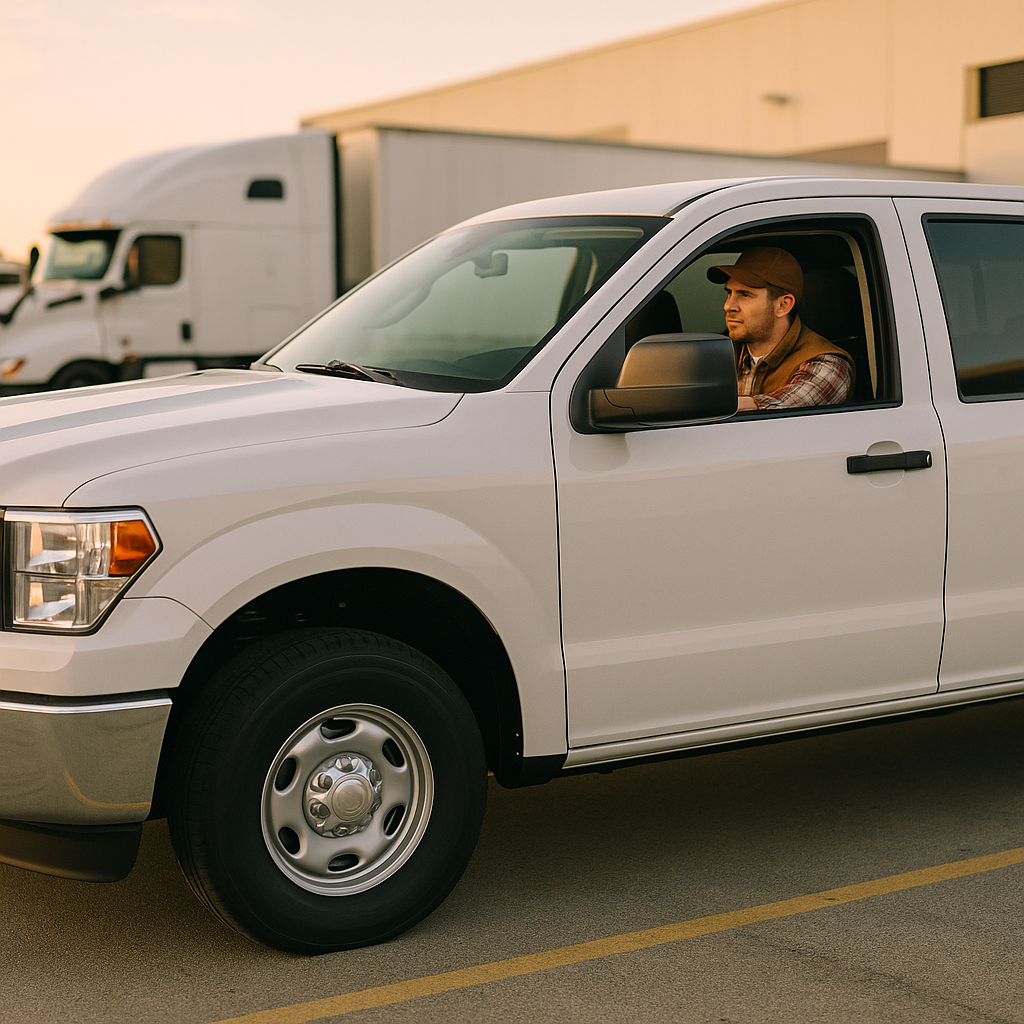
Can you drive a commercial vehicle for personal use and stay insured? Learn the rules, mixed-use endorsements, plate/weight confusion, and cost drivers—avoid claim surprises and coverage gaps.
If your truck or van is registered or insured as “commercial,” the question hits fast: can you use a commercial vehicle for personal use—like a grocery run, picking up your kid, or a weekend trip—without getting burned on a claim?
Featured snippet answer: You can usually use a commercial vehicle for personal use if your policy is set up for it—meaning the correct use classification, listed drivers, and radius/territory are accurately disclosed, and there aren’t exclusions that conflict with your real-world driving. Most claim headaches don’t come from the crash itself; they come from paperwork that doesn’t match how the vehicle is actually used.
Table of Contents
Reading time: 9 minutes
- Commercial vehicle for personal use: what counts as “commercial” vs “personal”?
- Commercial vehicle for personal use: does commercial auto insurance cover personal use?
- Mixed-use vehicle insurance: options and endorsements
- Plates, GVWR, DOT numbers, and taxes: what people confuse with insurance
- When personal auto insurance is not enough for business use
- Cost expectations: how insurers price personal use on a commercial vehicle
- Real-world claim scenarios: what gets covered vs. what causes problems
- Step-by-step: how to insure a commercial vehicle for personal use
- Frequently Asked Questions
- Why owner-operators and small fleets use Logrock
- Conclusion: get a mixed-use coverage check
Key Takeaways: Essential Commercial Vehicle for Personal Use Rules
- Usually, yes—but only if the policy is set up for it. Coverage depends on your use classification, listed drivers, radius/territory, and endorsements/exclusions.
- Commercial plates don’t automatically mean you’re insured for personal trips. DMV registration and insurance underwriting are related—but not the same thing.
- The fastest way to get claim trouble is misclassification. “Incidental personal use” is different from “this is basically my family vehicle.”
- If you’re an owner-operator or run hotshot-style loads, treat mixed-use as a compliance item. One wrong answer on the application can blow up your cash flow.
Commercial vehicle for personal use: what counts as “commercial” vs “personal”?
Insurance, DMV registration, and DOT/FMCSA compliance use three different definitions of “commercial vehicle,” and claim decisions are driven primarily by the insurance policy’s classification and disclosures.
That’s why people can be “legal” with plates but still be wrong for insurance (or the other way around). If the paperwork doesn’t match reality, the crash becomes a paperwork fight.
Insurance definition: how your carrier classifies it
For insurance purposes, a vehicle is typically treated as commercial when it’s owned by a business and/or used in business operations (job sites, hauling tools/materials, deliveries, multiple drivers, or any “for-hire” exposure).
If you tell the insurer “business use only” but you’re actually doing a lot of personal driving, the adjuster can treat it as an undisclosed exposure or misclassification. Even when a carrier doesn’t “deny,” you can still see delays, extra documentation requests, or coverage disputes.
- Who needs to care: contractors with a van/pickup, hotshot operators with a dually, and owner-operators who bobtail home or run personal errands.
- Driver reality: if your spouse or kid might drive it “once in a while,” that’s not minor—it’s a driver eligibility and rating issue.
DMV definition: registration, plates, and title
DMVs may require commercial registration or plates based on weight class, body type, declared use, or local rules, but plates alone do not determine what your insurance policy covers.
Commercial plates can bring extra attention (parking restrictions, inspections, signage requirements), but they don’t automatically grant “mixed-use coverage.”
If you changed ownership (personal to LLC) or added business signage, treat it as a required update to your agent—underwriting often views those as a risk signal.
Commercial vehicle for personal use: does commercial auto insurance cover personal use?
Commercial auto insurance often covers incidental personal use when the policy is written to allow it and the vehicle’s real use, drivers, and radius/territory were accurately disclosed at binding.
The coverage problem usually isn’t “personal use exists.” It’s that the policy was never rated for the way the vehicle actually gets used day-to-day.
The practical rule: coverage follows the “use” classification
Commercial auto policies are rated by declared use class (for example: service, artisan/contractor, retail, transportation/for-hire), and a mismatch between declared class and actual operations is a common trigger for claim friction.
After a loss, the investigation can include statements, photos, mileage, receipts, and where the vehicle was headed. If the evidence suggests a different primary use than what’s on the application, the claim can get messy fast.
Get this in writing: “Does this policy allow incidental personal use by the listed drivers, and are there any restrictions by territory or driver category?”
“Usually OK” personal-use situations vs. red flags
- Usually OK (when disclosed and the driver is eligible): commuting to/from the shop, fuel and grocery stops, picking up meals, short personal trips inside the rated radius.
- Common red flags: lending it to an unlisted driver, long out-of-state weekend trips on a “local” radius, delivery apps/courier work when excluded, or hauling for-hire under a light contractor class.
Mixed-use vehicle insurance: options and endorsements
Mixed-use vehicle insurance is built by matching the right policy form with correct use class, listed drivers, radius/territory, and any required endorsements—because exclusions and driver rules vary by carrier.
There isn’t always a single “mixed-use endorsement” you can slap on. The goal is simple: make the documents match reality.
Option A: Keep it on a commercial auto policy (personal use allowed)
A properly underwritten commercial auto policy can allow personal use for listed drivers while still rating the vehicle for business exposure.
This is usually the cleanest setup when the vehicle is titled to a business, used by employees, regularly hauls tools/materials, or looks “commercial” to any adjuster at first glance.
- Confirm these five items: use classification/class code, listed/excluded drivers, permissive use language, radius/territory, and any delivery/for-hire/towing exclusions.
Option B: Personal auto policy + business-use endorsement (sometimes appropriate)
A personal auto policy may allow limited business use for certain low-risk activities, but the allowed use and exclusions depend on the carrier and policy wording.
If your “business use” is truly light (sales calls, occasional errands), this can be workable. The moment your routine includes job-site hauling, tools, ladders, deliveries, or employee drivers, you’re often outside what the personal policy was priced and written for.
Option C: Hired & Non-Owned Auto (HNOA) liability (for businesses using personal vehicles)
Hired and Non-Owned Auto (HNOA) is a business liability coverage designed to protect the company when employees use personal, rented, or borrowed vehicles for work and cause an accident.
HNOA is not a replacement for insuring a work truck the business owns. It’s typically liability-focused and may not cover physical damage to the employee’s vehicle.
Plates, GVWR, DOT numbers, and taxes: what people confuse with insurance
GVWR thresholds like 10,001 lbs can affect DOT compliance in certain operations, but insurance coverage is still determined by your policy language, underwriting classification, and disclosures—not by your plates or tax write-offs.
This is where a lot of owner-operators and hotshot drivers get tripped up: the DOT world is real, but it’s not the same as insurance underwriting.
Weight and GVWR: why 10,001 lbs matters
GVWR is the manufacturer’s maximum rated weight, and 10,001 lbs GVWR is a common threshold that can trigger additional DOT compliance requirements in certain commercial operations.
If your operation crosses into DOT-regulated activity (especially interstate commerce), you can face inspections and other compliance exposure. That’s separate from whether your insurer rated the vehicle correctly for how it’s driven.
- Practical point: even if you “only use it personally sometimes,” your business operation may still trigger DOT rules depending on where, why, and how you run.
Commercial plates and state-by-state differences (high level)
Commercial registration rules vary by state and can depend on weight class, declared use, and local restrictions, which means plates can be “right” while insurance is “wrong.”
If you moved states, changed your declared use, upgraded trucks, or changed ownership structure, re-check both DMV requirements and insurance classification.
Tax terms aren’t insurance terms
Tax deductions and accounting choices (like mileage write-offs or Section 179) don’t determine insurance coverage; insurers focus on risk, use, drivers, and disclosures.

If you want the claim paid, your “what you do with the vehicle” needs to match your application and policy terms.
When personal auto insurance is not enough for business use
Many personal auto policies restrict or exclude coverage when a vehicle is used for deliveries, hauling for a fee, regular business operations, or when the vehicle is owned/titled to a business entity.
Personal policies are built for “normal driving,” not job sites, dispatch records, tools in the back, and multiple business drivers.
Common business uses that trigger exclusion or denial risk
- Deliveries/courier work (food, packages, gig delivery)
- Hauling or towing for a fee
- Regular transport of tools/materials as part of operations
- Multiple employees driving
- Vehicle owned/titled to an LLC or corporation (often pushes you into commercial)
The real risk: claim denial or paying out of pocket
After a serious loss, insurers commonly verify the driver, the purpose of the trip, and whether the vehicle’s primary use matches the policy’s stated class and endorsements.
They can look at statements, vehicle photos (racks, signage, equipment), invoices, dispatch records, and sometimes location history or telematics where applicable. Even if the wreck happened during a “personal errand,” the insurer can still question coverage if your primary use was misrepresented.
Cost expectations: how insurers price personal use on a commercial vehicle
Commercial auto pricing is typically driven by rating factors like garaging ZIP, driver MVR/experience, vehicle type and value, business class code, radius, limits, and physical damage deductibles—not a simple “personal-use add-on.”
In real underwriting, “personal use” is one part of the bigger risk picture.
What actually drives your premium
- Garaging ZIP: theft, vandalism, and accident frequency vary by area.
- Drivers: age, experience, MVR, and claim history matter a lot.
- Vehicle details: value, body type, equipment, and modifications.
- Business class: contractor/service vs. transportation/for-hire.
- Radius/territory: local vs. regional vs. multi-state.
- Coverage choices: liability limits, comp/collision, and deductibles.
Illustrative reality check (not a quote)
A local contractor van with clean drivers can price very differently than a hotshot pickup that tows heavy and runs multi-state routes. If your operation looks like trucking exposure, underwriting is usually stricter because claim severity tends to be higher.
Shopping tip: keep it apples-to-apples—same drivers, same stated use, same radius, same limits, same deductibles.
Real-world claim scenarios: what gets covered vs. what causes problems
Commercial auto claims commonly turn on three facts: whether the driver was eligible, whether the trip fit the rated use/radius, and whether any exclusions (delivery/for-hire/towing) apply to the loss.
These aren’t horror stories. This is how adjusters think when the report hits their desk.
Scenario 1: Grocery run in a work van after hours
Usually covered when: personal use is allowed and the driver is listed/eligible.
Problems when: spouse/teen is driving and not listed, or the policy has strict named-driver rules.
Scenario 2: Weekend trip out of state (policy rated local radius)
Usually covered when: radius/territory matches reality.
Problems when: the trip falls outside rated territory and the carrier argues the risk was misrated or the use was not disclosed.
Scenario 3: Lending the truck to a friend/relative
High risk situation: commercial policies can have tighter permissive-use rules than personal auto, and driver eligibility can be stricter.
Prevent it: confirm permissive use and driver rules before anyone else touches the keys.
Scenario 4: Using a personal car for deliveries under a personal policy
Common denial zone: many personal policies restrict delivery/for-hire use unless specifically endorsed.
Fix: get the correct endorsement (if available) or move the risk to a commercial structure that matches the exposure.
Step-by-step: how to insure a commercial vehicle for personal use
A reliable mixed-use setup requires documenting actual business vs personal use, matching the correct policy form and class code, and confirming driver and radius rules in writing before a loss happens.
Use this like a pre-trip checklist—because one bad setup can wreck a month’s profit.
1) Write down your actual use (not the “best sounding” version)
- % business vs. personal
- Typical weekly mileage
- Normal radius (local/regional/interstate)
- Where it’s parked overnight
- Who drives it (spouse/older kids/employees)
2) Match the right policy structure
- Business-titled or real job exposure: start with commercial auto insurance.
- Employees using personal cars: consider adding HNOA for the business.
- For-hire hauling / hotshot-style operations: treat it like trucking underwriting, not “light business use.”
3) Confirm these 5 items in writing (email is fine)
- Use classification / class code
- Listed drivers + excluded drivers
- Permissive use rules (who can drive with permission)
- Radius/territory
- Endorsements/exclusions tied to delivery, for-hire, towing, or specific operations
4) Re-check coverage when something changes
- New driver in the household
- New garaging address
- New business activity (start deliveries, start towing, add a trailer)
- Bigger radius / different states
Frequently Asked Questions
Yes, commercial auto insurance can cover personal use when the policy allows it and the vehicle’s real use, listed drivers, and radius/territory were disclosed correctly at binding. The biggest problems come from misclassification (the policy is rated for “business-only” or a different class) or driver eligibility issues (an unlisted or excluded spouse/relative driving). To prevent claim surprises, get the answer in writing to one question: “Does this policy allow incidental personal use by the listed drivers, and are there any territory or driver restrictions?”
A vehicle is typically “commercial” for insurance when it’s owned by a business and/or used in business operations like job-site driving, hauling tools/materials, deliveries, or being driven by employees. DMV “commercial” labels can be triggered by weight class, body type, or registration rules, but plates do not decide whether an insurance policy will pay a claim. For claim safety, focus on the policy’s declared use class, driver list, and radius/territory—then make sure those match how the vehicle is actually used.
Sometimes, a personal auto policy can cover light business use if the carrier allows it, but delivery/for-hire hauling, frequent job-site work, or employee drivers often require commercial auto or specific endorsements. The risk is that many personal policies restrict certain business activities, and a serious claim can trigger an investigation into the purpose of the trip and the vehicle’s primary use. If employees use their own cars for work errands, Hired and Non-Owned Auto (HNOA) can protect the business for liability—but it doesn’t replace primary auto coverage on a company-owned truck.
There isn’t one universal endorsement that “turns on” personal use for every commercial policy, because carrier rules vary, but the documents must reflect mixed or incidental personal use, correct listed drivers, and correct radius/territory. The endorsements and conditions that matter most are the ones controlling who can drive (named-driver restrictions, excluded drivers, permissive use wording) and what operations are excluded (delivery, for-hire, towing, or specific business activities). The safest approach is to confirm the allowed personal use and driver rules in writing before you rely on the vehicle for family errands.
Why owner-operators and small fleets use Logrock
Owner-operators and small fleets often run into coverage gaps when driver lists, radius, or use class don’t match real operations, which is why accurate underwriting details matter as much as price.
When you’re running tight margins, insurance isn’t about “checking the box.” It’s about not losing the truck, the contract, or the month.
- We ask the annoying questions upfront (drivers, radius, and actual use).
- We build quotes that match real operations (so it’s not a pretty price that falls apart at claim time).
- We help you compare options apples-to-apples—especially if your risk is drifting toward trucking-style exposure.
Conclusion: get a mixed-use coverage check
Using a commercial vehicle for personal use is usually workable when your policy matches reality—correct use classification, correct drivers, correct radius/territory, and the right endorsements/exclusions.
If you want fewer claim surprises, treat mixed-use like a setup task, not a “hope it’s fine” situation.
Key Takeaways:
- Disclose your real use (including personal miles and weekend patterns).
- Confirm driver rules in writing (listed drivers, permissive use, excluded drivers).
- Re-rate when operations change (new driver, towing, deliveries, new address, bigger radius).
If you want to stay insured and keep premiums under control, get a quick coverage check so the paperwork matches how you actually live and work.





