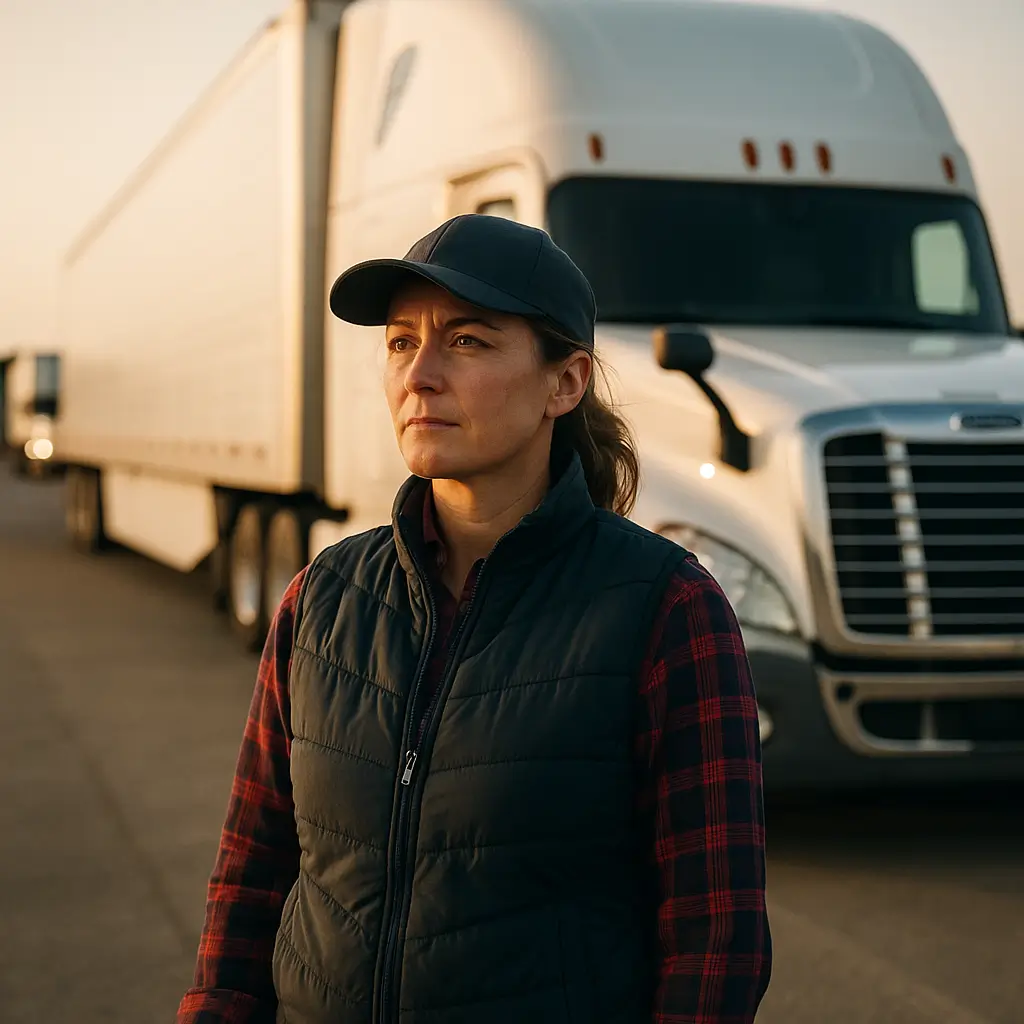

Compare 7 Texas commercial truck insurance options, costs by truck type, required coverages, savings tips, and steps to get the right quote.
The best commercial truck insurance in Texas is the policy that meets FMCSA or Texas intrastate requirements, matches broker load limits, and fits your operation (authority age, cargo, radius) without surprise exclusions. For 2026 planning, many experienced owner-operators in Texas land around $8,000–$18,000/year, while new authority and higher-risk setups often price at $12,000–$30,000+/year depending on lanes, ZIP, and freight.
Before you compare carriers, lock down definitions so you’re comparing identical coverages and filings—start with commercial truck insurance basics and then use the Texas-specific benchmarks and shortlist below.
Table of Contents
Reading time: 8 minutes
- Introduction (read this before you shop)
- Key takeaways
- What “Best” Commercial Truck Insurance in Texas Actually Means
- 2026 Texas Cost Benchmarks (By Truck Type + Region)
- The 7 Best Commercial Truck Insurance Options in Texas (2026)
- Texas Truck Insurance Requirements (Texas Intrastate vs FMCSA Interstate)
- Frequently Asked Questions
- Conclusion: Pick the Best Texas Truck Insurance for Your Lanes
👉 Need to save money on truck insurance in Texas?
Watch the video below for a quick overview of truck insurance in Texas requirements, how much it costs, and practical ways to save. Or give us a call: (704) 290-3630
Introduction (read this before you shop)
Best commercial truck insurance in Texas isn’t “the cheapest monthly”—it’s coverage that keeps you compliant and load-ready so one claim doesn’t wipe out your year. In real-world 2026 quoting, Texas premiums move fast with hotshot insurance, reefer freight, metro garaging ZIPs, long radius, and new-venture authority.
If you’re comparing “7 best” options, make sure every quote uses the same garaging address, radius, cargo, limits, deductibles, and stated values; otherwise you’re comparing different policies, not different prices.

Key takeaways
For many Texas for-hire operators, real market access often means $1,000,000 auto liability and $100,000+ cargo because brokers and shipper contracts commonly require those limits even when legal minimums differ. Here’s what matters most when you’re shopping.
- “Best” in Texas means compliant + load-ready: correct liability limits, cargo limits, and fast COIs/filings—not just the lowest monthly.
- Your ZIP + radius matter as much as your truck: DFW/Houston lanes and long-haul exposure typically price differently than rural/local routes.
- New authority usually pays more: experience, MVRs, truck value, and a realistic radius help avoid ugly surprises.
- Cheaper isn’t cheaper if it blocks loads: wrong limits/endorsements can cost more in lost revenue than premium savings.
What “Best” Commercial Truck Insurance in Texas Actually Means
The “best” trucking insurance in Texas is the policy-and-carrier combo that fits your risk class (cargo, radius, authority age) and produces correct certificates/filings on time. Texas is hard on equipment, and the wrong fit usually shows up as higher down payments, exclusions, slow COIs, or renewal spikes.
Best for your operation (not one-size-fits-all)
What it is: Matching carrier appetite to what you actually do—owner-op vs small fleet, new authority vs established, local vs OTR, dry van vs reefer vs flatbed vs hotshot insurance.
Why it’s essential: Underwriters price measurable exposure like experience, loss history, miles/radius, commodity, and garaging ZIP; a “bad appetite fit” usually costs more and creates paperwork friction.
The 5 factors we use to judge “best” in Texas
- Appetite fit: new authority, hotshot insurance, heavy metro use, multi-state lanes
- Coverage depth: liability, cargo, physical damage, bobtail/NTL, trailer interchange
- Renewal stability: avoiding teaser pricing that jumps after term-one
- Service speed: COIs, additional insureds, and certificate requests
- Compliance support: filings, timing, and authority requirements
Pro tip: If an agent can’t explain why a quote is high (radius, losses, cargo, garaging ZIP, experience), you’re shopping blind; this guide on what affects the cost of truck insurance gives you the right questions to ask.
2026 Texas Cost Benchmarks (By Truck Type + Region)
Commercial truck insurance is consistently a meaningful operating cost for carriers, alongside fuel and maintenance, and ATRI’s industry cost research tracks insurance as a major line item (American Transportation Research Institute: ATRI operational cost research). Use the ranges below as planning benchmarks, because your MVR, losses, equipment value, and lanes can swing pricing.
Typical 2026 premium ranges in Texas (quick table)
Assumptions: for-hire operations, typical limits, clean-to-average loss profile. New authority can run higher, and financed trucks increase physical damage cost.
| Truck / Operation (Texas) | Liability-only (annual) | Liability + Cargo (annual) | “Full” (Liability + Cargo + Physical Damage) |
|---|---|---|---|
| Owner-operator semi truck (dry van) | $7,000–$14,000 | $9,000–$18,000 | $12,000–$25,000+ |
| Reefer (semi) | $8,000–$16,000 | $10,000–$22,000 | $14,000–$30,000+ |
| Flatbed (semi) | $8,000–$16,000 | $10,000–$21,000 | $13,000–$28,000+ |
| Hotshot (1-ton + trailer) | $6,000–$13,000 | $7,500–$16,000 | $10,000–$22,000+ |
| Box truck (local/regional) | $5,000–$11,000 | $6,500–$14,000 | $9,000–$20,000+ |
| Local pickup & delivery (higher stops/day) | $6,000–$13,000 | $7,500–$16,000 | $10,000–$24,000+ |
For flatbed-specific cost drivers, see flatbed owner-operator insurance.
For a deeper Texas-only breakdown (and the quoting inputs that matter most), see commercial truck insurance cost in Texas.
For a quick overview of what’s driving Texas truck insurance rates in 2026, watch this:
Why Texas rates vary by ZIP and lanes
Texas trucking insurance rates vary by garaging ZIP, operating radius, and lane congestion because those factors correlate with claim frequency, theft risk, and severity. Two identical trucks can price very differently if one runs metro-heavy DFW/Houston corridors and the other stays rural with a tight radius.
- DFW / Houston / San Antonio / Austin corridors
- Port freight or high-congestion lanes
- Long-radius OTR that crosses multiple states
Two quick scenarios (what underwriters are “seeing”)
- Scenario A (higher range): New authority hotshot based near DFW, mixed cargo, 500+ mile radius—new venture + metro exposure + variable freight usually means higher premium and stricter terms.
- Scenario B (lower range): Experienced owner-op dry van, rural garaging ZIP, consistent lanes, clean MVR—stable operations often price better and renew smoother.
The 7 Best Commercial Truck Insurance Options in Texas (2026)
The best commercial truck insurance in Texas is rarely one “winner,” because carrier appetite changes by authority age, radius, commodity, loss history, and garaging location. Use the list below as a practical shortlist to compare—availability and pricing can change by underwriting.
At-a-glance comparison (who each is usually best for)
| Option | Best for | Pros | Watch-outs |
|---|---|---|---|
| Progressive Commercial | Many owner-ops + small fleets | Broad appetite, often competitive, scalable | Not always cheapest for every niche; renewal can change if inputs change |
| Travelers | Established operations needing strong commercial structure | Solid commercial auto framework, endorsements | Can be pickier on loss history and certain classes |
| Nationwide | Fleets and established accounts | Broad product lines; fits some fleet structures well | Appetite varies; not a universal fit |
| Great West Casualty | Safety-focused carriers and fleets | Trucking-focused underwriting | Often expects stronger safety controls / fit criteria |
| Berkshire Hathaway GUARD | Certain classes of trucking | Can fit specific operations well | Appetite varies by class and territory |
| Canal Insurance | Higher-risk or hard-to-place accounts | Often shows up when others decline | Can be pricier; read exclusions/terms carefully |
| OOIDA RRG / similar membership-based options | Some owner-ops (where available/eligible) | Built around owner-operator needs | Eligibility and state availability can vary |
How to pick the “best” (a 3-step filter)
Step 1: Decide what you must have (non-negotiables).
Example: $1M auto liability because brokers require it, $100k cargo because contracts demand it, physical damage because you’re financed.
Step 2: Match the insurer to your profile.
New authority and hotshot operations need carriers that actually want that class; for a deeper carrier breakdown, see best trucking insurance for new authority.
Step 3: Compare quotes with identical inputs.
Same garaging address, radius, cargo, limits, deductibles, VIN values—otherwise you’re not comparing the same risk.
If you want to understand exactly what underwriters look at when they price your policy, this video breaks it down:
Where “affordable” really comes from (without getting underinsured)
Affordable trucking insurance is usually the result of accurate underwriting, smart deductibles, and clean risk controls—not stripping cargo or physical damage until your broker packet gets rejected. A practical next step is the affordable trucking insurance savings guide, which focuses on lowering premium without creating gaps that stop you from booking loads.
Texas Truck Insurance Requirements (Texas Intrastate vs FMCSA Interstate)
Texas truck insurance requirements depend on whether you operate intrastate (Texas-only) or interstate (crossing state lines) and whether you’re for-hire, because FMCSA financial responsibility and Texas TxDMV rules can trigger different compliance and filing expectations. A lot of expensive delays come from being “insured” but not insured in the way your authority and lanes require.
Federal (FMCSA) minimums and when they apply
What it is: If you operate as a for-hire motor carrier in interstate commerce, FMCSA financial responsibility rules apply, and minimum limits vary by operation and cargo type. For a plain-English walkthrough, see FMCSA insurance requirements for owner-operators.
Where to verify: FMCSA insurance filing requirements overview: https://www.fmcsa.dot.gov/registration/insurance-filing-requirements
Pro tip: Even when a legal minimum is lower for a specific operation, many brokers commonly require $1,000,000 auto liability to tender loads—this is a market standard reflected in broker packet requirements, not a federal minimum—so “minimum” isn’t always your “market access” number.
Texas intrastate requirements (when you stay in Texas)
What it is: If you truly stay intrastate, Texas publishes separate motor carrier insurance requirements through TxDMV.
Where to verify: TxDMV insurance requirements: https://www.txdmv.gov/motor-carriers/insurance-requirements
Pro tip: Don’t guess on intrastate vs interstate classification; confirm your lanes and authority setup before binding, because fixing it later can cost weeks and lost revenue. The underlying Texas motor carrier insurance rules are codified in the Texas Administrative Code, Title 43, Part 10, Chapter 218.
The coverages most Texas trucking businesses end up needing (simple table)
| Coverage | What it is | Who typically requires it | Common limit range (real-world) | Notes |
|---|---|---|---|---|
| Auto Liability | Pays for injury/property damage you cause | FMCSA/state + brokers/shippers | Often $750k–$1M+ | Brokers often want $1M even when minimums differ |
| Motor Truck Cargo | Protects the freight you haul | Brokers/shippers (and contracts) | Commonly $100k–$250k+ | Limits should match your contracts and commodity |
| Physical Damage | Collision/comp on your truck | Lenders (and smart cash-flow planning) | Based on stated value | Bad stated values can create payout gaps |
| Bobtail / NTL | Liability when not under dispatch (often leased on) | Motor carriers/lease agreements | Varies | Key for leased-on owner-ops |
| Trailer Interchange | Damage to a non-owned trailer in your possession | Carriers/brokers | Commonly $20k–$50k+ | Not the same as “trailer you own” coverage |
| General Liability | Slip/fall and non-auto business liability | Shippers/warehouses | Often $1M | Separate from auto liability |
If you’re unsure how auto liability and general liability differ — and why Texas truckers often need both — this video breaks down exactly what each covers:
Not sure whether you need bobtail or NTL? See the full breakdown on bobtail insurance vs non-trucking liability.
For a deeper look at how general liability differs from auto liability, see general liability for trucking businesses.
Insurance and compliance connect directly to your safety profile and DOT record; for a plain-English explanation, see FMCSA insurance requirements for owner-operators.
Frequently Asked Questions
In 2026, many Texas owner-operators pay about $8,000–$18,000 per year for a semi truck insurance package with standard limits, while new authority and higher-risk profiles often land around $12,000–$30,000+ per year. Garaging ZIP, operating radius, cargo type, liability/cargo limits, loss history, and truck value drive the final number. If you want a deeper Texas pricing breakdown with quoting inputs you can control (radius, deductibles, stated value accuracy), see commercial truck insurance cost in Texas.
The best truck insurance company in Texas depends on your class and underwriting profile, because carriers price and accept risk differently for new authority (0–24 months), hotshot, reefer, flatbed, box truck, and local P&D operations. Build a shortlist (like the seven options above), then compare quotes with identical garaging address, radius, cargo, limits, deductibles, and truck values so you’re comparing the same risk. Finally, confirm your COIs and endorsements match broker and shipper requirements before you bind.
Required coverage for Texas trucks depends on whether you operate intrastate or interstate and whether you are for-hire, because FMCSA financial responsibility rules apply to many interstate carriers and TxDMV publishes separate intrastate requirements. FMCSA’s insurance filing guidance is at https://www.fmcsa.dot.gov/registration/insurance-filing-requirements, and Texas intrastate requirements are at https://www.txdmv.gov/motor-carriers/insurance-requirements. Beyond legal minimums, brokers often require specific liability and cargo limits to access loads.
Yes, a new authority can get truck insurance in Texas, but pricing is typically higher and carrier options can be tighter during the first 0–24 months. The fastest way to improve quotes is a clean submission: CDL experience summary, MVRs, garaging address, realistic radius, clear cargo description, VINs, and accurate stated values—plus a basic safety plan if you’re building a fleet. If you want a document-by-document checklist before you apply or bind, use the New authority prep checklist.
If you’re starting with a new authority and want a walkthrough on getting insured, this video covers what you need to know:
Bobtail insurance and non-trucking liability (NTL) both cover your truck when it is not under dispatch, but they are structured differently. Bobtail typically covers you when you are driving without a trailer. NTL is broader and covers non-work-related driving even with a trailer attached. The right one depends on your lease agreement and how your motor carrier’s primary policy is written. If you are leased on with a carrier, read your agreement carefully because many require one or the other by name. See the full breakdown in bobtail insurance vs non-trucking liability.
Yes—significantly. Underwriters use your garaging ZIP to assess accident frequency, theft exposure, litigation environment, and lane congestion in your home area. A truck garaged near DFW or Houston will often price higher than the same truck garaged in a rural East Texas ZIP, even with identical equipment and driving history. If your truck is legitimately garaged at a different address than your business address, confirm with your agent how to document it accurately. Garaging fraud is a policy violation, but using the correct address is both your right and your responsibility.
Not always legally required, but often practically required. Auto liability covers accidents that happen while your truck is in motion. General liability covers a different category of risk, such as slip and fall at a delivery location, property damage during loading or unloading, or third-party bodily injury not caused by your vehicle. Many shippers, warehouses, and some broker packets require general liability, often $1M, as a condition of doing business. If you are running drop-and-hook or driving to warehouse docks regularly, check your contracts before you assume auto liability is enough. Learn more in the guide to general liability for trucking businesses.
Trailer interchange coverage pays for damage to a non-owned trailer that you are pulling under a trailer interchange agreement, meaning a trailer that belongs to another carrier or broker that you have taken possession of. It is different from physical damage coverage on a trailer you own. If you regularly pull non-owned trailers, which is common in dry van, reefer, and port operations, brokers and motor carriers often require trailer interchange coverage of $20,000–$50,000+. Check your carrier packet and any interchange agreements before assuming your physical damage policy covers it.
The most reliable ways to reduce Texas truck insurance costs without creating coverage gaps are: keeping a clean MVR and accident record, setting accurate stated values on your truck, choosing a realistic operating radius, increasing deductibles strategically if you have cash reserves, and working with an agent who specializes in trucking and shops multiple carriers. Stripping cargo coverage or physical damage to lower the monthly payment is usually the wrong move because it can block loads or create a claim payout gap that costs far more than you saved. For a full breakdown, see the affordable trucking insurance savings guide.
Physical damage insurance covers your truck — not cargo, not third parties — for collision damage, theft, fire, hail, and other direct losses to the vehicle itself. In Texas, lenders require it for any financed truck, and it is strongly advisable even if you own the truck outright, because a total loss without it means replacing a six-figure asset out of pocket. The premium is based on your truck’s stated value, so an inaccurate stated value at binding can create a payout gap at claim time. Setting the value accurately at the start is one of the most practical things you can do to protect your cash flow.
Most commercial auto liability policies written for interstate operations follow FMCSA financial responsibility rules and cover you across all 48 contiguous U.S. states as long as the covered territory matches your declared radius and lanes. Mexico is a different matter: U.S. trucking policies typically exclude Mexico coverage, and operating south of the border without Mexican-issued liability insurance is a compliance violation. If your lanes include cross-border freight or drayage into Mexico, you will need a separate Mexican liability policy — usually purchased through a Mexican insurer — in addition to your U.S. coverage. Confirm your territory with your agent before binding if you run any Texas-Mexico lanes.
A lapse in commercial truck insurance has immediate, layered consequences in Texas. If you are an interstate carrier with FMCSA authority, your insurer is required to file a cancellation notice with FMCSA, and your operating authority can be placed out of service within days of the lapse. Brokers and shippers pulling your certificate of insurance will see the gap and stop tendering loads. Reinstating after a lapse — especially for a new authority — often means higher down payments and tighter underwriting terms than your original policy. The safest approach is to set up autopay and audit your policy renewal date 60–90 days in advance so you have time to re-shop if the renewal quote changes significantly.
Conclusion: Pick the Best Texas Truck Insurance for Your Lanes
Best commercial truck insurance in Texas comes down to correct limits + correct filings + a carrier that actually wants your risk. If you run metro-heavy Texas lanes, haul reefer/flatbed freight, or you’re starting a new authority, the cheapest payment can get expensive fast when it blocks loads or creates claim friction.
Key Takeaways:
- Confirm intrastate vs interstate classification before you bind, using FMCSA and TxDMV guidance.
- Set liability/cargo limits based on broker packets and contracts, not just “minimums.”
- Compare quotes using identical inputs (ZIP, radius, cargo, limits, deductibles, stated values) so the price is real.
If you’re shopping price-first or your lanes run outside Texas, keep these related reads in your back pocket: Cheapest commercial truck insurance in Texas and Commercial truck insurance in Florida (cost).
If you’re figuring out the right Texas truck insurance setup — whether you’re a new authority, running hotshot, reefer, or flatbed, or trying to match your limits to broker packet requirements — LogRock can help you compare options, confirm your filings, and get a quote built around your actual operation.