
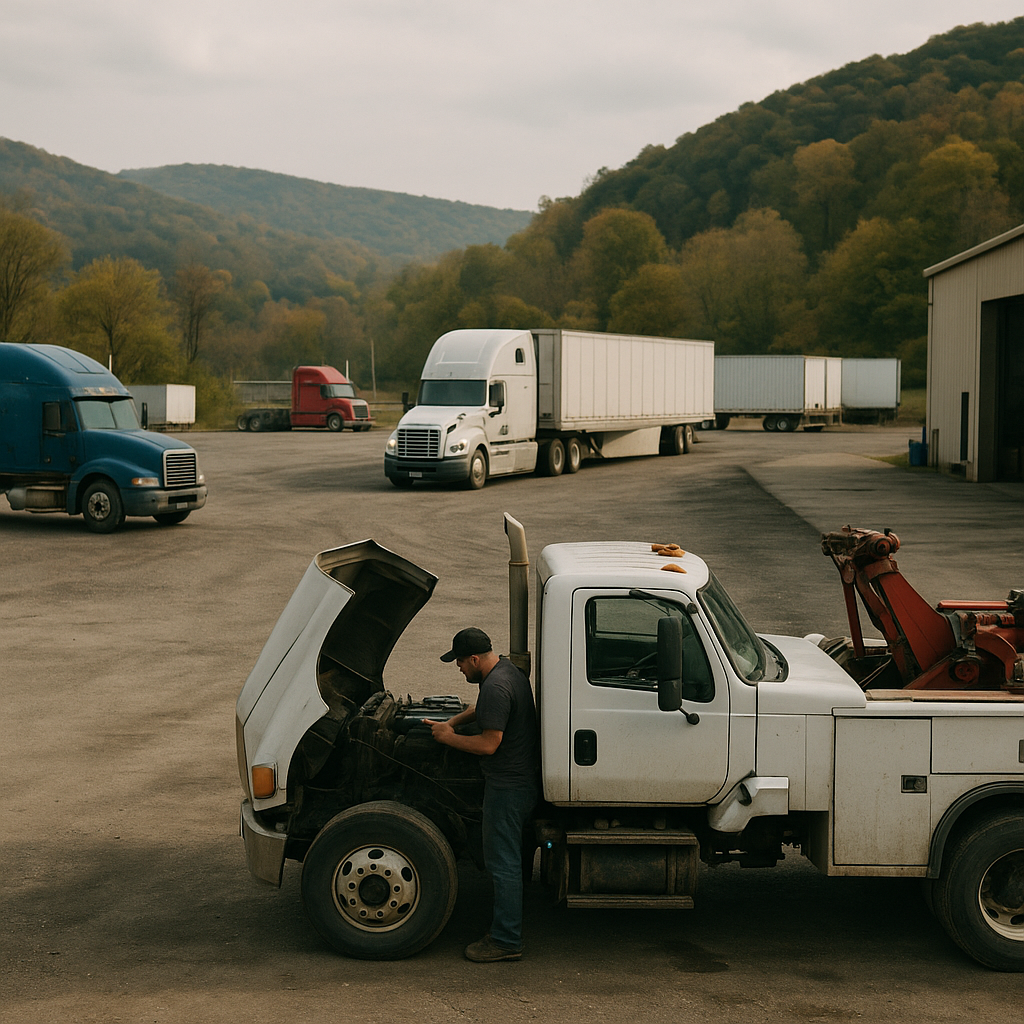
Tow truck insurance in Pennsylvania is commercial insurance built for towing work, not personal driving. If you run a wrecker, rollback, or small towing outfit, the right policy has to account for your truck, the customer’s vehicle, and the way Pennsylvania rules can overlap with federal trucking rules.
What tow truck insurance covers in Pennsylvania#
Tow truck insurance in Pennsylvania covers the business risks that come with towing, recovery, roadside help, and vehicle storage. It usually starts with commercial auto liability, then adds protection for your truck, the vehicle you’re towing, and vehicles sitting in your lot or yard.
A lot of operators start with the wrong assumption: “I’m just driving a truck, so standard business auto should handle it.” That’s where trouble starts. Towing adds extra exposures that ordinary commercial auto basics often don’t fully address.
Who needs it#
Tow truck insurance is for owner-operators, towing companies, and small fleets running tow operations in Pennsylvania. If your truck makes money by towing, winching, transporting disabled vehicles, or handling impounds, you need coverage built for business use.
That includes operators doing local police rotation work, private property towing, roadside assistance, auction transport, and recovery jobs. Even if towing is only part of what your business does, the insurance still has to match the actual use of the truck.
Why towing is different from standard commercial auto#
Commercial auto liability pays when your business causes bodily injury or property damage to someone else in a road accident. That’s the backbone of the policy, but towing creates extra points of failure that don’t exist for a plain delivery truck.
You’re handling a customer’s vehicle during hookup, loading, transport, unloading, and sometimes storage. A sedan that slips during loading, a pickup damaged by tow equipment, or a vehicle vandalized while sitting in your yard can trigger claims that basic liability may not solve cleanly.
What a bare-bones policy misses#
A bare-bones policy may satisfy part of a legal requirement while still leaving the expensive parts of tow work uncovered. That’s why “insured” and “properly insured for towing” are not the same thing.
One common mistake is assuming personal-use style add-ons or even non-trucking liability have anything to do with active tow work. Non-trucking liability is coverage for non-business use only, and it does not cover paid hauling or towing operations.
If you’re not sure whether your policy actually fits your operation,
Pennsylvania rules vs. federal trucking rules#
Pennsylvania rules and federal trucking rules are not the same thing, and neither automatically replaces the other. What applies depends on your operation type, where you run, whether you operate interstate, and whether your tow truck falls under federal motor carrier rules.
Pennsylvania regulates vehicles, registration, and insurance obligations at the state level, while FMCSA rules apply to certain interstate commercial motor carriers. That split is where a lot of tow operators get bad advice.
What Pennsylvania actually regulates#
The Pennsylvania Department of Transportation handles vehicle registration and operating rules that can affect tow trucks in the state, and the Pennsylvania Department of Insurance oversees insurance regulation and consumer guidance for policy issues. If you’re running local towing inside Pennsylvania, your first compliance layer is usually state-based, not federal.
That said, “state-based” doesn’t mean “simple.” Your truck’s use, weight, business structure, contracts, police rotation agreements, lienholder demands, and storage activity can all affect what coverage you need in practice.
When FMCSA rules matter#
FMCSA is the Federal Motor Carrier Safety Administration, the federal agency that oversees interstate commercial motor carrier safety and financial responsibility. If your tow operation crosses state lines or otherwise operates under federal authority, FMCSA rules may come into play.
Under 49 CFR Part 387, for-hire interstate carriers hauling property in vehicles over 10,001 pounds generally must carry at least $750,000 in public liability, with higher requirements for some operations such as certain hazardous materials. That does not mean all tow trucks need the same federal limit. The rule depends on carrier type, weight, commodity, and interstate activity, which you can confirm through FMCSA and by checking operating status on SAFER.
Why tow operators get these confused#
A local Pennsylvania wrecker doing city impounds may be dealing mostly with state rules, contract requirements, and lender demands. A heavier tow unit recovering a commercial vehicle across state lines may have a very different insurance and compliance picture.
That’s why broad statements like “the state minimum is enough” or “federal law always requires the same limit” cause problems. The right answer starts with how the truck is used, where it runs, and whether the operation is intrastate or interstate.
Core coverages tow truck operators usually need#
Core tow truck insurance usually includes commercial auto liability, physical damage, and optional injury-related coverages like medical payments and UM/UIM. These are the basics, but on their own they still may not address the customer-vehicle exposures that make towing different.
Think of these as the foundation. They protect the truck on the road and help with common accident losses, but they don’t automatically close every towing gap.
Liability#
Liability coverage pays for bodily injury or property damage your business causes to others in a covered accident. For a tow truck, that can mean rear-ending another vehicle, clipping a parked car while backing into a scene, or damaging a gate or barrier while entering a lot.
This is the coverage most operators think about first because it ties to legal and contract requirements. It matters, but it only addresses part of the risk.
Physical damage#
Physical damage is coverage for damage to your own truck. It usually includes collision for crash damage and comprehensive for non-collision losses like theft, vandalism, weather, or fire.
For tow operators, this matters more than people realize. A rollback with a damaged bed, winch system, or cab can put you out of service fast. If you want a deeper breakdown of physical damage coverage, it helps to look at how deductibles, stated value, and lender requirements interact.
Medical payments and UM/UIM#
Medical payments is no-fault coverage that can help with medical expenses after a covered accident, regardless of who caused it, subject to policy terms. UM/UIM stands for uninsured/underinsured motorist coverage, which can help when another driver causes the accident but has no insurance or not enough insurance.
For towing operations, these coverages can matter when your driver gets hit at an accident scene, in traffic, or while moving between service calls. They don’t replace workers’ comp or health insurance, but they can still be useful depending on how the policy is built.
Why these basics still leave gaps#
A policy can have liability and still leave you paying out of pocket for your own truck damage, damage to a customer’s car, or a loss involving stored vehicles. That’s the part generic advice often skips.
A practical example: your driver avoids a collision but scrapes a customer’s car during hookup. Another example: a recovered vehicle sits overnight in your yard and gets damaged. Those are real towing exposures, and basic auto liability alone may not answer them the way you expect.
Tow-specific coverages that matter most#
Tow-specific coverages matter because towing creates “care, custody, or control” exposures that regular road-use policies may not fully cover. The big ones are on-hook towing for vehicles being transported and garagekeepers legal liability for customer vehicles kept at your premises.
This is where a tow policy becomes a true towing policy instead of a dressed-up commercial auto form. If your business stores, handles, or transports customer vehicles, these details matter.
On-hook towing#
On-hook towing is coverage for a customer’s vehicle while it is attached to or being carried by your tow truck. In plain language, it’s the coverage people usually mean when they ask, “What if the car I’m towing gets damaged?”
A practical example: you’re hauling a disabled SUV on a rollback, take a hard impact from road debris, and the towed vehicle is damaged. Another example: a vehicle shifts during transport. Those losses are different from damage to your own truck.
Garagekeepers legal liability#
Garagekeepers legal liability is coverage for customer vehicles left in your care, custody, or control at your business location, subject to the policy’s terms and legal liability basis. It matters if you store impounds, hold vehicles after a crash, or keep cars overnight waiting for pickup.
This is a big issue for tow-and-storage operations. If a customer’s car is damaged by fire, vandalism, or another covered event while sitting in your lot, the question becomes whether your policy handles that custody exposure. A deeper look at garagekeepers coverage can help if your operation includes storage.
Trailer and equipment exposure#
Some tow operators also need to think about trailers, dollies, specialty attachments, and related equipment. If your operation actually uses non-owned trailers or operates under a signed interchange agreement, that can trigger different insurance questions.
Most small towing businesses won’t need every trailer-related coverage on the market. The point is to insure the equipment you actually use, not to buy broad add-ons that don’t match the operation.
Storage-lot and custody gaps#
The biggest towing mistakes usually happen in the handoff points: loading, unloading, temporary holding, overnight storage, and moving customer vehicles around the yard. Those are the moments when operators learn that “I have liability” was not enough.
Picture a car damaged while being repositioned in your fenced lot, or a vehicle broken into after intake. Those are the kinds of losses that make towing insurance different from basic road insurance.
Pennsylvania tow truck insurance requirements#
Pennsylvania tow truck insurance requirements depend on what is legally required for your vehicle and operation, what a contract or lender requires, and whether any federal motor carrier rules apply. In real life, the smart coverage package is often broader than the minimum needed to get on the road.
That distinction matters. A policy can meet a minimum standard and still leave a tow operator exposed to the claims that happen most often in this business.
What is strictly required#
Strict requirements can come from state vehicle rules, registration standards, local contracts, impound agreements, and in some cases federal financial responsibility rules. The Pennsylvania Department of Transportation is the right starting point for vehicle and registration issues in the state.

If your tow truck is operating as an interstate for-hire commercial motor carrier, federal public liability rules may also apply under 49 CFR Part 387. That’s a separate question from Pennsylvania-only vehicle compliance.
What is smart to carry#
What’s smart to carry usually goes beyond the minimum. On-hook, garagekeepers, and physical damage are common examples because they address how tow operators actually lose money.
A local operator doing police rotation work may find that contract requirements are stricter than bare legal minimums. An owner-operator with a financed rollback may also need broader protection because the truck itself is essential to cash flow.
How requirements change by operation type#
A local light-duty tow truck doing roadside calls in one county can have a different insurance profile from a heavy-duty recovery unit moving commercial vehicles over longer distances. Add storage, impounds, or interstate work, and the coverage picture changes again.
That’s why the right answer depends on business use, radius, storage exposure, and whether the truck stays intrastate or crosses into interstate activity.
Common compliance mistakes#
The biggest mistakes are assuming personal auto applies, assuming state minimums equal federal minimums, and assuming all towing risks fall under one generic liability form. They don’t.
Another common error is buying only enough to satisfy paperwork, then discovering after a loss that the customer’s vehicle or storage exposure wasn’t properly addressed.
How much tow truck insurance costs in Pennsylvania#
Tow truck insurance in Pennsylvania varies based on the truck, the work, the radius, the driver history, and whether you tow, store, or recover higher-risk vehicles. Two operators with similar-looking trucks can get very different pricing because insurers are really pricing the operation, not just the vehicle.
That’s why “how much per month” never has one honest answer. The better question is what parts of your operation are driving the premium.
Main cost drivers#
Insurers usually look hard at the type of towing you do, where you operate, how far you travel, who drives, prior claims, and the value of the truck. Storage lots, impound work, after-hours exposure, and dense urban service areas can also affect pricing.
A truck parked in a secure yard with a clean driver and mainly scheduled local work may look very different on paper from a truck doing emergency recovery, night calls, and higher-frequency accident scenes.
Why two tow trucks can price very differently#
A light-duty local wrecker doing battery jumps, lockouts, and short tows may present a different risk from a heavier recovery unit handling crash scenes and more complex extractions. The second operation may involve more severe loss potential, more equipment value, and more opportunities for customer-vehicle damage.
Even within light-duty towing, one operator may store vehicles overnight while another drops every vehicle immediately. That single difference can change the coverage mix and the underwriting view.
Monthly budgeting basics#
Most operators think in monthly cash flow, but insurance is still priced off the full annual risk. Your monthly bill depends on the coverage package, limits, deductibles, payment plan, and down payment structure.
Instead of chasing a generic “cheap” number, build your budget around what would hurt most if it happened next week: damage to your truck, damage to a customer’s vehicle, or a liability claim that ties up the business. That usually leads to better decisions than focusing on the first payment alone.
What changes with fleet size#
Single-truck owner-operators often feel each pricing change directly because one truck equals the whole business. Small fleets can have different pricing dynamics because insurers will also look at hiring controls, driver mix, maintenance practices, and whether the business has a consistent safety process.
That doesn’t automatically mean a 3-truck operation pays less per truck. Sometimes more drivers and more vehicle movement create more chances for claims, even if the business looks more established on paper.
How to lower cost without buying the wrong policy#
You can lower tow truck insurance cost by reducing avoidable risk, keeping your information clean and consistent, and cutting coverage that doesn’t match the operation instead of cutting coverage you actually need. The goal is a tighter policy, not a hollow one.
That’s a big difference. Saving premium by dropping a key towing exposure can backfire the first time a customer vehicle is damaged.
Reduce avoidable risk#
Clean driver records matter. So do secure garaging, documented maintenance, dash cameras where appropriate, and clear procedures for loading, tie-downs, storage intake, and key control.
If you run a small fleet, insurers may also want to see who is allowed to drive, how MVRs are reviewed, and whether you have any basic safety program in place.
Choose coverage intentionally#
Match the policy to the operation you actually run. If you store customer vehicles, address that directly. If you never store vehicles but regularly transport them on the hook, make sure that exposure is handled correctly.
The mistake is trimming a towing-specific coverage just because someone says it’s optional. Optional on paper and unnecessary in practice are not the same thing.
Raise deductibles carefully#
Higher deductibles can reduce premium, but only if the business can comfortably absorb that out-of-pocket hit. A deductible that looks manageable in a quote can feel very different after a truck damage claim and a week of downtime.
Use deductibles as a tool, not a gamble. Pick a number that fits your cash reserves, not just your shopping strategy.
Shop with complete information#
Quote the same limits, the same deductibles, and the same towing-related coverages across providers. Otherwise you’re not really comparing prices; you’re comparing different policies.
If one quote looks dramatically lower, the first question should be what was removed, limited, or excluded.
How to compare providers and get a quote#
A good tow truck insurance quote should clearly show what is covered, what is excluded, and how customer-vehicle exposure is handled. Before you compare providers, gather enough detail that every quote is being built on the same operation.
That saves time and helps you catch vague answers early.
Information you need before quoting#
Have your truck details, VINs, garaging address, driver information, service radius, business description, loss history, and a clear summary of what kind of towing you do. If you store vehicles, say that up front.
It also helps to organize a commercial truck insurance checklist so you can compare apples to apples across quotes.
Red flags in a provider#
Watch for vague language around on-hook, storage, attachments, and customer vehicles in your care. If someone talks as if towing is the same as any other commercial auto class, that’s a problem.
Another red flag is a quote that seems fast but leaves key coverages unclear. Cheap-looking pricing without a clear scope often means surprises later.
When to ask follow-up questions#
Ask follow-up questions when the quote doesn’t explain how loading, unloading, overnight storage, yard movement, or towing equipment are handled. Those are not minor details in this line of work.
You should also ask whether the quote assumes intrastate-only operation or contemplates any interstate exposure.
What a strong quote should make clear#
A strong quote should make the liability structure, truck physical damage, towing-specific coverages, deductibles, and major exclusions easy to see. You should know what is required, what is optional, and what is missing.
If you’re not sure what coverage fits your operation,
Tow truck insurance FAQs#
Do I need tow truck insurance if I only tow occasionally for my business?#
Yes, occasional towing for business can still create a commercial insurance exposure. If the truck is used to earn money, support a business service, or transport customer vehicles, don’t assume personal auto coverage applies. Insurers rate and underwrite based on actual use, not just frequency. A business that tows only a few times a week can still face the same on-road and customer-vehicle claims as a full-time operator. The safe move is to disclose the towing use clearly and make sure the policy matches it.
What is the difference between on-hook towing and garagekeepers coverage?#
On-hook towing generally applies while a customer’s vehicle is attached to or being carried by your tow truck. Garagekeepers legal liability usually applies when a customer’s vehicle is left at your premises in your care, custody, or control, subject to the policy terms. In plain language, on-hook is about transport, while garagekeepers is about storage or holding. Many tow operators need to think about both because losses can happen during the tow itself and after the vehicle reaches the lot.
Does Pennsylvania require the same coverage as FMCSA?#
No. Pennsylvania rules and FMCSA rules are different, and the right answer depends on the operation. State requirements can apply to vehicle registration, insurance, and local operating conditions, while FMCSA financial responsibility rules can apply to certain interstate commercial motor carrier operations. A local intrastate tow truck may mostly deal with state and contract requirements. A tow operation crossing state lines under federal authority may also need to meet federal public liability standards under 49 CFR Part 387. Don’t assume one rule set answers the whole question.
How much do tow truck drivers make in PA?#
Tow truck drivers in Pennsylvania can earn very different amounts depending on location, experience, schedule, dispatch arrangement, and whether they’re employees or owner-operators. A driver doing daytime local service in a smaller market may earn a very different income than a heavy-duty recovery driver working nights, weekends, and on-call rotations near a major metro area. Owner-operators also have to separate gross revenue from actual take-home pay because truck payments, fuel, maintenance, and insurance all affect the real number. Check wage context through sources like the BLS and local job listings.
How can I lower my tow truck insurance cost without losing the coverage I need?#
Start with the basics that insurers care about most: clean driver records, accurate garaging information, clear business use, and solid loss control around loading, tie-downs, and storage. Then compare quotes using the same limits, deductibles, and towing-specific coverages so you’re not fooled by a lower price built on less protection. Raise deductibles only to a level your business can absorb. Most important, cut wasted coverage carefully, but don’t strip out on-hook, physical damage, or storage-related protection if those exposures are part of your operation.





