
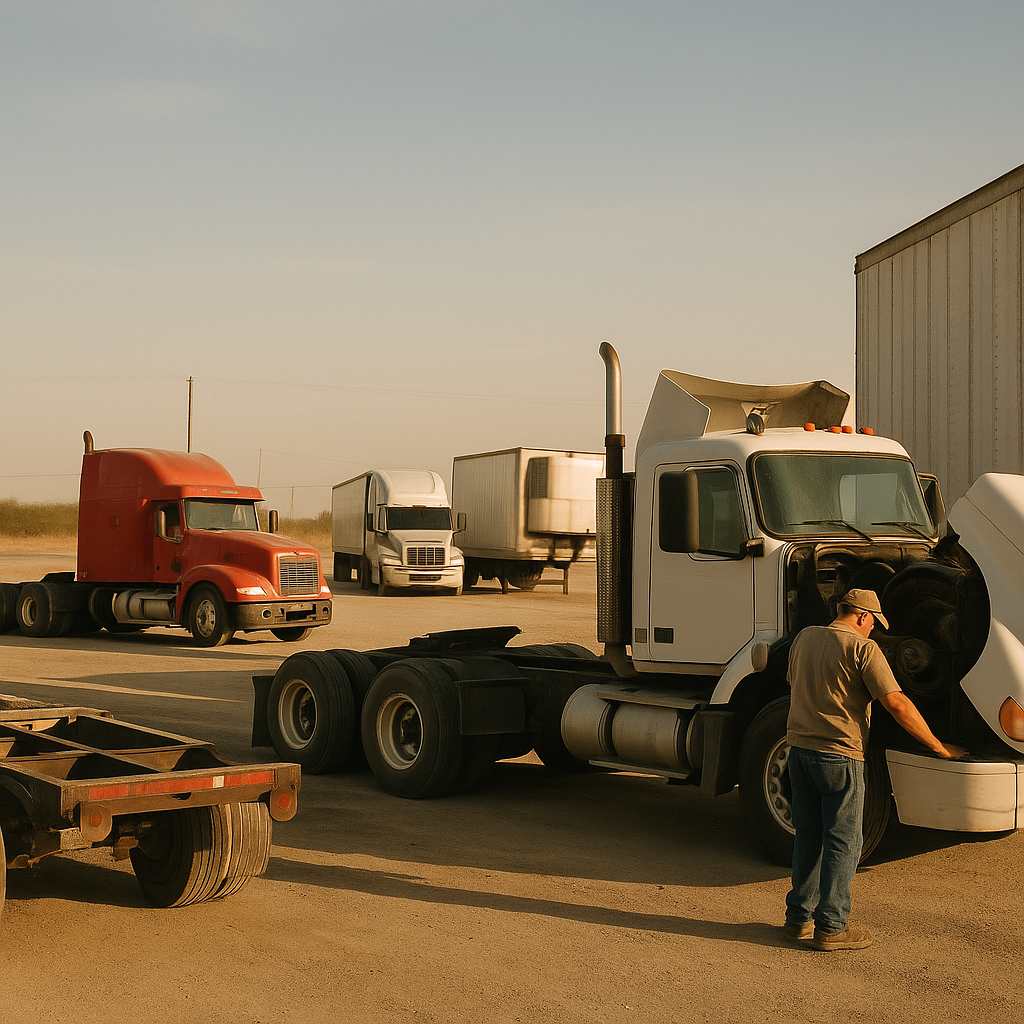

Texas non trucking liability insurance helps cover liability when an owner-operator uses the truck for non-business driving, not while hauling freight or running under dispatch. That’s where a lot of drivers get tripped up in Texas: state rules, FMCSA requirements, lease terms, and insurance wording are not the same thing.
If you’re leased on to a motor carrier, this coverage may matter a lot. If you’re under your own authority, you usually need a different commercial setup. The key is knowing when the truck is being used as a business vehicle and when it’s truly off duty.
What Non-Trucking Liability Insurance Means in Texas#
Texas non trucking liability insurance is liability coverage for a truck when it’s being used for personal, non-business driving and not under dispatch. It does not replace the liability coverage tied to hauling for a carrier, and it is not a Texas-only legal category. Its value comes from how you operate and what your lease or policy requires.
Non-trucking liability means liability insurance for a commercial truck during non-business use, such as personal driving when you are not under dispatch.
In plain English, this is the gap many leased-on owner-operators worry about. The carrier’s primary commercial auto liability coverage, meaning liability insurance tied to business trucking operations, usually applies while you’re working under that carrier’s authority. But that doesn’t automatically mean you’re covered driving the tractor home, taking it to get dinner, or moving it for a personal reason.
Texas doesn’t create a separate state version of NTL just because the truck is registered there. The real issue is use. Federal financial responsibility rules under 49 CFR Part 387 deal with required public liability for for-hire interstate carriers, but those rules are about business operations, not your off-dispatch personal use.
A simple example: if you drop a trailer, go off duty, and drive the tractor to your house, that may be the kind of trip NTL is meant for. If dispatch sends you to pick up your next load, that’s different.
When Texas Owner-Operators Need It#
Texas owner-operators usually need non-trucking liability when they are leased on to a motor carrier and want liability protection during true off-dispatch use. It is usually not about Texas registration by itself. It is about whether the truck still has exposure when you’re not working under the carrier’s business coverage.
A leased-on driver is an owner-operator who runs under another motor carrier’s authority instead of operating under their own.
This is where NTL most often fits. Many leased-on drivers carry it because the lease requires proof of off-dispatch liability protection, or because they know the carrier’s policy is built for business use, not personal errands. Think about real-life trips like driving the tractor from the yard to your home, going to a repair shop on your own time, or using the truck for a personal trip after you’re released from dispatch.
An owner-operator under own authority, meaning operating under their own USDOT and motor carrier authority, usually needs a broader commercial insurance setup instead of a leased-operator NTL policy. The FMCSA oversees interstate motor carriers, and you can verify operating status through SAFER. If you’re the carrier, the liability question usually starts with your primary business coverage, not a side policy meant for off-dispatch leased operators.
The problem is that many drivers buy something called bobtail coverage or NTL without checking whether it actually matches how they run. That’s how claims fights start after a crash on what seemed like "just a quick trip." If you’re not sure how your lease, dispatch status, and authority setup fit together,
You may not need NTL if you never use the truck for personal driving, your carrier provides the exact off-dispatch protection you need, or you’re structured under your own authority with coverage designed for that operation. The answer depends on use, not a one-line Texas rule.

Bobtail, Deadhead, and Unladen: What Each Term Really Means#
Bobtail, deadhead, and unladen do not mean the same thing, even though drivers and even some policies blur them together. Bobtail usually describes a tractor without a trailer. Deadhead usually means traveling empty. Unladen is broader and often refers to a truck not carrying cargo, but policy wording decides what is actually covered.
A bobtail is a tractor operating without a trailer attached.
Deadhead usually means driving with an empty trailer or without freight after a delivery or between loads.
Unladen liability is insurance wording often used for a truck not carrying cargo, but it may still include limits and conditions tied to business use or dispatch status.
Here’s the practical difference. You can be bobtailing because you dropped your trailer and drove home for the night. You can also be bobtailing because dispatch sent you across town to grab another trailer. Same truck setup, very different insurance situation.
Deadhead creates the same confusion. If you delivered a load and are heading to the next shipper with an empty trailer because dispatch told you to, that’s still part of the business. It’s not non-trucking use just because the trailer is empty.
This is why policy wording and lease wording matter more than shop talk. Some forms focus on whether you’re under dispatch. Others focus on whether the trip serves a business purpose. Don’t assume "bobtail" and "NTL" are interchangeable labels. Ask what the policy covers when you’re off dispatch, when you’re empty, and when you’re moving the truck for personal reasons only.
What NTL Covers and What It Does Not#
Non-trucking liability generally covers bodily injury and property damage liability when the truck is being used for personal, non-business driving. It does not cover cargo, damage to your own truck, or business hauling exposures. The line that matters most is whether the trip is truly outside trucking work.
Bodily injury and property damage liability means coverage for injuries to other people or damage to their property when you cause an accident.
If you’re off dispatch and take the tractor to get food, visit family, or drive home after being released from work, NTL may respond if you cause an accident and hurt someone or damage their vehicle. That’s the basic idea.
What it does not do is just as important. It does not replace motor truck cargo, meaning insurance for freight you’re hauling. It does not replace physical damage, meaning coverage for damage to your truck from collision, theft, fire, or similar loss. And it does not replace primary trucking liability while you’re hauling for a carrier.
Common exclusions usually involve trips tied to business use. That can include hauling freight, traveling under dispatch, repositioning for a load, or moving the truck for a business reason. For example, driving the tractor to a family cookout after you’re done for the day may fit the intent of NTL. Driving to meet a trailer because your carrier expects you there usually does not.
Denied claims often happen in gray-area trips. A driver says, "I was empty." The insurer asks, "Were you heading to a shop because the carrier needed the truck ready for tomorrow’s load?" Empty doesn’t always mean personal use.
Texas Cost Factors and Pricing Drivers#
Texas non trucking liability insurance cost depends on the driver, the truck, and how often the truck is used outside dispatch. There is no one-size-fits-all Texas price. The real pricing question is how much off-dispatch liability exposure the insurer is being asked to take on.
Insurers usually look at your driving record first. A clean record and stable insurance history can look very different from a file with recent violations, lapses, or prior claims. They also look at the truck itself, because a newer or higher-value unit can signal a different overall risk profile even though NTL is liability-focused.
Use pattern matters too. A driver who only takes the tractor home occasionally may present a different exposure than someone who regularly uses it for personal trips between loads. Lease status can also change the picture, because a leased-on owner-operator with a clear dispatch structure is different from someone bouncing between carriers or changing setups.
Simple example: two Texas drivers both have one truck. One is steadily leased on, rarely uses the tractor off duty, and has a clean record. The other switches carriers often, has a recent claim, and uses the truck more often for personal movement. Their premiums likely won’t look the same.
The goal isn’t buying the broadest-sounding option. It’s matching the policy to real off-dispatch use so you don’t pay for the wrong thing.
Do You Need Personal Auto Instead?#
Personal auto liability is usually not a substitute for a commercial truck used in trucking operations. If the vehicle is a tractor, commercially titled, tied to a lease, or part of a trucking business, you usually need commercial-specific coverage decisions instead of assuming a regular auto policy will work.
Personal auto liability means liability coverage written for personal-use cars and drivers, not for commercial trucking operations.
This is one of the most expensive misunderstandings in trucking. A driver thinks, "I’m only using it personally right now, so any auto policy should be fine." But the vehicle itself, the title, the business use history, and lease obligations can all make that assumption fail.
The Texas Department of Insurance is a good starting point for understanding how personal and commercial auto policies differ. For an owner-operator, the issue is usually not just what you call the trip. It’s whether the truck is part of a commercial operation.
Quick checklist:
- Is the vehicle a tractor used in trucking work?
- Are you leased on to a carrier?
- Do you ever operate under dispatch?
- Does your lease require off-dispatch coverage?
- Is the truck commercially titled or insured as a business vehicle?
If the answer to several of those is yes, you’re probably dealing with a commercial trucking exposure, not a simple personal auto situation.
How to Choose the Right Setup Without Overbuying#
The right setup starts with one question: are you leased on, under your own authority, or between carrier arrangements? From there, match the policy to your actual dispatch status and truck use. That keeps you from buying coverage that sounds right but doesn’t fit the way you run.
Use a simple decision path.
First, confirm whether you’re a leased-on owner-operator or operating under your own authority. Second, read the lease and ask what off-dispatch liability proof the carrier expects. Third, ask whether the policy covers true non-business use only, or whether the wording around bobtail or unladen changes anything.
If you’re switching carriers, review everything again before assuming the old setup still works. And keep separate decisions separate: physical damage covers your truck, not your liability to others, so it should be reviewed on its own. If you’re not sure what coverage fits your operation, LogRock can help you scope it.
FAQ#
Is non-trucking liability required?
Non-trucking liability is not universally required by Texas law for every owner-operator. It is usually optional from a legal standpoint, but it may be required by your motor carrier lease or chosen to cover off-dispatch personal use of the truck. The key question is whether you need liability protection when the carrier’s business coverage does not apply. If you’re leased on and drive the tractor for personal reasons, NTL is often worth reviewing closely.
Can you just have liability insurance in Texas?
You can have liability insurance, but it has to fit how the truck is actually used. For a commercial tractor involved in trucking operations, personal auto liability is generally not a substitute for commercial trucking coverage. A leased-on owner-operator may need primary liability through the carrier for business use and separate non-trucking liability for off-dispatch use. Requirements vary by vehicle use, lease obligations, and whether you’re operating as a business.
Is non-trucking liability the same as unladen liability?
They are closely related terms, but they are not always identical in policy wording. In practice, both often deal with times when the truck is not carrying cargo, but the contract language controls whether coverage depends on dispatch status, business purpose, or vehicle setup. That’s why a trip can be unladen but still excluded if it is tied to business use. Always check the actual policy form instead of relying on shorthand.
Does non-trucking liability cover bobtail driving?
Sometimes, but not automatically. Bobtail only describes the tractor operating without a trailer. It does not tell you whether the trip is personal or business-related. If you are bobtailing home after being released from dispatch, NTL may be intended for that kind of exposure. If you are bobtailing to pick up another trailer for work, that is usually business use, and NTL may not apply. The purpose of the trip matters as much as the truck configuration.
What if I’m empty but still working?
If you’re empty but still moving for a business reason, that usually does not make the trip non-trucking use. A deadhead trip to the next pickup, a move ordered by dispatch, or a repair run tied to keeping the truck ready for work may still be considered business use. That’s the trap in assuming empty equals covered. Insurance adjusts to the reason for the trip, not just whether there is freight in the trailer.





