
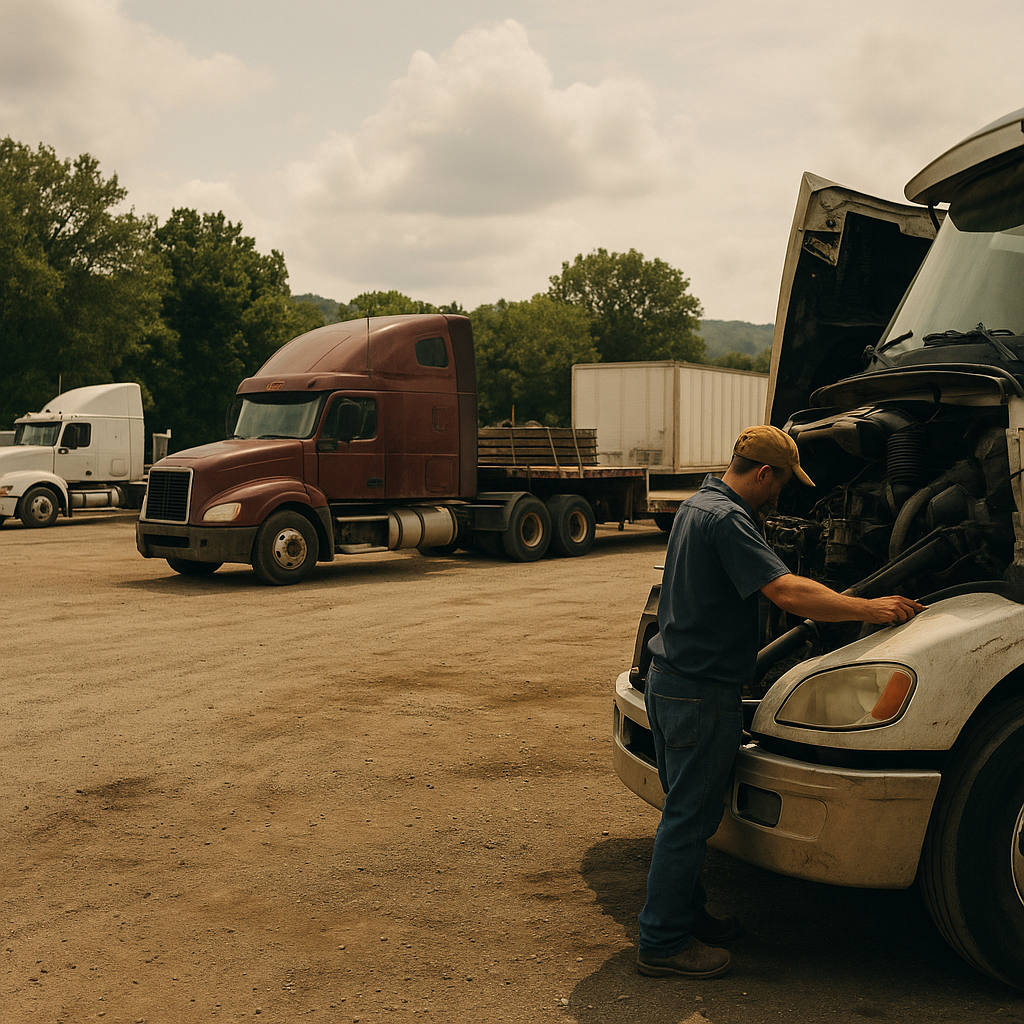

Flatbed trucking insurance in Alabama isn’t just "truck insurance." If you haul freight on a flatbed, your coverage usually needs to match a commercial trucking operation, including how you run, what you haul, and whether you cross state lines. This guide breaks down what matters so you can avoid buying the wrong policy.
What Flatbed Trucking Insurance Covers in Alabama#
Flatbed trucking insurance in Alabama usually combines several coverages that protect different parts of the job: liability for damage you cause, cargo for the freight, physical damage for the truck, and other options based on trailer use and downtime risk. What you actually need depends on whether you’re for-hire or private, your truck weight, cargo, and whether you operate interstate or intrastate.
Flatbeds carry a different risk profile than a dry van. The cargo sits on an open deck, which means weather, road debris, theft, and load securement issues matter more. Tarping, chains, straps, and edge protection aren’t just operational details — they can affect claims and how underwriters look at your operation.
Why flatbeds are different#
A flatbed operation puts more of the freight exposure out in the open. Steel, lumber, machinery, building materials, and other open-deck loads can shift, get wet, get struck by debris, or be damaged if securement fails. That makes flatbed insurance less about one generic policy and more about matching coverage to the freight and how it’s hauled.
A motor carrier is the business or individual responsible for transporting property by commercial motor vehicle. An owner-operator is a trucker who owns and runs the truck, either under their own authority or leased to another carrier.
Core coverages in a flatbed policy#
Commercial auto liability pays for bodily injury and property damage you cause to others in an at-fault crash. This is the coverage tied most directly to FMCSA and state liability rules.
Motor truck cargo pays for covered damage to the freight you’re hauling. For flatbeds, this is where commodity type, weather exposure, theft, and securement-related exclusions need close attention.
Physical damage pays for damage to your insured truck from collision and non-collision causes like theft, fire, or certain weather events. For most trucking policies, collision is paired with comprehensive or fire and theft with combined additional coverage rather than written by itself.
General liability covers certain non-driving business exposures, like some incidents at loading docks or customer premises. It doesn’t replace auto liability.
What each coverage pays for#
Bobtail generally refers to a tractor operating without a trailer. Non-trucking liability covers certain non-business use, not paid hauling and not primary freight operations. That’s where a lot of drivers get tripped up: bobtail or non-trucking liability is not a substitute for the liability coverage needed when you’re hauling for hire.
Trailer interchange covers a non-owned trailer in your care when there’s a signed interchange agreement. Non-owned trailer physical damage is often the better fit when you use trailers you don’t own but don’t have that signed interchange agreement.
If you’re not sure whether your setup needs primary liability, cargo, trailer protection, or a mix of all three,
Reefer breakdown is insurance for temperature-control equipment failure on refrigerated operations. It’s usually not relevant to a standard flatbed account unless the operation includes specialized refrigerated equipment, which most open-deck operators don’t use.

Do You Need Commercial Insurance for a Flatbed Truck?#
If you use a flatbed truck to haul freight, you generally need commercial trucking insurance, not personal auto insurance. Personal auto is built for private passenger use, while a flatbed hauling loads is a business risk with different liability, cargo, and equipment exposures.
Why personal auto usually does not fit#
Personal auto policies are not designed for for-hire freight hauling. Even if the truck is titled to you personally, the use of that truck matters more than the name on the registration. Once the truck is being used in a commercial hauling operation, the policy needs to match that exposure.
A USDOT number is a federal identifier used for safety and compliance tracking. An MC number is operating authority used for certain for-hire interstate carriers. If you’re running freight in a way that requires those registrations, you’re already outside the lane of ordinary personal auto insurance.
When commercial auto is required#
Commercial auto is the right starting point when the truck hauls freight for business, especially for-hire loads. If you’re operating under your own authority, hauling for compensation, or crossing state lines, your liability requirements may be driven by FMCSA rules as well as state rules.
A lot of confusion comes from limited-use coverages. Bobtail coverage addresses certain tractor use without a trailer. Non-trucking liability addresses certain personal, non-business use. Neither one covers your primary hauling exposure when you’re under dispatch or moving freight.
How authority and use affect the answer#
Running under your own authority usually means a different insurance setup than being leased onto another motor carrier. The party holding the authority, the type of freight, and whether the operation is interstate or intrastate can all change what filings and coverages apply.
That matters in Alabama because some drivers compare a state minimum, a personal auto policy, and a non-trucking liability policy like they’re interchangeable. They aren’t. A flatbed used in freight service needs coverage built for freight service.
Alabama Rules vs. FMCSA Requirements#
Alabama rules and FMCSA requirements are not the same thing. Alabama may have its own registration, tax, and state-level insurance issues for trucks operating in the state, but interstate for-hire carriers also have to meet federal financial responsibility rules that depend on carrier type, vehicle weight, and cargo.
What Alabama may require#
For Alabama-based operators, state requirements can affect registration, titling, and proof of insurance, and those issues may involve the Alabama Department of Revenue or state insurance oversight through the Alabama Department of Insurance. Those state-level items matter, but they don’t automatically tell you what a for-hire interstate flatbed must carry.
An intrastate operation stays within one state. An interstate operation crosses state lines or can be part of interstate commerce even if a given trip stays inside Alabama. That’s why the first question isn’t "What state am I in?" It’s "How is this truck actually operating?"
What FMCSA requires for interstate carriers#
Under FMCSA rules and 49 CFR Part 387, federal minimum liability requirements apply based on the type of carrier, the weight threshold, and the commodity hauled. For-hire interstate carriers hauling general freight in vehicles over 10,001 pounds must carry at least $750,000 in public liability under 49 CFR Part 387.
That doesn’t mean all truckers need the same limit. Under 10,000 pounds is treated differently. Auto haulers are different. Hazmat is different. Your minimum depends on the operation, not a one-line internet shortcut.
An MCS-90 is an endorsement tied to federal financial responsibility that helps satisfy certain public liability requirements for motor carriers. It’s part of the compliance picture for qualifying operations, but it doesn’t mean every claim scenario is covered the way drivers often assume.
Why state minimums are not the full story#
A state minimum can be lower, different, or simply aimed at a different class of vehicle than your real trucking operation. If you run interstate freight, federal rules can trump the simple answer you hear from another driver at a truck stop.
Before you compare policies, confirm whether you’re for-hire or private, whether the truck is over the relevant weight threshold, what cargo you haul, and whether the operation is interstate. You can verify carrier status, authority, and safety profile through SAFER, which is the FMCSA’s public lookup system.
How Much Is Flatbed Insurance?#
Flatbed insurance does not have one standard price. Your actual premium depends on your operation, cargo, radius, driving history, authority status, equipment value, trailer setup, and prior losses, with flatbed-specific exposures like weather and securement often affecting how the account is priced.
Main cost drivers#
Underwriters usually start with the basics: who’s driving, what the truck is, where it runs, and what it’s doing. A cleaner motor vehicle record, stable operating history, and well-documented business setup usually price differently than a new venture with violations, recent losses, or unclear cargo descriptions.
Key pricing factors often include:
- Driver experience and driving record
- Interstate versus intrastate use
- Own authority versus leased-on operation
- Operating radius
- Cargo type and cargo value
- Truck year, VIN, and insured value
- Garaging location
- Trailer ownership and trailer type
- Prior claims and loss history
If two quotes look far apart, the reason is often hidden in coverage scope, deductibles, exclusions, or the way the operation was classified.
Why flatbed operations can price differently#
Flatbed operations can bring extra underwriting attention because the cargo is exposed. Rain, wind, thrown debris, theft of materials, and securement-related claims can all change the risk picture. Freight like steel, lumber, machinery, coils, or construction material may also create different cargo and liability concerns than boxed freight in an enclosed trailer.
A deductible is the amount you pay out of pocket before covered insurance payments begin. Higher deductibles can lower premium, but only if your cash flow can absorb a claim without putting the truck down longer than necessary.
Physical damage pricing can also move fast based on the value of the truck and financed equipment. If the tractor is newer or heavily financed, cutting that coverage to chase a lower number can create a much bigger business problem after one loss.
What to compare instead of chasing a headline rate#
Don’t shop flatbed trucking insurance in Alabama by the monthly number alone. A lower price can reflect narrower cargo terms, a bigger deductible, missing trailer protection, or exclusions that matter for open-deck freight.
Compare quotes on the same basics:
- Liability limits
- Cargo limits and exclusions
- Physical damage deductibles
- Trailer coverage structure
- Covered uses and operating radius
- Driver schedule and permissive use
- Downtime exposure after a loss
The better question isn’t "Who’s cheapest?" It’s "Which policy actually fits the loads I haul and the way I run?"
How to Compare Quotes for a Flatbed Operation#
To compare flatbed quotes the right way, give every broker the same operation details and then compare the actual policy terms, not just the premium. The strongest quote is the one that matches your freight, truck, trailer use, and authority setup without hidden exclusions that show up only after a claim.
Information to have ready#
Bring the details underwriters actually use. If you’re vague on cargo or radius, the quote may come back inaccurate or get revised later.
Have these ready before you start:
- Truck VIN, year, make, and insured value
- Where the truck is garaged
- Driver history and license information
- USDOT and MC details, if applicable
- Authority status
- Typical operating radius
- Commodity types hauled
- Trailer ownership or borrowed trailer use
- Prior insurance and loss history
Questions to ask every broker#
Ask direct questions that expose whether the quote was built for a real flatbed operation. A broker who understands flatbeds should be able to discuss open-deck cargo concerns, securement-related claim issues, trailer use, and the difference between cargo coverage and truck coverage without talking in circles.
Useful questions include:
- Does this quote fit my actual cargo?
- Are weather-related cargo losses limited or excluded?
- What securement-related exclusions apply?
- Is stolen equipment like tarps, chains, or binders covered anywhere?
- Does this quote assume I own the trailer?
- Do I need trailer interchange or non-owned trailer physical damage?
- What deductible applies to truck damage versus cargo damage?
The NAIC is a good plain-language reference for core insurance terms like liability and deductibles if you want a neutral baseline before comparing broker explanations.
How to compare apples to apples#
Compare each quote line by line. Make sure the liability setup, cargo limit, deductibles, scheduled vehicles, covered territory, and trailer assumptions are the same. If they aren’t, you’re not comparing the same product.
A quote that looks cheaper can become expensive fast if it leaves you short on cargo, excludes the freight you actually haul, or assumes a trailer arrangement that doesn’t match real life.
Coverage Gaps and Add-Ons Flatbed Owners Should Watch#
Flatbed policies often go wrong in the gaps, not the headline coverages. The biggest problems usually involve cargo that isn’t protected the way the driver assumed, trailer situations that weren’t described correctly, or truck damage deductibles that create more downtime than expected.
Cargo gaps specific to open-deck hauling#
Open-deck freight creates special cargo questions. Water damage, theft, shifting loads, securement failure, and commodity-specific exclusions can all affect whether a cargo claim gets paid.
A common blind spot is cargo value. If the load value regularly runs higher than the cargo limit, a claim can leave you eating the difference. Another is assuming tarps, chains, straps, or binders are automatically covered like freight. They may not be.
Truck and trailer protection gaps#
If you don’t own the trailer, the trailer coverage question matters. Trailer interchange applies when there’s a signed interchange agreement. Non-owned trailer physical damage is often the practical fit for owner-operators using someone else’s trailer without that signed agreement.
Physical damage also deserves a hard look if the tractor is financed or if a long repair cycle would knock you out of service. Insurance isn’t just about the repair bill. It’s about whether one claim puts the truck and the business on hold.
When add-ons make sense#
Not every add-on belongs on every account. The right extras depend on your trailer setup, commodity mix, contract requirements, and how much loss your business can absorb.
For many flatbed operators, the right move is matching coverage to actual use rather than piling on every option. If you’re unsure where the holes are,
How to Lower Cost Without Buying the Wrong Policy#
You can lower flatbed insurance cost by improving the risk, cleaning up the application, and choosing deductibles and limits intentionally. The safest savings usually come from better operation quality, not from stripping out coverages that keep the truck moving after a claim.
Smart ways to reduce risk#
Underwriters notice stable operations. Cleaner MVRs, fewer claims, clear cargo descriptions, documented securement practices, and organized records all help the account make more sense on paper.
If you’re a small fleet, driver selection matters just as much as equipment. One poor record can affect the whole account more than many owners expect.
What not to cut#
Don’t use bobtail or non-trucking liability as a stand-in for primary commercial liability. It isn’t built for paid hauling.
Don’t underinsure cargo if your load values regularly run above the limit. And if your equipment is financed, skipping physical damage to save premium can leave you with a truck payment and no working truck after a loss.
When a higher deductible helps#
A higher deductible can make sense if you have the cash reserves to handle it without dragging out repairs. If you don’t, a lower premium today can turn into longer downtime tomorrow.
The right deductible is the one your business can realistically absorb while still getting back on the road quickly.
Step-by-Step: Getting the Right Policy for Your Alabama Flatbed#
The simplest way to get the right flatbed policy is to define the operation first, then match the coverages to that operation before you bind anything. Start with how you run, what you haul, and whose trailer and authority are involved; then check that the quote matches those facts.
Identify your operation type#
First, confirm whether you’re intrastate or interstate. Then confirm whether you’re operating under your own authority or leased to another motor carrier.
Use SAFER to verify public authority and operating status if you’re unsure how the business is registered. That one step clears up a lot of quote confusion before it turns into a filing problem.
Match coverages to freight and equipment#
Next, map the operation to the coverages. A for-hire flatbed running freight typically needs commercial auto liability and usually cargo, with physical damage based on the truck value and financing situation.
Then look at the trailer side. If you use non-owned trailers, decide whether you need trailer interchange or non-owned trailer physical damage based on the actual agreement. If you only want protection for personal, non-business use, that’s where non-trucking liability belongs — not in place of primary hauling coverage.
Review exclusions before binding#
Before signing, check the commodity description, radius, driver list, deductibles, trailer assumptions, and cargo limit. Make sure weather exposure, securement-related issues, and open-deck freight aren’t being treated in a way that surprises you later.
Final binding checklist:
- Confirm interstate or intrastate status
- Confirm authority setup
- Confirm cargo types and load values
- Confirm truck value and deductibles
- Confirm trailer ownership or borrowing arrangement
- Confirm key exclusions and required filings
FAQ#
How much is flatbed insurance?
Flatbed insurance pricing varies too much to give one honest number that fits every operator. Your actual premium depends on the truck, driver history, operating radius, authority status, cargo type, garaging location, trailer setup, and prior losses. Flatbed operations can also price differently because the freight is exposed to weather, theft, debris, and securement-related claims. When you compare quotes, focus on whether the liability, cargo, physical damage, and trailer coverage match your real operation. A lower quote isn’t better if it leaves out the coverage you actually need.
Do you need commercial insurance for a flatbed truck?
If the flatbed truck is used to haul freight, it generally needs commercial trucking insurance rather than personal auto coverage. Personal auto is built for private driving, not for-hire hauling or business freight movement. If you operate under your own authority, haul for compensation, or run interstate, the insurance requirements can get more specific based on FMCSA rules and the type of freight you move. Bobtail or non-trucking liability is not a replacement for primary commercial liability when the truck is working. The use of the truck is what drives the insurance answer.
What does flatbed trucking insurance cover?
Flatbed trucking insurance usually combines several coverages that protect different parts of the job. Commercial auto liability covers bodily injury and property damage you cause to others. Motor truck cargo covers the freight you’re hauling, subject to terms and exclusions. Physical damage covers the truck itself for collision and certain non-collision losses like fire or theft. General liability can address some non-driving business exposures. Depending on the operation, you may also need non-trucking liability, trailer interchange, or non-owned trailer physical damage. The right mix depends on your freight, trailer use, and authority setup.
What is the difference between motor truck cargo and physical damage?
Motor truck cargo and physical damage protect two different things. Motor truck cargo covers the freight you’re hauling for a customer, subject to the policy’s terms, limits, and exclusions. Physical damage covers your insured truck and, where scheduled, certain insured equipment, for losses like collision, theft, or fire. A lot of drivers assume truck coverage protects the load too, but it doesn’t. If you’re hauling high-value or weather-sensitive flatbed freight, cargo terms deserve as much attention as truck damage deductibles because the claim situations are completely different.
How do Alabama rules differ from FMCSA requirements?
Alabama rules can affect state-level registration, insurance, and operating issues, but FMCSA requirements apply to qualifying interstate motor carriers under federal law. Under 49 CFR Part 387, federal minimum liability requirements depend on carrier type, vehicle weight, and cargo, not just the fact that it’s a truck. For-hire interstate general freight over the relevant weight threshold is treated differently from lighter vehicles, auto haulers, or hazmat carriers. That’s why your state minimum isn’t always your real minimum. Before buying a policy, confirm whether your operation is intrastate or interstate and whether you’re running under your own authority.
What questions should I ask before buying a flatbed policy?
Ask questions that test whether the quote fits your actual operation. Start with whether the policy matches your cargo, radius, authority setup, and trailer use. Then ask about cargo exclusions, weather-related limitations, securement-related claim issues, deductibles, and whether stolen gear like tarps or chains is covered anywhere. If you use non-owned trailers, ask whether you need trailer interchange or non-owned trailer physical damage. Also confirm the cargo limit against your usual load values. A good quote isn’t just a price — it’s a policy built around the way your flatbed actually runs.





