
What Big Truck Insurance Covers in Mississippi#
Big truck insurance Mississippi operators buy is commercial trucking coverage for tractors, straight trucks, and small fleets used for business. It is not the same as personal auto insurance, and the right setup depends on what you haul, where you run, and whether your operation is interstate or intrastate.
In plain language, big truck insurance means a package of commercial policies built for working trucks. That can include a single owner-operator with one tractor or a small fleet running a few units across Mississippi or beyond.
Personal auto insurance covers personal driving, not a truck being used in a trucking business. If the vehicle hauls freight, operates under authority, or earns money on the road, you need commercial auto coverage built for that risk.
Who this coverage applies to#
This coverage applies to owner-operators, for-hire carriers, and small fleets using tractors or straight trucks in business. A for-hire carrier is a trucking business paid to haul someone else’s freight.
Mississippi operators often need different coverage mixes depending on whether they haul general freight, refrigerated freight, or specialty loads. The same truck can need a different policy setup if it runs local intrastate work one month and interstate freight the next.
The main policies owner-operators compare#
Auto liability pays for bodily injury and property damage you cause to others in a crash, and it is the core policy tied to trucking authority. Motor truck cargo covers the freight you’re hauling if it is damaged or stolen, subject to the policy terms.
Physical damage covers damage to your truck from collision and other causes like fire, theft, or certain weather losses. General liability covers certain business-related claims not caused by operating the truck on the road.
Non-trucking liability covers certain personal-use situations when the truck is not under dispatch. Trailer interchange and non-owned trailer physical damage matter when you pull trailers you do not own, and reefer breakdown matters when refrigerated freight depends on the unit holding temperature.
What is usually optional versus required#
Some coverages are required for authority, while others are optional by law but still important in real life. The right mix depends on carrier type, cargo, route, trailer setup, and whether you operate interstate or intrastate.
That is where truckers get tripped up. A coverage may not be legally mandatory, but a shipper, broker, lease agreement, or lender may still require it.
Mississippi Truck Insurance Requirements: State vs. FMCSA#
Mississippi truck insurance requirements change based on whether you operate interstate or intrastate. Federal rules apply to interstate carriers, while Mississippi rules may apply differently to trucks staying inside the state, so your liability requirement is not one universal number.
The clean way to think about it is this: federal authority brings federal insurance rules, and state-only hauling can bring a different set of state rules. The mistake is assuming a state minimum automatically covers a business that runs interstate freight.
Interstate authority requirements#
For interstate trucking, FMCSA rules control the financial responsibility side of the equation. Under 49 CFR Part 387, for-hire interstate carriers hauling general freight in vehicles over 10,001 pounds must carry at least $750,000 in public liability, while some operations require different limits based on cargo and carrier type.
That is why “all truckers need the same liability limit” is bad advice. Under the federal rule, the minimum can be lower for lighter vehicles, higher for auto haulers, and much higher for certain hazardous materials.
A USDOT number is the federal identifier for a carrier in safety regulation, and an MC number is operating authority used for certain for-hire interstate operations. You can verify authority status and active filings through SAFER and the FMCSA, which is useful before you bind a policy or change operations.
If you want a deeper breakdown of auto liability requirements, scope them by for-hire status, weight, and cargo first.
Intrastate operation considerations#
For intrastate hauling, Mississippi may not mirror federal authority rules exactly. Intrastate means the load and the trip stay within one state.
That does not mean coverage is simple. Mississippi operators still need to match the policy to how the truck is used, and some contracts or customer requirements can go beyond the legal minimum.
If you plan to switch between intrastate and interstate work, say that upfront when you quote the policy. A cheap-looking policy built around the wrong operating scope can create filing problems or coverage headaches later.
[](https://www.logrock.com/?utm_source=BLOG&utm_campaign=big-truck-insurance-mississippi)
What filings mean in practice#
A filing is proof sent by the insurer showing the required liability coverage is active for the authority. For many interstate carriers, this is how the government sees that insurance is in force, not just something you keep in a glove box.
Filings matter for authority activation, reinstatement, and staying active after policy changes. If coverage cancels or lapses, the filing can come down, and that can affect your ability to operate.
Cargo, physical damage, general liability, and reefer breakdown are different. They can be very important, but they are not all automatically required by law the same way liability filings are.
Types of Coverage Mississippi Owner-Operators Compare#
The coverages Mississippi owner-operators compare should match the actual job the truck does. Start with auto liability, then add cargo, truck, trailer, and specialty coverage only where the operation, contract, or equipment calls for it.
This is where one-size-fits-all advice gets expensive. A local power-only operator, a reefer owner-operator, and a small fleet pulling borrowed dry vans may all need different coverage stacks.
Auto liability and why it is central#
Auto liability is the foundation because it covers damage or injuries you cause to others while operating the truck. It is also the coverage tied most directly to regulatory requirements and filings.
General liability sounds similar, but it is not a replacement. It usually applies to certain business exposures away from the driving risk itself, not highway crash liability.
Cargo coverage for the load you haul#
Motor truck cargo protects the freight you are responsible for while hauling it. If you haul customer goods, cargo insurance is often one of the first coverages to review because brokers and shippers may require it even when the law does not.
Cargo needs change by commodity. Refrigerated freight may also need reefer breakdown coverage, which is designed for losses tied to temperature-control equipment failing.
Physical damage, non-trucking liability, and trailer coverage#
Physical damage protects your truck itself, including collision and other covered causes of loss. If you are comparing options, physical damage coverage should be matched to the truck’s actual value and how much out-of-pocket loss you could absorb.
Non-trucking liability is often confused with bobtail insurance. In practice, many owner-operators use the term loosely, but bobtail insurance and non-trucking liability are not the same thing, and neither covers paid hauling.

Trailer interchange applies when there is a signed interchange agreement for a trailer you do not own. Non-owned trailer physical damage is usually the better fit when you pull a trailer you do not own but do not have that signed interchange setup.
How Much Big Truck Insurance Costs in Mississippi#
Big truck insurance cost in Mississippi depends more on operation details than on the state name alone. Your premium is shaped by what you haul, where you run, the truck you insure, your driving and claims history, and whether you have continuous prior coverage.
Truckers usually get frustrated here because broad online numbers do not help much. Two Mississippi owner-operators with the same tractor year can price very differently if one hauls reefer interstate with a recent lapse and the other runs local intrastate dry freight with clean history.
What drives the premium#
Underwriters look closely at driving records, years in business, authority status, cargo type, operating radius, garaging, equipment value, and prior losses. They also care whether the operation is for-hire, whether the route stays in Mississippi, and whether the truck is financed.
A newer tractor with high stated value can push physical damage cost up. Higher-risk cargo or longer interstate lanes can affect liability and cargo pricing too.
Why lapses in coverage matter#
A lapse means a period when the required insurance was not continuously in force. Even a short gap can make an underwriter more cautious because it can signal instability, missed payments, or a stop-start operation.
That is why insurance after a lapse often gets harder to place or more expensive to reinstate. If your filing dropped with the policy, the operational damage can be bigger than the bill itself.
How to avoid overbuying#
The goal is not to buy every coverage you have heard on a forum. The goal is to buy the coverages that fit your truck, cargo, route, trailer use, and contracts.
Ask for quotes using accurate details so you can compare like for like. If one quote includes trailer interchange, reefer breakdown, and high cargo limits you do not actually need, it is not a fair comparison against a tighter policy built for your real operation.
How to Get the Right Quote for Your Operation#
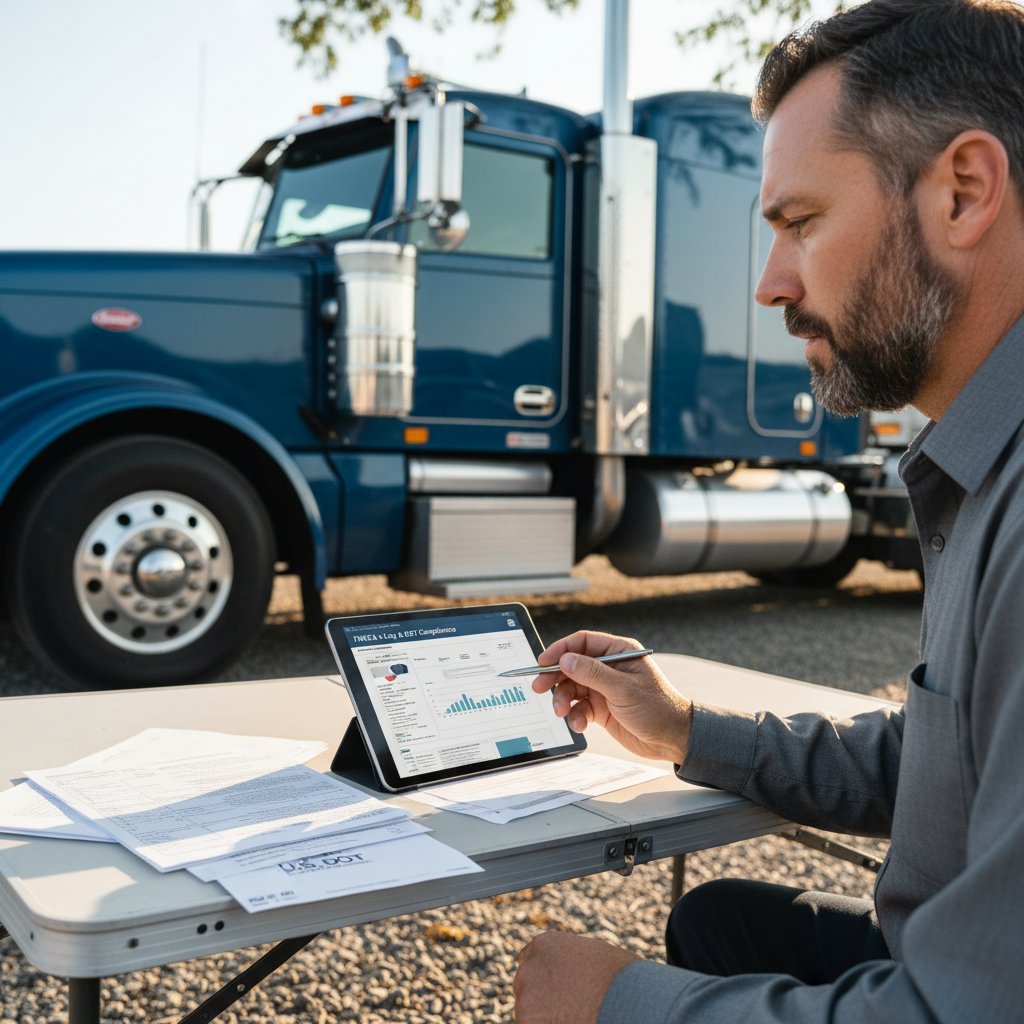
The right Mississippi truck insurance quote starts with accurate operation details. A broker or carrier can only match the policy to your business if they know your authority status, equipment, cargo, route, and trailer setup.
Bad quotes usually start with bad descriptions. If you describe a commercial tractor like a personal-use vehicle, or leave out that you cross state lines, the number you get may not reflect what you can actually bind.
Information to gather before shopping#
Have your USDOT status ready, plus your MC authority if it applies. Gather the tractor year, make, VIN, value, lienholder information, intended radius, cargo type, trailer arrangement, prior insurance history, and loss history.
Also be clear about whether you operate interstate or intrastate. That one detail can change both the compliance side and the quote structure.
How to describe your trucking business accurately#
Describe the truck the way it really works. If it hauls for money, pulls customer freight, runs under authority, or leaves Mississippi, say so directly.
Do not use personal-auto language for a business truck. Commercial underwriting depends on the actual exposure, not the label a driver uses in conversation.
What a good quote process should include#
A good quote process checks eligibility, confirms what filings are needed, and strips out coverages that do not fit the job. It should also explain what is legally required versus what is contract-required or simply smart to carry.
For owner-operators and small fleets, that matters more than a fast number by itself. The best use of the quote step is to confirm coverage fit before you bind and before you find out something was scoped wrong.
What to Expect After a Claim#
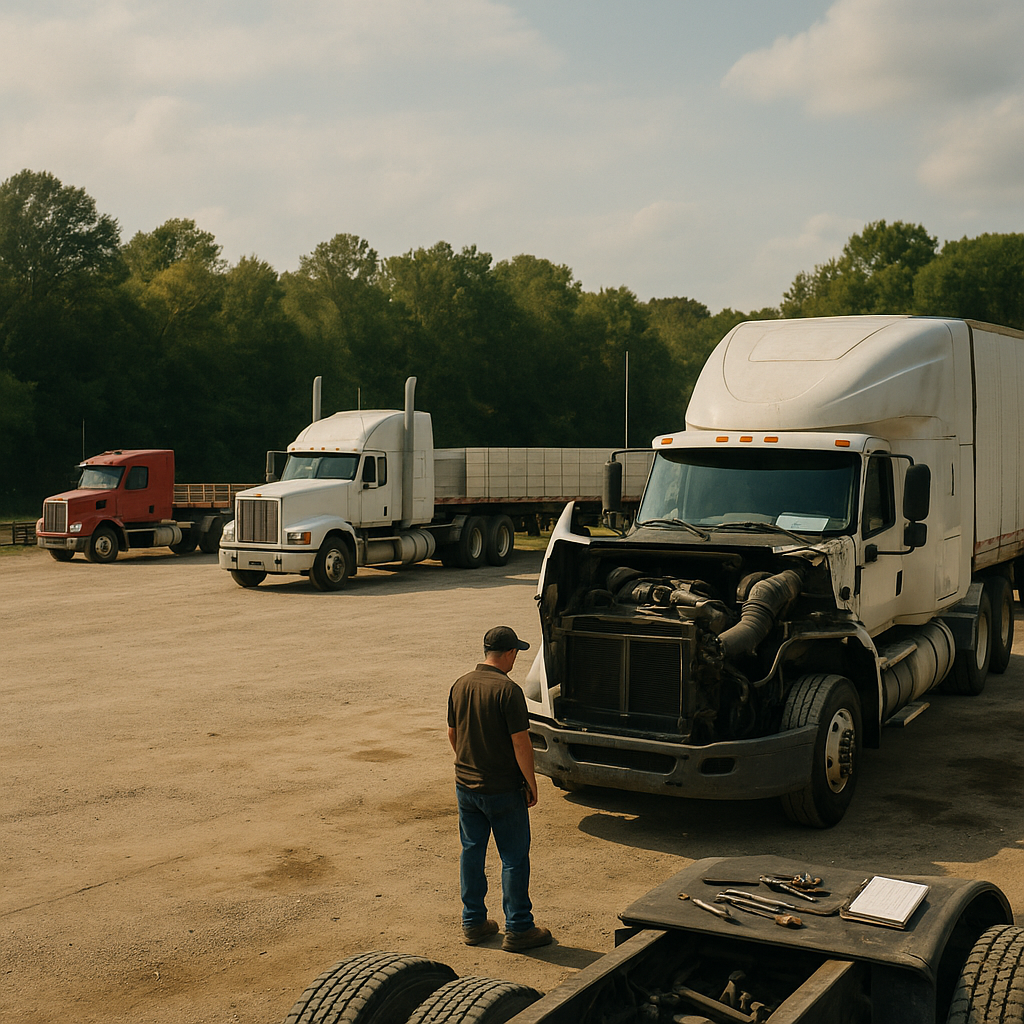
A trucking claim usually starts with prompt reporting, photos, and documents that show what happened. If police responded, the report helps, and cargo losses usually need load details, bills, invoices, temperature records if relevant, and repair or damage evidence.
Small fleets feel claims problems fast because downtime hits revenue immediately. A delayed inspection, slow communication, or confusion over trailer responsibility can keep a truck parked longer than expected.
That is why the truck insurance claim process matters almost as much as the policy language. Clear support after binding can make a real difference when you are trying to get repairs moving, document a cargo issue, or understand what the adjuster needs.
Service matters most when something goes wrong. A policy that looked fine on paper is only part of the story if communication falls apart after a loss.
Mississippi Trucking Insurance FAQs#
Do Mississippi truckers need the same insurance for interstate and intrastate hauling?#
No. Interstate and intrastate hauling can trigger different insurance requirements, and the right liability level depends on your operating scope, truck weight, and cargo. Interstate for-hire carriers are generally governed by FMCSA financial responsibility rules under 49 CFR Part 387, while intrastate operations may be governed differently under state rules or contract demands.
That means a Mississippi truck staying inside the state should not assume it needs the exact same setup as a truck running across state lines. It also means a state minimum is not automatically enough if the operation later expands into interstate freight.
What insurance is required for a commercial truck in Mississippi?#
The core required coverage is usually auto liability, but the exact requirement depends on whether the truck is interstate or intrastate, for-hire or private, and what it hauls. For interstate for-hire carriers over 10,001 pounds hauling general freight, federal public liability rules apply under 49 CFR Part 387.
Other coverages like motor truck cargo, physical damage, general liability, trailer coverage, and reefer breakdown may not always be legally mandatory. Still, they can be required by shippers, brokers, lease agreements, or lenders, and they may be essential to protecting the business.
Is personal auto insurance enough for a big truck?#
No. Personal auto insurance is built for personal driving, not for hauling freight, operating under authority, or running a trucking business. If a tractor or straight truck is being used commercially, it needs commercial trucking insurance designed for that exposure.
This is one of the most common and costly misunderstandings. A driver may think occasional business use is close enough to personal use, but once the truck is part of paid commercial work, the policy needs to be written for commercial operations.
Why did my trucking insurance price go up after a lapse?#
A lapse tells underwriters there was a break in continuous insurance history, and that can make them more cautious. They may see a gap as a sign of payment trouble, interrupted operations, or uncertainty about how the risk is being managed.
That caution can show up as higher pricing, fewer carrier options, stricter terms, or a tougher reinstatement process. If the policy cancellation also removed a required filing, the operational consequences can go beyond premium and affect authority or dispatch readiness.
What information do I need before asking for a Mississippi truck insurance quote?#
Start with your USDOT and MC status if applicable, then gather the tractor year, VIN, stated value, lienholder details, operating radius, cargo type, and whether you run interstate or intrastate. You should also know whether you use owned trailers, borrowed trailers, or interchange agreements.
Prior insurance details and loss history matter too. The more accurately you describe the operation, the easier it is to compare quotes that actually match your business instead of numbers based on the wrong assumptions.
How does a trucking claim usually work?#
Most trucking claims begin with immediate notice to the carrier or claims contact, then documentation. That usually includes photos, driver statements, police reports when applicable, repair information, and cargo records if freight was damaged.
From there, the adjuster reviews coverage, investigates the loss, and requests anything missing. For a small fleet or owner-operator, the quality of communication matters because repair delays and unclear instructions can extend downtime and disrupt cash flow while the truck is off the road.