
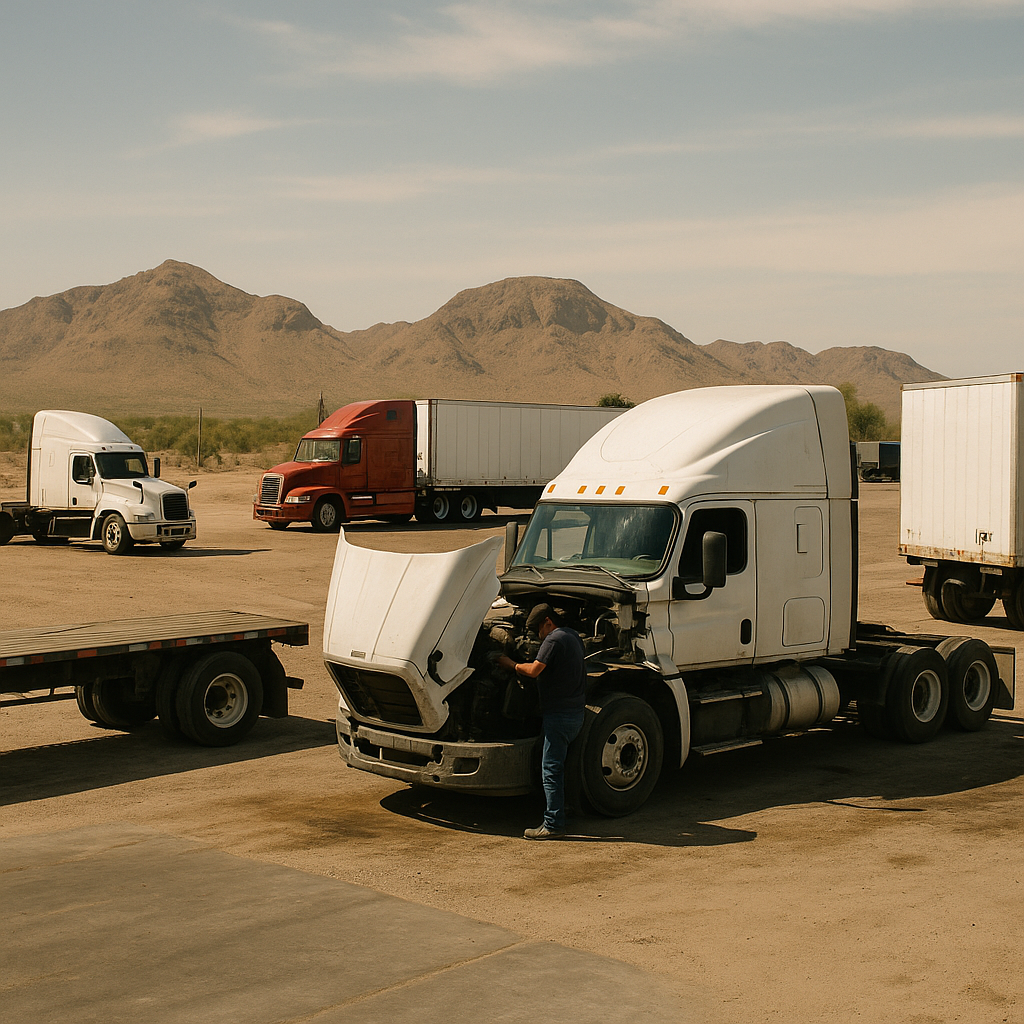

If you’re shopping for box truck insurance Arizona operators actually need, the first thing to sort out is your operation. A local contractor making deliveries in Phoenix does not face the same insurance setup as a for-hire carrier crossing into Nevada under FMCSA authority. This guide breaks down what coverage does, when Arizona rules stop and federal rules start, and what changes the quote.
What Box Truck Insurance Covers in Arizona#
Most Arizona box trucks used for business need commercial insurance, not a personal auto policy. The right setup usually starts with commercial auto liability, then adds cargo, physical damage, and other coverages based on how you use the truck, what you haul, and whether you operate for-hire.
A commercial auto policy is insurance written for vehicles used in business operations, not personal driving. That matters because a box truck delivering goods, hauling freight, or moving tools for a business usually falls outside what a personal auto policy is meant to cover. If you need a refresher on commercial auto coverage basics, start there before comparing quotes.
Commercial auto vs personal auto#
A personal policy may look cheaper on paper, but that doesn’t make it the right fit for a working box truck. If the truck is titled to a business, used for deliveries, carries business inventory, or earns money hauling, insurers usually expect commercial coverage.
Think about three Arizona examples. A contractor in Tucson using a box truck to deliver materials to job sites still has business use exposure. A local furniture hauler in Mesa picking up and delivering customer property has a for-hire exposure. A regional carrier running a 26-foot truck from Arizona into New Mexico may also trigger FMCSA rules, not just state insurance expectations.
Core coverages for box trucks#
Auto liability pays when your truck causes bodily injury or property damage to other people. This is the core coverage tied to state requirements, federal minimums, and many shipper contracts.
Motor truck cargo covers freight you’re hauling for someone else, subject to the policy terms and exclusions. If you handle customer property, a good cargo coverage guide helps you see what’s covered and what isn’t.
Physical damage covers damage to your own truck from collision and other covered losses like fire, theft, or certain weather events. General liability covers certain non-driving business liability, such as incidents around loading areas or premises-related claims.
Non-trucking liability covers certain non-business use of a truck when it’s not under dispatch or being used to haul for pay. Bobtail insurance is commonly used to describe liability when a truck is operated without a trailer, but the exact coverage fit depends on the policy form and use case.
When a box truck needs commercial insurance#
If the box truck is used to make money, move business property, haul customer freight, or support a trade business, commercial insurance is usually the safer assumption. The real question is not whether the truck is “just a box truck.” It’s how the truck works, where it runs, and what risk it creates.

Arizona Rules vs FMCSA Requirements#
Arizona and FMCSA rules are not the same thing. Arizona may set baseline vehicle insurance rules for commercial use inside the state, but interstate for-hire trucking can trigger federal insurance minimums and filings under FMCSA, especially when vehicle weight, cargo type, and authority status line up.
State minimums and commercial use#
A lot of confusion starts here: drivers hear “state minimum” and assume that’s enough for any operation. It often isn’t. A box truck used only inside Arizona may mainly need state-compliant commercial coverage plus whatever a customer contract requires, while a for-hire interstate carrier may need to meet federal financial responsibility rules.
Arizona insurance buyers can also check consumer oversight information through the Arizona Department of Insurance and Financial Institutions. That won’t replace a trucking-specific review, but it helps ground the state side of the conversation.
Interstate vs intrastate operations#
Interstate commerce means hauling freight across state lines or as part of a shipment moving across state lines. Intrastate commerce means the transportation stays within one state and does not fall into interstate movement.
Under FMCSA rules and 49 CFR Part 387 on eCFR, for-hire interstate carriers hauling general freight in vehicles over 10,001 pounds must carry at least $750,000 in public liability. That does not mean all box truck operators need that amount. Requirements vary by carrier type, vehicle weight, cargo, and whether the operation is interstate or intrastate. Auto haulers and hazmat operations can face higher federal minimums.
A simple example: a Phoenix-based box truck delivering only within Arizona under a private business model may not be under the same FMCSA insurance rule as a for-hire carrier taking loads from Arizona into California under an MC number. Same truck body style, different insurance framework.
When filings may be involved#
A filing is a form sent by an insurer to show that required insurance is on file with a regulator or authority. If you run interstate for-hire and your authority setup requires it, you may need federal filings tied to your operating authority. If you’re unsure how auto liability filings fit your setup, check before you book a load and find out the hard way.
That problem gets expensive fast when a load is ready, the broker asks for proof, and your policy doesn’t match your authority. If your setup is unclear,
How Much Box Truck Insurance Costs#
Box truck insurance cost in Arizona depends more on your operation than on the truck name alone. Driver history, radius, cargo, authority status, truck value, deductibles, and liability limits can all move the premium, which is why two nearly identical 26-foot box trucks can quote very differently.
Cost drivers that raise or lower premiums#
Start with the basics. A clean MVR usually helps more than almost anything else. So does stable business information, accurate garaging, a realistic operating radius, and clear cargo details.
Then look at the operation itself. A local box truck doing daytime business deliveries around Scottsdale may price differently from a truck running regional lanes, parking in multiple locations, or hauling higher-theft freight. New authority can also price differently from an established operation with prior commercial insurance history. For a deeper look, review common box truck insurance cost factors.
26-foot box truck pricing questions#
A 26-foot box truck is a common comparison point, but “How much does a 26-footer cost to insure?” is still too broad by itself. One 26-foot truck might handle local furniture delivery with short radius and a clean record. Another might run interstate contract freight with multiple drivers, higher limits, and cargo exposure. Same size, different risk.
Here are a few practical examples:
- A local Arizona operator with a clean record, modest radius, and no recent claims may see a very different quote than a new venture hauling for-hire under fresh authority.
- An established carrier with prior commercial insurance and consistent cargo may get better terms than a startup with gaps in coverage history.
- A truck with higher stated value or lower deductibles usually costs more to insure than one with less physical damage exposure or more retained risk.
The question about a $1,000,000 liability limit works the same way. That limit may be chosen because a shipper, broker, or contract requires it, not because every box truck needs the same thing. Your actual premium depends on your operation, cargo, radius, driving history, and other factors.
Down payment and monthly structure#
A quote isn’t just the total premium. It also affects cash flow. Some policies require more upfront, while others spread more of the cost into installments. For an owner-operator or small fleet, that structure matters almost as much as the annual number.
Watch the tradeoff. A lower down payment can help at startup, but the monthly payment may still strain cash flow if the operation is thin in the first few months. Compare the full package: upfront amount, installment plan, deductible, exclusions, and whether the quote includes the coverages you actually need.
What Coverage Fits Your Box Truck Operation#
The best box truck insurance fit comes from matching coverage to the job. Non-CDL box trucks still need commercial insurance when used for business, for-hire work usually needs more than private use, and cargo type or customer contracts often decide whether basic liability is enough.
Non-CDL vs CDL box trucks#
A non-CDL box truck is a box truck that can be operated without a commercial driver’s license based on its configuration and use, but that licensing fact does not decide the insurance need. If it’s being used in business, the insurance still has to match commercial use.
That catches a lot of people. A driver hears “non-CDL” and assumes the insurance can be simpler too. Sometimes the licensing is simpler, but the risk is still commercial. A non-CDL furniture truck doing paid deliveries around Glendale still needs business-appropriate coverage.
For-hire, contract, and private use#
For-hire means you’re being paid to transport someone else’s property. Private carriage means you’re hauling your own business’s property, equipment, or goods instead of hauling for the public.
A contractor moving owned tools and materials in a box truck may mainly need commercial auto and possibly physical damage coverage if the truck itself needs protection. A for-hire beverage hauler may need liability, cargo, and higher contract-driven limits. A leased-on owner-operator may also ask about non-trucking liability explained, but that coverage only applies to non-business use and does not cover paid hauling.
Cargo type and contract requirements#
Cargo changes the whole picture. Furniture delivery may raise handling and damage concerns. Beverage hauling can bring different theft or claim patterns. Refrigerated freight may call for reefer or refrigeration breakdown coverage if the operation uses temperature-controlled equipment. Contractor equipment transport may need careful review because not every policy treats every type of property the same way.
Contract requirements can also exceed legal minimums. A broker or shipper may ask for higher liability, cargo limits, additional insured language, or specific endorsements before they release a load. That’s why generic truck insurance advice falls short.
Some coverages are commonly packaged for this class, like liability plus cargo plus physical damage. Others depend on the actual operation, and some combinations are intentionally not offered by LogRock if they don’t fit the class or create the wrong expectation.
Ways Arizona Box Truck Operators Can Save#
Arizona box truck operators usually save by tightening risk, not by guessing low on coverage. Clean driving records, accurate business details, realistic deductibles, and avoiding coverages that do not match the operation can all help keep premiums more manageable without opening dangerous gaps.
Safer risk profiles#
Insurers price what they can verify. If your garaging address, radius, driver list, and cargo description are accurate, the quote is more likely to reflect the real operation. Sloppy applications can backfire later.
Day-to-day habits matter too. Better vehicle storage, cleaner loss history, and consistent safety routines can help over time. That matters even more for small fleet trucking insurance, where one claim can affect more than one unit’s economics.
Choosing the right deductibles#
A deductible is the amount you pay out of pocket before insurance pays the covered rest of a claim. Higher deductibles often lower premium, but only if you can actually absorb that out-of-pocket hit when a loss happens.
For example, if a cracked liftgate, collision loss, or theft claim would put the business in a cash crunch, choosing the highest deductible just to lower the quote may be false savings. Match the deductible to your reserve cash, not your best-case month.
Avoiding overbuying coverage#
Don’t pay for coverage you can’t use or don’t need for the operation. A private-use contractor truck may not need the same cargo setup as a for-hire carrier. A leased-on unit may ask about non-trucking liability, but that still doesn’t replace on-the-job liability.
The goal is not the smallest policy or the biggest one. It’s the policy that fits the work.
How to Get a Quote for Box Truck Insurance in Arizona#
A good Arizona box truck insurance quote starts with clean business details. Gather your VIN, unit value, driver information, cargo type, operating radius, garaging address, and any DOT or MC details that apply, then compare quotes line by line instead of chasing the lowest headline number.
Information to gather before quoting#
Bring the basics first:
- VIN and year, make, model
- Stated truck value and any lienholder information
- Driver’s license and driving history for each driver
- Cargo description and whether you’re for-hire or private
- Operating radius and states you run
- USDOT or MC details, if applicable
If you run under federal authority or need to verify your operating status, check SAFER before binding. It also helps to use a proper truck insurance quote checklist so you don’t miss a detail that changes the quote later.
What a good quote should show#
A quote should separate liability, cargo, physical damage, and any filings or endorsements. That way you can compare real differences. One quote may look lower until you notice it carries a higher deductible or excludes the cargo you actually haul.
When to ask follow-up questions#
Ask questions when two quotes look similar but the terms are not. For example, one owner-operator may compare two policies and find one has a lower premium but a higher physical damage deductible and tighter cargo terms. That’s not the same quote.
If you’re not sure how to compare them by operation instead of price alone,
FAQ: Box Truck Insurance in Arizona#
What is the best insurance for a box truck?#
The best insurance for a box truck depends on what the truck does every day. For most business-use box trucks, the starting point is commercial auto liability, with motor truck cargo added if you haul customer property and physical damage added if you need protection for the truck itself. Some operations also need general liability, trailer-related coverage, or non-trucking liability in specific leased-on situations. The right fit comes from whether you’re for-hire or private, whether you cross state lines, and what contracts require.
How much does insurance cost for a 26ft box truck?#
Insurance cost for a 26-foot box truck varies widely based on the operation. Driver history, cargo type, operating radius, truck value, authority status, prior insurance, deductibles, and chosen limits all affect the quote. A local Arizona delivery truck with a clean record may price very differently from a regional for-hire truck under new authority. That’s why two 26-foot box trucks can carry very different premiums even when they look similar on paper.
How much does a $1,000,000 liability insurance policy cost?#
A $1,000,000 liability policy does not have one universal price. The premium depends on the carrier’s risk profile, where and how the truck runs, claims history, cargo, whether the operation is for-hire, and whether the higher limit is required by contract or authority. In practice, that means the same liability limit can price very differently between a private local operation and an interstate box truck hauling contract freight. The limit alone never tells the whole cost story.
Is insurance high on a box truck?#
Box truck insurance can feel high because commercial use creates more risk than personal driving. But the price is not based on box truck size alone. Insurers also look at who is driving, what is being hauled, how far the truck runs, where it is garaged, whether there have been prior claims, and what limits or deductibles you choose. A well-matched policy can still be workable, but a vague application or mismatched coverage often makes the quote worse.
Does a non-CDL box truck still need commercial insurance?#
Yes, a non-CDL box truck usually still needs commercial insurance if it is used for business. CDL rules and insurance rules are not the same thing. If the truck makes deliveries, hauls tools, moves customer property, or otherwise supports business activity, insurers usually expect commercial coverage. Many owners get tripped up by the word “non-CDL” and assume personal auto is enough. It often isn’t, especially if the truck is titled to a business or earns money in any way.





