
Colorado food truck insurance isn’t just one policy, and it isn’t the same thing as your permits, health approvals, or business license. If you run a food truck, food trailer, or cart in Colorado, your insurance needs depend on your vehicle setup, how you operate, and whether any state, local, contract, lender, or federal rules apply.
What Colorado food truck operators need to know first#
Colorado food truck insurance usually means a mix of commercial auto, liability, and property-related coverages based on how your business actually runs. The biggest mistake is assuming your permit packet tells you everything you need, or assuming a truck, trailer, and cart all fit under the same insurance setup.
A lot of operators get tripped up here because insurance, licensing, and permitting overlap without being the same thing. Your county or city may care about health approval, fire inspection, vending permissions, and proof of insurance. But the policy itself still has to match the real risk.
Food truck insurance vs. permits and licenses#
A permit lets you operate legally in a place; insurance pays for covered losses when something goes wrong. Those are connected, but they are not interchangeable.
A Colorado city might ask for a certificate of insurance, which is a document showing your policy exists and listing key coverage details. That doesn’t mean the city chose the right coverage for your business. It just means you had to show proof of it.
Health department approvals, business licenses, and vending permits also don’t replace insurance review. You can be fully permitted and still have the wrong policy form, the wrong limits, or exclusions that leave a claim unpaid.
Truck, trailer, and cart setups are not the same#
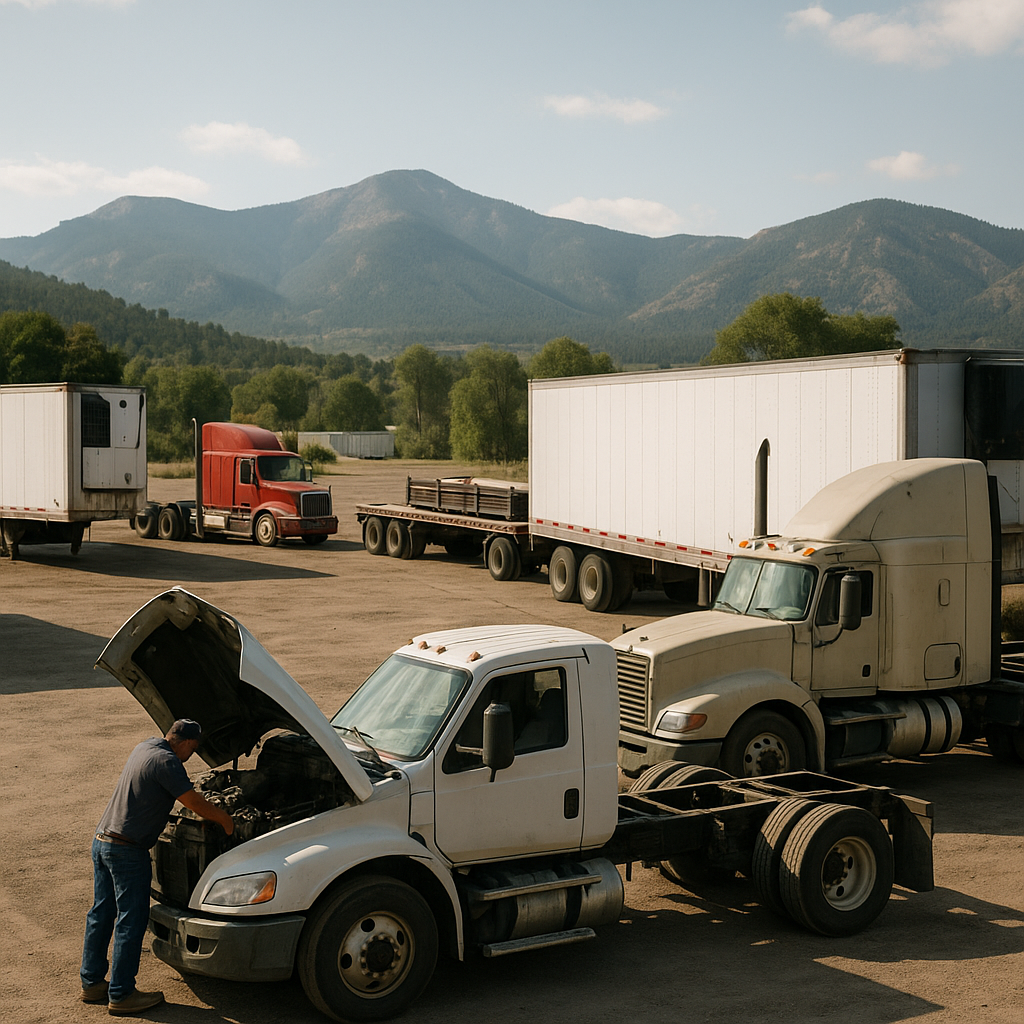
A food truck is a self-propelled vehicle with cooking or service equipment built into it. A food trailer is a towable unit that depends on another vehicle, and a food cart is usually a smaller mobile vending setup with a different risk profile.
That matters because a self-propelled truck usually raises commercial auto issues first. A trailer may shift more focus to trailer coverage, towing liability, and where the unit is stored or used. A cart may not need the same vehicle policy structure, but it can still create liability and property risks.
Why Colorado-specific rules matter#
Colorado-specific rules matter because local permit offices, event organizers, landlords, and lenders may all ask for different proof of insurance. At the same time, some operations can trigger broader commercial auto rules based on how the vehicle is used, where it travels, and whether federal motor carrier rules apply.
So the smart starting point is simple: separate your permit checklist from your insurance checklist. If you’re staring at conflicting advice from forums or vendor groups,

What food truck insurance covers#
Colorado food truck insurance usually combines vehicle coverage, business liability coverage, and optional protections for equipment, employees, or spoilage exposures. The right mix depends on whether you own the truck, tow a trailer, hire staff, finance equipment, or work festivals, private lots, and regular street service.
Commercial auto for the vehicle#
Commercial auto insurance covers a business vehicle for liability and, if selected, damage-related coverage. For a food truck, this is usually the backbone policy because the business operates from a motor vehicle.
If your truck causes injury or property damage in an accident, commercial auto is the policy built to respond. Personal auto usually isn’t meant for a commercial kitchen on wheels, regular vending stops, or business-use modifications.
If the unit is financed, your lender may also require physical damage. A deductible is the amount you pay out of pocket before covered damage insurance starts paying.
General liability for customer injuries and property damage#
General liability covers claims that your business caused bodily injury or property damage outside the driving exposure. Think slip-and-fall claims at the service window, damage to a venue, or a customer alleging they were hurt by something tied to your operations.
This is often the coverage event organizers, landlords, and commissaries ask about. It’s also where many food businesses find out too late that "I have auto insurance" doesn’t solve non-driving claims.
Physical damage for your truck and equipment#
Physical damage covers direct loss to your vehicle from collision and other covered causes, depending on the policy structure. In trucking terms, collision pays for impact losses, while comprehensive handles many non-collision causes like theft, weather, or vandalism.
For food operators, this matters because the truck itself may be the business’s biggest asset. But you also need to ask whether permanently attached cooking equipment, signage, generators, or custom build-outs are covered automatically or need to be listed specifically.
A limit is the maximum the policy pays for a covered claim. If your build-out cost is much higher than a standard vehicle value, that’s a critical conversation before binding coverage.
Workers’ compensation and other add-ons#
Workers’ compensation covers employee job-related injuries and lost wages under state law. If you have employees, Colorado workers’ comp rules may apply even if your business is small.
Other add-ons depend on your setup. You may need equipment coverage, food spoilage protection, equipment breakdown, hired and non-owned auto, or special endorsements for trailers and service operations. These aren’t automatic just because you bought a basic policy package.
The practical point is this: core coverage names are only the start. Food service creates vehicle, premises, equipment, and employee risks all at once, so you need the quote built around the operation you actually run.
Colorado rules: what is required and what is not#
Colorado food truck insurance requirements come from more than one place, and that’s why operators get confused. Some requirements come from state or local permits, some come from landlords or event contracts, and some can come from commercial auto rules tied to how the vehicle operates rather than from "food truck law" itself.
State requirements vs. local permit rules#
State and local rules often control whether you can vend in a location, but they don’t always spell out every insurance detail in the same way. One city may require proof of liability for a permit, while an event organizer may require additional insured wording or specific limits on a certificate of insurance.
The safest move is to verify current rules with official Colorado sources before you buy. Start with relevant Colorado government sources for business, licensing, and agency guidance, then confirm city, county, fire, and health department requirements where you actually operate.
This is also where the "new Colorado food truck law" question comes in. Laws can change how mobile vendors apply, where they operate, or what documentation local governments can request. But a law affecting permits does not automatically define every insurance need for your vehicle, staff, and equipment.
Federal commercial auto requirements#
Federal commercial auto rules may apply to certain operations, but not every food business falls into the same bucket. The key issue is whether your operation fits federal motor carrier requirements based on vehicle use, weight, and whether you engage in transportation that brings FMCSA rules into play.
Under 49 CFR Part 387, for-hire interstate carriers hauling general freight in vehicles over 10,001 lbs must carry at least $750,000 in public liability. FMCSA guidance at fmcsa.dot.gov is the right place to verify whether federal financial responsibility rules apply to your operation at all.
Most food truck readers are not traditional for-hire motor carriers. But if your setup, vehicle classification, or business use crosses into regulated commercial transport territory, federal rules can matter fast. That’s why "my city only asked for X" is not a complete insurance analysis.
What a food truck law may affect#
Colorado food truck laws may affect permits, local reciprocity, inspections, and where or how mobile food vendors can operate. They may also affect when you need to show proof of insurance to a local authority, venue, or contract partner.
The practical takeaway is to verify the current law before making purchase decisions, then scope insurance separately. Use the law to understand operational permissions. Use your insurance review to understand driving exposure, customer injury exposure, property exposure, and any contract requirements layered on top.
Cost factors that move your premium up or down#
Colorado food truck insurance cost depends on the vehicle, how and where you operate, who drives, what equipment you carry, and which coverages you choose. There isn’t one useful flat price because a financed step van doing long festival runs is a different risk than a small locally parked trailer with limited service hours.
Vehicle value and driving radius#
A newer or custom-built truck usually costs more to insure than an older unit with less insured value. The more specialized the build, the more important it is to document upgrades and confirm how the insurer values them.
Driving radius matters too. A truck that stays close to one metro area often presents a different exposure than one traveling across the state for events every week.
Food type, operations, and loss history#
Your cooking setup can affect risk. Open-flame cooking, generators, refrigeration, propane use, late-night service, and crowded festival operations can all change the underwriting picture.
Loss history matters just as much. Prior claims, prior lapses in coverage, and business experience all influence premium. So do storage conditions and whether the unit is parked in a secured location when not operating.
Employees, payroll, and coverage limits#
More drivers or employees usually means more exposure. Payroll can affect workers’ compensation pricing, while higher liability limits and more endorsements usually increase premium.
This is where operators get tempted to buy less than they need. That’s usually the wrong move if a venue, lender, or contract requires higher limits anyway, or if a low-limit policy leaves you exposed on a serious claim.
Trailer and equipment considerations#
A trailer changes the insurance conversation because the trailer, towing vehicle, and attached equipment may not all be handled under one simple form. Refrigeration units, generators, point-of-sale systems, and permanently installed cooking gear can also affect pricing and coverage structure.
Choose deductibles and limits based on what you could actually afford to replace or absorb. Forum advice is cheap; uninsured downtime is not.
Common exclusions and coverage gaps to watch#
Food truck claims often go bad because the operator thought a policy covered spoilage, breakdown, borrowed equipment, or trailer damage automatically. In reality, many of those exposures need specific coverage language, scheduled equipment, or separate endorsements.
Food spoilage and breakdown gaps#
Food spoilage is loss of inventory caused by temperature failure, power interruption, or similar events. Equipment breakdown is coverage for mechanical or electrical failure of covered equipment.
Those are not always built into basic policies. If your fridge fails overnight or a generator problem ruins product before a weekend event, you need to know whether the loss is covered, limited, or excluded.
Equipment and refrigeration exclusions#
Attached equipment may be treated differently from loose equipment. Refrigeration problems may also trigger a nasty surprise: damage from mechanical failure can be excluded unless you specifically added the right protection.
That matters if your operation depends on cold storage, frozen product, or a reefer-style setup. Ask what happens if the unit breaks, if power is interrupted, and if the ruined food itself is covered.
Trailer and non-owned equipment issues#
Borrowed, leased, or venue-required equipment can create gaps if it isn’t described correctly. The same goes for a food trailer if the policy only contemplates a self-propelled vehicle or if the trailer’s value isn’t listed correctly.
A lot of denied claims come down to mismatch. The application said one thing, the actual operation did another, and the policy was never adjusted.
How claims get denied#
Claims often get denied because of misclassification, excluded equipment, undisclosed drivers, business-use problems, or missing endorsements. That’s why the cheapest-looking quote can become the most expensive mistake.
When a policy doesn’t match how you really vend, travel, cook, store inventory, or tow equipment, the trouble usually shows up at claim time, not quote time.
How to choose coverage without overbuying#
The right way to buy Colorado food truck insurance is to match coverage to your setup first, then compare policy details line by line. That keeps you from paying for irrelevant extras while also avoiding the bigger problem: a cheap quote that leaves out the risks your business actually has.
Match coverage to your setup#
Start with the operation, not the logo on the quote. Is it a self-propelled truck, a trailer, or a cart? Do you travel regularly, stay parked, work events, tow equipment, or hire staff?
That first pass usually tells you whether commercial auto, general liability, physical damage, workers’ comp, or equipment-related options belong on the table. It also helps identify whether any lender, commissary, landlord, or event contract is driving required limits.
Compare policies line by line#
When you compare quotes, don’t stop at premium. Compare exclusions, deductibles, limits, scheduled equipment, driver assumptions, and whether coverage applies the way you actually operate.
NAIC consumer guidance at naic.org is useful for plain-language definitions when you’re sorting out terms like deductible, limit, exclusions, and endorsements. That’s especially helpful when two quotes look similar up front but handle equipment, spoilage, or trailer issues very differently.
Ask for proof that the policy fits your operation#
Ask direct questions. Does the insurer understand mobile food operations? Is attached equipment covered? Is spoilage included? Does the trailer need separate treatment? What proof can they show in writing?
If you’re not sure how to scope that,
The goal isn’t buying more. It’s buying the right fit.
When to review with an agent#
Review coverage any time the business changes. New truck, new trailer, new city, new staff, higher event volume, financed upgrades, or new contract requirements can all change what "adequate" coverage looks like.
A specialized commercial broker can help spot mismatches between your auto exposure, food-service liability, property values, and permit-driven insurance requests.
Ways Colorado food truck owners can lower insurance costs#
You can lower Colorado food truck insurance costs by improving risk, tightening coverage to fit the operation, and avoiding unnecessary add-ons. The wrong way is chasing the lowest headline price and finding out later that the policy excluded the claim you actually had.
Keep driving records clean#
Driving history matters because the unit is still a commercial vehicle. Clean MVRs, careful driver selection, and fewer violations generally support better underwriting results over time.
Bundle only when it truly fits#
Bundling can help if the policies actually belong together and the forms fit your operation. But don’t assume a packaged quote is better if it blurs important details around equipment, spoilage, trailers, or event liability.
Use deductibles strategically#
A higher deductible can reduce premium, but only if you could comfortably absorb that out-of-pocket amount after a loss. Choose a deductible based on cash flow, not wishful thinking.
Document safety and maintenance#
Keep maintenance records, inspection logs, driver information, and equipment details organized. Clean documentation helps underwriters understand the risk and can make claim handling smoother if something goes wrong.
The real savings play is preventing avoidable claims and avoiding coverage mistakes. Underinsuring a mobile kitchen usually costs more than it saves.
Next steps for getting a Colorado food truck insurance quote#
Getting a good Colorado food truck insurance quote starts with clean information. The faster you can describe the vehicle, business, equipment, routes, and contract requirements accurately, the easier it is to compare options for fit instead of sorting through generic quotes that miss important details.
Gather business and vehicle details#
Have your business name, entity type, garaging address, and operating area ready. Pull the vehicle year, make, VIN, value, modifications, financing details, and any trailer information too.
Also gather driver details, loss history, estimated revenue, employee count, payroll if applicable, and a list of major equipment. If you use a commissary, work events, or sign venue contracts, keep those requirements handy.
Identify required and optional coverages#
Separate what is clearly required from what is strongly recommended. Required items may come from a lender, city permit office, landlord, event organizer, or employee law. Optional items may still be smart if your truck has expensive build-outs, refrigeration exposure, or valuable equipment.
If you aren’t sure, build the list in three buckets:
- Must have for legal, lender, or contract reasons
- Needed because of how the business actually operates
- Nice to have if the added protection justifies the cost
Compare providers for fit, not just price#
Ask whether the quote reflects a food truck, trailer, or cart operation specifically. Confirm what is covered, what is excluded, and what needs to be scheduled.
A practical quote checklist looks like this:
- Vehicle and setup are described correctly
- Drivers are listed correctly
- Equipment values are realistic
- Liability limits meet actual requirements
- Exclusions were reviewed, not ignored
- Permit, landlord, lender, and event needs were checked
- Spoilage, breakdown, and trailer issues were discussed
FAQ#
What is the new food truck law in Colorado?
The safest answer is to verify the current Colorado food truck law through official state and local sources before you buy coverage or rely on secondhand advice. Food truck laws can affect permits, reciprocity, inspections, operating locations, and what documentation a city or county may ask for. But those rules do not automatically define every insurance need. Your insurance obligations may also come from permit conditions, event contracts, landlords, lenders, and, in some cases, federal commercial auto rules. Check current Colorado government guidance first, then match insurance to how your business actually operates.
Do food trucks in Colorado need commercial auto insurance?
If you operate a self-propelled food truck, commercial auto is usually the starting point because the business runs from a vehicle used for business purposes. Personal auto generally isn’t designed for a truck that’s modified for cooking, vending, regular business travel, or customer service operations. A trailer or cart setup may change the policy structure, but it doesn’t remove the need to review liability and property exposures. The right answer depends on whether the unit is self-propelled, towable, or stationary, plus any lender, contract, or permit requirements tied to that setup.
Is food truck insurance the same as a permit or license requirement?
No. A permit or license allows you to operate legally in a place, while insurance protects against covered claims and losses. A city may ask for proof of insurance before issuing a permit, but that doesn’t mean the permit office has determined the policy fully fits your business. You can satisfy a paperwork requirement and still have gaps involving equipment, spoilage, towing, or employee injuries. Treat permits and insurance as two separate checklists. One governs permission to operate; the other governs whether you have financial protection when something goes wrong.
Does a food trailer need different insurance than a food truck?
Usually, yes. A food truck is self-propelled, so commercial auto issues tend to lead the conversation. A food trailer is towable, which means you may need to think separately about the trailer itself, the towing vehicle, attached equipment, where it is stored, and whether the policy properly describes how it is used. A food cart can be different again. The mistake is assuming one generic policy covers every setup the same way. The coverage structure should follow the actual unit type and how the business moves, stores, and serves food.
What coverages do food truck owners most often miss?
The most common misses are spoilage, equipment breakdown, attached equipment valuation, trailer treatment, and non-owned or borrowed property issues. Many operators assume that if the truck is insured, the generator, refrigeration unit, custom cooking equipment, or ruined food inventory is automatically covered too. Often, that isn’t true without the right endorsements or scheduled values. Another common problem is buying based on price alone and never checking exclusions. If the policy doesn’t reflect the real operation, the gap usually shows up during a claim instead of during the quote process.