
Commercial food truck insurance made simple: 7 coverages, 2026 cost ranges, event COI requirements, and exclusions to avoid—get confident and quote-ready.
Commercial food truck insurance is a bundle of policies that protects your truck (as a commercial vehicle), your customers, your equipment, and your contracts—especially when events require proof like a COI. Most operators need seven coverages: commercial auto, general liability (often including product liability), property/BOP, workers’ comp (if you have staff), equipment breakdown/spoilage, and an umbrella for higher limits.
If you want a clean starting point, begin with the vehicle: a food truck is still a commercial vehicle, so most operators start with Commercial auto insurance for food trucks and build the rest of the package around the venues you want to sell at.
Table of Contents
Reading time: 9 minutes
- Key takeaways (save this before you renew)
- Food truck insurance requirements: law vs permits vs events (COI reality)
- The 7 core food truck coverages (what they cover + typical limits)
- How much does commercial food truck insurance cost in 2026? (and what drives the price)
- Exclusions, claim surprises, and where to buy (so you don’t learn the hard way)
- Next steps: build a COI-ready commercial food truck insurance package
- Frequently Asked Questions
Key takeaways (save this before you renew)
Food truck coverage decisions are usually driven by three sources—state vehicle laws, city/commissary permits, and event contracts—and many events commonly ask for $1,000,000 per occurrence / $2,000,000 aggregate general liability on a COI.
- Requirements come from 3 places: state driving laws, city/commissary permits, and event/venue contracts (COI rules).
- The fastest “COI-ready” setup is usually commercial auto + general liability, often bundled via a BOP/package.
- Costs swing hard based on garaging ZIP, truck value/build-out, drivers, and event calendar—not just your menu.
- “Cheap” is only affordable if it actually pays when something breaks or someone sues.
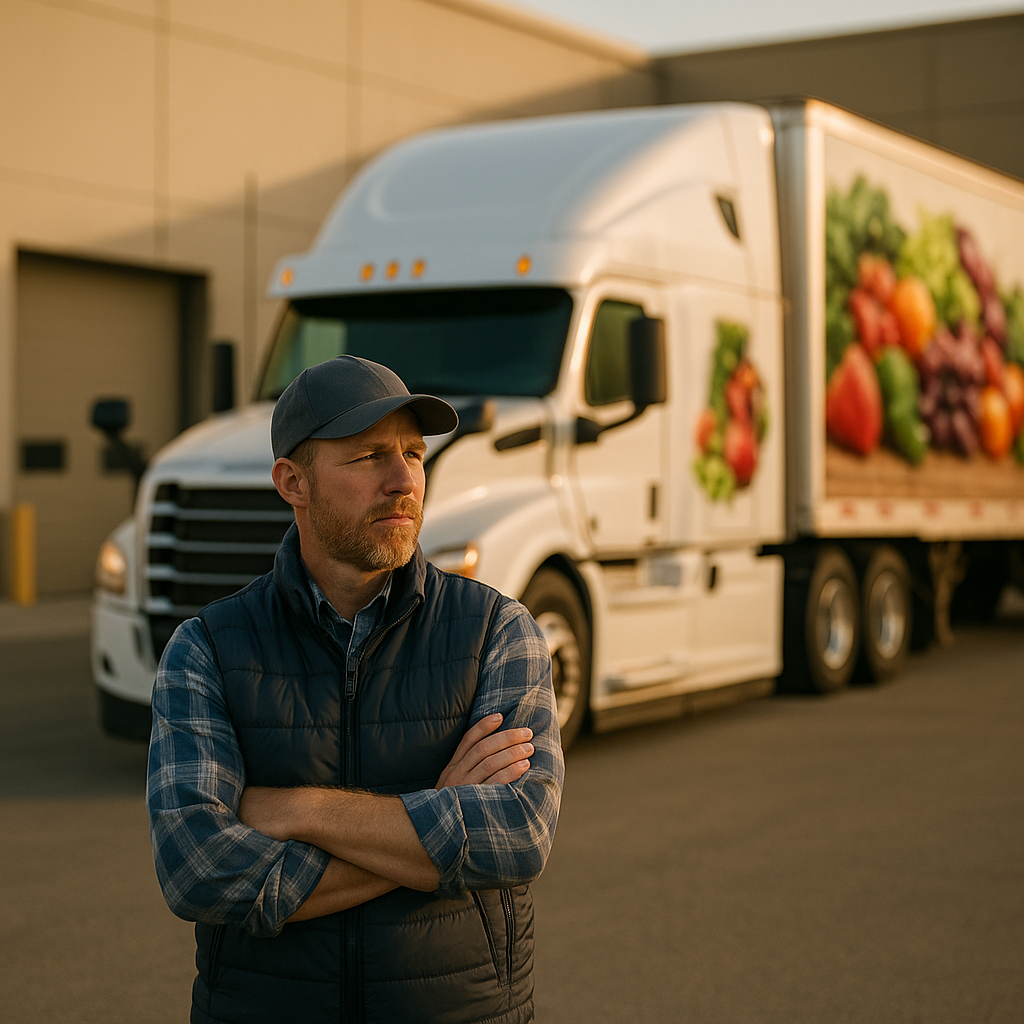
Hero image placeholder: Owner/operator reviewing COI and policy documents at commissary desk
Food truck insurance requirements: law vs permits vs events (COI reality)
Food truck insurance requirements come from (1) state vehicle financial-responsibility laws, (2) city/commissary permits, and (3) event contracts that often require a COI and may specify limits like $1M/$2M general liability.
Most frustration comes from mixing up what’s legally required with what a venue demands. They’re not the same—and the venue usually wins because they control access to revenue.
The 3 requirement buckets (simple framework)
| Requirement type | Who sets it | What it usually includes | What happens if you don’t have it |
|---|---|---|---|
| Legal (driving/registration) | State law / DMV | Auto liability minimums | You can’t register/operate legally; tickets/impound risk |
| Permit/lease (city/commissary) | City, health dept, landlord/commissary | Liability limits, sometimes workers’ comp | Permit denial, lease violation, lost operating location |
| Event/venue contract | Festivals, markets, corporate clients | COI + limits + endorsements | Removed from vendor list (no sales) |
State minimums vary. For example, California publishes vehicle insurance requirements tied to legal operation and registration via the CA DMV: https://www.dmv.ca.gov/portal/vehicle-registration/insurance-requirements/.
What events and venues actually care about: the COI
Event COI requests commonly include $1M per occurrence general liability, additional insured status for the venue, and sometimes contract wording like primary & noncontributory or a waiver of subrogation.
- General liability limits: Often requested as $1M per occurrence / $2M aggregate (but it varies by contract).
- Additional insured: The venue wants protection under your policy for claims tied to your operations.
- Wording endorsements: Primary & noncontributory and waiver of subrogation show up in larger contracts.
Vendor packets can be very specific about proof timing, limits, and wording. Example (Davenport PDF): https://cdnsm5-hosted.civiclive.com/UserFiles/Servers/Server_6481372/File/Departments/City%20Admin/GENERAL%20CONDITIONS%20%20Food%20Trucks.pdf.
If you’re doing multiple events per month, build a repeatable COI process and keep your paperwork tight. For a plain-English breakdown of what venues mean (and what to request), see Certificate of insurance (COI) for events and vendors.
Quick tool: “Day-one must-have” vs “add within 90 days”
A practical rollout is to buy “day-one” coverage before your first service and add higher-limit or operational add-ons within 30–90 days as your real exposure shows up.
Day-one (don’t launch without these):
- Commercial auto (liability + physical damage if financed/valuable)
- General liability (+ product liability)
- Property/contents (at least the essentials)
Add within 30–90 days (as you scale exposure):
- Workers’ comp (as soon as you hire—rules vary by state)
- Equipment breakdown + spoilage (when you have refrigeration/generator risk)
- Umbrella (when you start doing higher-traffic events or corporate catering)
The 7 core food truck coverages (what they cover + typical limits)
A commercial food truck insurance package typically combines 7 coverages—commercial auto, general liability/product liability, property or a BOP, workers’ comp, equipment breakdown/spoilage, and umbrella—often built around event-friendly limits like $1M/$2M general liability plus state-required auto minimums.
Image placeholder: Coverage matrix table
Coverage matrix (skimmable on purpose)
| Coverage | What it protects | Typical limits (common, not universal) | Often required by |
|---|---|---|---|
| Commercial auto | Crashes, backing incidents, parking lot hits; theft/vandalism via physical damage (if purchased) | State-required liability minimums; higher limits often purchased | State law, lenders/lessors |
| General liability (GL) | Slip-and-fall near the window, damage to venue property | $1M / $2M is a common event ask | Events, cities, landlords |
| Product liability | Alleged foodborne illness, injury from food | Usually included with GL | Events/corporate clients |
| Property (contents/equipment) | Appliances, POS, signage, smallwares, inventory (depending on form) | Based on replacement cost/value | Commissary/landlords (sometimes) |
| BOP / package policy | Bundled GL + property; often the cleanest base package | Matches GL/property selections | Practical choice for most operators |
| Workers’ comp | Employee injury (burns, slips, cuts) + employer liability | Set by state rules and payroll | States; sometimes venues |
| Umbrella/excess liability | Extra liability limits above GL/auto | +$1M / +$2M / more | Larger events, corporate contracts |
What it is (plain English)
- Commercial auto: Covers the truck-as-a-vehicle (driving, parking, backing, collisions).
- GL/product liability: Covers customer and third-party claims tied to your operations and food.
- Property/BOP: Covers your business gear and build-out, not just the chassis.
- Workers’ comp: Covers employee injuries, and it’s state-driven.
- Umbrella: Extra limits for “one big claim” exposure.
Why it’s essential (cash-flow view)
A food truck can have a great week and still lose money if you get one serious loss that shuts you down or triggers legal defense costs.
- One backing accident at setup
- One burn injury claim
- One “we got sick” allegation (even if you did nothing wrong, defense costs are real)
- One generator failure that spoils inventory before a weekend festival
Who needs it (exactly)
- One-truck owner-operators: You still need the foundation—especially auto + GL.
- Catering-heavy trucks: Umbrella becomes important earlier because clients tend to require higher limits.
- Multiple drivers: Commercial auto underwriting gets stricter fast (MVRs, experience, frequency).
Pro tip (bundling usually wins)
A Business owner’s policy (BOP) for food trucks is often the most efficient way to combine liability + property so you’re not buying a patchwork of policies that don’t line up during a claim.
How much does commercial food truck insurance cost in 2026? (and what drives the price)
In 2026, many one-truck U.S. operators see total premiums land roughly between $3,500 and $15,000 per year depending on garaging ZIP, truck value/build-out, drivers, and how often they work higher-traffic events with stricter COI requirements.
Image placeholder: Cost drivers chart + regional risk map
2026 planning ranges for a one-truck operation (broad guidance)
These are planning ranges I see most often when quotes are built with realistic limits (not bare-minimum coverage), but your actual premium will depend on underwriting and your state.
| Coverage line | Common 2026 planning range (annual) | What usually pushes it higher |
|---|---|---|
| Commercial auto | $2,500–$10,000+ | Dense metro garaging, claims/MVR issues, expensive truck + physical damage, multiple drivers |
| GL + property (often via BOP) | $800–$3,500 | Higher limits, more events, higher revenue/foot traffic, higher property values |
| Workers’ comp | $0–$4,000+ | Higher payroll, class codes, state rules, prior claims |
| Equipment breakdown + spoilage | $150–$900 | High refrigeration dependence, higher spoilage limits, more expensive electrical systems |
| Umbrella | $300–$1,800+ | Higher umbrella limits (+$2M, +$5M), tougher venues, higher auto/GL risk profile |
If you want a deeper explanation of what underwriters rate (and why premiums move), see How much does business insurance cost?. For general consumer background on auto insurance concepts, the NAIC overview is also useful: https://content.naic.org/consumer/auto-insurance.

“By state” without fake precision: a practical estimating framework
Instead of chasing a single “average,” estimate whether you’re Low / Medium / High cost using your local legal environment, theft exposure, and venue requirements.
| What changes by state/region | What to look at | What it does to cost |
|---|---|---|
| Auto legal environment | Higher claim severity, higher minimums, dense traffic | Pushes auto premiums up |
| Theft/vandalism exposure | Overnight parking risk, break-ins, catalytic theft | Pushes physical damage up |
| Venue requirements | Higher limits and more endorsements | Pushes liability/umbrella up |
| Weather & seasonality | Storm/hail areas; long slow seasons | Affects physical damage + revenue stability |
What drives your price the most (ranked)
- Garaging ZIP + overnight storage (secure lot vs street parking)
- Driving record + number of drivers (one careful driver is simplest)
- Truck value + build-out cost (wraps, fryers, generator, hood system)
- Event calendar (high-traffic festivals = higher severity exposure)
- Annual revenue and operations (more sales often = more foot traffic + claims potential)
How to save money (without cutting the wrong coverage)
- Bundle smart: GL + property in a BOP/package is often cheaper and cleaner in claims.
- Insure the right value: Underinsuring your build-out is how “cheap” becomes expensive.
- Tighten driver controls: Named drivers only; basic training and rules for backing/spotting.
- Document safety like an underwriter: fire suppression inspections, maintenance logs, temperature logs.
- Shop early (30–60 days before renewal): last-minute quoting costs money and creates gaps.
Exclusions, claim surprises, and where to buy (so you don’t learn the hard way)
Most avoidable food truck coverage gaps are fixable with a 30–60 day lead time, because carriers often need time to re-underwrite drivers, update equipment values, and add COI endorsements like additional insured or primary & noncontributory.
Most claim heartbreak comes from assumptions—not bad luck.
Common exclusions and gaps to watch
- Personal auto doesn’t equal commercial auto: Many personal policies exclude business use, which can trigger a denial when you need coverage most.
- Wear-and-tear isn’t equipment breakdown: Maintenance neglect and gradual deterioration are common denial reasons.
- Contents vs vehicle: Your auto policy may not cover your gear inside the truck the way you think.
- Wrong driver, wrong coverage: “My buddy drove it once” can become a coverage issue if the policy is written for named drivers only.
Real-world claim scenarios (quick reality check)
Scenario 1: Backing accident at event setup
Covered if: commercial auto liability is in place and the driver is properly rated/covered.
Common surprise: damage to your own truck may require physical damage (comp/collision).
Scenario 2: Customer alleges illness after catering
Covered if: GL/product liability is in place (and you notify the carrier fast).
Common surprise: defense costs matter even if you did nothing wrong—save receipts, batch logs, and communications.
Scenario 3: Generator shorts, fridge warms, inventory is trashed
Covered if: equipment breakdown + spoilage (or an endorsement) is in place and the cause fits the policy.
Common surprise: some policies have sublimits for spoilage and electronics—confirm before peak season.
Where to buy: what matters more than the logo
You can buy coverage through a local agent, a broker who shops multiple carriers, or an online quoting platform. The key is to compare like-for-like limits and confirm you can produce the exact COI endorsements your venues demand.
If you want to shop efficiently without creating coverage gaps, use a structured process to Compare business insurance quotes.
Quick note for trucking operators who also run “real trucks”
If you also operate hotshot, box truck, or semi units, your trucking insurance knowledge helps—but food trucks are rated differently because your biggest exposure is often foot traffic + product/liability, not long-haul miles.
Next steps: build a COI-ready commercial food truck insurance package
A COI-ready setup usually starts with commercial auto plus liability, then adds correctly valued property coverage so your build-out (not just the chassis) is insured at replacement cost.
If you remember one thing: your “requirements” usually come from (1) state driving laws, (2) your commissary/city permit, and (3) the event contract you’re trying to get paid at.
A fast, practical build order
- Step 1: Start with Commercial auto insurance for food trucks so you’re legally operational.
- Step 2: Add GL/product liability that matches event expectations and is easy to certify via Certificate of insurance (COI) for events and vendors.
- Step 3: Add property (often via a BOP) that matches the real replacement cost of your equipment and build-out.
- Step 4: Add exposure-based coverage: workers’ comp if you hire, and breakdown/spoilage if refrigeration or generators can shut you down.
Related reading (to tighten your package fast):
- Understand the coverage behind most event requirements with Food truck general liability insurance.
- Use a clean onboarding/renewal process with a Small business insurance checklist.
- If your biggest operational risk is a generator or refrigeration failure, read up on Equipment breakdown insurance.
- If you want the simplest “one policy does most of it” structure, start with Business owner’s policy (BOP) for food trucks.
Practical CTA: Get your limits and COIs lined up before the next festival—quote it with the same limits across carriers so you can compare apples-to-apples.
Frequently Asked Questions
These answers cover the most common commercial food truck insurance questions, including typical event limits like $1M/$2M general liability and the COI/endorsement details vendors get asked for.
Most food trucks need commercial auto, general liability (usually including product liability), and property coverage for equipment and contents, because events commonly require a COI showing $1,000,000 per occurrence / $2,000,000 aggregate GL. Add workers’ comp as soon as you have employees (rules vary by state and sometimes by contract). If your operation depends on a generator or refrigeration, add equipment breakdown/spoilage so a mechanical failure doesn’t wipe out a weekend. If you cater or do large festivals, an umbrella policy is often the easiest way to meet higher-limit requirements.
In 2026, many one-truck operators budget roughly $3,500–$15,000 per year for a realistic package, with commercial auto often the biggest line item and GL/property (often via a BOP) next. Your price changes most with garaging ZIP, overnight storage, truck value/build-out, number of drivers, and how many events require higher limits or endorsements. The cleanest way to estimate is to request quotes using the same limits, deductibles, and listed drivers, then compare coverage forms and exclusions—not just the premium. For a structured approach, use Compare business insurance quotes.
Commercial auto insurance is usually required for food trucks because they’re commercial-use vehicles, and personal auto policies commonly exclude business use. Minimum liability limits are set by your state’s financial responsibility laws and enforced through registration/operation rules; for example, California lists its requirements on the CA DMV site: https://www.dmv.ca.gov/portal/vehicle-registration/insurance-requirements/. Even when the state minimum is low, venues may still require higher limits and a COI to vend. If you’re building your package, start with Commercial auto insurance for food trucks.
Generator, fryer, and refrigerator breakdown is not automatically covered by commercial auto because auto coverage mainly addresses vehicle losses like crashes, theft, and vandalism. Coverage for kitchen equipment failure typically comes from property coverage and/or equipment breakdown, and spoiled inventory may require a spoilage endorsement and can be subject to sublimits. Many policies also exclude wear-and-tear or maintenance-related failures, so the cause of loss matters. Before your busy season, confirm equipment schedules, spoilage limits, deductibles, and claim triggers in writing; this overview on Equipment breakdown insurance helps you ask the right questions.
Conclusion: Build commercial food truck insurance around your COI requirements
Commercial food truck insurance works best when it’s built backward from your real-world requirements: state auto rules, city/commissary permits, and the event contracts that demand COIs and endorsements. Start with commercial auto, add GL/product liability and correctly valued property, then add workers’ comp, breakdown/spoilage, and umbrella based on exposure.
Key Takeaways:
- Build your “base” first: commercial auto + GL/product + property (often via a BOP).
- Assume events may ask for $1M/$2M GL and additional insured on the COI—plan for it upfront.
- Shop quotes apples-to-apples (same limits and drivers) to avoid hidden coverage gaps.
If you’re renewing soon, start 30–60 days early so there’s time to fix driver listings, values, and COI wording before the next big event.





