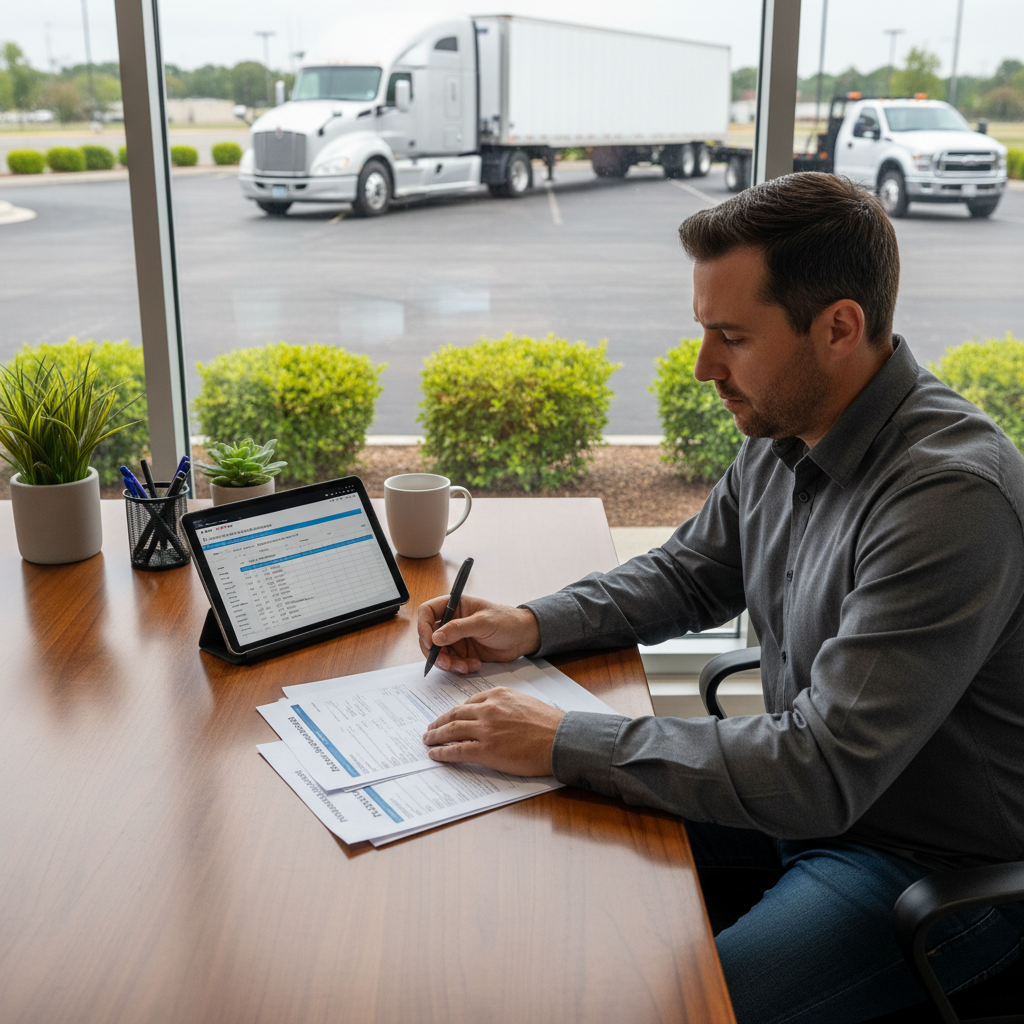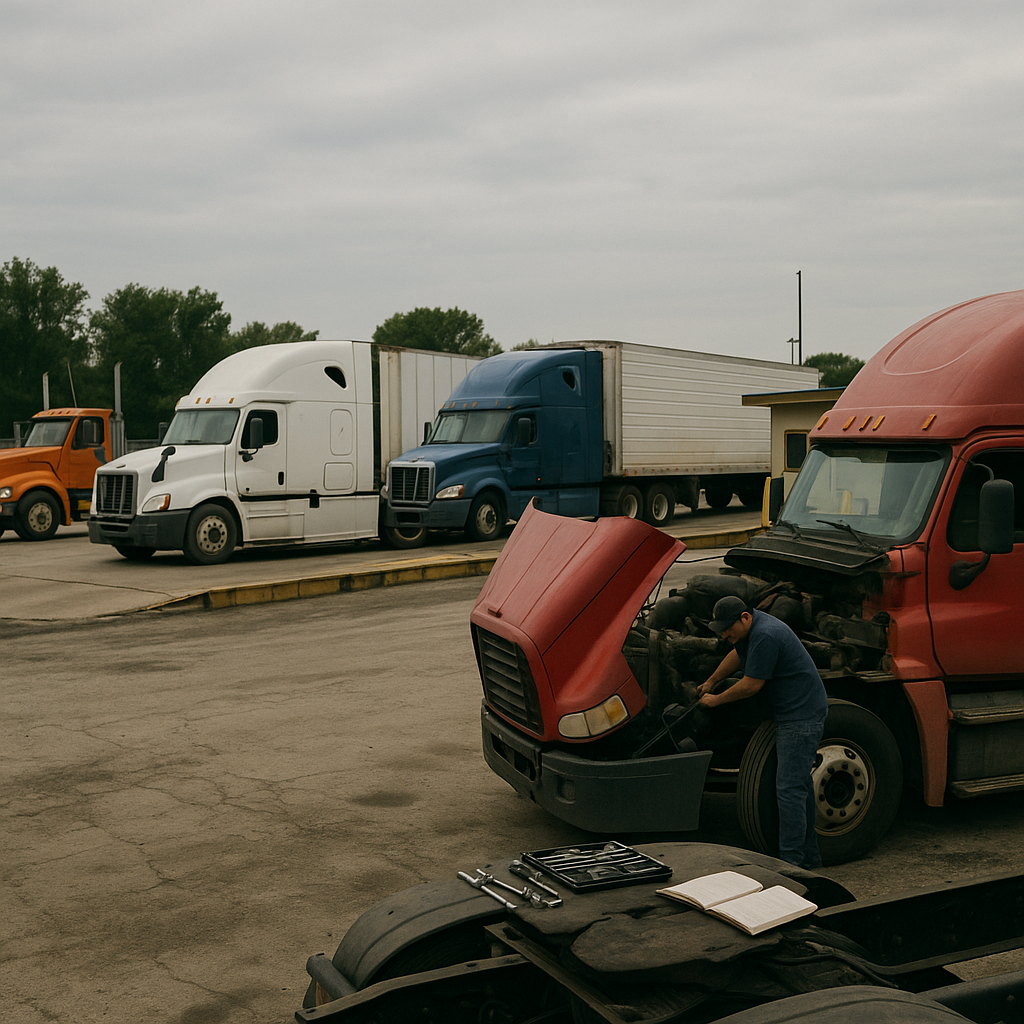

Dry van business costs usually run deeper than truck payments, trailer rent, and fuel. If you’re budgeting a one-truck dry van operation, you need to separate startup cash from monthly overhead, then account for insurance, compliance, deadhead, maintenance, and the slow weeks that wreck thin margins.
Dry Van Business Costs: What You’re Really Budgeting For#
Dry van business costs fall into two buckets: startup costs you pay before or around launch, and ongoing costs you carry every month the truck runs. Most one-truck operators underestimate the second bucket, because the visible expenses are the truck, trailer, and fuel while the hidden ones show up later in insurance, repairs, admin, and empty miles.
A dry van operation is usually a tractor hauling enclosed van trailers for general freight. This guide is built for owner-operators and small fleets, especially one-truck businesses trying to budget the first year without guessing.
Startup costs vs ongoing costs#
Startup costs are the one-time or front-loaded expenses tied to getting legal, getting equipment, and getting the first load. That can include down payments, initial lease or finance commitments, registration, plates, authority filing, and the first insurance bind.
Ongoing costs are the expenses that keep showing up whether the month is great or rough. Fuel, maintenance, tires, insurance installments, bookkeeping, dispatch tools, tolls, taxes, and deadhead all live here.
Why dry van budgets get underestimated#
Dry van looks simple from the outside, which is exactly why budgets get missed. A lot of operators build a plan around “truck, trailer, fuel, and go,” then get hit by compliance fees, repair reserves, cargo-related insurance needs, and unpaid repositioning miles.
That hurts most in the first year, when cash is tight and one bad week can throw off the whole month. If you’re not accounting for empty miles and timing gaps between bills and load payments, the business can feel profitable on paper and still stay short on cash.
Who this guide is for#
This guide is for for-hire dry van operators running one truck, plus small fleets trying to build a realistic budget. For-hire means you haul freight for someone else in exchange for payment.
If you’re still choosing between intrastate and interstate authority, buying versus leasing, or using your own trailer versus pulling someone else’s, those choices change your cost structure in a big way. That’s where most “average cost” articles stop being useful.

Startup Costs: Truck, Trailer, Paperwork, and First Insurance Bind#
Your startup costs are the first-year cash demands that hit before the truck starts producing steady revenue. The big buckets are equipment, trailer setup, authority and registration, and the initial insurance bind that often decides whether you can move forward on schedule.
Buy vs lease vs finance#
Buying a truck with cash gives you the most control, but it ties up capital you may need for repairs, insurance, and working cash. Financing spreads the cost out, but it adds a fixed monthly obligation and may leave you paying for major repairs on top of the note.
Leasing can lower the upfront hit, but the structure matters. Some leases improve short-term cash flow while creating less flexibility if freight slows down or the equipment doesn’t fit your lanes.
Newer trucks often bring a higher payment with less early repair risk. Used trucks can reduce the upfront burden, but they can shift more of your first-year budget into downtime, maintenance, and cash reserves.
Trailer ownership and equipment basics#
A dry van trailer can be owned, financed, leased, or supplied through the freight arrangement. That choice changes both your startup cash needs and your insurance setup.
If you own the tractor or trailer, you’ll usually care about
because it protects the equipment itself from covered loss like collision or other damage depending on the policy. Physical damage is insurance for your truck or trailer, not for the freight inside it.
Some operators don’t realize trailer costs also include tires, brakes, lights, door hardware, flooring wear, and damage claims. A trailer that looks simple on the lot can still turn into a steady maintenance line item once it starts moving every week.
Authority, registration, and permits#
Federal and state paperwork costs are real startup costs, even though they don’t feel as tangible as a truck payment. A USDOT number is the identifier FMCSA uses to track safety and operating information for carriers, while an MC number is the operating authority number used for certain for-hire interstate carriers.
If you’re running interstate for-hire freight, you may need federal operating authority through FMCSA. You may also need state registration, apportioned plates, fuel tax setup, and other filings depending on where and how you operate.
Some of these costs are business-setup costs that apply no matter what freight you haul. Others depend on your state, your operating radius, your vehicle weight, and whether you’re running interstate or intrastate.
The insurance bind is where many startups feel the biggest strain. A bind is the initial step that puts the policy in force once the insurer agrees to cover the risk and the required payment is made.
Recurring Operating Costs: Fuel, Maintenance, Insurance, and Admin Overhead#
Recurring dry van business costs are the monthly and weekly expenses that determine whether your revenue actually turns into profit. For most solo operators, the biggest buckets are fuel, maintenance, insurance, and the admin overhead that keeps the business compliant and moving.
Fuel and deadhead miles#
Fuel stays near the top of the list because it’s tied directly to miles run, idle time, route choice, and driving habits. Even small differences in speed, idling, terrain, and stop frequency can change your cost per mile fast.
Deadhead miles are empty miles driven without a paying load. They matter because the truck is still burning fuel, adding wear, and using driver time while bringing in no load revenue.
Dry van operators often get in trouble by budgeting only loaded miles. If your lanes force long empty repositioning after delivery, your real cost per loaded mile rises whether or not the posted linehaul rate looked good.
Maintenance and tires#
Maintenance is one of the easiest costs to ignore when things are going well. Then a repair cluster hits, and the whole budget starts living off a credit card or reserve account.
You need a line item for preventive maintenance, not just breakdowns. Oil service, filters, brakes, tires, alignments, lights, and trailer repairs all belong in the monthly plan, even if the exact timing moves around.
Tires deserve their own attention because one bad month can stack replacements fast. The same goes for unscheduled downtime, which doesn’t just cost repair money – it also kills revenue on the days the truck can’t move.
Insurance, back office, and compliance#
Insurance is a major recurring cost bucket, and it changes based on your operation, cargo, radius, driving history, equipment, and liability setup. A dry van operator may need auto liability, cargo, equipment protection, and in some cases
depending on how and when the truck is used.
Bobtail liability generally applies when the tractor is being driven without a trailer in business use, while non-trucking liability generally applies to non-business use only. Neither one covers paid hauling.
Freight inside the trailer is a separate exposure from the truck itself, which is why
comes up so often in dry van operations. Motor truck cargo coverage protects the freight you haul for others, subject to the policy terms, exclusions, and limits.
Back-office costs add up too. Dispatch software, load boards, bookkeeping, tax prep, bank fees, compliance tracking, phone service, document management, and permit renewals all count, even if none of them look dramatic by themselves.
A lot of one-truck operators learn this the hard way: a business can stay busy and still bleed cash through scattered overhead. The line items may seem small one by one, but together they can change your break-even point more than you expect.
What Changes the Cost Most: Route, Region, Freight Mix, and Equipment Choice#
Dry van business costs can swing hard based on where you run, what freight you haul, and how you source equipment. There isn’t one national average that tells you much, because a one-truck budget changes with lane balance, deadhead exposure, state costs, and the kind of equipment risk you take on.
State and regional differences#
Operating state matters because registration, taxes, toll exposure, and insurance conditions can vary. Intrastate authority means authority limited to hauling within one state, while interstate authority means crossing state lines or hauling freight tied to interstate commerce.
Regional freight balance matters just as much. Some lanes reload easily, while others leave you driving long empty stretches to find the next paying load.
Load type and market mix#
Dry van freight isn’t all the same. Contract freight, spot freight, drop-and-hook work, brokered loads, dedicated lanes, and customer-direct work all hit your cash flow and utilization differently.
A lane that looks decent on rate can still perform badly if wait time, detention, and reload gaps are constant. Low-paying freight mixed with high empty-mile exposure will distort your cost per mile fast.
New vs used vs lease decisions#
New equipment usually shifts your budget toward fixed payments and away from early repair surprises. Used equipment may reduce the payment burden while increasing maintenance volatility.
Leased equipment can help with startup access, but it may limit flexibility depending on the terms. The right choice depends less on which option is “best” in general and more on your working capital, repair tolerance, and lane plan.
Dry Van Insurance and Compliance: The Cost Bucket Drivers Miss#
Dry van insurance and compliance costs depend on what kind of carrier you are, what the truck weighs, what cargo you haul, and whether you run interstate or intrastate. State minimums and federal trucking requirements are not the same thing, and that confusion leads a lot of owner-operators to budget the wrong number.
A state minimum is the lowest liability limit allowed under a state’s insurance rules for that operation. Commercial auto liability is the coverage that pays for bodily injury and property damage you cause to others in a covered crash.
FMCSA vs state minimums#
If you’re a for-hire interstate carrier hauling general freight in vehicles over 10,001 pounds, federal minimum financial responsibility rules apply under 49 CFR Part 387 and are administered through FMCSA. Under that framework, the common federal minimum for that specific operation is $750,000 in public liability, but that is not a universal rule for all trucking.
Requirements vary by carrier type, vehicle weight, cargo, and whether you operate interstate or intrastate. Hazmat, lighter vehicles, private carriage, auto hauling, and state-only operations can fall under different requirements.
You can check carrier status and operating information through SAFER. SAFER is FMCSA’s public system for looking up carrier registration and safety-related information.
What coverage usually matters for a dry van operation#
Most dry van owner-operators need to think beyond liability only. Depending on the operation, the main buckets often include
cargo, physical damage, and sometimes general liability if a contract or shipper requires it.
General liability is coverage for certain non-driving business liability exposures, not crashes involving the truck on the road. Cargo and trailer-related exposures are separate from your personal auto assumptions, which is why dry van budgets get messy when someone relies on advice that only half applies.
If you’re trying to sort out state insurance concepts versus trucking-specific federal rules, NAIC is a useful plain-language source for how insurance regulation works at the state level. Then you still need to match that to trucking-specific requirements.
How quote structure changes the budget#
Two quotes can look similar and still leave you with very different risk. Deductibles, exclusions, trailer assumptions, cargo limits, covered drivers, garaging, and payment terms all change what the policy really does for your budget.
This matters even more in a one-truck business, where one uncovered loss can wipe out months of working capital. If you’re not sure what coverage fits your operation, LogRock can help you scope it.
How to Estimate Break-Even and First-Year Profitability#
Break-even for a dry van business starts with a simple monthly budget, then turns into a per-mile target based on realistic loaded and empty miles. The goal isn’t to promise profit – it’s to figure out how much revenue the truck needs before it starts carrying the business instead of draining it.
Build a simple monthly budget#
Start with fixed costs that show up whether the truck runs or not. That includes truck and trailer payments, insurance installments, software, bookkeeping, phone, parking if applicable, and other recurring overhead.
Then layer in variable costs tied to miles and activity. Fuel, maintenance, tires, tolls, driver pay if you have one, and load-related expenses belong here.
Estimate break-even per mile#
Take your monthly fixed costs and divide them across the miles you realistically expect to run, not the miles you hope to run. Then add the variable cost per mile.
That gives you a working break-even target. From there, compare the target against the revenue mix you actually expect from your lanes, freight sources, and deadhead pattern.
| Cost bucket | Type | How to think about it |
|---|---|---|
| Truck and trailer payments | Fixed | Due even in a slow week |
| Insurance and compliance | Fixed | Often front-loaded or installment-based |
| Fuel and tolls | Variable | Rises with miles, idling, and route choice |
| Maintenance and tires | Variable | Better treated as a reserve, not a surprise |
| Admin and back office | Fixed | Small items that add up monthly |
Stress-test for slow weeks and repairs#
A break-even number isn’t enough unless you pressure-test it. Use a lower-mile month, a repair-heavy month, and a week with weak rates to see how quickly the budget gets tight.
Insurance timing matters too. A policy that fits the operation can still strain cash flow if the payment schedule collides with slow receivables, maintenance, and tax obligations.
Ways to Lower Dry Van Costs Without Creating Hidden Risk#
The safest way to lower dry van business costs is to improve utilization, control fuel and maintenance, and read insurance quotes carefully. Cutting the wrong expense can backfire fast, especially when the “savings” come from coverage gaps, deferred maintenance, or bad freight choices.
Reduce deadhead and idle time#
The cleanest cost win is usually better planning. Tighten your reload strategy, avoid freight that strands you in weak outbound markets, and pay attention to dwell time at shippers and receivers.
Shorter empty repositioning and less idle time can improve your cost per mile without changing your truck note or insurance bill. That’s a real operating gain, not just a spreadsheet trick.
Control maintenance and fuel spend#
Preventive maintenance is cheaper than emergency downtime most of the time. Budget for service intervals and build a repair reserve before you need it.
Fuel discipline matters too. Route planning, speed control, idle reduction, and smarter fueling habits can do more for margin than chasing a slightly better-looking load that creates extra empty miles.
Compare quotes and coverage carefully#
The cheapest-looking insurance option can create the most expensive surprise later. Make sure you understand the liability setup, cargo assumptions, deductibles, trailer treatment, and any gaps around non-business use or borrowed trailers.
Your actual premium depends on your operation, cargo, radius, driving history, and other factors. If you’re not sure how to compare policies,
Dry Van Cost FAQs#
Dry van rates, profit potential, and operating drawbacks all depend on lane choice, freight mix, and cost control. The questions below answer the most common comparisons drivers make when deciding whether dry van fits their business plan.
What are dry van rates right now?#
Dry van rates change constantly by lane, season, freight demand, capacity, fuel conditions, and how much deadhead you absorb to get the load. That’s why one national number usually isn’t useful for budgeting a real operation.
A better approach is to compare the current spot market and any contract opportunities in the specific lanes you expect to run. Then back into your own break-even using loaded miles, empty miles, fuel, maintenance, insurance, and wait time. A load only “pays well” if it still works after the empty repositioning and delay around it. For startup planning, build your budget around conservative lane assumptions instead of one standout rate you saw online.
What makes more money, a flatbed or a dry van?#
Flatbed can produce higher revenue in some lanes, but it often comes with more work, more weather exposure, securement requirements, and a different operating rhythm. Dry van is usually simpler to run, easier to access, and less physically demanding, but it can face heavier rate pressure in crowded lanes.
The better fit depends on your market, your freight relationships, your tolerance for loading and securement work, and your equipment plan. Higher gross revenue doesn’t automatically mean higher net profit. If flatbed brings more hassle, more empty miles, or more downtime in your lanes, dry van may still be the better business.
What are the disadvantages of dry van shipping?#
Dry van’s main drawbacks are competition, rate pressure in some lanes, and lower freight specialization compared with more niche trailer types. Because so many carriers can haul standard dry freight, it’s easier for pricing to get squeezed when capacity loosens.
There are also margin issues tied to empty miles, detention, and trailer security. Cargo theft risk, trailer damage, and unpaid waiting time can eat into what looked like a decent run. Dry van is flexible, which is a strength, but that same flexibility can make it harder to protect margin unless you’re disciplined about lane selection, reload planning, and cost control.
What is the cheapest way to start a food truck?#
A food truck is a different business model from a dry van trucking operation, so the cost structure isn’t comparable. Food trucks deal more with buildout, health permits, commissary rules, local vending restrictions, and menu economics than with freight lanes, cargo, and trucking authority.
In general, the lowest-cost path is usually a used truck or trailer, a simple menu, and a tight buildout budget that avoids custom features you don’t need yet. Permit costs, kitchen requirements, and local rules vary a lot by city and state. If you’re researching freight trucking, don’t let food-truck startup articles distort your expectations – they’re solving a completely different problem.