

Dry van driver jobs are some of the most common CDL-A openings on the market, but the job ads can blur together fast. One listing says local, another says regional, another flashes a huge pay number, and half of them never clearly explain what the day-to-day work actually looks like.
This guide breaks down what dry van driving is, when you need a CDL, how to search for real openings near you, and how to compare pay and job quality without getting misled by generic recruiting language.
What Dry Van Driver Jobs Actually Involve#
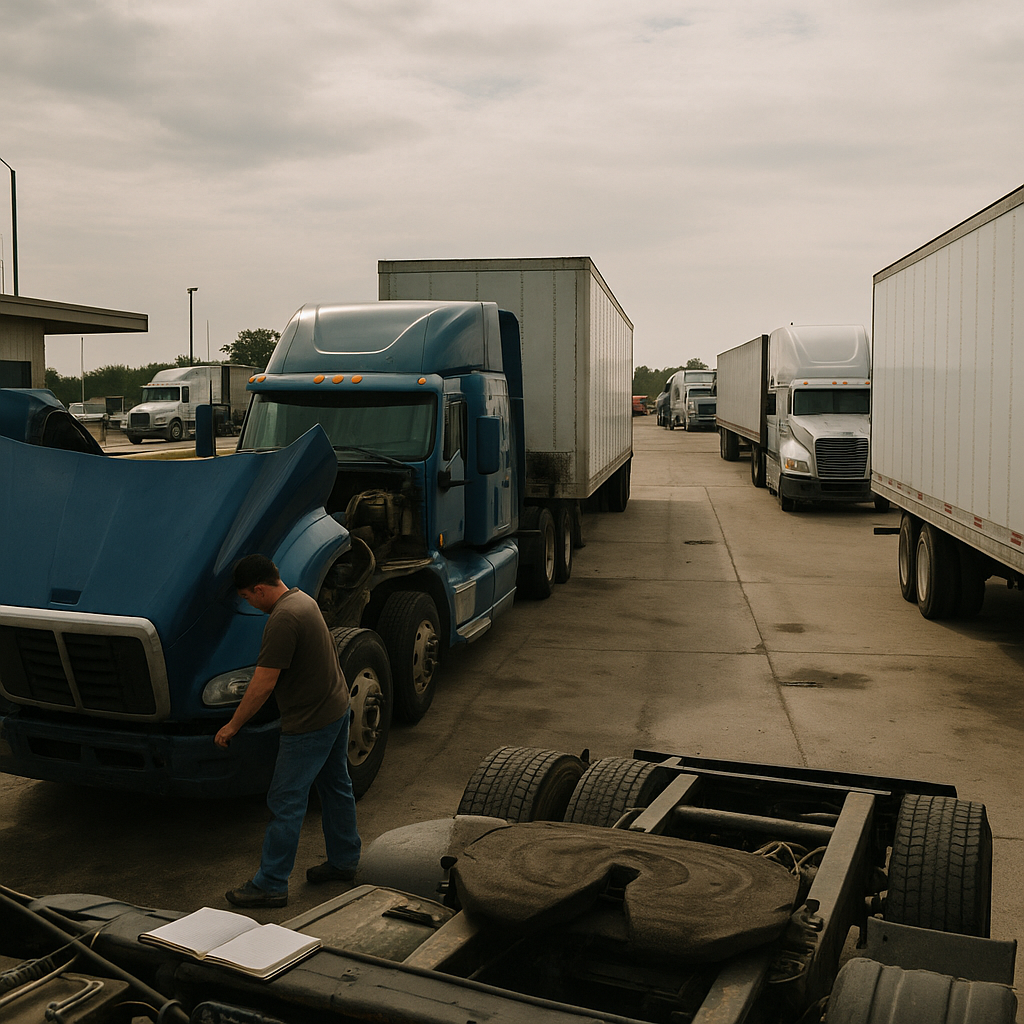
Dry van driver jobs usually mean hauling general freight in an enclosed trailer behind a tractor. A dry van is a standard enclosed freight trailer that protects cargo from weather and road exposure, and the work often includes inspections, paperwork, dock waits, and freight checks along with driving.
Under 49 CFR Part 390, a commercial motor vehicle is defined by how it’s used and its size, not by whatever label a job board puts on the ad. That matters because a true dry van role usually means tractor-trailer freight work, not just any delivery job with an enclosed vehicle.
What the trailer does and what it carries#
A dry van trailer is the basic box-shaped semi trailer most people picture when they think of freight. It usually carries palletized general freight, packaged goods, retail freight, paper products, and other non-temperature-controlled loads.
The main advantage is simple: the freight stays enclosed and protected. That usually means less weather exposure than flatbed work, but it doesn’t mean the day is easy or predictable.
Typical load, inspection, and delivery duties#
Most dry van jobs involve more than sitting in the seat and turning miles. Drivers often handle pre-trip and post-trip inspections, check trailer condition, confirm bills of lading, monitor seal numbers when required, and keep an eye on load placement and obvious cargo shift risks.
Loading and unloading depends on the shipper, receiver, route, and carrier setup. Some jobs are mostly drop-and-hook, which means swapping a loaded trailer for an empty one, while others involve live loading, live unloading, long dock waits, or some driver assist.
How the job differs from box truck and cargo van work#
This is where a lot of people get mixed up. A box truck is a straight truck with the cargo box attached to the chassis, while a cargo van is a smaller van used for lighter delivery work. Neither is the same thing as a CDL-A dry van tractor-trailer job.
A dry van driver usually runs a combination vehicle, often interstate, with a different licensing and safety standard than many box truck or cargo van roles. If a listing mixes terms like dry van, straight truck, local delivery, and non-CDL in the same ad, slow down and read the equipment details carefully.

Do You Need a CDL for Dry Van Driving?#
Most interstate dry van driver jobs require a CDL-A because they involve operating a tractor-trailer combination vehicle. A CDL-A is the commercial driver’s license class that covers combination vehicles above the federal threshold, but you should still confirm the exact truck, trailer, route, and job structure in the listing.
Federal CDL standards sit under FMCSA rules and 49 CFR Part 383. In plain terms, if the job is true over-the-road or regional tractor-trailer dry van work, it’s usually CDL-A territory.
When CDL-A is required#
If the role involves a semi and enclosed trailer moving freight across state lines, expect a CDL-A requirement. That’s the norm for dry van jobs tied to OTR, regional, and many dedicated routes.
Some local freight jobs also require CDL-A even if the route stays short. The deciding factor isn’t whether the route feels local. It’s the vehicle class and operation.
Why job ads sometimes mention endorsements or experience#
A lot of dry van jobs don’t require special endorsements, but some carriers still prefer extra credentials or prior experience. That’s why you may see ads saying no experience accepted but CDL required, or dedicated account available for recent graduates after training.
That isn’t a contradiction. It usually means the carrier is open to newer CDL holders, not unlicensed applicants.
How to tell if a listing is truly dry van work#
Look for the equipment description first. If the ad clearly says tractor-trailer, dry van, no-touch freight, drop-and-hook, live load, OTR, regional, or dedicated route, you’re probably looking at real dry van freight.
If the ad leans on vague wording like delivery driver, logistics driver, sprinter van, cargo van, straight truck, or independent courier, it may not be the kind of dry van role you’re actually searching for.
How to Search for Dry Van Driver Jobs Near You#
The best way to find dry van driver jobs near you is to search by city, metro, terminal, and hiring radius instead of relying only on “near me.” In trucking, “near me” can mean local day cab work, a regional job with weekly home time, or an OTR role that just recruits from your ZIP code.
Start with your actual operating area. Search by city and state, then widen to the nearest freight hubs, terminals, and major interstates.
Use city, state, and terminal-based searches#
Instead of stopping at “Dry van driver jobs near me,” try your city, nearby cities, and the closest major market. Searches like Ashburn, Leesburg, a broader Virginia market, or the nearest terminal city can surface very different openings.
Some carriers hire by terminal network, not by your exact hometown. If a company says it has openings in your area, confirm whether that means there’s a terminal nearby or whether they simply route trucks through your region.
Filter by home time, route type, and experience level#
Job boards are full of ads that look local until you read the details. Filter for local, regional, OTR, dedicated route, recent graduate, or minimum experience so you don’t waste time on roles that don’t fit your life.
This is where a lot of drivers get frustrated. A “home weekly” ad might still mean long regional runs and a wide hiring radius, and a “dedicated” ad may depend on whether an account is actually open in your area. If you’re also thinking ahead about running under your own authority later,
Check whether “near me” means local, regional, or relocatable#
Before you apply, check three things: where the truck is domiciled, what the hiring radius is, and how home time is actually scheduled. A local job should clearly describe daily return-to-home expectations. A regional job should define the operating area. An OTR ad in your city may just mean the carrier recruits there.
You can also verify whether a carrier is active and review its public profile through SAFER. SAFER is FMCSA’s public carrier lookup system, and it’s a useful way to check authority status and basic company information before you get too far into the application process.
What Dry Van Jobs Pay in 2026#
Dry van driver jobs pay in very different ways, so the headline number alone doesn’t tell you much. Actual earnings depend on experience, route type, miles, detention, bonuses, equipment availability, and whether you’re looking at a company driver seat or an owner-operator opportunity.
That’s why two ads can both look attractive and still produce very different weekly income. You have to read past the first number.
Why pay ranges vary so much#
A local dry van job may trade miles for more home time. An OTR position may offer more mileage potential but also more time away from home. A dedicated route may feel steadier, but the earning pattern depends on the account, freight consistency, and whether the schedule is built around live loads, drop-and-hook, or customer delays.
Owner-operator dry van opportunities are even harder to compare because gross revenue isn’t the same thing as take-home pay. Fuel, maintenance, insurance, trailer terms, and deadhead all change the picture.
How to read CPM, salary, and weekly pay claims#
CPM means cents per mile, the mileage-based pay structure common in trucking ads. A weekly guarantee means the carrier promises a minimum amount under certain conditions, while salary usually means a fixed pay arrangement tied to a specific route or account.
Each structure has tradeoffs. CPM can look strong on paper but depend heavily on dispatch quality and miles. Salary can be stable, but you need to understand the workload behind it. Weekly claims can sound great until you ask what assumptions they’re based on.
What to watch for in big-number job ads#
If an ad pushes a huge annual or weekly number, ask what has to happen for a driver to actually hit it. Is it based on team driving, unusually long OTR runs, a special dedicated account, a sign-on incentive, or a top-end scenario for experienced drivers only?
If the posting isn’t clear, treat it like a starting point, not a promise. Ask for typical weekly miles, pay after training, detention policy, layover policy, and how many drivers on that account actually run the schedule being advertised. If you’re comparing company driving with ownership plans down the road,
Dry Van vs Flatbed: Which Fits Your Work Style?#
Dry van and flatbed are both common CDL-A paths, but the daily workload feels different. Dry van usually means enclosed freight, less weather exposure, and simpler cargo protection, while flatbed usually means more securement work, more physical effort, and more time dealing directly with open-deck freight.
Neither is automatically better. The right fit depends on what kind of workday you can live with week after week.
Freight handling and physical effort#
Flatbed often demands more from your body. Drivers commonly handle chains, straps, binders, edge protection, and sometimes tarps. That can mean more climbing, lifting, and working around awkward freight.
Dry van is usually less physically intense, but not always effortless. Dock delays, trailer inspections, freight checks, and live load schedules can still wear you down in a different way.
Weather exposure and securement differences#
This is one of the biggest quality-of-life differences. Flatbed drivers spend more time outside securing and protecting freight in heat, cold, rain, and wind.
Dry van drivers usually avoid tarping and open-deck securement, but they still deal with trailer condition, seals, doors, cargo shift concerns, and receiver schedules. The work is often less exposed, not stress-free.
Route consistency and day-to-day workload#
Some drivers like flatbed because the freight can pay more in certain situations and the work feels more hands-on. Others prefer dry van because it tends to be more standardized and easier to step into, especially for newer drivers.
If you care most about less physical securement and a more common freight lane structure, dry van may fit better. If you don’t mind tougher load work and want to compare access to higher-paying specialized freight later, flatbed might be worth a closer look.
Best Dry Van Job Types to Consider#
The best dry van driver jobs depend on how you want to live, not just what the ad says you can earn. The main choices usually come down to solo or team, local or regional or OTR, and whether you want general freight or a dedicated account.
Think about home time first, then experience fit, then pay structure. That order usually leads to better decisions than chasing the loudest headline.
Solo vs team driving#
Solo driving means one driver runs the truck and schedule. Team driving means two drivers share the truck so it can keep moving more consistently, which can increase revenue potential but also changes sleep, privacy, and routine.
Team jobs can work well for the right pair, but they aren’t for everybody. A big pay claim tied to a team setup shouldn’t be compared directly with a solo position.
Regional vs OTR vs local#
Regional jobs usually cover a defined multi-state area with more frequent home time than OTR. OTR means long-haul freight across wider areas, often with more nights away from home. Local jobs typically get you home daily, but they may involve tighter schedules, more city driving, and more customer stops.
Dedicated route jobs sit in their own category. A dedicated route is freight tied to a specific customer or account, which can mean steadier lanes and a more predictable routine than general freight.
Dedicated accounts and no-experience openings#
If you’re new, dry van can be one of the more realistic entry points because many carriers train or hire newer CDL holders into standard freight lanes. But not every dry van opening is truly entry-level.
Some dedicated accounts want clean work history or prior tractor-trailer time because the customer expects consistency. New drivers should ask whether the role is actually open to recent CDL school graduates or only to applicants with verified experience.
How to Evaluate a Dry Van Job Offer#
A good dry van job offer should make sense on pay, equipment, freight, and home time all at once. The best way to compare offers is to look past recruiting language and ask what a normal week really looks like in that seat.
This is where drivers save themselves a lot of regret. The ad gets you interested, but the details tell you whether the job is livable.
Benefits, equipment, and freight quality#
Ask what trucks the fleet runs, how maintenance is handled, and whether trailers are company-owned, customer-based, or pooled. Older equipment isn’t always a deal-breaker, but poor maintenance and constant breakdown delays can wreck both earnings and quality of life.
Also ask what kind of freight you’re really hauling. General dry van can mean smooth drop-and-hook retail freight, or it can mean constant live loads with long waits and thin communication.
Home time and dispatcher expectations#
Get specific about home time. Weekly home time can mean a short reset at home, not a full weekend. Every-other-week can mean more or less depending on freight flow and where you live relative to the lanes.
Dispatch support matters just as much as the pay package. Ask how preload planning works, how detention is handled, and what happens when a load falls apart late in the day.
Questions to ask before you apply#
Before you move forward, ask for:
- Typical weekly miles
- Percentage of drop-and-hook versus live load
- Detention and layover policy
- Average trailer age and maintenance process
- Hiring radius and actual home-time pattern
- Whether the account is steady year-round
Those answers usually tell you more than the ad did.
How to Apply and Get Ready for the Next Step#
Applying for dry van driver jobs goes smoother when you gather your details before you start. Most carriers want your CDL information, work history, address history, license details, and basic employment timeline ready up front.
That doesn’t mean you should rush. It means you should be organized enough to compare offers clearly.
Documents and info to gather#
Have your CDL class, issuing state, medical card status, and recent work history ready. If you’re an experienced driver, be prepared to list prior carriers, equipment type, and any gaps in employment.
If you’re newer, know the date you finished training and what kind of driving your school prepared you for. That helps you sort realistic entry-level openings from ads aimed at experienced drivers.
How carriers screen applicants#
Most carriers screen for license status, background fit, motor vehicle history, and prior employment verification. They may also look at whether your experience matches the route and freight they need covered.
That doesn’t mean every screening process is identical. But if the ad is vague, the follow-up conversation should get more specific fast.
What to ask after the application#
Once you apply, ask what the next call will cover and what the real route looks like. Confirm the home-time pattern, freight type, truck assignment, and whether the opening is still active for your area before you invest more time.
FAQ#
What CDL job can I make $3000 a week?
You can reach that level in some CDL jobs, but it usually depends on a very specific setup rather than a normal baseline for all drivers. Team driving, specialized freight, unusually strong dedicated accounts, high-mileage OTR schedules, or owner-operator revenue models can all produce big weekly numbers under the right conditions.
The key is to ask what the number is based on. Is it solo or team? Gross or net? Does it include bonuses? Is it for top performers only? Compare total compensation, miles, time away from home, and out-of-pocket costs before treating a headline number like a typical week.
What pays more, a flatbed or a dry van?
Flatbed often pays more than dry van in some markets because the work usually involves more physical effort, more securement responsibility, and more weather exposure. Drivers may handle straps, chains, binders, and tarps, which adds labor and skill compared with many standard dry van loads.
But more pay doesn’t automatically mean a better job. Dry van can still be the better fit if you want enclosed freight, less outdoor securement work, and a broader range of entry-level opportunities. The smarter comparison is pay relative to workload, home time, and how sustainable the job feels for you.
What is dry van driving CDL?
Dry van driving usually means hauling freight in an enclosed tractor-trailer, and most interstate versions of that job require a CDL-A. The trailer protects cargo from weather, which makes dry van one of the most common forms of general freight transportation.
People sometimes confuse dry van driving with box truck or cargo van work, but they’re not the same role. A true dry van CDL job usually involves a semi, trailer inspections, shipper and receiver appointments, paperwork, and standard over-the-road, regional, local, or dedicated freight movement.
Does Walmart offer $110,000 salary to new drivers?
A big salary number like that may be tied to a specific route, hiring market, experience requirement, or compensation scenario, so don’t assume it applies to every new driver. The smart move is to verify the exact posting details before treating the number as typical.
Ask whether the role is open to true new CDL holders or only to drivers with prior tractor-trailer experience. Also check whether the figure reflects salary, projected annual earnings, activity-based pay, bonuses, or a top-end outcome. In trucking, the structure behind the number matters as much as the number itself.
Are dry van driver jobs good for new CDL-A drivers?
Yes, dry van is often one of the more accessible starting points for new CDL-A drivers because it involves common freight and a wide range of carrier openings. Many entry-level programs and training fleets use dry van lanes to bring newer drivers into over-the-road or regional work.
That said, not every dry van job is beginner-friendly. Some dedicated routes, premium accounts, or higher-paying regional positions still want verified experience. Read the ad closely, then ask whether the role truly accepts recent graduates or whether “entry level” only means lower experience than the carrier usually wants.





