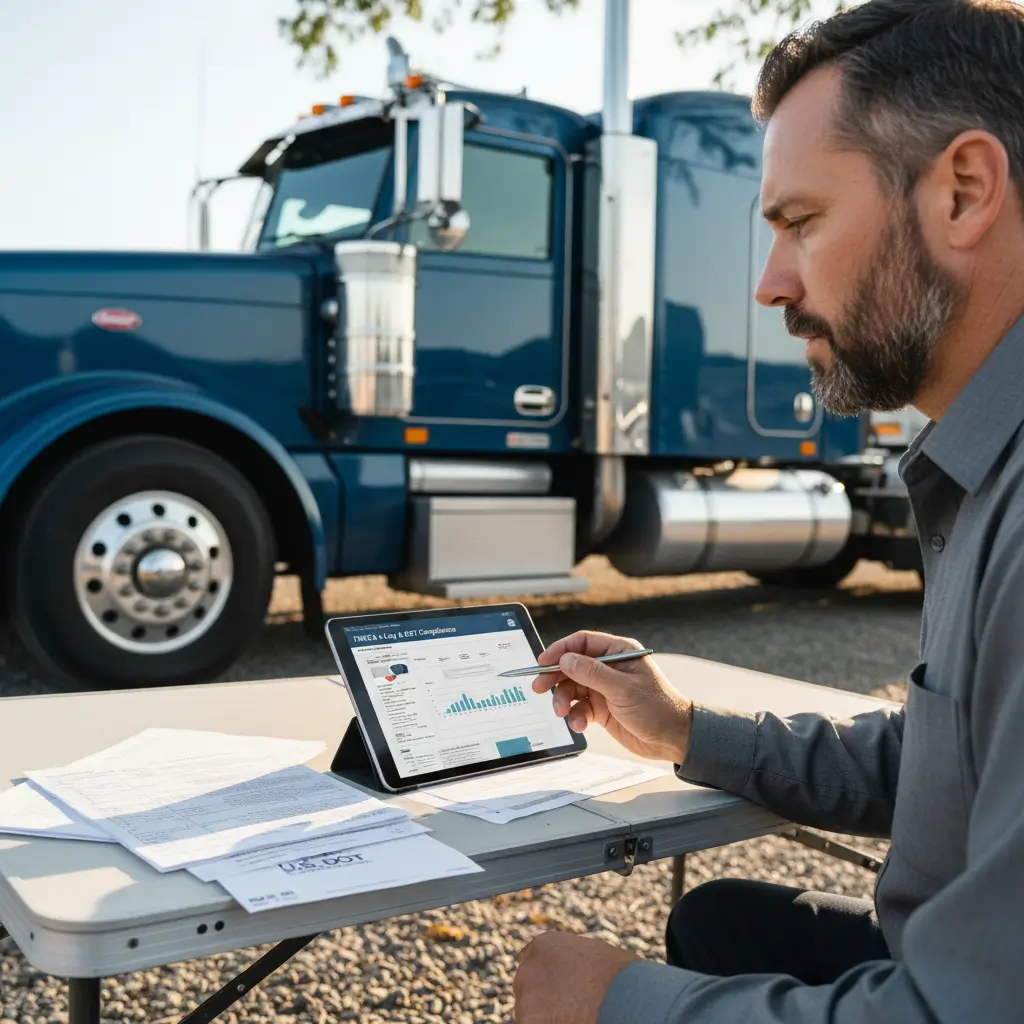
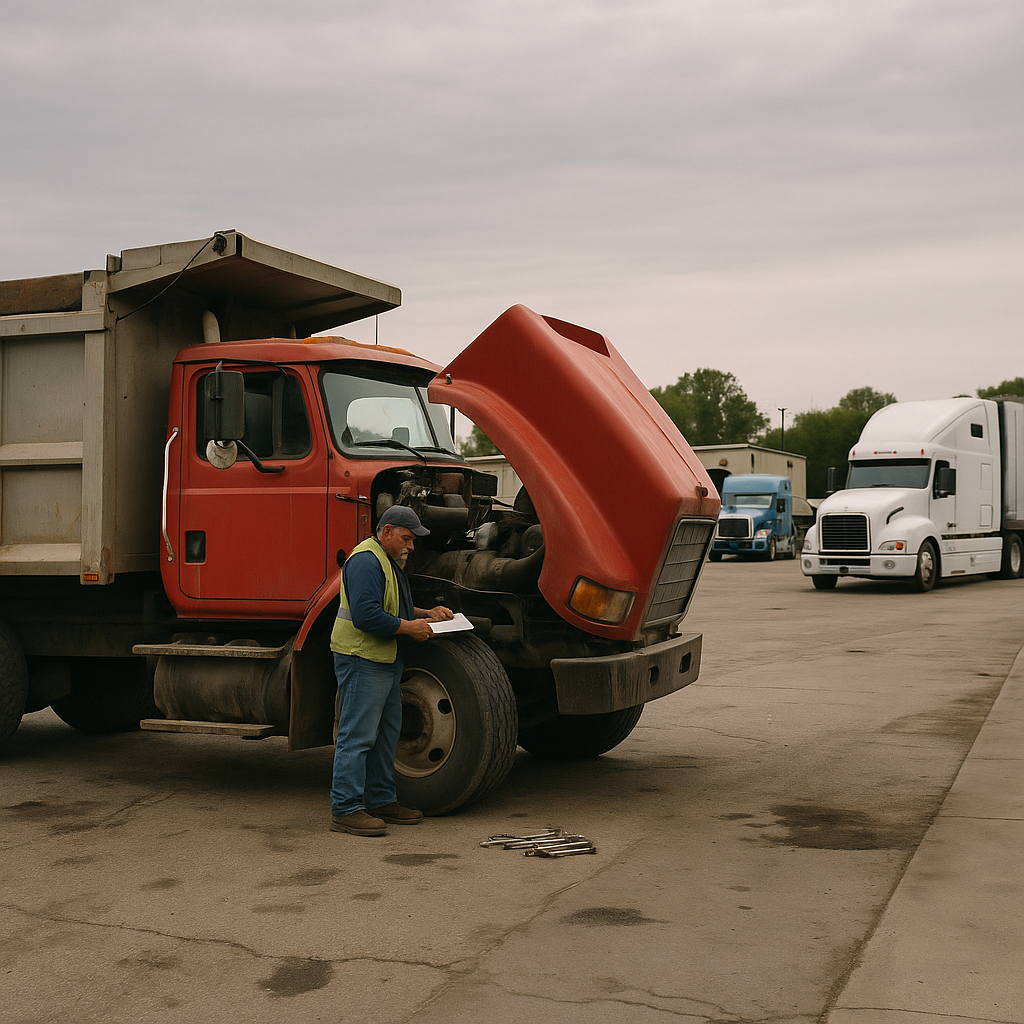

Dump truck business costs can look simple at first: buy a truck, find loads, get paid. In real life, the truck is only the first big check. The costs that decide whether you stay in business are fuel, insurance, maintenance, permits, financing, and the cash reserve you keep for bad weeks.
This guide breaks down startup costs, recurring costs, insurance, pricing, and break-even planning for owner-operators and small fleets. The goal is to help you separate gross revenue from actual take-home profit before you commit to a truck.
What a dump truck business really costs#
A dump truck business really costs more than the purchase price of the truck. Your full cost picture includes the truck, body condition, registration, taxes, insurance, fuel, repairs, financing, permits, software, and cash reserves. If you only budget for the truck payment, you’re setting yourself up for a cash squeeze.
Most new operators miss the split between startup costs and operating costs. Startup costs are the checks you write before the truck starts working. Operating costs are the bills that keep showing up every week, month, and year whether the truck had a good month or a slow one.
Startup costs vs ongoing operating costs#
Startup costs usually include the truck purchase or down payment, sales tax where applicable, title and registration, business formation, bookkeeping setup, launch paperwork, initial insurance down payment, and any immediate repairs or upfit work. If you buy used, the “ready to work” cost can be a lot higher than the sale price once you catch up tires, hydraulics, lights, tarp systems, and preventive maintenance.
Ongoing costs include fuel, maintenance, loan payments, insurance installments, permits, renewals, tolls, scale fees, office tools, and downtime. These are the numbers that control survival after the excitement of launch wears off.
FMCSA sets federal safety and operating rules for commercial motor carriers, and those rules can affect both startup and compliance costs depending on how you operate, whether you cross state lines, and what equipment you run. If your operation falls under federal rules, your costs may include registration, compliance tracking, and insurance requirements tied to your operating authority and equipment class, according to FMCSA.
Why cash flow matters more than revenue#
Cash flow is the money left at the right time to pay bills. A truck can invoice well on paper and still put the owner in trouble if fuel cards, repairs, insurance, and loan payments come due before customer payments land.
That’s why gross revenue can fool people. A truck might stay busy and still not create much owner income after debt service, maintenance, and downtime. The problem isn’t always low rates. Sometimes it’s weak reserves, too much truck payment, or poor utilization.
What changes costs by state, truck type, and work mix#
Costs change fast based on geography, truck spec, and work type. One state may have different registration, tax, or insurance conditions than another. Local hauling can look very different from regional work, and dirt, aggregate, demolition, asphalt, and municipal work don’t all wear equipment the same way.
A used single-axle truck doing light local work has a different cost profile than a tandem-axle truck running heavy material every day. The bigger point is simple: don’t ask, “What does a dump truck business cost?” Ask, “What will my operation cost in my market with my truck and my work mix?”

Startup costs: getting the first truck on the road#
The biggest startup cost is usually the truck, but getting the first dump truck on the road takes more than signing a purchase contract. You need to budget for the down payment, taxes and registration, mechanical catch-up, safety gear, launch paperwork, and enough cash to survive the first stretch of uneven work. The truck price is only the headline number.
Buying new vs used#
New trucks usually mean a higher purchase price and a larger payment, but they may give you better predictability early on. Used trucks usually lower the entry price, but they can shift cost into repairs, downtime, and catch-up maintenance almost immediately.
That’s the tradeoff a lot of startups underestimate. A used truck that looks affordable can get expensive fast if the dump body is tired, the hydraulics leak, the PTO has issues, or the tires are near the end of their life. In dump work, those aren’t cosmetic problems. They’re work-stopping problems.
Look closely at the frame, hoist, cylinder, electrical, lighting, tarp system, suspension, brakes, and body floor. If the truck needs service before it can safely haul, that cost belongs in your startup budget, not in some vague “we’ll deal with it later” bucket.
Down payment, taxes, and registration#
A down payment is the upfront cash you pay before financing covers the balance. That cash requirement changes what you can realistically buy, because a lower purchase price doesn’t always mean a lower startup burden if the truck needs immediate work.
On top of the purchase, budget for sales tax where applicable, title, registration, plates, and any state fees tied to commercial use. A state Department of Motor Vehicles may handle some of this process, and the exact fees and paperwork vary by state.
If your operation requires federal registration, confirm your status and basics before launch. A USDOT number is the identification number FMCSA uses to track safety and operating information, and an MC number is operating authority for certain for-hire interstate carriers. You can verify carrier status and registration basics through SAFER, which helps avoid starting work with paperwork gaps.
Equipment, upfit, and safety gear#
The dump body is part of the business, not an accessory. Startup budgeting should include body condition, hydraulics, PTO components, controls, tarp system, lights, mud flaps, backup alarms, tool storage, chains, binders, and other gear needed for the jobs you plan to take.
Safety gear matters too. Fire extinguishers, triangles, PPE, and jobsite-required equipment are small compared with the truck itself, but they still add up. If a contractor or site requires extra gear and you don’t have it, that can delay your first loads.
One common mistake is treating initial repairs as optional. If the truck needs tires, brake work, lighting repair, hydraulic service, or steering components, that’s launch cost. It shouldn’t come out of the first month’s fuel money.
Business formation and launch paperwork#
Business formation is the process of legally setting up the company, often as an LLC or corporation depending on your advisor’s guidance. Beyond filing the entity, you may need an EIN, bookkeeping software, a business bank account, invoicing tools, and basic tax setup.
You may also need operating paperwork tied to your state or your hauling pattern. Requirements vary based on whether you operate intrastate or interstate, for-hire or private, and what kind of material you haul. Some operators only need state-level registration and local permits. Others need broader compliance planning.
This is where startup budgets go sideways. The owner buys the truck, pays the down payment, and assumes the rest is minor. Then insurance, registration, safety setup, office tools, and first repairs hit at once.
If you’re trying to scope the full picture before buying,
Recurring operating costs: the numbers that determine survival#
Recurring operating costs are the bills that keep your dump truck business alive or choke it. Fuel gets most of the attention because you see it every week, but maintenance, insurance, permits, renewals, and downtime can do just as much damage. The operators who last usually budget for all of it before the truck ever rolls.
Fuel and idling#
Fuel is often the most visible operating cost because it hits constantly. Dump work can also involve traffic, site waiting time, short-haul stop-and-go driving, and idling, which can make fuel use look worse than a simple mileage estimate suggests.
That matters because two trucks with similar work volume can have different fuel outcomes based on route density, wait time, terrain, and driver habits. A local truck stuck in lines at pits, plants, or jobsites may burn more unproductive time than a beginner expects.
If you’re building projections, don’t just ask how many miles you’ll run. Ask how many paid hours include waiting, staging, and idling that still burn fuel and wear the truck.
Maintenance and repair reserves#
A maintenance reserve is money you set aside regularly for service and repairs before the breakdown happens. In a dump truck business, this reserve isn’t optional. It’s part of the operating model.
Dump work is hard on suspensions, tires, brakes, hydraulic systems, electrical components, and body hardware. Even if your truck is reliable, preventive maintenance still costs money. If your truck isn’t reliable, the reserve is what keeps one repair from wiping out payroll or insurance money.
Downtime can hurt more than the repair bill itself. When the truck is down, you may still owe the payment, insurance, and fixed overhead while revenue stops. That’s why hoping repairs stay small is not a strategy.
Insurance as a recurring cost#
Insurance is not just a startup hurdle. It’s an ongoing business cost that can be paid monthly, financed, or structured with a down payment and installments depending on the policy and carrier.
For dump truck operations, insurance can be one of the bigger fixed costs in the monthly stack. It also changes based on the truck, radius, state, driver history, prior experience, hauling type, and whether you’re running one truck or a small fleet.
Your actual premium depends on your operation, cargo, radius, driving history, and other factors. The important planning point is to treat insurance like rent or a truck payment: something that has to be covered even in a slow month.
Permits, tolls, and administrative overhead#
Administrative overhead is the group of back-office costs required to keep the business running. That includes bookkeeping, invoicing tools, banking fees, document storage, ELD or telematics tools where needed, and software for dispatch or maintenance tracking.
Then there are permits, tags, plate renewals, fuel tax administration where applicable, tolls, scale-related costs, and job-specific paperwork. Some costs feel small alone, but together they become a meaningful monthly drag.
A lot of one-truck operators run the company from the cab, which is normal. But even lean operations need systems. If invoices go out late, documents get lost, or permits expire, the cost shows up in delayed cash flow and missed work.
Insurance costs and coverage gaps to plan for#
Insurance in a dump truck business is a recurring cost line, not a box to check once. Commercial truck insurance is different from personal auto insurance because it covers business use, heavier exposures, and contracts or regulations tied to trucking. A missing coverage can turn one claim, theft, or lender issue into a major cash-flow shock.
Primary liability and what it does#
Primary liability is the coverage that pays for bodily injury and property damage you cause to others in an at-fault crash. If your dump truck operation falls under federal financial responsibility rules, your minimum requirement depends on carrier type, vehicle weight, commodity, and whether you operate interstate or intrastate.
Under 49 CFR Part 387, for-hire interstate carriers hauling general freight in vehicles over 10,001 lbs must carry at least $750,000 in public liability. That number is not universal for all truckers. Requirements vary by carrier type, vehicle weight, cargo, and whether you operate interstate or intrastate.
Some dump truck operations are intrastate and may be governed more directly by state rules. That’s one reason two similar-looking businesses can face different insurance requirements. State-level insurance regulation and terminology can also vary, which the NAIC helps explain at a national level.
Physical damage and equipment protection#
Physical damage covers damage to your own truck, usually through collision and comprehensive coverage. Collision pays when the truck is damaged in an impact. Comprehensive covers non-collision losses such as theft, vandalism, or certain weather events.
If you financed the truck, the lender may require physical damage coverage. Even when it’s not required, going without it means one major loss could leave you with a truck loan and no working truck.
For dump operations, think beyond the tractor itself. Body condition, installed equipment, and attachments can affect how a loss hurts your business. That’s why insurance decisions should be made alongside financing and equipment choices, not after.
Cargo, general liability, and common gaps#
Cargo insurance covers damage to the property you’re hauling when that exposure applies to your operation. General liability covers certain non-driving business liability, such as premises or completed-operations style exposures, depending on the policy and operation.
Not every dump truck business needs the exact same package. What matters is matching coverage to the jobs, contracts, and hauling scope. If you change material type, add contracts with stricter terms, or move into different territory, the right coverage mix may change with it.
A common gap is assuming personal auto or a bare minimum trucking policy covers everything business-related. It usually doesn’t. Another is buying only what gets the truck legal while ignoring lender requirements, contract language, or property protection.
Why underwriting changes with truck count and operation type#
Underwriting is the insurer’s process for evaluating risk and deciding pricing and eligibility. When you move from one truck to two or more, the underwriting picture can change because the business now has more units, more drivers, and more moving parts.
Operation type matters too. Local hauling, interstate work, aggregate, debris, seasonal demand, and driver experience all affect how the risk is viewed. That doesn’t mean growth is bad. It means coverage should be reviewed before you add trucks or change the work mix.
If you’re not sure what coverage fits your operation, LogRock can help you scope it.
How revenue, pricing, and profit work in dump truck businesses#
Dump truck business revenue only tells part of the story. What matters is how you price work, how consistently the truck stays productive, and how much expense sits underneath every billed hour or load. A truck can invoice a lot and still leave the owner with thin take-home pay.
What dump truck companies charge#
Dump truck companies usually charge by the hour, by the load, by the day, or through a contract rate structure tied to distance, material, and site conditions. The right method depends on the job and the market.
Wait time, deadhead miles, traffic, material type, and site access all change the math. A rate that looks strong can weaken quickly if the truck spends too much unpaid time waiting at a quarry or sitting in a line to dump.
That’s why copying another operator’s rate is risky. A pricing model has to match your local market, your truck costs, and how efficiently you can turn the truck.
Revenue per day, week, and month#
Some operators think in daily gross, others in weekly cash flow, and others in monthly invoicing. You need all three views. A good day doesn’t tell you much if the month also included several unpaid weather days or a repair week.
Weekly and monthly views make it easier to see whether the business can absorb fixed costs. They also help you spot seasonality. Some dump operations stay steady. Others swing hard based on construction cycles, weather, and municipal demand.
Owner pay vs business profit#
Business profit is what remains after business expenses are paid. Owner pay is what the owner actually takes out of the business as compensation or distributions, depending on how the business is structured.
Those are not the same thing. A truck can show positive gross receipts and still produce weak owner income if debt service, repairs, fuel, and insurance eat the margin. On the flip side, an owner can pull cash out during a good month and still leave the business underfunded for the next repair.
Why utilization matters more than headline rates#
Utilization is how much of your truck’s available time turns into productive, billable work. This is where a lot of dump truck businesses win or lose.
A truck with a decent rate and strong utilization often beats a truck with a flashy rate but poor dispatch flow, lots of deadhead, or too much waiting time. Profit usually comes from consistent work and disciplined cost control, not from one big rate number.
Financing, loans, and cash-flow planning#
Financing changes your dump truck business costs by adding a fixed monthly obligation that doesn’t care whether work is strong or slow. The payment may make a better truck possible, but it also raises the amount of revenue you must produce just to stay current. That’s why the right truck on the wrong payment can still sink a startup.
How financing changes monthly cost#
A financed truck doesn’t just add principal and interest. It also affects insurance expectations, reserve planning, and how much flexibility you have during slow periods.
A higher payment can force you to chase any load that brings in cash, even if the work is a poor fit for the truck or margin. That’s how operators end up running hard without building real profit.
Choosing a payment you can survive slow weeks on#
The safer question isn’t “What’s the most truck I can qualify for?” It’s “What payment can this business survive in a bad month?” Construction delays, rain, repairs, and customer payment lag all hit cash flow.
A payment that works only when every week goes right is too aggressive. Your plan should still function when fuel runs high, work softens, or the truck loses several days to repairs.
Working capital and repair reserves#
Working capital is the cash available to cover normal operating needs. For a dump truck startup, that means fuel, insurance, payroll if applicable, minor repairs, admin costs, and the gap between doing the work and getting paid.
Repair reserves belong in the same conversation. Without them, every breakdown becomes a financing event or a missed payment risk. Several months of operating runway is more realistic than planning only for the first month after launch.
When to wait before adding a second truck#
A second truck adds opportunity, but it also adds complexity, insurance, maintenance exposure, and possibly another driver. If the first truck isn’t producing stable margins, the second one often multiplies the problem instead of fixing it.
Growth usually makes more sense when the first truck has steady utilization, reserves are healthy, and admin systems are already working. More demand alone is not enough.
How to estimate break-even and first-year profit#
You can estimate dump truck business break-even with a simple monthly model. Start with fixed costs, add variable costs, estimate realistic work volume, and then compare that total to expected revenue. The point isn’t to build a perfect spreadsheet. The point is to see whether the truck can support itself and still leave room for owner pay.
Build a simple monthly model#
Start with monthly fixed costs: truck payment, insurance, permits, software, bookkeeping, and any other recurring bills that show up whether you haul or not. Then add variable costs such as fuel, maintenance, tires, and job-related expenses that rise with use.
Next, estimate how many productive days, hours, or loads you can realistically bill in an average month. Be conservative. Don’t assume the truck will be fully booked from day one.
Estimate fixed and variable costs#
Fixed costs are usually easier to predict because they repeat. Variable costs need more discipline because they move with work volume and condition of the truck.
This is where many plans break. The owner counts fuel but underestimates tires, service intervals, brake wear, hydraulic repairs, and lost revenue from downtime. If you want a realistic first-year picture, build maintenance as a reserve line, not a surprise line.
Set a break-even revenue target#
Break-even revenue is the amount of monthly revenue required to cover all business costs before owner profit. Once you know your monthly fixed costs and your average variable cost per hour, day, or load, you can back into how much work the truck must produce.
That number becomes your planning benchmark. If your local market and realistic utilization can’t support it, the deal may not work as structured. You may need a different truck, lower debt, more reserve cash, or a different work mix.
Stress-test the plan for repairs and slow demand#
Stress-testing means running more than one version of the numbers. Build a best-case, base-case, and bad-case version of your first year.
Then change a few key variables. What happens if fuel climbs? What if insurance comes in higher than expected? What if the truck loses a week to repairs? What if rain kills several workdays? A plan that only works in the best case is not a plan.
By the end of this step, you should know whether the business supports true owner pay after all expenses, not just whether it can make the truck payment.
Common startup mistakes that raise costs fast#
The fastest way to blow up dump truck business costs is to make one bad decision and then let the follow-on costs pile up. Most expensive mistakes aren’t dramatic. They’re planning mistakes that look manageable until cash flow tightens. The good news is they’re usually avoidable.
Buying the wrong truck for the work#
A truck spec that doesn’t match the work will hurt you from day one. Too much truck can bury you in payment and operating cost. Too little truck can limit jobs, wear out faster, or force you into unprofitable loads.
Skipping maintenance reserves#
Skipping maintenance reserves doesn’t save money. It delays the pain until the repair is bigger and the downtime lasts longer. In dump work, downtime can eat profit faster than many new owners expect.
Underestimating insurance and compliance#
Insurance and compliance are where optimism gets expensive. If you budget like personal auto and casual business paperwork are enough, you’re likely underestimating what a commercial operation really needs.
Requirements vary by carrier type, vehicle weight, cargo, and whether you operate interstate or intrastate. A gap in the right coverage or registration can cost more than setting it up correctly from the start.
Taking on too much debt too early#
Too much debt removes your margin for error. It also makes growth look better on paper than it feels in the bank account.
Adding a second truck before the first one is stable is a common example. If the first truck still has unpredictable repairs, weak utilization, or thin cash reserves, expansion can magnify stress instead of creating profit.
Bottom line for owner-operators and small fleets#
Dump truck business costs make more sense when you stop treating the truck price as the whole story. Before you buy, budget for the truck, taxes and registration, startup paperwork, insurance, initial repairs, fuel, permits, admin tools, and a real reserve for maintenance and slow periods. That’s the minimum honest starting point.
After launch, watch recurring costs harder than purchase price. A cheaper truck isn’t always cheaper if it burns cash through downtime, repairs, or poor fuel performance. Strong cost control usually matters more than getting the lowest entry price.
If you plan to scale from one truck to a small fleet, do it after the first truck shows stable margins and dependable systems. Growth should follow proven cash flow, not just more demand.
FAQ#
How profitable is a dump truck business?
A dump truck business can be profitable, but profitability depends on utilization, pricing, fuel, maintenance, insurance, downtime, and debt service. Gross revenue alone doesn’t tell you much because a busy truck can still produce thin margins if it spends too much on repairs, financing, or unpaid wait time.
The real question is whether the truck produces enough consistent revenue to cover fixed and variable costs and still leave owner pay. A disciplined operator with the right truck, solid rates, and controlled overhead will usually have a much better shot than someone who buys first and figures out the math later.
How much do dump truck companies charge?
Dump truck companies usually charge by the hour, by the load, by the day, or under contract terms tied to route, material, and site conditions. There isn’t one universal rate because local demand, deadhead miles, wait time, and the type of material hauled all affect what a job is worth.
A good pricing model should account for more than drive time. It should also cover idling, loading delays, wear and tear, and the truck’s true operating cost. That’s why copying a competitor’s number without knowing your own cost structure can leave you busy but underpaid.
How much money do dump truck owners make?
Dump truck owners can make very different amounts depending on how much work they have, how they price it, what their truck payment looks like, and how much they spend on fuel, repairs, and insurance. Owner income is not the same as business revenue.
The better way to think about it is to separate owner pay from business profit. The business has to cover all operating costs, debt service, taxes, and reserves first. What’s left is what can support the owner. A truck with steady work and manageable overhead usually pays better than one with strong gross revenue but constant repair or financing pressure.
How to make $1000 a week with a pickup truck?
Making money with a pickup truck is a different business model than running a dump truck. A pickup may be used for hauling small loads, junk removal, local delivery, landscaping support, or towing-related work if done legally and with the right setup.
The main point is to match the vehicle to legal work, realistic demand, and the right insurance. Don’t assume pickup-truck work follows the same economics or compliance rules as dump trucking. Before chasing a weekly income goal, figure out your actual costs, what services your truck can perform safely, and whether your area has enough steady demand to support that plan.