
El Paso truck insurance makes more sense when you start with the freight, lanes, and authority behind the truck, not just a liability number. If you run I-10, haul across Texas, or operate under your own authority, your requirements and cost drivers can look very different from another truck parked next to you.
Start With the Work Your Truck Actually Does#
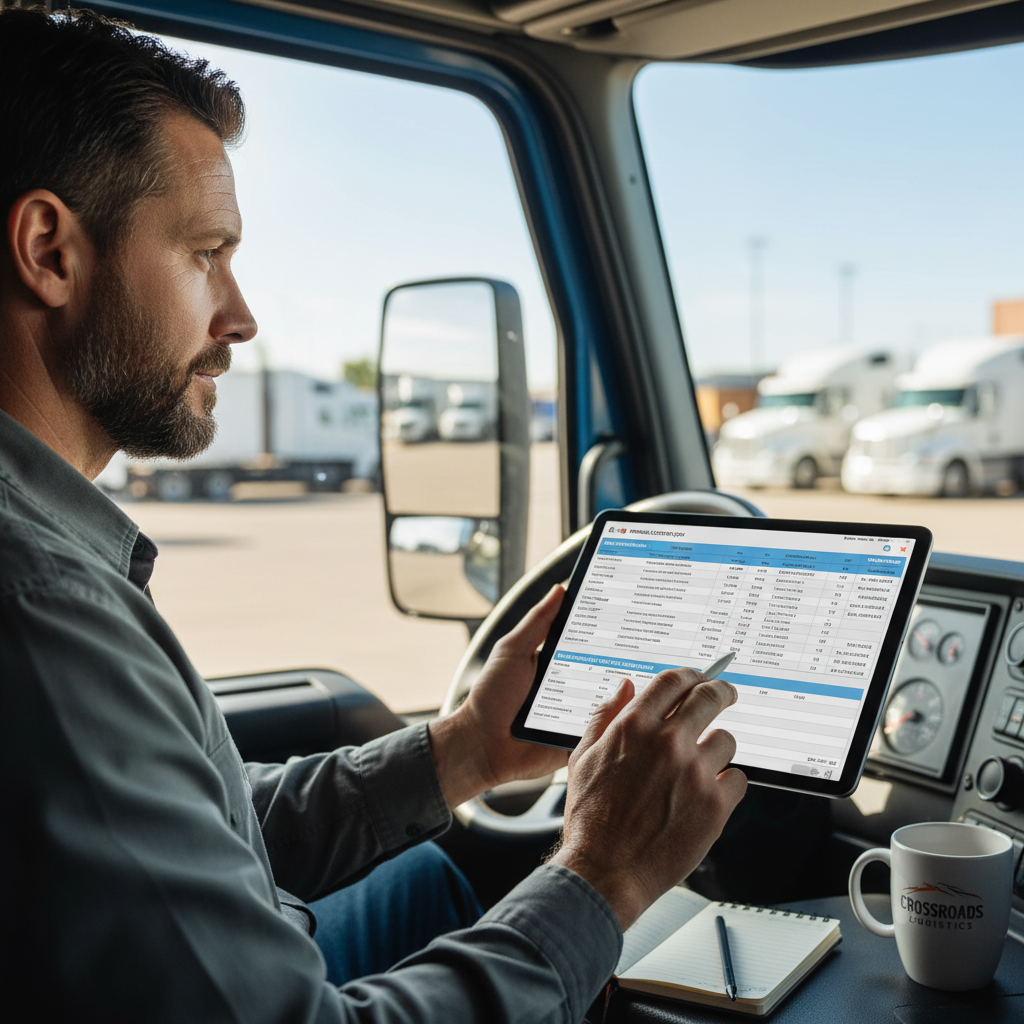
The right El Paso truck insurance starts with what the truck actually does every day. Before you compare policies, build a clear snapshot of your operation: authority status, cargo, radius, states traveled, truck and trailer details, driver history, and where the unit is parked when it’s off the road.
A motor carrier authority is FMCSA permission for certain for-hire interstate operations. A USDOT number is the identifier tied to safety and regulatory records for applicable carriers, and an MC number is the operating-authority number used in certain for-hire interstate situations.
Build an operational snapshot before comparing policies#
If you ask for “full coverage” without the operating details, you’re likely to get a rough answer that doesn’t match the real job. The basics matter: whether you’re leased on or running your own authority, what commodities you haul, how far you run, which states you enter, your garaging address, truck value, trailer ownership, driver history, and prior claims.
That snapshot tells an agent or underwriter what exposures actually exist. It also helps catch situations where one coverage matters a lot and another may not fit your operation.
El Paso lanes, I-10 exposure, and border-adjacent operations#
El Paso sits on a major freight corridor, and Interstate 10 changes the risk picture. Long runs, dense traffic, overnight parking, multistate exposure, and border-adjacent freight patterns can all affect how an insurer evaluates the account.
Be accurate about lane distance, where the truck is parked, and whether your operation stays in Texas or crosses state lines. If your work involves crossing into Mexico, intermodal moves, household-goods moving, driveaway, or last-mile operations, that can trigger coverage considerations outside LogRock’s standard appetite.
Owner-operator, leased-on, and own-authority scenarios#
A leased-on owner-operator usually has a different insurance setup than an owner-operator with active authority. A truck leased to a motor carrier may rely on the carrier for some coverages while still needing separate protection for non-working use, equipment, or trailer-related exposures.
A small fleet adds another layer because more units and more drivers usually mean more moving parts. Once you have multiple drivers, multiple trucks, or changing trailer arrangements, the insurance conversation has to match that added complexity.

Separate Texas Rules, FMCSA Rules, and Contract Requirements#
Texas intrastate rules, FMCSA interstate rules, and customer contract requirements are three separate questions. Don’t collapse them into one liability number, because the legal minimum, the filing requirement, and the limit a broker or shipper asks for may all be different.
Texas intrastate financial-responsibility requirements#
If you operate only inside Texas, verify Texas-specific motor-carrier insurance rules through the Texas Department of Motor Vehicles and, where relevant, the Texas Department of Insurance. Intrastate requirements should be checked separately from interstate FMCSA requirements.
A lot of confusion starts when drivers assume a state rule and a federal rule are the same thing. They aren’t. Your Texas-only operation needs to be scoped as intrastate first, then matched to the type of work you’re doing.
Federal requirements for interstate for-hire carriers#
For-hire interstate carriers may need FMCSA financial responsibility and insurer filings in place before authority becomes active. Under 49 CFR Part 387, the federal minimum depends on carrier type, vehicle weight, and cargo, not on a one-size-fits-all rule.
An MCS-90 is an endorsement tied to certain federally regulated motor carriers’ financial responsibility. Under 49 CFR Part 387, for-hire interstate carriers hauling general freight in vehicles over 10,001 pounds must carry at least $750,000 in public liability, while other operations can require different amounts, including higher limits for auto haulers or certain hazardous materials.
FMCSA also ties insurance filings to authority and financial-responsibility compliance. You can confirm program details and filing context through the Federal Motor Carrier Safety Administration.
Broker, shipper, terminal, and lease agreement requirements#
A broker, shipper, warehouse, terminal, or lease agreement can require limits or endorsements beyond a regulatory minimum. That’s common, and it’s why “what’s legally required?” isn’t the same as “what do I need to haul this load or sign this contract?”
A certificate of insurance is a document that shows evidence of coverage on a given date, but it is not the policy itself. Verify requirements based on your authority, commodity, and contracts instead of relying on a forum post, another driver’s personal setup, or a personal-auto liability limit.
| Requirement source | What it controls | What to verify |
|---|---|---|
| Texas intrastate rules | Texas-only operating compliance | Intrastate status, vehicle type, Texas rules |
| FMCSA interstate rules | Federal financial responsibility | Authority, weight, cargo, 49 CFR Part 387 |
| Customer contracts | Load or facility access terms | Requested limits, endorsements, COI wording |
Match Coverage to Your El Paso Trucking Operation#
The main coverages should match the exposures created by your truck, freight, authority, and trailer setup. For most El Paso operators, that means starting with auto liability, then adding cargo, physical damage, and situational coverages only where the operation creates the need.
Commercial auto liability for on-road accidents#
Commercial auto liability covers covered bodily injury and property damage liability arising from truck operations, subject to the policy terms and limits. This is the coverage most drivers mean when they talk about “liability,” but the right limit depends on your actual operation and any contract demands.
If you’re interstate, the FMCSA side matters. If you’re intrastate, Texas rules matter. If you’re hauling for brokers or shippers, their contract demands may matter just as much.
Motor truck cargo for freight you are responsible for#
Motor truck cargo covers certain loss or damage to customer freight while it’s in the carrier’s care, custody, or control, subject to exclusions, deductibles, and commodity restrictions. Cargo isn’t one-size-fits-all either, because the commodity matters.
High-value freight, temperature-sensitive loads, or commodity-specific exclusions can make a cheap-looking policy expensive when a claim happens. Always compare what cargo is actually covered, what is excluded, and whether the limit fits your highest likely load.
Physical damage and cash flow after truck damage#
Physical damage is coverage for damage to your insured truck, typically through collision and comprehensive causes, subject to deductibles and policy terms. Collision pays for covered impact damage, while comprehensive usually addresses non-collision causes like theft, weather, or vandalism.
LogRock writes collision with comprehensive or fire and theft plus CAC, not collision by itself. If there’s a lienholder, the lender may also require certain physical-damage terms, so stated value and deductible choices need to be realistic for your cash flow.
General liability and jobsite or premises exposure#
General liability is separate from truck auto liability and may help with certain third-party injury or property-damage claims not caused by covered driving operations, depending on the policy. Think loading dock incidents, office or premises exposure, or contract-driven non-auto requirements.
Many owner-operators don’t need every optional coverage they hear about. But some do need a combination that reflects how they load, unload, park, and access customer property.
Situational coverages for trailers, reefer units, and non-working use#
Situational coverages matter only when the operating arrangement creates the exposure. Trailer interchange applies when you use a non-owned trailer under a signed interchange agreement, while non-owned trailer physical damage is often the better fit when you use a trailer you don’t own without that signed interchange agreement.
Non-trucking liability, often called bobtail in casual talk, covers certain non-business use and does not cover paid hauling. Reefer or refrigeration breakdown applies when a refrigerated unit creates spoilage exposure tied to equipment failure.
If your coverage request is built around a number instead of the actual work, it’s easy to miss one of these gaps until after a claim or load rejection. If you’re not sure what fits your operation,
Understand What Drives El Paso Truck Insurance Costs#
El Paso truck insurance costs depend on the whole operation, not a universal rate card. Authority status, commodity, operating radius, equipment value, drivers, losses, parking, and requested coverages all affect how an insurer prices the risk.
Authority, commodity, and operating radius#
Own-authority business is often evaluated differently from leased-on business. The freight matters too, because commodity type changes cargo exposure, theft risk, claim severity, and sometimes required liability levels.
Radius matters because local, regional, and multistate operations don’t present the same exposure. If you regularly run Interstate 10 or broader Southwest lanes, disclose that clearly instead of using a narrower description that creates problems later.
Truck value, trailer arrangements, and deductibles#
More expensive equipment usually means more physical-damage exposure. Trailer ownership and whether you’re pulling your own trailer, a borrowed trailer, or a trailer under agreement can also change what coverage needs to be added.
Higher deductibles can change physical-damage cost sharing, but only choose a deductible you can actually absorb after a covered loss. A lower payment isn’t much help if a claim leaves you unable to repair the truck and get back on the road.
Driver records, prior claims, and safety controls#
Insurers look at driver experience, violations, accidents, and prior claims because those records help show loss potential. A small fleet also gets evaluated on who is driving each unit and how consistently drivers are screened and managed.
Good safety practices don’t erase a poor record, but they help explain the account. Maintenance habits, inspection discipline, and documented processes can all support a stronger submission.
Garaging, parking, and the accuracy of your application#
Where the truck is garaged in El Paso matters, especially if the unit is parked overnight in unsecured locations or moved between addresses. Secure parking practices, annual mileage, and how often the truck runs multistate lanes can all affect underwriting evaluation.
Accuracy matters more than optimism. The cleanest way to control cost is to submit a complete, truthful application, choose workable deductibles, maintain the equipment, and avoid coverage gaps that turn a manageable loss into a business problem.
Prepare a Strong Insurance Submission Before You Shop#
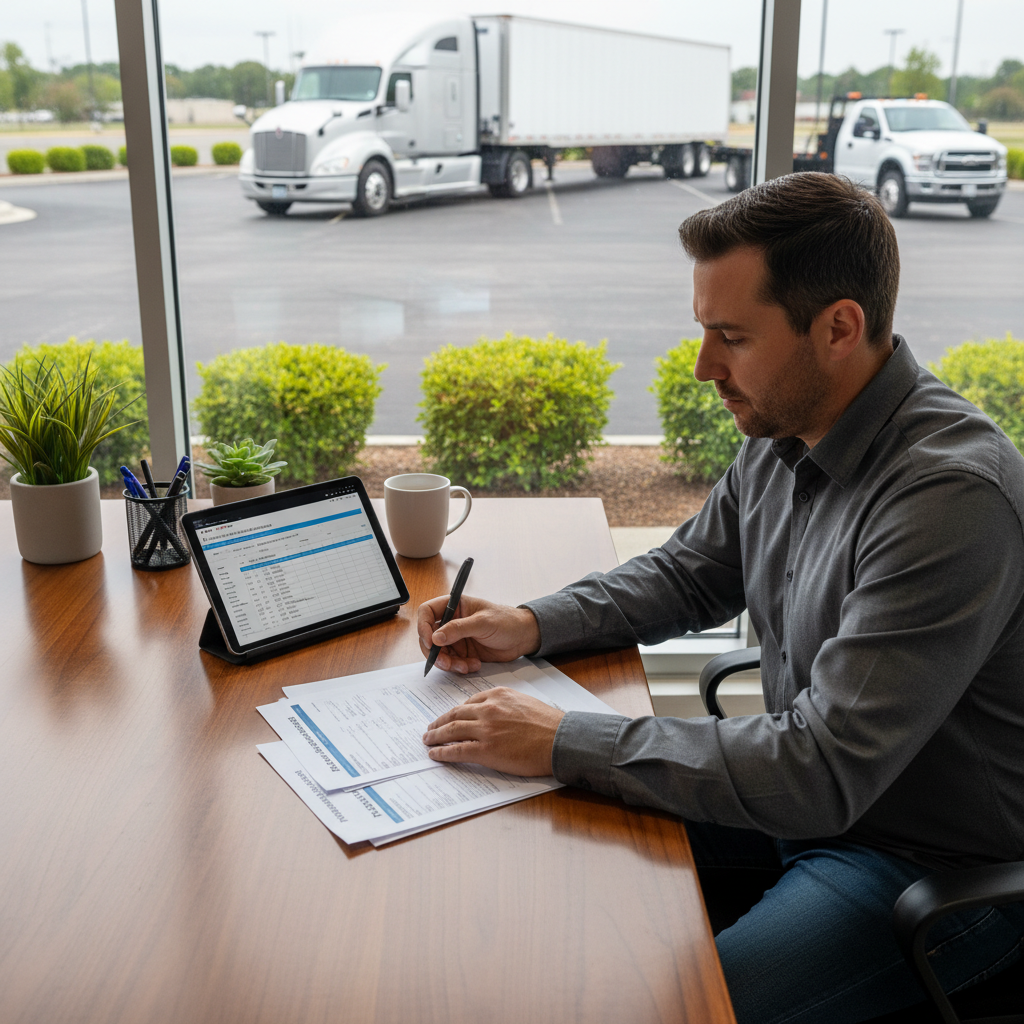
A strong insurance submission gives the underwriter a clear, documented picture of your operation. Gather the truck, trailer, driver, claims, and authority details first, because that usually leads to cleaner proposals and fewer surprises during binding.
Information to gather for the truck and trailer#
Have your USDOT and MC information ready when applicable. Also gather VINs, stated values, year, make, unit details, trailer information, commodity description, lane list, states traveled, and any certificate holders you expect to need.
If equipment is leased, say so upfront. If you use non-owned trailers or work under trailer interchange agreements, disclose that before proposals are built.
Driver and claims documents to have ready#
Have driver license details, MVR authorization, prior insurance information, and loss runs ready. Loss runs are the claims history reports underwriters often ask for when they evaluate prior losses.
Disclose cancellations, non-renewals, prior claims, driver violations, and any recent or planned change in authority. Bad surprises found late in the process can delay binding or change terms.
Safety evidence that helps explain your operation#
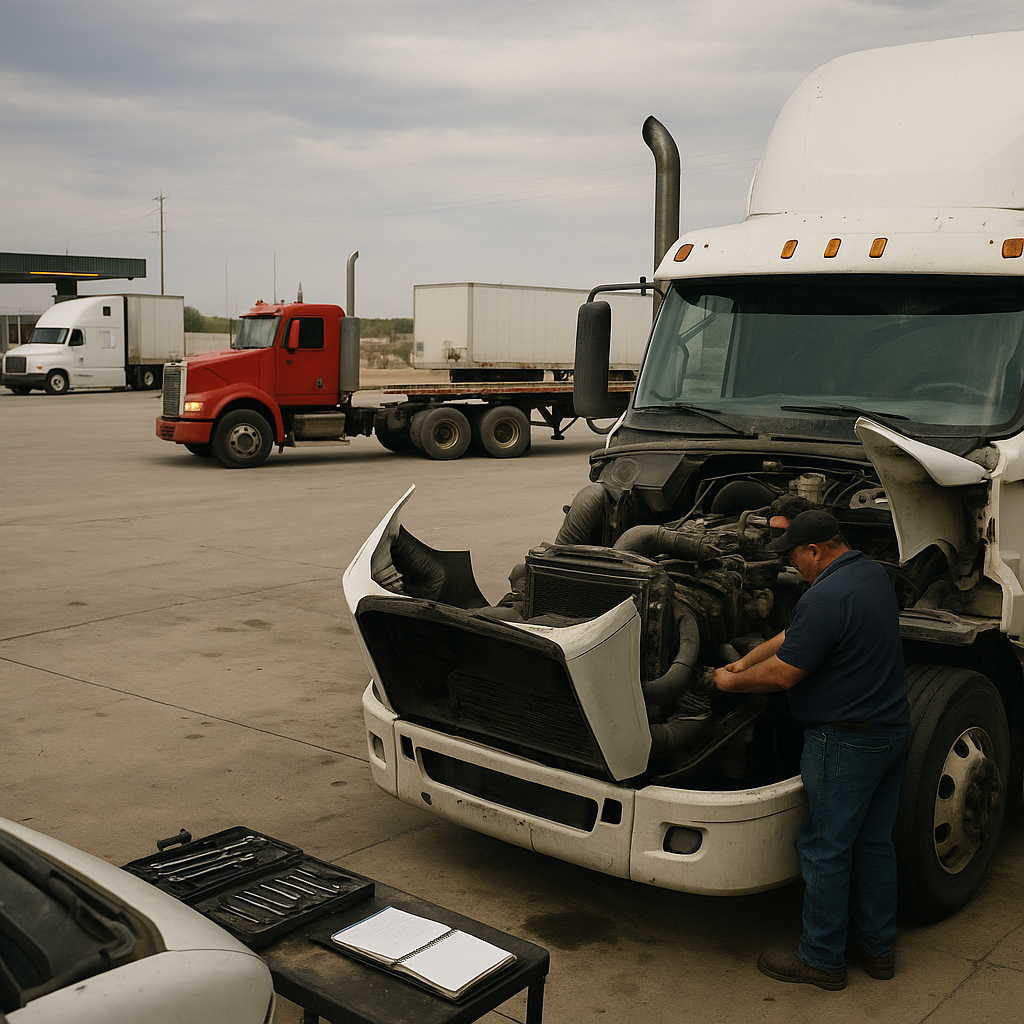
Bring maintenance records, inspection documentation, secure parking details, and a short written explanation of how your operation handles cargo, routes, and dispatch. If ELD-related safety processes apply to your operation, be prepared to explain them clearly.
That kind of documentation won’t make every tough account easy. But it does make your submission more credible, especially when the operation has details that need context.
Questions to ask before you accept a proposal#
Ask what exclusions apply to your commodity. Ask whether cargo limits fit your highest load, whether the policy reflects leased-on or own-authority status, and what documentation is needed for certificates.
Also ask about deductibles, trailer arrangements, and any filing requirements tied to authority. Those questions matter more than chasing the lowest first payment.
Go From Quote to Certificate Without Missing a Step#
The cleanest path is simple: define the operation, submit accurate details, review proposals, confirm exclusions and deductibles, choose effective dates, complete binding items, verify any required filings, and request certificates last. That order helps prevent mismatches between what you bought and what your load, authority, or contract actually requires.
Compare coverage terms before comparing payment options#
Start by comparing what each proposal actually covers. Check liability scope, cargo terms, exclusions, deductibles, physical-damage values, and any trailer or non-trucking liability pieces that apply.
Only after that should you compare down payment, installment schedule, or financing convenience. A cheaper payment plan can still leave you with weaker protection.
Confirm filings, effective dates, and authority status#
If your operation requires interstate authority-related filings, confirm that the filings are handled and that the effective date lines up with when you actually need to run. Insurance and authority status can change, so timing matters.
The SAFER system is FMCSA’s public carrier record lookup. When relevant, review carrier and authority information through FMCSA SAFER to validate key records during the coverage or contracting workflow.
Request certificates only after coverage details are verified#
A certificate of insurance is evidence of coverage, not the policy itself. The policy terms control, so make sure the underlying policy is correct before asking for certificates for a broker, shipper, warehouse, or terminal.
That step gets skipped all the time. Then the driver learns too late that the COI was issued, but the policy behind it doesn’t match the job.
Keep a claims-ready file in the cab and office#
Keep a crash kit and claims-ready file with photos, incident details, bill of lading records, cargo-condition records, dispatch information, repair estimates, and policy contact instructions. Prompt notice matters, so follow the policy’s reporting instructions after an accident or cargo event.
The goal isn’t just to bind coverage. It’s to be ready when something goes wrong on a live load or along an I-10 lane. If you want to walk through your checklist before binding,
Choose Coverage That Fits the Work, Not Just a Number#
Requirements, contracts, and real-world exposure all matter, but they are not the same thing. Personal auto insurance is not a substitute for commercial trucking coverage, and a single liability number doesn’t tell you whether the rest of the setup fits your operation.
Use compliance as a starting point, not the whole decision. Revisit your insurance when you add a truck or driver, change commodities, expand your radius, get your own authority, lease onto another carrier, or change trailer arrangements.
FAQ#
Who is the cheapest truck insurance?
There isn’t one insurer that’s always the lowest-cost fit for every trucking operation. Pricing depends on the full risk profile: whether you’re leased on or running your own authority, what you haul, where you run, who drives, your loss history, equipment value, and what coverages you need. A low headline price can also come with exclusions, higher deductibles, tighter cargo terms, or missing coverages. Compare equivalent proposals side by side. If one quote looks much lower, check what was removed or narrowed before you assume it’s the better deal.
What is the cheapest commercial truck insurance in Texas?
There is no single cheapest commercial truck insurance in Texas for all operators because Texas accounts can be very different from one another. An intrastate dump truck, an El Paso owner-operator on I-10, and a multistate small fleet don’t present the same exposure. The smart comparison is same truck, same drivers, same liability setup, same cargo limit, same physical-damage values, same deductible, and same filing needs. If those don’t match, you’re not comparing the same product. The lowest payment can leave out coverage or terms your operation or contracts actually require.
How much should I pay for truck insurance?
The right insurance budget depends on your operation’s risk and the coverages needed to protect it. Don’t start with a universal dollar target. Start with your authority status, cargo, lanes, equipment value, trailer arrangements, driver records, and whether you could absorb a deductible or an uninsured loss. Then review what each proposal includes, what it excludes, and how claims would affect your cash flow. A workable insurance cost is one that matches your real exposure and keeps the business from getting crushed by one bad accident, cargo claim, or major truck repair.
How much is a $1,000,000 liability insurance policy?
A $1,000,000 liability policy does not have one standard price. The premium depends on the whole operation, including whether the trucking business is interstate or intrastate, what commodity is hauled, where the truck runs, driver records, prior claims, garaging, and the insurer’s underwriting approach. Two operators asking for the same limit can get very different pricing because the rest of the risk is different. Also remember that the liability limit alone doesn’t tell you what’s included elsewhere. Cargo, physical damage, trailer coverages, and filings can change the overall insurance cost significantly.
Do I need FMCSA coverage if I only haul inside Texas?
Not necessarily, but you do need to separate Texas intrastate rules from federal interstate rules instead of assuming they are the same. If you truly operate only within Texas, verify intrastate insurance requirements through the Texas Department of Motor Vehicles and related state sources. If you cross state lines, haul regulated interstate freight, or need federal authority, FMCSA financial-responsibility rules and filings may apply. The key is how your operation is actually set up, not what another driver says on a forum. Scope the authority, lanes, and commodity first, then match the insurance to that setup.