
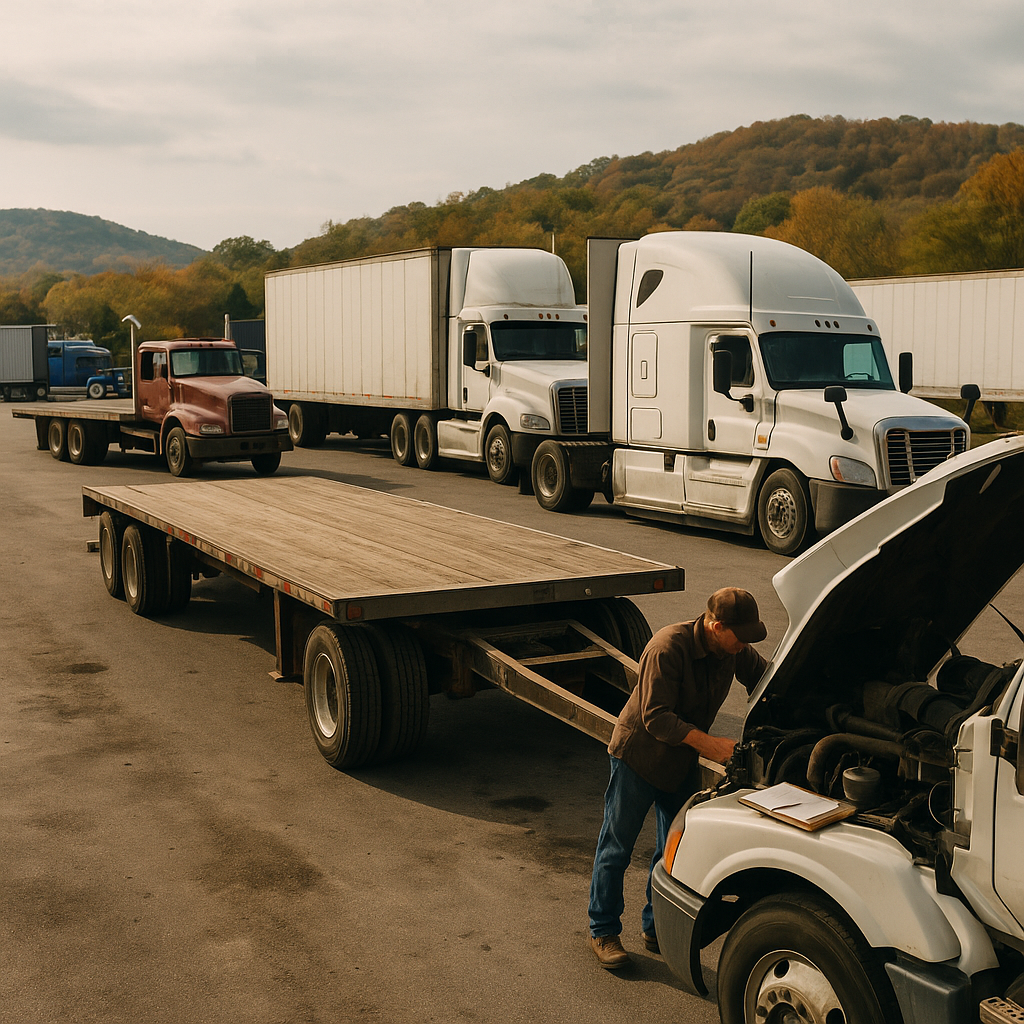

Farm truck insurance Arkansas owners need depends on one thing more than anything else: how the truck is actually used. A farm plate, farm tag, or rural route doesn’t automatically make a truck “farm use” for insurance purposes. If the truck starts acting like a commercial trucking unit, the insurance needs can change fast.
Farm Truck Insurance in Arkansas: What It Covers and Who It’s For#
Farm truck insurance in Arkansas usually covers vehicles used in a farm operation, but the right policy class depends on whether the truck stays tied to the farm’s own work or starts doing broader hauling. The plate matters, but actual use matters more. That’s where many coverage mistakes start.
A farm truck is a truck used mainly to support a farm operation, such as hauling seed, feed, equipment, or the farm’s own products. That can fit very differently from a truck hauling loads for someone else for pay.
Farm vehicle vs. commercial truck#
If a pickup hauls fencing supplies between fields and rarely leaves the local area, it may fit a farm-use setup. If that same truck starts making regular paid deliveries for other people, the insurance picture changes.
A grain truck used only to move the owner’s crop between the field, storage, and a local elevator is one thing. A semi with a hopper that hauls grain for neighbors for money starts looking a lot more like commercial truck insurance territory.
When a farm tag is not enough#
A farm tag helps describe registration status, but it doesn’t erase insurance exposure. Carriers and brokers look at what the truck does on the road, what it hauls, how far it runs, and whether it crosses into trucking rules.
That’s the part that burns people. A driver assumes “farm plated” means personal or farm coverage is enough, then a claim comes in and the insurer asks whether the truck was hauling as part of a commercial job.
[](https://www.logrock.com/?utm_source=BLOG&utm_campaign=farm-truck-insurance-arkansas)
Common coverage parts to know#
Liability coverage pays for injury or property damage you cause to others in a covered crash. It’s the road-use coverage most people think of first.
Physical damage covers damage to your own truck from things like collision, theft, fire, or weather. Cargo coverage protects the load when the operation calls for it, which matters more once hauling goes beyond the farm’s own property and products.
Some operations also look at trailer-related coverages, non-trucking gaps, or business liability depending on how the truck is used. The main point is simple: insure the real job, not the label on the plate.

Do You Need Insurance on a Farm Truck in Arkansas?#
Yes, most farm trucks in Arkansas need insurance, but the kind of insurance depends on whether the truck stays in private farm use or operates as a commercial motor vehicle. State rules may be enough for one setup, while federal filings can apply to another. The truck’s use, weight, cargo, and route decide the answer.
When state rules apply#
A truck used in a farm operation inside Arkansas may only need to satisfy Arkansas registration and insurance expectations for that class of vehicle. A farm pickup hauling seed locally for the owner’s own operation usually falls closer to that side of the line.
A farm semi carrying the owner’s grain from the field to storage or to a nearby buyer may still be farm-related, but that doesn’t mean every insurer will treat it like a simple personal vehicle. Vehicle size, road use, and business purpose still matter.
The Arkansas Department of Insurance is the state source to check for Arkansas insurance guidance. State treatment can also vary depending on how the vehicle is registered and what proof of coverage is required for that class.
When FMCSA rules apply#
Federal rules come into play when the truck is operating as a commercial motor vehicle in interstate commerce or in another setup that triggers federal regulation. Interstate commerce means the truck, cargo, or trip crosses state lines or is part of a shipment moving between states.
Under FMCSA rules and 49 CFR Part 387 at eCFR, for-hire interstate carriers hauling general freight in vehicles over 10,001 pounds must carry at least $750,000 in public liability. That is not a universal rule for all trucks. It applies based on carrier type, weight, cargo, and interstate status.
If a truck hauls for hire across state lines, that’s the example where farm assumptions often break down. In that situation, review FMCSA insurance requirements before the truck ever rolls.
Why plates and use both matter#
A farm tag may support a legitimate farm-use setup, but it doesn’t override what the truck is doing on the road. A truck hauling the owner’s fertilizer locally is different from a truck hauling commodities for hire into Missouri or Oklahoma.
Here are three practical examples:
- A farm pickup hauling seed locally for the owner’s fields: usually a farm-use question first.
- A farm semi carrying the owner’s grain for the owner’s operation: still needs careful classification based on weight, route, and business use.
- A truck hauling for hire across state lines: much more likely to need commercial trucking coverage and federal filings.
The narrow point to remember is this: a farm-use exception has to match actual use. If the operation grows beyond that, the insurance has to grow with it.
What the New Insurance Law in Arkansas Means for Farm Trucks#
The safest answer is that any new Arkansas insurance law may affect proof of coverage, registration, penalties, or enforcement, but it does not automatically create a special farm-truck insurance rule for every vehicle. What matters is how the change applies to your exact truck class and operation. Don’t assume a headline applies the way a forum post says it does.
What changed in practice#
Sometimes a law change affects what drivers must carry in the truck, what systems confirm coverage electronically, or what happens when registration and insurance records don’t match. That can matter to farm truck owners even if the rule was not written only for farm trucks.
A change can also affect how quickly a lapse shows up or what happens at renewal. That’s why “new law” questions should start with current Arkansas guidance, not word of mouth.
The best state-level starting point is the Arkansas Department of Insurance. If the issue touches registration class or operating authority, check the vehicle side of the paperwork too.
Who is affected#
Owners with mixed-use trucks are the most exposed to surprises. That’s the truck used on the farm most of the year, then used for side hauling, custom work, or broader commodity movement when the season changes.
A simple local farm pickup may not feel much impact beyond normal proof-of-insurance rules. A heavier truck with broader business use may need a deeper review because the registration class and insurance form have to line up.
How to verify your setup#
Use this checklist before renewal:
- Confirm how the truck is titled and registered
- Confirm what the truck actually hauls
- Confirm whether any trip crosses state lines
- Confirm whether the truck ever hauls for someone else for pay
- Confirm the listed use on the policy matches real-world use
The answer depends on the exact vehicle class and operation. If those changed, your policy should be reviewed too.
How Much Does It Cost to Insure a Farm Truck?#
Farm truck insurance cost depends on the truck, the driver, and the job the truck performs. A lightly used farm vehicle usually prices differently from a heavier truck doing broader hauling or needing filings. The same truck can price very differently once its use changes.
Main price drivers#
The biggest pricing factors are usually vehicle value, weight, operating radius, cargo, driver history, garaging, deductible, and whether the operation crosses state lines. A deductible is the amount you pay out of pocket before covered physical damage coverage responds.
A newer diesel dually with a higher replacement value usually costs more to insure for physical damage than an older truck with less value at risk. A truck running farther from home and carrying heavier or more sensitive loads can also price differently than one staying close to the farm.
Why quotes vary by use#
This is where owners get tripped up. A single local farm pickup used to haul tools, feed, or seed for the owner’s own operation may be viewed very differently than that same pickup used to make regular paid deliveries.
A straight truck hauling only the farm’s products during harvest may fit one risk profile. That same straight truck used year-round for broader hauling, custom farm work, or commercial delivery may need a different policy class.
A tractor-trailer is the clearest example. If it moves only the owner’s own commodities within a limited area, the quote logic is one thing. If it operates like a trucking business, crosses state lines, or needs filings, the premium can change because the exposure changed.
Examples of higher- and lower-risk setups#
A lower-risk setup might be a farm pickup parked on the property most nights, driven by one experienced operator, and used only for the owner’s farm errands and supply runs. There is still road exposure, but the use is narrower.
A medium-risk setup might be a straight truck or grain truck used seasonally, driven on public roads during harvest, and carrying the farm’s own product. That adds more weight, more time on the road, and more property exposure.
A higher-risk setup might be a tractor with a hopper that sometimes hauls the owner’s crop but also takes paid loads or travels outside Arkansas. Same truck family, very different insurance job.
Your actual premium depends on your operation, cargo, radius, driving history, and other factors.
Coverage Options That Usually Matter Most#
The most important farm truck coverages are usually liability, physical damage, and any cargo or trailer-related protection tied to the truck’s actual work. The big mistake is thinking insuring the truck automatically insures the load. It usually doesn’t.
Liability for road use#
Liability coverage is the baseline road-use protection. If your driver rear-ends another vehicle on an Arkansas highway, liability is the part that may respond to the other party’s injury or property damage.
Some operations may also need business-side protection beyond auto liability. If the trucking part of the operation creates premises or completed-work exposure, that’s where general liability for trucking can become a separate conversation.
Physical damage for the truck itself#
Physical damage coverage protects the truck itself against covered losses like collision, theft, fire, hail, or vandalism. If a grain truck is damaged in a highway crash or a farm semi is stolen from a yard, this is the bucket owners usually mean when they say, “I need coverage on my truck.”
For trucking policies, collision doesn’t stand alone. It typically pairs with comprehensive or fire and theft with combined additional coverage, depending on the form.
Cargo and trailer-related coverage#
motor truck cargo coverage protects covered loads when the operation requires it. If the truck is hauling beyond simple farm-use assumptions, cargo questions matter fast, especially when a damaged load could create a major out-of-pocket hit.
If you’re pulling trailers you don’t own, non-owned trailer coverage may matter. If the truck has non-business movement exposure separate from hauling, bobtail insurance can come up, but it only applies to non-business use, not paid hauling.
Not every farm truck needs every coverage. The right answer depends on whether the truck’s real job is farm support, commercial hauling, or a mix of both.
How to Check Whether Your Farm Truck Needs Commercial Filings#
You can usually figure out whether a farm truck needs commercial filings by checking the truck’s weight, use, cargo, route, and whether it hauls for hire. If the truck operates like a trucking business, filings may apply even if the owner still thinks of it as a farm truck. Gather the facts first, then classify the operation.
What documents to gather#
Start with these basics:
- VIN
- Gross vehicle weight or combined weight
- Registration and plate type
- Description of actual use
- What cargo the truck carries
- Where the truck operates
- Whether it ever hauls for someone else for pay
If you don’t have a clean one-sentence description of the truck’s job, that’s the first thing to fix. “Farm use” is too vague for a good insurance decision.
How to confirm operating class#
A commercial motor vehicle is a vehicle used in business in a way that can trigger state or federal commercial rules, depending on size and operation. A private farm-use truck hauling the owner’s own goods is different from a for-hire truck hauling for others.
If the truck stays inside Arkansas and supports only the farm’s own operation, start with state classification questions. If it crosses state lines, hauls for hire, or appears under carrier records, check status through SAFER and confirm whether commercial filings are in play.
When to ask a broker or carrier#
If you’re unsure whether you need filings like an MCS-90 endorsement, ask before buying coverage. An MCS-90 is a federal endorsement used to show proof of financial responsibility for certain regulated motor carriers.
Mixed-use setups are where human review matters most. Match the policy to the actual hauling job before you buy, not after a claim.
Ways to Save Without Buying the Wrong Coverage#
You can lower farm truck insurance cost by matching coverage to actual use, tightening avoidable risk, and comparing quotes on equal terms. The safe way to save is to remove mismatch, not protection. Misclassifying a commercial truck as farm-only can cost far more than it saves.
Match coverage to use#
If the truck never hauls for others, say that clearly. If it only runs seasonally, locally, or for the farm’s own operation, make sure the quote reflects that actual use.
Reduce avoidable exposure#
Higher deductibles can change physical damage pricing if the truck can absorb more out-of-pocket risk. Clean driver records, secure garaging, and tighter driver lists also help present the account accurately.
Compare quotes carefully#
Don’t compare a farm-use quote to a commercial-trucking quote and assume one is just “better.” Make sure each option is built for the same truck, same territory, same drivers, and same hauling description.
The fastest way to create a claims problem is to buy a cheaper policy built for the wrong job.
How to Get the Right Arkansas Farm Truck Quote#
The fastest way to get a usable farm truck quote is to bring complete truck and operation details up front. Borderline or mixed-use trucks need more than a quick form. A human review helps catch gaps before they become denials or filing problems.
Information to have ready#
Have the VIN, year, make, value, plate type, garaging address, driver details, operating radius, cargo description, and a plain-language summary of what the truck does. If it crosses state lines or hauls for others, say so immediately.
That lets a broker sort whether the truck fits farm use, commercial hauling, or a more specialized setup. It also helps to understand how trucking insurance quotes work before you compare options.
Questions to ask the agent#
Ask these three questions:
- Does this policy fit the truck’s actual use?
- Does it cover only farm use, or farm and commercial hauling?
- Are any state or federal filings required for this setup?
[](https://www.logrock.com/?utm_source=BLOG&utm_campaign=farm-truck-insurance-arkansas)
FAQ#
How much does it cost to insure a farm truck?
Farm truck insurance cost varies based on how the truck is used, what it hauls, how heavy it is, where it runs, and who drives it. A local farm pickup used only in the owner’s operation usually prices differently than a straight truck or tractor used for wider hauling. Vehicle value affects physical damage, while cargo, radius, interstate travel, and driver history affect overall risk. The same truck can quote very differently if one policy assumes private farm use and another assumes commercial trucking. Your actual premium depends on your operation, cargo, radius, driving history, and other factors.
Do you need insurance on a farm truck?
Yes, in most cases a farm truck needs insurance, but the right policy depends on how the vehicle is used. A truck used only in the farm’s own operation may fit a farm-use or business-use setup, depending on the vehicle and exposure. Once the truck starts hauling for hire, crossing state lines, or operating like a commercial trucking unit, broader commercial coverage and possibly federal filings may apply. That’s why a farm plate by itself isn’t enough to answer the question. The use, weight, cargo, and route matter more than the label.
What is the new insurance law in Arkansas?
The practical answer is that any new Arkansas insurance law can affect proof of coverage, registration matching, penalties, or enforcement, even if it doesn’t create a farm-truck-only rule. Farm truck owners should check how the change applies to their exact vehicle class and operation, not rely on a broad summary. A local-use pickup may be affected differently than a heavier mixed-use truck. The safest move is to verify current guidance with the Arkansas Department of Insurance and confirm that the policy, registration, and real-world use still line up. If any of those changed, your insurance review should change too.
What is the best insurance company for farms?
The best fit isn’t one universal company name. It’s the carrier or broker that understands the difference between private farm use, mixed farm and business use, and full commercial trucking use. For a farm truck owner, the real test is whether the quote matches what the truck actually does, whether the agent asks about cargo, radius, plates, and state-line travel, and whether they know when federal filings matter. A policy is only “best” if it fits the operation when a claim happens. If the use is borderline, human review matters more than brand familiarity.
Does a farm tag mean I don’t need commercial truck insurance?
No, a farm tag does not automatically mean commercial truck insurance is off the table. Registration status and insurance classification are related, but they are not the same thing. If a farm-tagged truck is hauling for others, operating across state lines, or being used in a way that fits commercial trucking, the coverage may need to change. That’s especially true for heavier trucks and semis. The safe approach is to describe the truck’s real use in plain language and let the policy be built around that job. A farm tag can support the story, but it doesn’t replace the story.





