

Meta description: Break down food truck business costs, from startup and permits to monthly expenses and insurance. See what to budget.
Food truck business costs can look simple from the outside, but they stack up fast once you separate the truck, kitchen, permits, insurance, inventory, and monthly overhead. If you’re trying to budget realistically, the main job is splitting one-time startup costs from recurring operating costs before you commit money.
Food Truck Business Costs at a Glance#
Food truck business costs usually fall into two buckets: startup costs you pay to get open, and monthly costs you pay to keep operating. Your total budget depends on the truck type, menu, location, staffing, and whether you buy, build, rent, or use a trailer instead of a truck.
A food truck is a vehicle with built-in cooking and service equipment used to prepare or sell food. A food trailer is a tow-behind unit that serves the same purpose but needs a separate vehicle to move it.
What drives the total budget#
The biggest cost drivers are the vehicle itself, the kitchen buildout, local permit requirements, and how complex your menu is. A simple coffee, dessert, or prepackaged concept usually costs less to launch than a truck with full hot-line cooking, refrigeration, and fire suppression.
Location matters more than most first-time owners expect. One city may require multiple inspections, commissary use, and specific parking or vending approvals, while another may be more straightforward.
Startup vs monthly costs#
Startup costs are your one-time or front-loaded expenses. Think truck purchase, retrofit, kitchen equipment, opening inventory, permits, branding, and business setup.
Monthly costs are the bills that keep showing up. That includes food and packaging, fuel, labor, insurance, maintenance, commissary fees, storage, software, cleaning, and marketing.
Why one headline number is misleading#
One headline number is misleading because two food truck businesses can look similar online and still have completely different cost structures. A used truck with a simple menu and owner-only labor is not the same budget as a custom truck doing events with employees and higher prep volume.
That’s why the better question isn’t "What does a food truck cost?" It’s "What will this food truck cost to start and run in my city with my menu and operating plan?"

Startup Costs: Buying, Building, or Renting the Truck#
Your startup path usually comes down to four options: buy new, buy used, build or retrofit, or rent for short-term use. The right path depends on how much capital you have, how quickly you need to launch, and how much repair or customization risk you’re willing to take.
New truck vs used truck#
A new truck usually gives you more predictable mechanical condition and fewer near-term repair surprises. The tradeoff is higher upfront cost and, in many cases, a longer timeline if the kitchen needs custom installation.
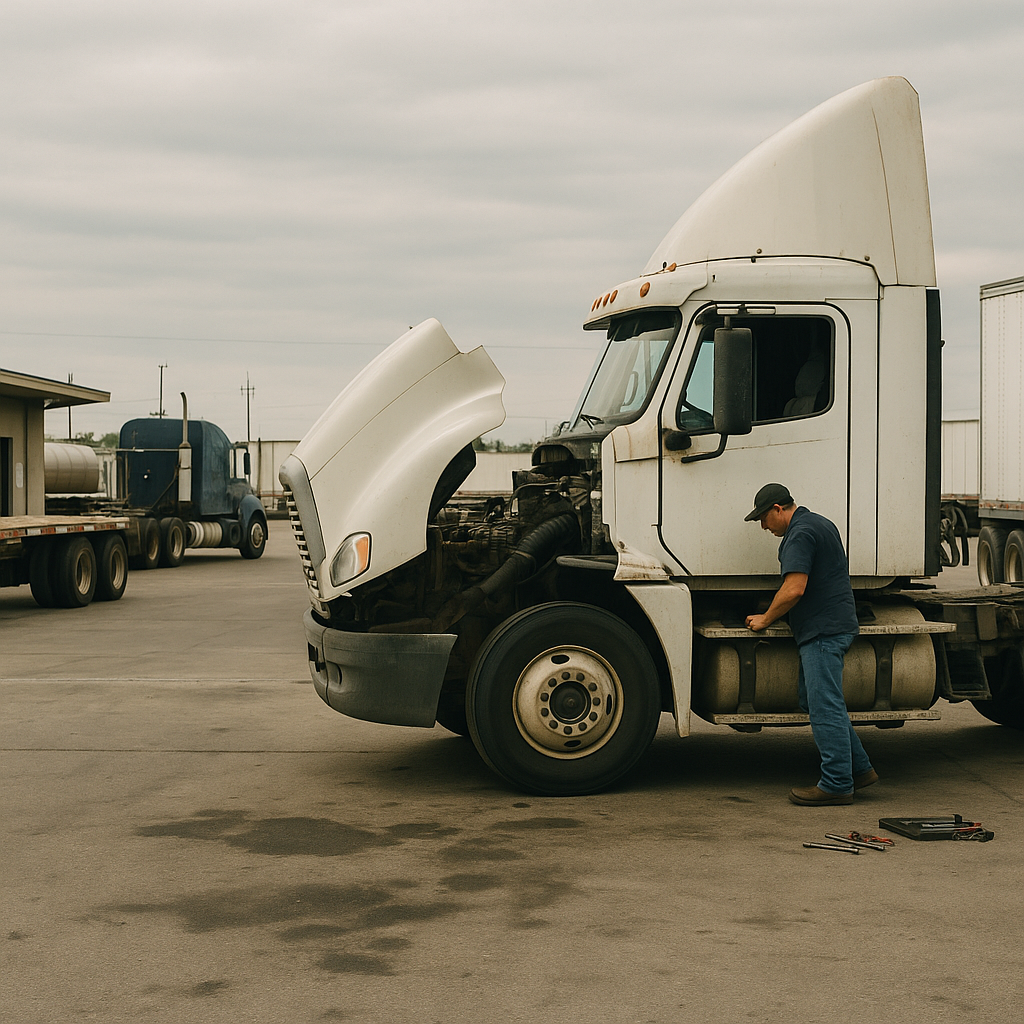
A used truck can lower the purchase price, but the headline savings can disappear if the engine, generator, electrical system, plumbing, or refrigeration need work. First-time buyers often focus on what the truck looks like and miss what downtime will cost once they start missing service days.
Used food trucks deserve a careful inspection before money changes hands. That includes the vehicle side, the cooking equipment, the power setup, and whether the layout will actually pass local inspection.
Build from scratch vs retrofit#
Building from scratch makes sense when your menu needs a very specific layout, power load, or prep flow. It gives you control, but it also increases design, fabrication, installation, and timeline risk.
A retrofit means taking an existing truck or step van and adding or replacing the kitchen buildout. That can be cheaper than a full custom build, but only if the base vehicle is sound and the retrofitted systems don’t trigger expensive rework later.
Renting a truck for events or short-term use#
Renting works best when you’re testing the concept, covering a short event run, or doing occasional catering without committing to ownership. It can also help you learn your menu flow before spending on a permanent build.
But rental pricing needs context. A truck rented for a private event or short operating window may look cheaper than owning until you add scheduling limits, mileage, staffing, prep logistics, and the fact that you’re paying for access without building equity.
Food truck versus food trailer#
A food trailer is often less expensive than a self-propelled food truck because you’re not paying for the same built-in driving platform. That can make a trailer attractive for owners who mainly serve fixed spots, breweries, or recurring events.
The tradeoff is mobility and setup. If your model depends on frequent moves, tight urban parking, or fast deployment, a truck may fit better even if the trailer lowers initial capital needs.
Permits, Licenses, and Business Setup Costs#
Permits and business setup costs are highly local, and they can vary by city, county, and state even within the same region. Budget for business registration separately from health, fire, vending, and location-based permits so you don’t confuse legal setup with operating approval.
A commissary is a licensed commercial kitchen or operating base that some food truck operators must use for prep, cleaning, storage, or water service. Your health department is the local public agency that reviews food safety rules, sanitation, and mobile food service approvals.
City and county permits#
Many food truck owners underestimate how many local approvals they may need. You may need city permits, county permits, vending approvals, parking permissions, and event-specific authorizations depending on where you operate.
This is also where "statewide" assumptions cause trouble. A state may allow mobile food vending generally, but a city can still control where you park, when you serve, and what local documents you need.
Health department and fire requirements#
Health and fire approvals usually tie directly to your menu and equipment. Cooking with grease, using propane, running refrigeration, and installing suppression systems can all affect what inspection steps apply.
This guide is about budgeting, not motor-carrier authority. If you’re looking for federal transportation rules, use FMCSA or the U.S. DOT for trucking compliance, but food truck licensing usually sits with state and local agencies instead.
Business registration and entity setup#
Business formation costs are different from permits. Forming a sole proprietorship, partnership, corporation, or LLC handles your legal business structure, while permits govern whether you can actually operate in a given place.
If you want a practical planning tool for the insurance side of setup, a small business insurance checklist can help you keep the categories straight.
LLC question and basic tax setup#
An LLC is a limited liability company, a business structure that can help separate business activity from personal activity. It is not automatically required just because you’re running a food truck.
Your tax setup depends on your business structure, bookkeeping, and how specific expenses are treated. Keep formation fees, permit fees, capital purchases, and recurring operating expenses clearly separated from day one so your records stay usable later.
Equipment, Inventory, and Point-of-Sale Costs#
Equipment, opening inventory, and POS costs are real startup expenses, not side details. Many first-time owners budget for the truck itself and then get squeezed by refrigeration, prep gear, packaging, and software they need before the first sale.
A POS is a point-of-sale system used to take payments, track sales, and organize transaction records. It matters because it affects checkout speed, reporting, and tax documentation.
Kitchen equipment#
Core equipment often includes refrigeration, freezers, prep tables, grills, fryers, hot-hold units, sinks, ventilation, fire suppression, shelving, and smallwares. Safety gear, thermometers, cleaning supplies, and handwashing setups also belong in the budget.
The exact list depends on the menu. A beverage truck and a full hot-food truck are completely different equipment builds.
Initial food and packaging inventory#
Opening inventory includes your first round of ingredients, drinks, condiments, containers, napkins, utensils, labels, and backup stock. That’s different from your monthly food spend, which should be tracked as an ongoing operating cost.
Packaging is easy to underestimate. If your concept relies on branded cups, clamshells, specialty wrappers, or delivery-friendly containers, that line can climb quickly.
POS hardware and software#
POS hardware and software are operating tools, not luxuries. Card readers, receipt options, menu management, sales tracking, and reporting help you understand what sells, what gets wasted, and what your actual margins are.
Refrigeration and specialty equipment#
Specialty equipment can move the budget a lot. Extra refrigeration, generator capacity, specialty ovens, espresso equipment, or frozen dessert systems may raise both startup cost and monthly maintenance needs.
Monthly Operating Costs You Should Expect#
Monthly food truck business costs usually split into direct operating costs and overhead. Direct costs tie closely to serving food, while overhead covers the fixed or semi-fixed bills that keep the business alive even on slower weeks.
A break-even point is the sales level where your business covers its costs without making or losing money. ROI means return on investment, or how the money you put in compares with the money the business generates over time.
| Cost category | What it covers | Usually changes with sales? |
|---|---|---|
| Food and packaging | Ingredients, drinks, containers, utensils | Yes |
| Labor | Wages, payroll-related costs, extra event help | Yes |
| Fuel and utilities | Driving fuel, generator fuel, propane, power | Often |
| Insurance | Vehicle, liability, property protection | No |
| Maintenance | Repairs, service, cleaning, wear items | Partly |
| Commissary and storage | Kitchen access, parking, overnight storage | No |
| Software and admin | POS, bookkeeping, phone, permits renewals | No |
| Marketing | Ads, events, promos, social content | Partly |
Food and packaging#
Food cost and packaging cost rise and fall with volume, but poor planning can make them swing harder than they should. Waste, spoilage, oversized menus, and inconsistent prep all eat margin.
A simpler menu usually gives you better purchasing control. Fewer ingredients can mean less waste, easier forecasting, and more consistent labor.
Fuel and utilities#
Fuel isn’t just driving fuel. It may include generator fuel, propane, and power-related operating costs depending on your setup.
If your routes are scattered or your event schedule involves a lot of idle time, fuel can become a bigger drag than expected. That’s especially true for trucks that spend long hours running refrigeration or cooking equipment.
Insurance and maintenance#
Insurance and maintenance are recurring costs whether business is booming or slow. Tires, oil service, refrigeration service, generator repair, cleaning, and emergency fixes all compete for cash.
This is where used trucks can become expensive fast. A lower purchase price doesn’t help much if you’re regularly losing operating days to repairs.
If you’re trying to sort out the insurance side before you buy,
Parking, storage, and commissary fees#
Parking, storage, and commissary fees are common hidden monthly costs. Some operators need a secure overnight spot, a licensed prep kitchen, regular cleaning access, or water and waste service support.
These don’t feel dramatic when you’re planning on paper, but they can become fixed overhead that follows you every month whether sales are strong or not.
Marketing and admin costs#
Marketing and admin costs include website tools, social media content, event fees, payment processing, bookkeeping, permits renewals, and phone or internet service. None of these are glamorous, but all of them affect whether the business runs smoothly.
Labor as its own line item#
Labor deserves its own line because staffing can change the whole business model. An owner-operated truck may keep labor lower at first, but once you add cooks, cashiers, or event help, monthly burn can jump quickly.
Insurance and Risk Costs for Food Truck Owners#
Food truck insurance needs depend on the vehicle, the kitchen equipment inside it, where you operate, and whether employees are working on the truck. Treat insurance as part of the operating model from the start, because the wrong setup can leave expensive gaps between vehicle, liability, and property risks.
Commercial auto insurance is business vehicle coverage for vehicles used in business operations. General liability is coverage that can help with third-party bodily injury or property damage claims tied to business operations, not the truck’s own collision damage. Physical damage covers damage to your vehicle from collision or other covered causes.
Commercial auto and vehicle risk#
A food truck is still a business vehicle, so personal auto insurance isn’t the same thing as commercial vehicle coverage. That’s the first place many new operators get tripped up.
If you want a plain-language starting point, review commercial auto insurance basics. For a broader overview of how business vehicle coverage fits together, the business truck insurance guide helps connect the main pieces.
General liability and product risk#
Vehicle insurance and business liability are not the same thing. A slip near the service window, a hot-food incident, or a property damage claim at an event can fall into a different risk bucket than damage to the truck itself.
The NAIC is a useful plain-language source for understanding how different insurance categories work and why business owners should keep them separated in their planning.
Property and equipment protection#
The value inside the truck matters too. Refrigeration units, cooking gear, POS hardware, and other business property can represent a large share of what you’ve invested.
For another plain-English explanation of coverage structure, this guide on how trucking insurance works is useful even if your operation is food service rather than freight.
Why operating model changes insurance needs#
A truck that stays local at recurring spots doesn’t look exactly like one doing festivals, catering, and employee-heavy shifts. Insurance needs can change with driving patterns, business activity, equipment value, and staffing.
Labor, Staffing, and Event Revenue Considerations#
Labor and event planning can change both your costs and your revenue more than the truck itself. The simplest model is an owner-operated truck with limited hours, but once you add staff or shift into events, your cost structure changes fast.
Owner-operated vs hired staff#
An owner-operated setup may be easier to control early because you know the menu, the process, and the daily pace. Once you hire help, you add scheduling, training, payroll, and a greater need for predictable sales volume.
That doesn’t mean hiring is bad. It means labor should be planned as a deliberate revenue decision, not a last-minute fix for long lines.
Event pricing and short-term rentals#
Private events, festivals, and catering jobs can produce better revenue per service window than street vending, but they can also require more prep, more staff, longer hours, and stricter timing. Renting a truck for events can make sense for testing demand, but it changes the math compared with owning.
Cost per hour framing#
Cost per hour is a useful way to think about utilization. If a truck sits idle most of the week, the fixed costs don’t stop just because service hours are low.
That means the real question isn’t only total monthly spend. It’s how many productive service hours and sales opportunities those costs are spread across.
Seasonal demand and staffing impact#
Seasonality can tighten margins fast. Weather, tourism cycles, school schedules, and event calendars all affect how much labor you should carry and when.
How to Estimate Profitability Before You Buy#
You can estimate food truck profitability by comparing expected sales against fixed monthly costs and variable costs before you buy. That’s a better approach than chasing a single "average profit" number, because profitability depends on menu margin, utilization, labor, seasonality, and how much debt or upfront capital the business carries.
The SBA defines break-even planning as part of basic small-business decision-making, and its guidance at sba.gov is useful for pressure-testing assumptions before launch.
Break-even basics#
Start with fixed monthly costs: insurance, commissary, parking, storage, software, loan payments if any, and baseline admin. Then estimate variable costs like food, packaging, fuel, and labor tied to actual operating volume.
From there, ask how many sales days, average tickets, and transactions you need just to cover those costs. If the numbers only work under perfect conditions, the plan is probably too tight.
ROI and payback thinking#
ROI and payback are about how long it takes the business to earn back what you invested. A lower-cost startup can still be a bad deal if downtime, low demand, or poor margins keep cash flow weak.
A more expensive setup can still be manageable if your route, menu, and utilization are strong. The point is to test the model, not guess at it.
When a food truck is expensive versus manageable#
A food truck becomes expensive when too much capital is tied up in the build, the menu is hard to execute, and monthly overhead stays high even in slow periods. It becomes more manageable when the menu is focused, the route is proven, and the fixed-cost base is under control.
Signs the model may be too tight#
Warning signs include depending on constant event bookings, needing high daily sales just to cover fixed bills, or assuming zero downtime on a used truck. Those aren’t automatic deal-breakers, but they should push you back into planning before you buy.
Ways to Reduce Food Truck Costs Without Cutting Corners#
You can reduce food truck costs by simplifying the operation, buying more carefully, and phasing nonessential upgrades over time. The goal isn’t to slash costs blindly. It’s to keep early capital and monthly burn aligned with what the business can realistically support.
Buy used carefully#
Used can work well if you inspect both the vehicle and the kitchen systems properly. Budget for repairs anyway, because even a solid used truck can need catch-up maintenance.
Start with a simpler menu#
A tighter menu usually lowers equipment needs, reduces prep complexity, and keeps inventory more manageable. That’s often a safer early move than launching with an oversized concept.
Control waste and inventory#
Track what sells, what spoils, and what gets over-portioned. Better inventory control can improve cash flow without changing your pricing.
Phase upgrades over time#
Not every improvement has to happen before launch. Some branding, equipment, or workflow upgrades can wait until the truck proves demand.
Food Truck Cost FAQ#
How profitable is owning a food truck?#
Owning a food truck can be profitable, but there isn’t a universal margin that fits every operator. Profit depends on sales volume, menu pricing, food cost control, labor, seasonality, downtime, and how much fixed overhead you carry each month.
A truck with a focused menu, steady locations, and manageable overhead can work well. A truck that relies on inconsistent events, carries high repair risk, or needs heavy staffing can struggle. Before you buy, run a break-even model using realistic service days, average ticket size, and monthly fixed bills rather than assuming the business will "average out."
Do you have to have an LLC to run a food truck?#
No, you do not automatically need an LLC to run a food truck. An LLC is a business structure choice, not a universal operating requirement.
Some owners use an LLC for liability separation or organizational reasons, while others start under another legal structure depending on their plans and local rules. What matters most is that your business structure, licensing, permits, tax registration, and insurance setup all match the way you actually operate. If you’re unsure, confirm requirements with your state and local agencies and get tax or legal advice for your specific setup.
Is it expensive to run a food truck?#
Yes, it can be expensive to run a food truck because the monthly costs go well beyond ingredients. Operators often have to budget for packaging, fuel, propane or generator use, insurance, maintenance, parking, storage, commissary fees, software, cleaning, marketing, and sometimes payroll.
The reason new owners get surprised is that many of these costs hit whether sales are strong or weak. A truck can look busy and still feel cash-tight if labor, repairs, and food waste are not controlled. That’s why monthly budgeting matters just as much as startup budgeting.
Is a food truck a tax write-off?#
A food truck itself and many related business expenses may have tax treatment that helps the business, but "tax write-off" is too broad to treat as one simple yes-or-no answer. The treatment depends on the type of expense, how the business is structured, and how the asset or cost is used.
The IRS generally says ordinary and necessary business expenses may be deductible, and good records matter. In practice, keep receipts, separate personal and business activity, and track vehicle costs, equipment, inventory, permits, and software clearly. Use a tax professional to classify specific expenses correctly.
What does it cost to start a food truck?#
Starting a food truck can range widely because the truck, buildout, permits, and equipment vary so much by concept and location. Your startup budget usually includes the vehicle or trailer, kitchen buildout, inspections, business registration, opening inventory, POS setup, branding, and initial insurance.
A used setup with a simple menu may need much less capital than a custom truck with heavy cooking equipment and employee staffing from day one. The smart move is to build your budget by category instead of trusting one headline number.
What monthly expenses should I budget for?#
Budget monthly for food, packaging, fuel, labor, insurance, maintenance, parking or storage, commissary fees, software, phone service, cleaning, and marketing. If you finance the vehicle or equipment, include those payments too.
It helps to split these into fixed costs and variable costs. Fixed costs keep showing up even when sales are soft, while variable costs rise and fall with how much you sell. That split makes break-even planning much more realistic than using a single monthly estimate.





