See California food truck insurance costs, 7 key coverages, DMV/MCP basics, workers’ comp, and permit-ready COI tips.
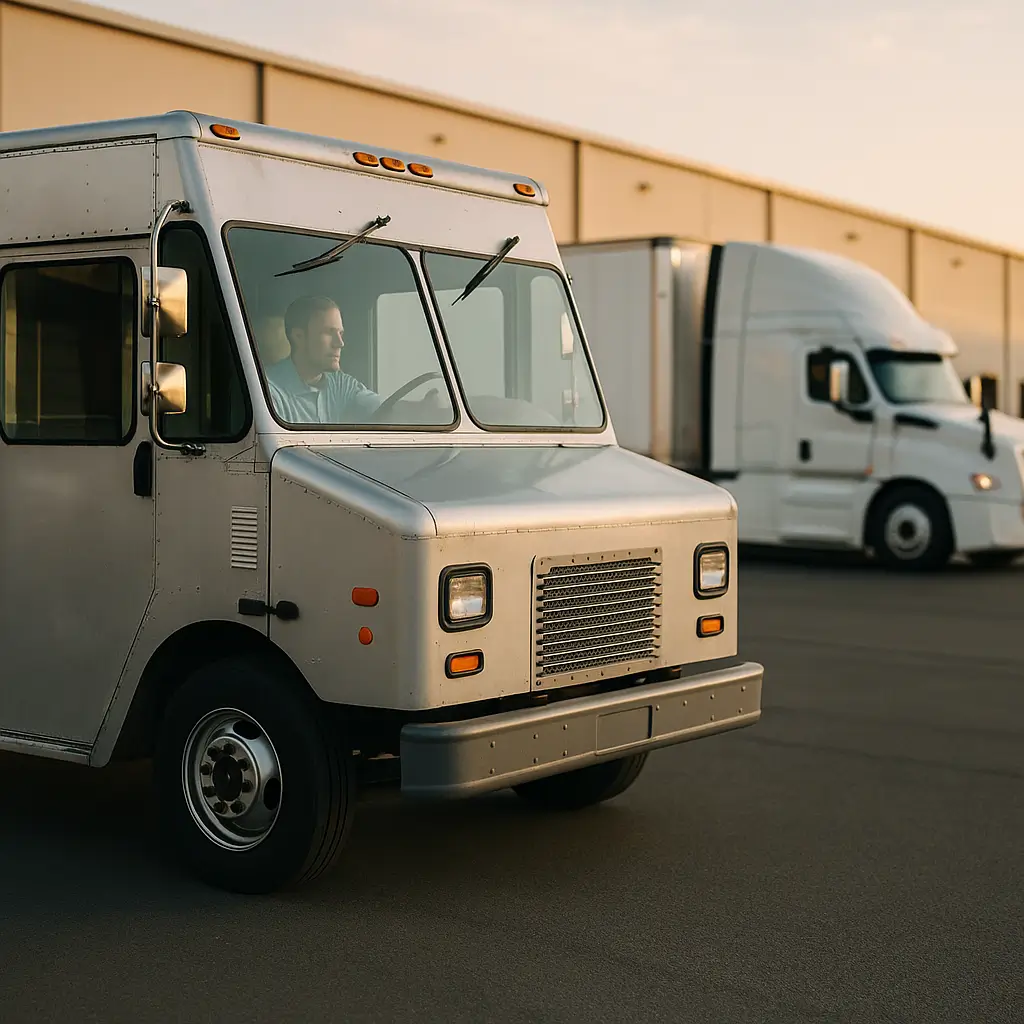
Food truck insurance California operators buy usually isn’t one policy—it’s a stack that protects you as a vehicle, a kitchen, and an event vendor. The fastest “good enough” answer is: commercial auto + general liability (often with product liability) + workers’ comp if you have employees, then you add equipment and event-driven endorsements based on your contracts.
Food trucks sit in a weird lane: you’re a restaurant, a vehicle, and a vendor all at once. That’s why starting with the right commercial auto matters. If you need a baseline, here’s a plain-English breakdown of commercial auto insurance for food trucks (and how liability differs from physical damage).
Table of Contents
Reading time: 8 minutes
What insurance does a food truck need in California? (Quick stack)
Most California food trucks carry commercial auto insurance plus general liability (often including product liability), and workers’ compensation is generally required if you have employees under California rules and venue contracts.
Use this as the “starting stack,” then check food truck insurance requirements to match your payroll, equipment value, and the types of gigs you run (breweries, farmers markets, festivals, corporate catering).
Featured-snippet answer (quick definition)
In California, most food trucks carry commercial auto insurance and general liability (often including product liability). If you have employees, workers’ compensation is generally required. Many operators also add coverage for the truck’s build-out and equipment, plus event add-ons like hired/non-owned auto, liquor liability, or an umbrella policy—because permits and venue contracts often set the real requirements.
The “most common” coverage stack
| Coverage | What it protects | Typical limit you’ll see requested (common contract terms) | Who asks for it |
|---|---|---|---|
| Commercial auto (liability) | Injuries/property damage from driving | Often $1M CSL for contracts | DMV/brokers/venues/clients |
| Physical damage (comp/collision) | Your truck after theft/crash/vandalism | Based on truck value | Lenders + you (cash-flow protection) |
| General liability (GL) | Slip-and-fall, third-party property damage | Often $1M / $2M | Cities, event organizers, property owners |
| Product liability | Foodborne illness/allergen claims | Usually packaged with GL | Venues + smart operators |
| Workers’ comp | Employee injuries (burns, cuts, strains) | Statutory | State requirement (often) + contracts |
| Equipment/property | Truck build-out, tools, POS | Based on values | You + lenders |
| Event add-ons | Liquor, hired/non-owned auto, umbrella | Contract-driven | Festivals, corporate catering |
Not sure whether to go with the minimum $1M or push limits higher? Here’s how to think about it:
General liability + product liability (where most permit language points)
General liability pays when a customer gets hurt or you damage someone else’s property, and product liability covers claims tied to the food you served (like an illness allegation or allergen issue).
Many cities, private lots, breweries, farmers markets, and festivals won’t let you in the gate without it. This is also the coverage that turns a “bad day” (slip near the service window, property damage at a venue) into a survivable business problem.
For a food-truck-specific breakdown of how these claims work, see food truck liability insurance coverage and limits.
If you want a deeper explanation of how limits and claims work, use this as a reference: General liability coverage most venues require.
If the difference between commercial auto liability and general liability is still fuzzy, this breakdown will help:
- What venues usually care about: limits (often $1M per occurrence / $2M aggregate) and COI wording.
- What you should care about: whether product liability is included, and whether event cooking methods (open flame/fryers) are disclosed correctly.
California requirements: DMV, MCP basics, and permit-driven insurance
California food truck insurance requirements are often driven by contracts and permits (commonly asking for $1M general liability plus endorsements), while commercial auto is the practical baseline for a business-owned vehicle used for sales.
California isn’t one single rulebook. You’ll deal with DMV and vehicle rules, possible motor carrier questions (depending on operations), county environmental health, city business licensing, and then whatever the venue contract says.
Commercial auto: the non-negotiable baseline
Commercial auto is a policy designed for a vehicle used for business (not personal driving), and it’s the backbone of what many operators casually call “trucking insurance,” even if you’re not running a tractor-trailer.
Personal auto usually doesn’t match a food truck’s commercial use. If the policy is written wrong, claims can be delayed or denied—exactly when you can’t afford downtime.
- Common contract requirement: $1M CSL (combined single limit).
- Common mismatch: personal auto or incorrect vehicle use/classification.
- Best practice: confirm garaging ZIP, annual mileage, and who drives it.
For the state-specific minimums that apply in California, see California commercial auto requirements.
Motor Carrier Permit (MCP): when it might come up (and why you should check)
California’s Motor Carrier Permit (MCP) rules can apply to certain business vehicle operations, so operators who do expanded delivery/transport work should confirm applicability directly with the DMV’s Motor Carrier Services.
Official starting point (verify for your exact use case): https://www.dmv.ca.gov/portal/vehicle-industry-services/motor-carrier-services-mcs/motor-carrier-permit/
Don’t guess here. If your operation crosses into motor carrier territory, fixing it later is usually slower and more expensive than doing it right up front.
Permit-driven insurance: cities, counties, and venues control the “real” checklist
California retail food enforcement is local, and food vendor insurance requirements commonly appear in vendor agreements, special event permits, commissary agreements, and private property contracts.
A useful statewide reference point for how retail food programs are organized is CDPH’s Retail Food Program page: https://www.cdph.ca.gov/Programs/CEH/DFDCS/Pages/FDBPrograms/RetailFoodProgram.aspx
Common asks (contract-driven; varies by city/venue):
- $1M general liability (sometimes $2M aggregate language in contracts)
- Additional insured endorsement (not just “shown on COI”)
- Primary & noncontributory wording
- Waiver of subrogation (sometimes)
Workers’ comp in California (don’t wing this)
California generally requires workers’ compensation coverage when you have employees, and the DIR explains employer coverage obligations on its workers’ compensation coverage page.
DIR reference (confirm your situation): https://www.dir.ca.gov/dwc/Employer/coverage.htm
For a deeper breakdown, see: California workers’ compensation basics.
2026 costs + overlooked coverages (equipment, spoilage, events) + how to keep premiums down
In 2026, many California food truck operators see total insurance spend around $2,000–$9,000+ per year, based on LogRock quote data, with final pricing driven by garaging ZIP, driving record, truck value, payroll, cooking methods (open flame/fryers), mileage, and claims history.
This is where operators either (1) overpay or (2) buy a thin policy that falls apart after a theft, fire, or contract requirement they didn’t see coming.
How much does food truck insurance cost in California? (realistic 2026 ranges)
Pricing varies a lot, but the “parts” tend to behave like this:
For a more detailed breakdown by coverage type, see our food truck insurance cost guide with 2026 monthly and annual ranges.
For a quick visual breakdown of what California operators are actually paying in 2026:
- Commercial auto: often the biggest cost driver (ZIP code + driving history can swing it hard).
- GL/product liability: often more predictable, but can jump with large events, heavy foot traffic, or prior claims.
- Workers’ comp: payroll and job classification drive price.
- Equipment/property: depends on the values you’re actually trying to protect (and how the policy is written).
Equipment/build-out coverage (where many food trucks are underinsured)
Equipment and build-out coverage protects the kitchen components inside your truck—hood systems, suppression, fryers, refrigeration, POS, generators, and tools—because the “business value” is often more than the vehicle alone.
A total loss isn’t just the truck. It’s the installed equipment and the gear you need to sell tomorrow. Some commercial auto setups don’t automatically cover everything the way owners assume.
If you move valuable tools and gear between commissaries, events, and storage, learn how mobile equipment is often handled: Inland marine for mobile equipment.
Spoilage + business interruption (the quiet profit killer)
Spoilage coverage can apply when refrigeration fails or a power issue ruins inventory, and the loss can be bigger than expected if you run high-cost proteins or prep-heavy menus.
Coverage triggers vary by carrier and may require things like maintenance records or temperature logs, so get the details in writing (not as a verbal “should be covered”).
Event add-ons that change everything (even if it’s “just one gig”)
One festival or corporate catering contract can require endorsements or higher limits you don’t carry day-to-day.
- Hired & non-owned auto: helps when staff use personal cars for errands or you rent a vehicle.
- Liquor liability: may be required if alcohol is served or tied to your agreement.
- Umbrella/excess liability: adds limits above GL/auto when contracts demand higher protection.
If you run large-crowd events, this explainer is a good reference: Commercial umbrella insurance for festivals/large venues.
Ways to lower premiums (without getting underinsured)
Lower premiums usually come from reducing losses and shopping smarter, not just buying the lowest limits.
- Theft controls: GPS tracking, immobilizers, secure commissary parking, and cameras.
- Fire/safety documentation: suppression inspections, cleaning logs, and staff training.
- Deductibles on purpose: match physical damage deductibles to your cash reserves.
- No coverage lapses: continuous coverage helps protect renewal pricing.
- Shop early: 30–45 days before renewal is often better than last-minute quoting.
- Bundle carefully: bundling can help, but confirm the mobile-equipment details in writing.
More cost-control levers: Reduce business insurance costs without underinsuring.
Frequently Asked Questions
California food truck permits and venue contracts commonly require $1M per occurrence general liability plus a COI showing endorsements (like additional insured), so these FAQs focus on the coverages and paperwork that most often block bookings.
Most California food trucks need commercial auto and general liability (often including product liability) to meet common permit and venue requirements, and workers’ compensation is generally required if you have employees. Many contracts also expect $1M per occurrence GL and may require endorsements like additional insured and primary & noncontributory wording. After the basics, add equipment/build-out coverage for your kitchen gear and event add-ons like hired/non-owned auto, liquor liability, or an umbrella if you take large events.
In 2026, many California operators pay roughly $2,000–$9,000+ per year for a practical food truck insurance stack, with commercial auto often being the biggest driver. Your garaging ZIP, driving record, truck value, annual mileage, cooking methods (open flame/fryers), payroll (workers’ comp), and claims history can move pricing significantly. The cleanest way to compare quotes is to keep the same limits and deductibles across carriers—otherwise you’re comparing price, not coverage.
Yes—if you have employees, California generally requires workers’ compensation coverage, and the DIR outlines employer responsibilities at dir.ca.gov. Owner-only setups can be different, and employee vs. contractor classification matters because misclassification can lead to penalties and denied claims. If you want the “what counts as an employee” and pricing basics, start here: California workers’ compensation basics.
Often yes—many California cities, event organizers, and private venues require a certificate of insurance (COI) showing general liability (commonly $1M per occurrence) and specific endorsements such as additional insured and sometimes primary & noncontributory wording. Most permit delays happen because the COI doesn’t match the contract language, even when the operator has the right policy. Use this to avoid re-issues and rejections: Certificate of insurance (COI) checklist.
No—personal auto policies are designed for personal use and almost always exclude commercial use like driving to events, selling food, or using the vehicle as a mobile kitchen. California food truck operations require a commercial auto policy written for a business-use vehicle. This is also what lenders and venues will ask to see on your COI. Learn more about commercial auto insurance for food trucks.
It depends on your operation. California’s Motor Carrier Permit applies to certain business vehicle operations. Most food trucks operating locally and selling food directly to customers do not require an MCP, but operators who do delivery or transport work beyond standard food vending should confirm applicability directly with the California DMV’s Motor Carrier Services. Official reference: California DMV Motor Carrier Services.
Yes—significantly. Open flame cooking, deep fryers, and hood systems with suppression requirements are considered higher-risk by underwriters and must be disclosed correctly when applying for coverage. Failing to disclose your cooking setup can result in a claim being delayed or denied. When getting quotes, confirm your policy language covers your actual equipment and cooking methods, not just the vehicle.
Only if you carry physical damage coverage (comprehensive and/or collision) on your commercial auto policy. Liability-only commercial auto covers damage you cause to others—it does not pay to repair or replace your own truck. If you financed or leased the truck, your lender likely requires physical damage coverage. Confirm in writing whether installed equipment and build-out are included.
Most California city permits, breweries, farmers markets, and event organizers require a COI showing general liability (often $1M per occurrence) plus specific endorsements. The most common are additional insured, primary & noncontributory wording, and sometimes a waiver of subrogation. Get the exact wording from the venue contract before you request your COI, and confirm it matches what your carrier will actually issue.
Conclusion: Build a permit-ready stack (not a guess)
California food truck insurance typically starts with commercial auto plus general liability (often $1M/$2M), and workers’ comp is generally required when you have employees under California rules and common contract terms.
Build the core stack first, then match your policy to your real operations: equipment value, theft risk, payroll, and the venues you want to book.
Key Takeaways:
- Contracts set the “real” minimums: $1M GL and COI endorsements are common gatekeepers for events and private venues.
- Commercial auto is usually the biggest cost driver: garaging ZIP, driving record, and truck value matter a lot.
- Don’t ignore build-out and mobile gear: make sure equipment coverage is written for what’s actually inside the truck.
If you’re building your food truck coverage stack in California—or trying to get permit-ready before your next event or venue contract—LogRock can help you review what you actually need, identify gaps in your current setup, and compare quotes based on your real operation. No guesswork, no generic answers.
Talk to LogRock and get a California food truck insurance quote.
When you’re ready, get a food truck insurance quote with the same limits and deductibles across carriers so you’re comparing coverage—not just price.