
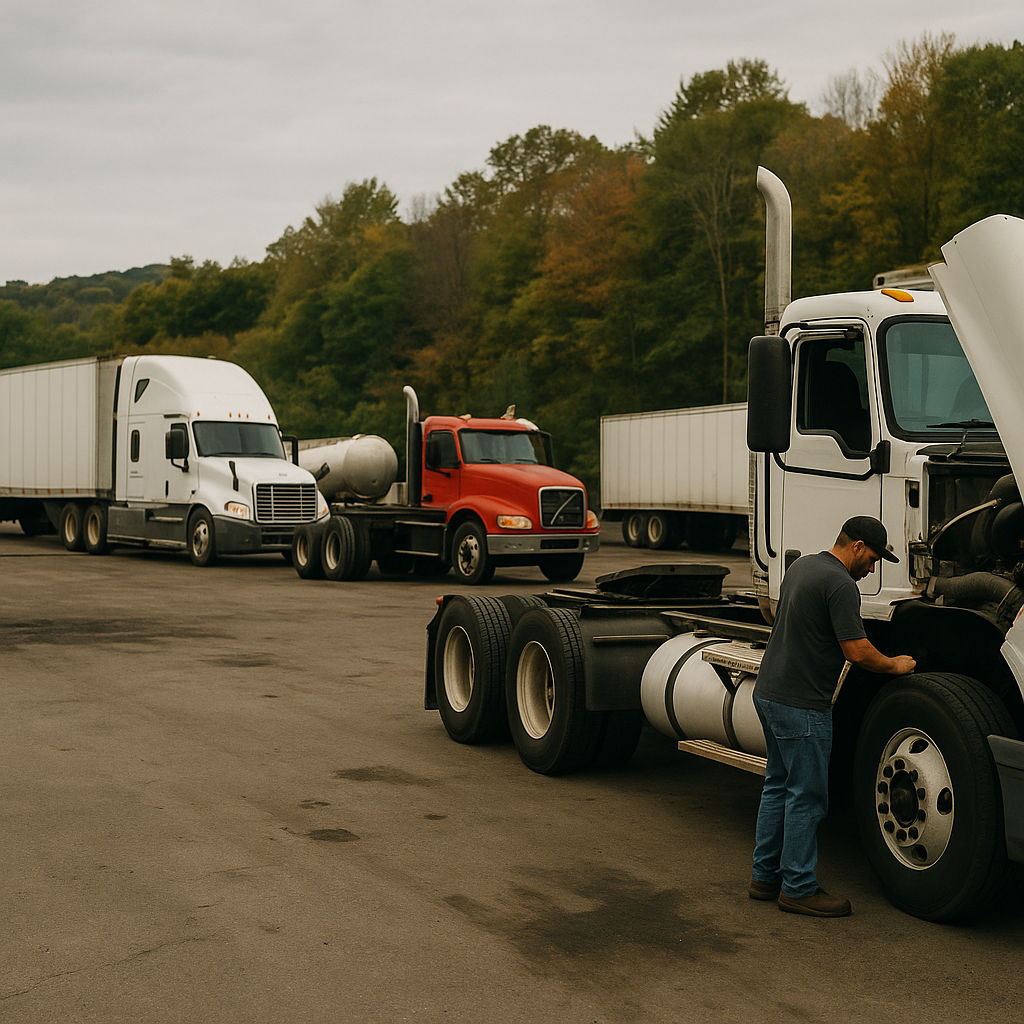

If you’re shopping for food truck insurance Connecticut operators actually need, the hard part usually isn’t finding a policy. It’s figuring out which coverage fits a real mobile food business, what Connecticut startup rules may affect timing, and where truck, cart, vendor, and restaurant insurance stop overlapping. This guide breaks that down in plain English.
What Food Truck Insurance Covers in Connecticut#
Food truck insurance in Connecticut is usually a package of commercial coverages built around a mobile food business, not a single one-size-fits-all policy. Most operators need protection for injuries or property damage they cause, damage to the truck itself, and sometimes spoilage, equipment, or business-property exposures tied to how they serve food.
Food truck insurance is a group of business insurance coverages tailored to a mobile food operation. The exact mix depends on whether you run a self-propelled truck, a trailer, a cart, or a catering setup.
Core coverages most operators consider#
A general liability policy covers third-party bodily injury or property damage claims tied to your business operations. In plain terms, that’s the claim if a customer slips near your service window or your setup damages a venue’s property.
Commercial auto covers vehicles used for business, including liability for accidents involving the truck. That’s different from personal auto insurance, which usually isn’t built for a truck used to sell food.
Physical damage coverage protects the truck itself against covered losses like collision or other damage, depending on the policy terms. If you financed the unit, a lender may require it.
Some operations also need protection for tools, cooking equipment, or food stock. Cargo coverage protects property while it’s being transported, and perishable-food protection can matter if spoilage would create a meaningful loss. NAIC consumer guidance is useful for basic insurance definitions and coverage concepts at naic.org.
How food truck insurance differs from a restaurant policy#
A restaurant policy is built for a fixed location. A food truck has road exposure, off-site service exposure, event exposure, and often changing service locations.
That’s why a truck serving lunch from a parking lot in Hartford may need a different policy mix than a restaurant with a dining room. The truck moves, parks on other people’s property, and may need certificates of insurance for venues, landlords, breweries, or events.
When a truck, cart, or vendor setup changes the policy mix#
A certificate of insurance is a document that shows a business carries certain coverage and limits. Many Connecticut venues or event organizers ask for one before they let you operate.
A truck, a cart, a festival tent, and a catering-only business don’t always need the same insurance structure. A truck usually needs commercial auto plus liability. A cart may not need commercial auto at all, but it may still need liability and property coverage. A catering-only operation might need coverage centered more on off-premises service than road risk.
A simple example: a New Haven food truck driving to office parks has different risk than a small festival cart that never leaves a trailer. If the policy doesn’t match the business model, you can end up paying for the wrong thing or missing something you actually need.

What Connecticut Food Truck Operators Usually Need#
Most Connecticut food truck operators need a baseline package that includes liability for injuries or property damage, commercial auto for the vehicle, and physical damage for the truck and built-in equipment if they want the unit itself protected. After that, contracts, venues, lenders, and staffing can push the coverage mix higher or wider.
Baseline coverages for a truck-based operation#
For a true truck-based operation, the starting point is usually straightforward. You need coverage for damage or injury your business causes to others, and you need coverage built for a business vehicle.
If the truck is financed or expensive to replace, physical damage often becomes just as important as liability. A fire in the cooking area or a collision on the way to a weekend event can shut the business down fast if the unit isn’t covered.
If the truck serves from a commissary, parks overnight at a business location, or carries valuable equipment, those details matter in underwriting. Underwriting is the insurer’s process for evaluating your risk and deciding how to price and structure the policy.
When contracts or venues add requirements#
Your baseline may not be enough once a contract shows up. A brewery, fairground, town event, lender, or commissary agreement may require higher liability limits, additional insured wording, or proof of specific coverage before you can operate.
This is where operators get frustrated. They think they bought “food truck insurance,” then find out the event organizer wants a certificate package that their current policy can’t support.
If that sounds familiar, it helps to talk through the operation before you bind anything. If you’re not sure what coverage fits your setup,
Optional coverages for teams, trailers, or alcohol service#
Workers’ compensation covers employee job-related injuries or illness. If you have staff, Connecticut employment rules and business reality may make it necessary.
Liquor liability covers claims tied to serving alcohol. If your operation includes alcohol service, that exposure should be reviewed directly instead of assumed.
Trailer exposure matters too. If you haul a smoker trailer, storage trailer, or support trailer, that can change what needs to be insured.
Federal rules usually don’t drive most local food truck insurance decisions, but they can matter if the vehicle operates as a commercial motor vehicle in interstate commerce. FMCSA rules and financial responsibility standards under fmcsa.dot.gov and 49 CFR Part 387 on ecfr.gov are the reference point when federal motor carrier requirements come into play.
A practical Connecticut example: a truck booked for county fairs may need certificates with event-specific wording, while a truck parked at one brewery under a standing service agreement may need a different certificate setup and recurring proof for that location.
How Connecticut Startup Rules Affect Insurance Decisions#
Connecticut startup rules affect insurance because opening a food truck usually involves more than buying a policy. Depending on where and how you operate, you may need health approvals, local permissions, business registrations, commissary arrangements, and proof of insurance timed to a permit, contract, or event application.
What you may need before opening#
Insurance is only one part of the opening checklist. A Connecticut food truck may also need state or local health-related approvals, local business permissions, and documentation tied to where it prepares, stores, and serves food.
A commissary is a licensed kitchen or service base a mobile food business may use for food prep, cleaning, storage, or support operations. If your setup relies on one, that relationship can affect both your permits and your insurance details.
The Connecticut Department of Public Health is a good starting source for mobile food and food-service guidance at portal.ct.gov. Local rules can still change the real-world checklist, especially town by town and venue by venue.
LLC misconception: business structure versus insurance need#
An LLC is a limited liability company, a business structure that can separate business obligations from personal ones in some situations. It can be useful, but it is not automatically required just to start shopping for insurance or to understand your food truck coverage options.
A lot of first-time operators assume they can’t get insurance quotes until the LLC is set up. That’s usually the wrong sequence. You can often start discussing the operation, required coverages, and documents before every business-formation step is finished.
That said, how you set up the business still matters. The named insured, ownership records, and vehicle title details should line up cleanly before coverage is finalized.
Where state, local, and venue rules can change your setup#
The real startup checklist depends on what you are operating from and where you plan to serve. A self-propelled truck on a private lot has one set of issues. A trailer-based setup at rotating fairs has another. A catering operation serving private events may face different contract language than a truck chasing lunch spots.
A first-time operator in Connecticut might apply for an event, get conditionally approved, then learn the organizer wants proof of liability before issuing the final booking. That timing matters. If you wait too long to sort out coverage, the event date can show up before the certificate does.
How Much Food Truck Insurance Costs in Connecticut#
Food truck insurance costs in Connecticut vary by the truck, the driving exposure, the food operation, and the coverages you choose. There is no universal monthly price for a food truck or for a $1,000,000 liability limit, because the quote depends on the whole risk, not just one number on the declarations page.
Main factors that change price#
The truck itself is a big one. A newer, high-value unit with specialized kitchen equipment usually costs more to protect than an older truck with less value at risk.
A VIN is the vehicle identification number used to identify the specific truck being insured. Insurers use it, along with garaging address, usage, and unit details, to evaluate the vehicle.
Driving radius matters. So do how often the truck is on the road, whether it crosses into other states, where it parks overnight, and how crowded or frequent the service schedule is. A truck serving a few steady weekday spots may look different to an insurer than one hitting multiple fairs, late-night events, and weekend festivals.
Why higher limits or more coverages cost more#
More protection usually means more premium. Higher liability limits, lower deductibles, employee-related exposures, trailer exposure, and broader property protection all add cost.
A deductible is the amount you pay out of pocket before covered physical damage benefits kick in. Choosing a higher deductible can lower premium, but it also means taking on more loss yourself if the truck is damaged.
Claims history counts too. A recent accident, prior business claims, or inconsistent operating details can change pricing fast. So can the type of food risk. A simple prepackaged concept may look different than a fryer-heavy operation with more heat and fire exposure.
How to think about monthly versus annual budgeting#
When people ask, “How much is $1,000,000 liability insurance a month?” the practical answer is that the limit alone doesn’t tell you enough. The same liability limit can price very differently depending on the truck, location, driving record, claims history, employees, and what other coverages are packaged with it.
A Connecticut example makes this easier to see. A newer truck with a clean record, one main service area, and basic liability may price very differently than a higher-value truck working multiple weekend events with employees, a trailer, and a more complex certificate workload. Your actual premium depends on your operation, food type, radius, vehicle details, and loss history.
How to Lower the Cost Without Weakening Coverage#
The safest way to lower food truck insurance cost in Connecticut is to reduce avoidable risk, match the policy to the real operation, and compare quotes on equal terms. Cutting the wrong coverage can backfire if it creates a claim gap or leaves you unable to satisfy a venue, lender, or permit requirement.
Reduce risk first, then shop quotes#
Keep the driving record clean if you can. Maintain the truck and cooking equipment. Document cleaning, maintenance, fire-suppression checks, and employee safety routines.
Those habits won’t guarantee a lower rate, but they support a cleaner underwriting picture. They also make it easier to explain your operation accurately when an insurer asks follow-up questions.
Ways to match coverage to the actual operation#
A food truck shouldn’t be insured like a restaurant if it isn’t one. It also shouldn’t be insured like a small cart if it drives daily, carries built-in cooking equipment, and works off-site events.
That mismatch creates waste and gaps. A truck that never serves alcohol may not need alcohol-related coverage, while a truck that hauls a support trailer may need trailer-related protection that a simpler setup can skip.
Common mistakes that create avoidable cost#
One common mistake is buying extra endorsements “just in case” without tying them to how the business really operates. Another is chasing the lowest premium without checking limits, deductibles, certificate capability, or exclusions.
A concrete example: removing an add-on you truly don’t need can help control cost. But dropping liability below what a venue or lender requires can stall an event booking, delay a permit step, or force you to rewrite the policy later at the worst possible time.
Step-by-Step Checklist to Get a Quote and Open in Connecticut#
The fastest way to get a usable food truck insurance quote in Connecticut is to gather the business details insurers actually need, compare quotes on more than premium, and line up proof of insurance with your local, venue, or lender deadlines. The goal isn’t just to get a number. It’s to get a policy that works on opening day.
Collect the business details insurers ask for#
Start with the truck details, including the VIN, garaging address, ownership information, and any financing. Then gather driver information, driving history, food type, expected service area, operating radius, employee count, trailer details, and where the truck will actually serve.
If you use a commissary, mention that. If you rotate through breweries, private lots, town events, and catering jobs, mention that too. Those details affect both coverage structure and certificate needs.
Match the quote to your actual operation#
Don’t compare quotes by premium alone. Compare the coverages, liability limits, deductibles, vehicle protection, and any conditions tied to certificates or additional insured requests.
Make sure the policy matches what you do in real life. A truck that drives, parks at events, and serves from changing locations should be quoted that way. If not, the cheapest quote on paper may be the wrong one in practice.
Confirm proof of insurance before opening or booking events#
The order of operations is simple: check startup requirements, gather documents, request the quote, review the certificates you may need, then open or book events. That order helps you avoid scrambling after a permit office, venue, or event organizer asks for documentation you didn’t expect.
Connecticut operators should also double-check local and venue-specific requirements before the first service day. One town, brewery, school event, or festival can ask for paperwork another one never mentions.
FAQ#
What is the best insurance for a food truck?
The best insurance for a food truck is the policy mix that matches how the business actually operates. For many operators, that means general liability for third-party injury or property damage, commercial auto for the truck, and physical damage if they want the vehicle and built-in equipment protected. Some also need workers’ compensation for employees, liquor liability for alcohol service, or trailer-related coverage. The key is not buying a generic “vendor” policy and assuming it covers a driving, cooking, event-based truck. The best setup is the one that fits your real service model and contract requirements.
What do I need to start a food truck in CT?
To start a food truck in Connecticut, you usually need more than just insurance. Most operators should expect to sort out business details, truck information, where the food is prepared or supported, health or local approvals, and any permits or contracts tied to the places they plan to serve. Proof of insurance may be required by a lender, event organizer, commissary, private lot owner, or permit process depending on the situation. A practical checklist is: confirm state and local requirements, gather truck and business documents, request insurance quotes, verify any needed certificates, and then finalize bookings or opening plans.
How much is $1,000,000 liability insurance a month?
There isn’t one universal monthly price for $1,000,000 liability insurance because the limit is only one piece of the quote. Insurers also look at the truck, VIN, garaging location, driving radius, operating schedule, food type, claims history, driver record, employee exposure, and whether other coverages are included. A simple local operation with a clean history can look very different from a busier event-based operation with more road time and more moving parts. The useful way to compare cost is to look at the full policy package, including limits, deductibles, and certificate requirements, not just the liability number by itself.
Do you need an LLC to run a food truck?
No, an LLC is not automatically required just to run a food truck or buy insurance. An LLC can still be a smart business-structure option for some owners because it may help separate business obligations from personal ones and can simplify how the business is presented to insurers, lenders, or contracting partners. But it is a business decision, not a universal insurance prerequisite. Many operators start exploring quotes before every formation step is complete. The important part is making sure the final named insured, ownership records, and vehicle information line up correctly before coverage is bound.
What does food truck insurance usually not cover?
Food truck insurance does not cover every kind of loss automatically, and that trips people up. Coverage depends on the policy form, endorsements, exclusions, and how the business was described when quoted. For example, a policy built for a stationary vendor may not fit a truck that drives daily. Damage from uncovered causes, business activities not disclosed to the insurer, or exposures that need separate endorsements may fall outside coverage. Employee injuries, alcohol service, trailer exposure, or spoilage may need their own solutions depending on the setup. That’s why it matters to match the policy to the actual operation instead of assuming “food business insurance” covers everything.





