
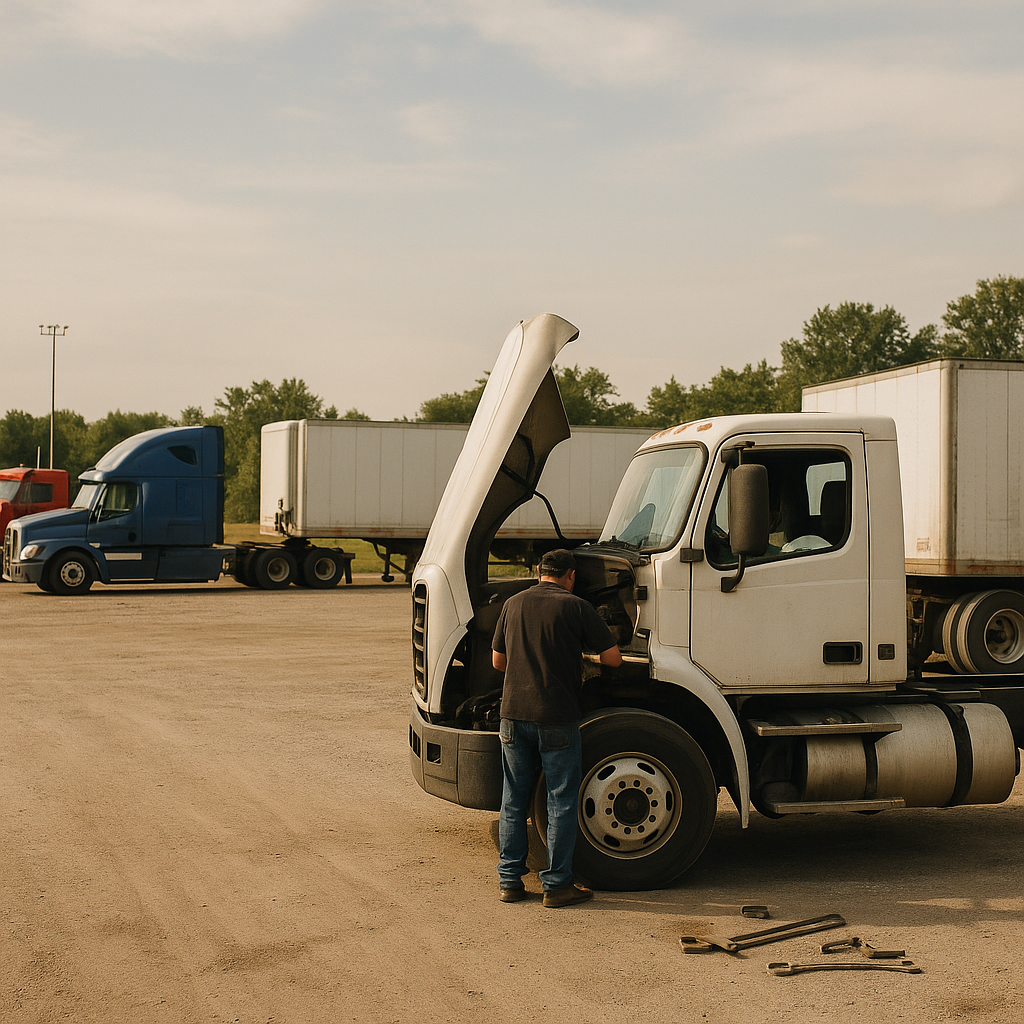

Food truck insurance in Indiana usually means a mix of policies that protect the vehicle, the business, and the food operation. If you run a truck, cart, or concession trailer, the right setup depends on how you serve, where you park, what you cook, and how often you move.
What Food Truck Insurance Covers in Indiana#
Food truck insurance in Indiana is usually not one single policy. It is a bundle of coverages that can protect the truck, customer injuries, food-related claims, equipment, and income after certain covered losses. The right mix changes based on whether your operation is mostly driving, mostly parked, or mostly event-based.
Why a food truck is part vehicle, part business#
A food truck sits in an awkward middle ground. It is a vehicle on public roads, but it also works like a small restaurant with customers, cooking equipment, inventory, and the chance of someone claiming injury or illness.
That is why commercial auto and general liability are not the same thing. Commercial auto is insurance for a business-owned vehicle and its road-related liability and physical damage exposures. General liability is insurance for third-party bodily injury or property damage claims tied to business operations, not driving.
Product liability is coverage for claims that your product caused harm, and for food trucks that often means allegations of foodborne illness or contamination. In practice, product liability is usually built into a general liability policy for this kind of operation.
A common mistake is assuming the truck policy covers everything because the kitchen is inside the vehicle. It usually doesn’t. If you rear-end a car on the way to a festival, that is generally a commercial auto issue. If a customer slips on spilled soda by the order window, that is usually a general liability issue.
FMCSA rules can matter if the vehicle, use, or interstate activity pushes you into a commercial trucking framework, but many food truck businesses are insured more like mobile retail or restaurant operations than for-hire motor carriers. That distinction matters because federal financial responsibility rules under FMCSA and 49 CFR Part 387 apply to motor carriers in specific situations, not automatically to every business with a truck.
The core coverages most mobile food operators compare#
Most Indiana food truck owners start by comparing a few core coverages:
- Commercial auto for accidents, liability, and damage to the truck
- General liability for customer injuries and property damage
- Product liability for food-related allegations
- Equipment or property coverage for appliances, generators, POS systems, and stock
- Optional business interruption help after certain covered losses
Think about a few real-world examples. A collision on the way to a county fair is one kind of claim. A kitchen fire that damages built-in cooking gear is another. A refrigeration failure that spoils meat before a busy weekend event is different again.
Examples of common claim scenarios#
The best way to judge food truck insurance in Indiana is by matching coverage to actual losses. If your truck spends most days parked outside a brewery, customer-facing liability and cooking risk may matter more than long-distance driving exposure. If you cross counties every week for private events, the auto side usually carries more weight.
A few examples make this clearer. A fryer flare-up can damage the hood system and force you to stop service. A generator breakdown can ruin a day’s inventory. An illness allegation can turn into a product liability claim even if you believe your food handling was solid.
That is where owners get in trouble: they buy a policy for the vehicle and miss the business side, or they buy a business policy and gloss over the road exposure. If you’re not sure how your setup should be classified,
Which Coverages Indiana Food Trucks May Need#
Most Indiana food truck businesses need to look at coverage by exposure, not by policy label. In plain terms, that means insuring the truck for driving risk, the business for customer and food-related claims, and the equipment and inventory for damage or spoilage. Then you add workers’ comp, liquor liability, or business interruption only if the operation actually creates those exposures.
Commercial auto for the truck itself#
Commercial auto covers business vehicles for road-related liability and, if selected, damage to the vehicle itself. If the truck is self-propelled and used for business, this is usually one of the first coverages to review.
This is the policy that usually responds if your driver backs into another vehicle, causes an accident on the way to a festival, or hits property while maneuvering into a serving spot. It can also include physical damage protection for the truck itself, depending on what options you choose.
General liability for customer injuries and property damage#
General liability covers claims that your business operations caused bodily injury or property damage to someone else. For a food truck, that can mean a customer slips near the window, a hot drink spills and burns someone, or your setup damages an event venue’s pavement or power access point.
This is also where product-related food claims often live. If a customer says your food made them sick, that usually is not a commercial auto issue. It is part of the business liability side.
Cargo, equipment, and refrigeration-related coverage#
Food truck operators often carry more value in equipment than they realize. A generator, flat-top, fryer, refrigeration unit, POS hardware, and custom interior build-out can add up fast.
Property or equipment coverage can matter when built-in appliances are damaged by fire or another covered loss. Inland marine is coverage designed for business property that moves or travels, which can make sense for portable equipment, catering gear, tents, or removable service items. If your operation depends on cold storage, perishable stock, or refrigeration, ask about spoilage-related protection and how breakdown claims are treated.
A simple example: if a cooler fails overnight and you lose ingredients, that is very different from a customer falling by the truck. So is a generator theft from a parked setup after an event.
Workers’ compensation, liquor liability, and business interruption#
Workers’ compensation is insurance that can help with employee injury claims related to work, subject to state rules and your hiring setup. If you run solo, this may look different than it does for a truck with cooks, cashiers, or part-time event staff.
Liquor liability covers claims tied to serving or selling alcohol. If your truck does not serve alcohol, it usually is not relevant. If you do, it becomes a serious underwriting point.
Business interruption helps replace lost income after certain covered property losses force you to shut down. It can be useful after a kitchen fire or another covered event, but it is not a catch-all for every slow week, canceled event, or mechanical issue.
General insurance concepts for small businesses are also outlined by the NAIC, but your food truck’s actual needs still depend on its operation details.
Indiana Requirements: Insurance, Licensing, and Business Setup Are Not the Same Thing#
In Indiana, insurance, food vendor licensing, and business formation are separate issues. A license or permit may allow you to operate, but it does not insure the truck, defend a liability claim, or pay for damaged equipment. An LLC can shape ownership and legal structure, but it does not replace commercial auto or liability coverage.
What Indiana licensing rules usually control#
Licensing rules usually deal with whether you can legally prepare, handle, and sell food in a given place. That often means health department oversight, food handling rules, inspections, and permits tied to where you operate.
Those rules are not the same as insurance. A local approval may say you can vend at a site or event, but it does not mean your truck is covered if it catches fire on the way there or if a customer claims injury after eating.
How local permits can affect food truck operations#
Indiana food truck owners should check both state and local requirements because many practical rules are handled locally. Your city, county, or event organizer may have its own permit, inspection, or certificate-of-insurance expectations.
That is why it helps to separate three questions. Can you operate? What insurance do contracts or landlords require? What insurance protects your own truck, income, and equipment? Start with the Indiana Department of Health and your local county or city health department to confirm licensing and permit rules before you finalize coverage.
A common example: one town may care mainly about health permits and location approval, while a private event may require proof of general liability with specific limits. Those are related, but not identical, issues.
Why an LLC does not replace insurance#
An LLC is a limited liability company, a business structure used to separate business ownership from personal ownership in certain ways. It can help with organization and legal structure, but it is not insurance.
If your fully licensed Indiana food truck is owned by an LLC and a kitchen fire damages the truck, the LLC does not pay the repair bill. If a customer alleges food poisoning, the LLC does not automatically provide a legal defense. If you cause a road accident, the business structure does not replace commercial auto.
The same logic applies to tax registration. An EIN from the IRS or small-business setup guidance from the U.S. Small Business Administration can help you form and run the business, but they do not stand in for liability protection.
What insurers may ask about your business structure#
Insurers may still ask whether you are a sole proprietor, LLC, or corporation because ownership, named insured details, and who drives or works in the business all affect the application. They may also ask whether the truck is titled personally or in the business name.
That matters because paperwork mismatches can slow a quote or create confusion later. If the registration, permits, and insurance application all describe the operation differently, underwriters will usually ask follow-up questions.
What Affects Food Truck Insurance Cost#
Food truck insurance cost in Indiana depends on the truck, the cooking setup, the menu, the operating area, the people involved, and the kind of protection you choose. A simple parked concession setup usually underwrites differently than a high-value truck with heavy cooking equipment, multiple employees, and frequent travel to events. Your actual premium depends on your operation, menu, radius, claims history, and other factors.
Truck value, equipment value, and driving exposure#
The more expensive the truck and build-out, the more there is to protect. A custom vehicle with refrigeration, fryers, generators, and built-in suppression equipment presents a different property exposure than a basic prep vehicle with lighter equipment.
Driving exposure matters too. A truck that stays in one city and parks in a familiar lot most days usually looks different from one that runs a larger territory, sets up at fairs, and spends more time on the road. More movement usually means more chances for accidents, backing claims, and transport-related losses.
Menu risk, cooking method, and location pattern#
Insurers pay attention to what you cook and how you cook it. Grease-heavy frying, open-flame cooking, propane use, and high-heat equipment can increase the chance of fire or smoke damage compared with a cold-prep or lower-heat concept.
Refrigeration and perishables also add exposure. If your concept depends on chilled proteins, dairy, or frozen stock, a breakdown can mean both equipment damage and spoiled inventory. That is a different risk than a coffee cart with packaged goods and limited cooking.

Location pattern matters as well. Frequent event work can change the liability picture because you may deal with crowds, uneven surfaces, temporary hookups, and event contract requirements. A truck that mostly serves from one private lot can look different from one rotating through festivals across Indiana.
Claims history, driver experience, and radius of operation#
Underwriters also look at who is driving and how the business has performed. Prior claims, recent driving violations, inexperienced operators, or inconsistent insurance history can all affect pricing.
Radius matters because more miles and broader territory often mean more road exposure. If you cross state lines, that can also change how the vehicle use is viewed and whether additional regulatory questions come up. The main point is not that interstate is automatically bad; it is that the insurance picture gets more specific when operations expand.
Why quotes vary for trucks, carts, and concession trailers#
A self-propelled food truck usually needs stronger commercial auto attention because the business unit and the road unit are the same thing. A food cart may have much less vehicle exposure but still carry real liability and property risk. A concession trailer shifts the focus again toward towing, parked exposure, and equipment protection.
Limits and deductibles also change cost. Higher liability limits may satisfy venue or landlord demands, but they also can change premium. Higher deductibles may lower premium in some cases, but they also mean more out-of-pocket responsibility if something goes wrong.
That tradeoff matters when money is tight. Cutting an add-on you do not use is different from stripping out protection you would absolutely need after a fire, accident, or food claim.
How Food Truck Quote Requests Work#
A food truck insurance quote in Indiana is only as good as the information behind it. Underwriters need both vehicle details and business details so they can price the driving risk, the cooking risk, and the customer-facing risk correctly. Vague applications often lead to delays, follow-up questions, or coverage assumptions that do not match the real operation.
Information an underwriter usually needs#
Have the basics ready before you ask for numbers. Most underwriters will want:
- VIN
- Truck value
- Equipment value
- Gross sales estimate
- Service area
- Menu type
- Employee count
- Whether alcohol is served
They may also ask about garaging location, years in business, driver history, prior insurance, and whether the unit is a truck, cart, or trailer.
How to document equipment, menus, and routes#
A clean equipment inventory helps more than most owners expect. List major appliances, generator details, refrigeration units, POS systems, and any removable gear. If the build-out is custom, photos can help clarify what is permanently attached and what is not.
Be specific about your menu and route pattern. “We sell food at events” is too vague. “We operate a self-propelled truck serving fried chicken and sides, mostly in central Indiana, with weekend fairs and private catering” gives underwriters something they can actually rate.
Common mistakes that delay quotes#
The biggest delays usually come from fuzzy classifications. Calling a trailer a truck, leaving out alcohol service, guessing at equipment value, or understating how often you travel can all create problems.
A practical example: a mobile fryer setup with propane, hot oil, refrigeration, and regular festival work carries a different exposure than a cold-prep cart serving packaged desserts in one downtown area. If both are described as “mobile food business,” the quote can miss the mark.
Keep prior insurance records, vehicle registration, and equipment inventory ready. If you want help sorting the application before it turns into back-and-forth,
Food Truck vs Food Cart vs Concession Trailer#
A food truck, food cart, and concession trailer can need very different insurance combinations. A self-propelled truck usually leans heavily on commercial auto because it is driven as part of the business. A cart may have less road exposure but still needs protection for customer injuries, food claims, and equipment. A concession trailer often shifts attention toward towing risk, parked operations, and property coverage.
How the operation type changes coverage needs#
Insurers care about what the business actually does, not just what you call it in marketing. If the kitchen is inside a driven vehicle, that usually creates one profile. If the unit is towed and parked for service, that creates another.
A cart may look simpler, but it can still create serious liability if a customer trips near the serving area or claims illness from the food. Less auto exposure does not mean no exposure.
Stationary service versus mobile service#
A mostly stationary operation usually faces fewer driving-related scenarios than a unit traveling daily to offices, breweries, and fairs. But stationary service can still bring crowd management, slip hazards, weather exposure, and equipment theft.
That is why “we don’t drive much” should not be confused with “we don’t need much coverage.” Some of the biggest claims happen while serving, not moving.
What changes when the kitchen is towed instead of driven#
With a concession trailer, you need to think about the trailer itself, the equipment inside it, and the towing arrangement. The exposure can include damage while parked, setup claims, and questions about whether the trailer’s contents are covered the way you think they are.
The towing vehicle may also need its own proper business treatment. A policy built for a self-propelled truck does not automatically fit a trailer-based operation.
Examples of coverage mismatches to avoid#
One common mismatch is buying coverage that centers on road use when most of the real exposure is parked operation and customer service. Another is focusing on business liability while forgetting the value tied up in cooking equipment and refrigerated stock.
The safest approach is to describe the operation plainly: driven truck, push cart, or towed concession trailer; how often it moves; what it serves; and where it operates. That gives you a much better chance of buying a policy that fits the actual setup.
Ways Indiana Food Truck Owners Can Lower Risk Before Buying#
Indiana food truck owners can strengthen an insurance application by showing that the operation is organized, maintained, and honest about its risks. That does not guarantee a lower premium, but it can support a better underwriting conversation and reduce avoidable surprises later. The goal is not to look perfect. The goal is to look accurate and controlled.
Simple loss-prevention steps insurers notice#
Maintenance logs, extinguisher inspections, and clean equipment inventories all help. If you use a generator, document upkeep. If you run fryers or high-heat equipment, track service and cleaning instead of relying on memory.
Driver, equipment, and fire-safety habits#
Safer habits often show up in underwriting. Regular vehicle maintenance, careful backing practices, hood and vent cleaning, and slip-prevention around the service window all matter.
A quick example: if grease buildup contributes to a fire, poor maintenance becomes part of the story. If a customer slips because water pooled by the truck and nobody cleaned it, that is another preventable loss pattern.
Documentation that can support better underwriting#
Keep photos of the unit, a current equipment list, proof of prior insurance, registration, and a simple written summary of your service area and menu. If you have employee training notes or cleaning checklists, keep those too.
How to avoid buying coverage you do not use#
Review add-ons against the current business model. If you do not serve alcohol, liquor liability may not belong. If you no longer travel to festivals, your exposure may look different than it did last season.
The point is not to buy less at all costs. It is to avoid paying for the wrong thing while leaving the core exposures exposed.
How to Choose the Right Policy Mix#
The right food truck insurance mix in Indiana starts with your biggest exposure first. For most self-propelled operations, that means commercial auto, general liability, and protection for the truck’s equipment or build-out. After that, add coverage based on real needs like employees, alcohol sales, refrigeration exposure, or income interruption after a covered loss.
Start with the biggest exposure#
If the truck itself is valuable and used constantly, protect that first. If you serve large crowds every weekend, liability may deserve equal attention. If your concept depends on expensive cold storage and custom cooking gear, equipment protection moves up the list fast.
Balance required and optional coverages#
Some coverages may be driven by contracts, landlords, or event organizers. Others are optional but still smart because they protect the business from losses that could shut it down. The best mix is usually the one that matches how you actually operate, not the one with the longest list of endorsements.
Decide what to insure first if budget is tight#
A practical order is often:
- Commercial auto for the road exposure
- General liability and product liability for customer-facing risk
- Property or equipment protection for the build-out and gear
- Then add workers’ comp, spoilage-related options, liquor liability, or business interruption if they fit
Questions to ask before you bind coverage#
Ask what is covered while driving, while parked, and while serving. Ask how equipment is valued, whether perishables are addressed, and whether event requirements create any gap.
If you’re not sure what coverage fits your operation, LogRock can help you scope it.
FAQ#
What is the best insurance for a food truck?
The best insurance for a food truck is usually a mix, not a single policy. Most operators start with commercial auto for the vehicle, general liability for customer injury and property damage claims, and equipment or property coverage for the build-out and appliances. Then they add workers’ compensation, liquor liability, or business interruption only if the business actually has employees, serves alcohol, or needs income protection after a covered shutdown. The right answer depends on whether you run a truck, cart, or concession trailer and how mobile the operation really is.
How much is $1,000,000 liability insurance a month?
There is no reliable universal monthly price for $1,000,000 liability insurance because the premium depends on the business type, claims history, menu risk, location, sales, and whether the policy is for general liability, commercial auto liability, or both. A food truck serving fried food at crowded events may underwrite differently than a low-heat cart in one city. The useful comparison is not a generic number online. It is a quote based on your actual operation, limits, and risk profile.
How much is a food truck license in Indiana?
Food truck license costs in Indiana vary by city, county, and permit type. In practice, you may need to check health department permits, local vending approvals, event requirements, and other business registrations separately. That is why broad statewide price claims are often misleading. Start by checking the Indiana Department of Health and the local county or city health department where you plan to operate. Treat licensing as a separate step from buying insurance, because a permit allows operation but does not provide coverage for claims or damage.
Do you need an LLC to operate a food truck?
You do not always need an LLC to operate a food truck, because an LLC is a business structure choice rather than an insurance rule. Some owners operate as sole proprietors, while others form an LLC for legal, tax, or organizational reasons. But an LLC does not replace insurance. You can still face road accidents, customer injury claims, equipment losses, or food-related allegations whether the business is an LLC or not. It helps to decide business structure with legal or tax guidance, then build insurance around the actual operation.





