Hotshot business costs can look simple on paper: buy a pickup, grab a trailer, book loads, and go. In real life, the numbers depend on your exact setup, what you haul, where you run, and whether your operation falls under state rules, FMCSA rules, or both.
A lot of new operators get burned by vague startup estimates that skip insurance, authority timing, downtime, and repair reserves. This guide breaks the business down the way you actually have to budget for it.
👉 Ready to save on your hot shot truck insurance?
Watch the video below for a quick overview of hot shot insurance rules, how much it costs, and practical ways to save. Or give us a call: (704) 290-3630
What hotshot trucking is and why costs vary#
Hotshot trucking usually means hauling smaller, time-sensitive freight with a pickup and trailer instead of a full-size semi setup. But once you haul freight for pay, it stops being “just a pickup” and starts becoming a commercial operation with real equipment, insurance, and compliance costs.
In plain language, hotshot trucking is for-hire freight hauling, often with a pickup-based combination, for loads that need faster or more flexible service than a larger truck operation. That’s why generic advice misses the mark: a pickup used for business is not the same thing as a personal-use truck.
Pickup-based hotshot basics#
A GVWR is the gross vehicle weight rating, meaning the maximum loaded weight a vehicle is rated to carry. That rating matters because your truck and trailer combination can affect whether you need a CDL, what rules apply, and how insurers classify the operation.
Some hotshot operators run lighter, non-CDL setups. Others run heavier combinations, cross state lines, haul higher-value cargo, or operate under full interstate authority. Those are very different businesses, even if both use pickup-based equipment.
Why carrier type, weight, cargo, and route change costs#
Hotshot business costs only make sense when tied to your operating model. A local intrastate operator hauling light equipment inside one state has a different cost structure than a for-hire interstate carrier hauling general freight across several states.
Your costs change based on a few big variables:
- truck class and condition
- trailer type and payload
- cargo type and value
- interstate versus intrastate operation
- CDL versus non-CDL configuration
- insurance scope and authority needs
That last point trips people up. A non-CDL setup can still be a commercial freight business with commercial insurance, filings, and startup costs that go well beyond a normal pickup payment.
Startup cost breakdown: what you actually need to launch#
The cleanest way to estimate hotshot business costs is to separate required startup spending from optional upgrades. Required costs are the things you need to legally haul and survive the first breakdown; optional costs are the things that make you look polished but don’t create revenue by themselves.
If you lump those together, the budget gets distorted fast. A new website matters less than the right trailer, the right policy, and enough reserve cash to stay in business after your first repair.
Truck and trailer#
Your biggest startup cost is usually the truck, the trailer, or both. That may mean a purchase price, a down payment, sales tax, financing fees, inspection items, and immediate catch-up maintenance if you buy used equipment.
Used equipment can lower the cash you need upfront, but it raises the odds that you’ll spend money early on tires, brakes, suspension, lights, wheel bearings, batteries, or trailer repairs. Cheap equipment often just means the bill shows up later.
Trailer choice matters too. A lighter utility-style setup, a heavier gooseneck, or a trailer built for different cargo classes can change both your earning options and your compliance picture.
Insurance and authority#
Insurance is one of the fastest ways a startup budget goes sideways. A quote depends on your operation, cargo, radius, driving history, equipment, and whether you’re operating interstate or intrastate.
A MC number is motor carrier operating authority for for-hire interstate operations regulated by the Federal Motor Carrier Safety Administration. A DOT number is a U.S. Department of Transportation identifier used for safety monitoring and carrier registration context.
If you plan to run as a for-hire interstate carrier, authority-related timing matters. You may have application costs, filing requirements, and a waiting period before revenue starts.
Permits, plates, and paperwork#
Some costs are small compared with equipment, but they’re still real. Plates, registration, tax setup, permits where applicable, business formation, and recordkeeping all need a line in the budget.
State rules can add costs that don’t show up in generic national startup guides. That’s one reason “hotshot startup cost” answers online can be so far apart without either one being fully wrong.
Equipment, branding, and admin#
Most new operators also need practical gear before the first load. Common items include:
- chains
- straps
- binders
- tarps
- edge protection
- tool storage
- spare lighting and safety gear
- communication gear
- load securement supplies
- an ELD if your operation requires one
- bookkeeping or dispatch software
Then come the second-tier business costs: logo work, a simple website, invoicing tools, accounting help, and basic admin setup. Those matter, but they should come after the truck, trailer, insurance, compliance, and reserve cash are funded.
The real trap is underestimating operating cash. If you spend every dollar getting started, one slow-paying customer or one major repair can push the business into survival mode immediately. If you’re not sure how your setup should be classified before you spend on coverage,

Insurance for hotshot trucking: what to price first#
Hotshot insurance usually starts with commercial auto liability, then expands based on cargo, equipment value, and how you operate. Personal auto insurance usually does not replace commercial coverage when you’re hauling freight for pay with a pickup-based setup.
A commercial auto liability policy covers bodily injury and property damage you cause to others with a business vehicle. Motor truck cargo covers the cargo you’re hauling, subject to the policy terms and exclusions. Physical damage covers damage to your own insured truck or trailer, usually through collision and comprehensive-style coverage.
Coverage types hotshot operators usually evaluate#
Most pickup-based hotshot operators price some combination of these coverage buckets:
- auto liability
- motor truck cargo
- physical damage
- general liability, when the operation needs it
- non-trucking liability in limited situations not involving paid hauling
Non-trucking liability covers non-business use only, not paid hauling. That’s a common misunderstanding, especially when drivers hear “bobtail” advice that really applies to a different setup or use case.
A general liability policy covers certain non-driving business liability exposures, not damage from operating the truck on the road. The NAIC is a good plain-language reference for understanding how commercial insurance categories differ from each other.
Why personal auto is not enough for commercial hauling#
Personal auto insurance is built for personal driving, not for-hire freight. If you’re hauling loads for money, presenting a personal-use risk to the insurer can leave you with the wrong policy for the actual exposure.
That matters even more with pickup-based hotshot because people assume a pickup gets treated like an ordinary personal vehicle. It doesn’t, once the truck is being used as part of a freight business.
How quote scoping changes with cargo and operation type#
The right quote depends on how your operation is scoped. Under 49 CFR Part 387, for-hire interstate carriers hauling general freight in vehicles over 10,001 lbs must carry at least $750,000 in public liability. Other minimums vary by vehicle weight, carrier type, and commodity, including higher requirements for some operations.
An MCS-90 is an endorsement tied to federal financial responsibility rules for certain motor carriers. It is not a substitute for understanding what your policy actually covers day to day.
Read the quote carefully. Check the covered operation, the cargo type, the radius, the listed units, and whether the policy fits interstate or intrastate use. Also don’t assume every trucking-adjacent exposure is included. Some lines of business are outside appetite or need different handling, so “I have trucking insurance” is not the same thing as “this exact operation is covered.”
Step-by-step: how to start a hotshot business#
The safest launch order is to decide exactly what business you’re building before you buy equipment. A lot of people do it backward: they buy a truck first, then try to force a business model onto whatever they bought.
That creates expensive mistakes. The truck, trailer, authority, insurance, and permits all need to match the hauling plan.
Choose your operating model#
Start with the work itself. Decide what cargo you want to haul, whether you’ll operate for-hire, whether you’ll cross state lines, what trailer you need, and whether your setup will be CDL or non-CDL.
This is where most hotshot business costs get set. Your lane strategy, cargo profile, and legal weight configuration affect almost every budget line after that.
Register the business and get authority#
Form the business, get the tax and registration basics in place, and then handle the carrier side that applies to your operation. The FMCSA provides the federal framework for registration, authority, and operating requirements for interstate motor carriers.
If you’re a for-hire interstate carrier, you’ll need to understand when a USDOT number, operating authority, and insurance filings come into play. Don’t assume a forum post or a state-level checklist covers the federal side.
Secure insurance and permits#
Get insurance quotes based on the exact business model, not a rough idea of “hotshot.” Then line up tags, permits, and any state-specific paperwork you need before the first load.
This is also where timing matters. Some costs hit before the business has any revenue, so your launch plan needs room for that dead period.
Buy equipment and prepare for the first load#
Once the compliance and insurance picture is clear, buy the truck and trailer that fit the work. Then set up securement gear, inspection routines, recordkeeping, and whatever technology your operation needs.
Leave appearance spending for later. Branding, wrap work, and polished marketing can wait until the business proves demand and the first few months of cash flow are under control.
How much money you need in the first year#
First-year hotshot business costs are usually higher than startup costs alone suggest. Launch money gets you into the game, but operating money is what keeps you there when fuel jumps, freight slows down, or the trailer needs repairs.
That’s why low-money startup plans fail so often. The business may be legal enough to start, but still too thin on cash to survive normal trucking problems.
Cash-flow traps after launch#
The biggest first-year trap is confusing booked revenue with available cash. You may have fuel costs today, insurance bills this month, and customer payment delays that stretch your working capital.
Deadhead hurts too. A good-paying outbound load can still produce weak net results if you burn too many unpaid miles getting into or out of position.
Maintenance, repairs, and downtime#
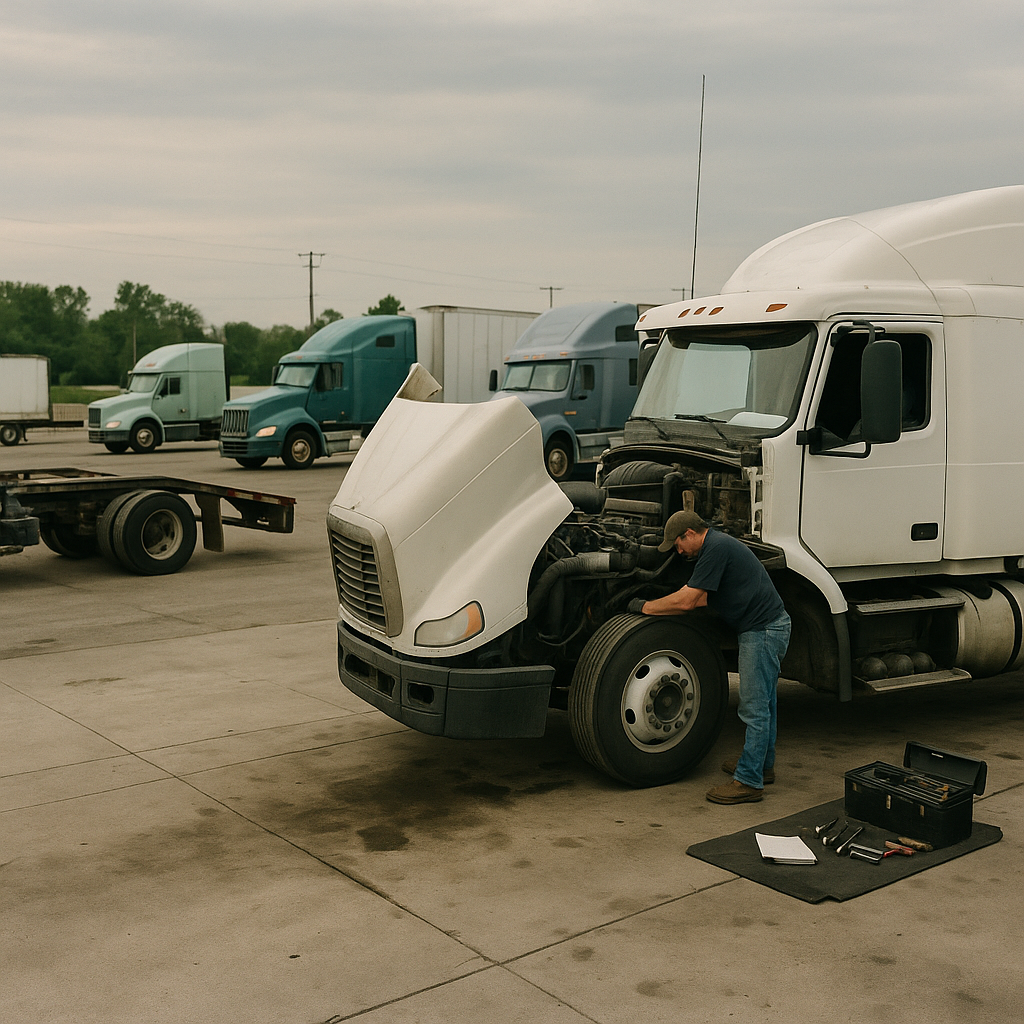
Used equipment can make startup possible, but repairs don’t care that you just got your authority. Tires, brakes, wheel-end issues, DEF or emissions problems, trailer wiring, and routine wear items can hit early.
Downtime is a double loss: you pay to fix the equipment and lose the revenue you expected to make with it. That’s why maintenance reserve is not optional just because the truck looked affordable.
Fuel, tolls, factoring, and reserves#
Fuel and tolls can swing week to week. If you use factoring, quick-pay options, or outside admin support, those costs also eat into margin.
A practical first-year plan includes reserve money for:
- repairs
- insurance down payments and renewals
- slow weeks
- delayed customer payment
- personal living expenses during uneven revenue
Low startup cash does not mean low capital needs. It usually means you need tighter discipline.
Profitability: when hotshot trucking can make sense#
Yes, a hotshot business can be profitable, but only if net margin works after all costs are counted. Gross revenue sounds good in a sales pitch; net profit is what’s left after fuel, insurance, repairs, equipment payments, empty miles, and downtime.
That’s the part many beginners miss. Social media often sells revenue. Your bank account lives on margin.
Revenue versus net profit#
Profitability depends on your total cost per loaded mile and your total cost per week, not just what one load pays. A load that looks strong at first glance may be weak after deadhead, tolls, securement time, or delayed reloads are added in.
That’s why the same gross revenue can produce very different results for two operators. The lower-overhead operator with better lane discipline usually wins.
Load selection and lane discipline#
There is no universal “best” hotshot load. The most profitable load is usually the one that fits your truck and trailer, pays enough for the total trip, and doesn’t create costly empty repositioning afterward.
Cargo risk matters too. A decent rate on freight you can secure, deliver, and insure properly can beat a flashy load that adds stress, claims exposure, or unpaid delays.
Why utilization matters more than hype#
Hotshot trucking can make sense in 2026 if you have enough startup capital, realistic expectations, decent equipment, and reliable freight access. It usually does not make sense if the plan depends on perfect load availability, zero downtime, or buying the cheapest possible setup.
Utilization drives the business. Too many empty miles, too much sitting, or too many loads taken below true operating cost can kill profit even when the truck stays busy.
Finding loads and growing beyond the first truck#
Freight access is part of the cost equation because empty trucks don’t generate revenue. If you can’t keep utilization steady, startup savings disappear fast through fuel, fixed insurance costs, and truck payments that continue whether you’re loaded or not.
That’s why load strategy matters as much as equipment strategy. A good truck with weak freight planning is still a weak business.
Load boards versus direct relationships#
Load boards can help a new operator find freight quickly, but they’re often more transactional and rate-sensitive. Brokers can help fill gaps, especially early, but they also add pressure on margin if every load comes through the same channel.
Direct shipper relationships usually produce better long-term stability when you can earn repeat business. The key is consistency, communication, and hauling the kinds of loads your setup handles well.
Building repeat shippers#
Repeat freight lowers uncertainty. It helps with lane planning, scheduling, and forecasting your real operating cost instead of gambling week to week.
That matters more than people think. The business gets easier to manage when you’re not rebuilding your week from scratch every Monday.
When to add a second truck or driver#
Growth makes sense when cash flow is stable, freight is repeatable, and maintenance is under control on the first truck. Adding another unit too early can double your headaches before it doubles your revenue.
Hiring a driver also adds payroll, insurance, and compliance complexity. It’s not an automatic profit booster just because there’s demand on paper.
CDL vs non-CDL hotshot: cost and compliance differences#
Non-CDL hotshot can still be a commercial freight business with serious compliance and insurance requirements. The presence or absence of a CDL does not decide whether you’re running a regulated commercial operation.
That’s why “non-CDL hotshot startup cost” can be a misleading search phrase. It tells you something about the driver license side, but not enough about the insurance, authority, cargo, or weight side.
When a CDL may be required#
A CDL is a commercial driver’s license required for certain heavier or otherwise regulated vehicle configurations. Whether you need one depends on the legal weight and configuration of the truck and trailer, not just the fact that you’re using a pickup.
Check the actual numbers for your equipment and operating class before you buy. A “non-CDL build” can stop being non-CDL pretty quickly once trailer choice, cargo, or rated weight changes.
How weight and configuration affect the setup#
Weight affects more than licensing. It can also affect the insurance minimums that apply, what regulations come into play, and how your operation is viewed by shippers, brokers, and insurers.
If you’re running interstate, verify your business details and carrier status through SAFER. It’s also a useful reminder that federal carrier records and state registration aren’t the same thing.
Why state rules and federal rules are not the same#
State minimums do not automatically satisfy federal requirements. If your operation falls under FMCSA rules, federal financial responsibility standards can apply even if a state-level number looks lower.
That’s the mistake that burns pickup-based operators most often. A personal pickup mindset plus a state-minimum mindset can leave a real commercial hauling business under-scoped before the first claim. If you’re unsure how your setup fits CDL, weight, cargo, and insurance rules together,
FAQ#
Is owning a Hotshot business profitable?
Owning a hotshot business can be profitable, but the real answer depends on net margin, not gross revenue. Fuel, insurance, deadhead, maintenance, tolls, equipment payments, and downtime can eat into revenue faster than many new operators expect. A truck that stays busy is not automatically a truck that makes money. The operators who usually do better know their cost per trip, avoid weak lanes, and keep enough reserve cash to survive breakdowns and slow weeks. Profit comes from discipline and consistent freight, not hype.
Is Hotshot trucking worth it in 2026?
Hotshot trucking can be worth it in 2026 if your business model is realistic and your equipment, compliance, and freight plan actually fit together. It tends to make more sense for operators who understand their lane strategy, keep overhead under control, and don’t rely on perfect market conditions. It makes less sense if you’re stretched thin on startup cash, buying equipment before confirming your operating model, or assuming any pickup-and-trailer setup will work. Treat it like a real trucking business, not a shortcut, and the decision gets much clearer.
What is the most profitable hot shot load?
There isn’t one universal most profitable hot shot load. The best load is usually the one that fits your equipment, pays enough to cover your full trip cost, and sets you up for the next load without heavy deadhead. Cargo that’s familiar, properly secured, and insurable can be more profitable than a higher-paying load that creates delays or extra risk. Profitability comes from the full lane picture: rate, miles, reload options, cargo handling time, and claims exposure. A flashy rate by itself doesn’t tell you much.
Is Hot Shot a good business to start?
Hot shot can be a good business to start for disciplined operators who have enough capital, understand compliance, and have a realistic plan for finding freight. It is usually a harder business than it looks from the outside because equipment costs, insurance, and uneven cash flow hit early. It works better for people who treat startup as a planning exercise, not an impulse purchase. If you go in assuming low barriers and quick money, the risks show up fast. If you plan carefully, it can be a viable small trucking business.
How much does it cost to start a hotshot business?
Hotshot business costs usually break into truck, trailer, insurance, authority, permits, equipment, and admin setup. The total depends heavily on whether you buy new or used equipment, how your operation is classified, and what coverage you need. A used truck and trailer may reduce the upfront cash needed, but they can increase repair exposure right away. The smarter way to estimate startup cost is to separate legal must-haves from optional upgrades and then add reserve cash for early repairs, downtime, and uneven payment timing.
Can I start a hotshot business with a pickup truck?
Yes, you can start a hotshot business with a pickup truck if the truck, trailer, cargo, and operating model fit the legal and insurance requirements for the work. The key point is that a pickup-based setup can still be a commercial freight operation even when it doesn’t look like a traditional semi. That means you still need to think about weight, interstate versus intrastate travel, for-hire status, and the right insurance structure. The truck being a pickup does not turn commercial hauling into personal-use driving.
Do I need commercial insurance for hotshot trucking?
If you’re hauling freight for pay, you generally need commercial insurance matched to the operation. Personal auto insurance usually is not enough for pickup-based hotshot work because the exposure is business use, not ordinary personal driving. The exact coverage mix depends on your route, cargo, vehicle weight, and whether you operate interstate or intrastate. Many operators look at auto liability first, then cargo and physical damage, with other coverage depending on the setup. The biggest mistake is buying a policy that sounds right but is scoped for the wrong operation.
What costs do new hotshot owners forget?
New hotshot owners often forget maintenance reserve, downtime, fuel swings, tolls, accounting, software, securement gear replacement, permit-related costs, and the first stretch of uneven cash flow. They also underestimate how expensive it is to sit empty between loads or wait on customer payment. Another common miss is early repair work on used trucks and trailers that looked affordable during purchase. Insurance is only one part of the picture. A business can launch with low cash and still fail quickly if there’s no backup money for breakdowns, delays, or slow freight weeks.