
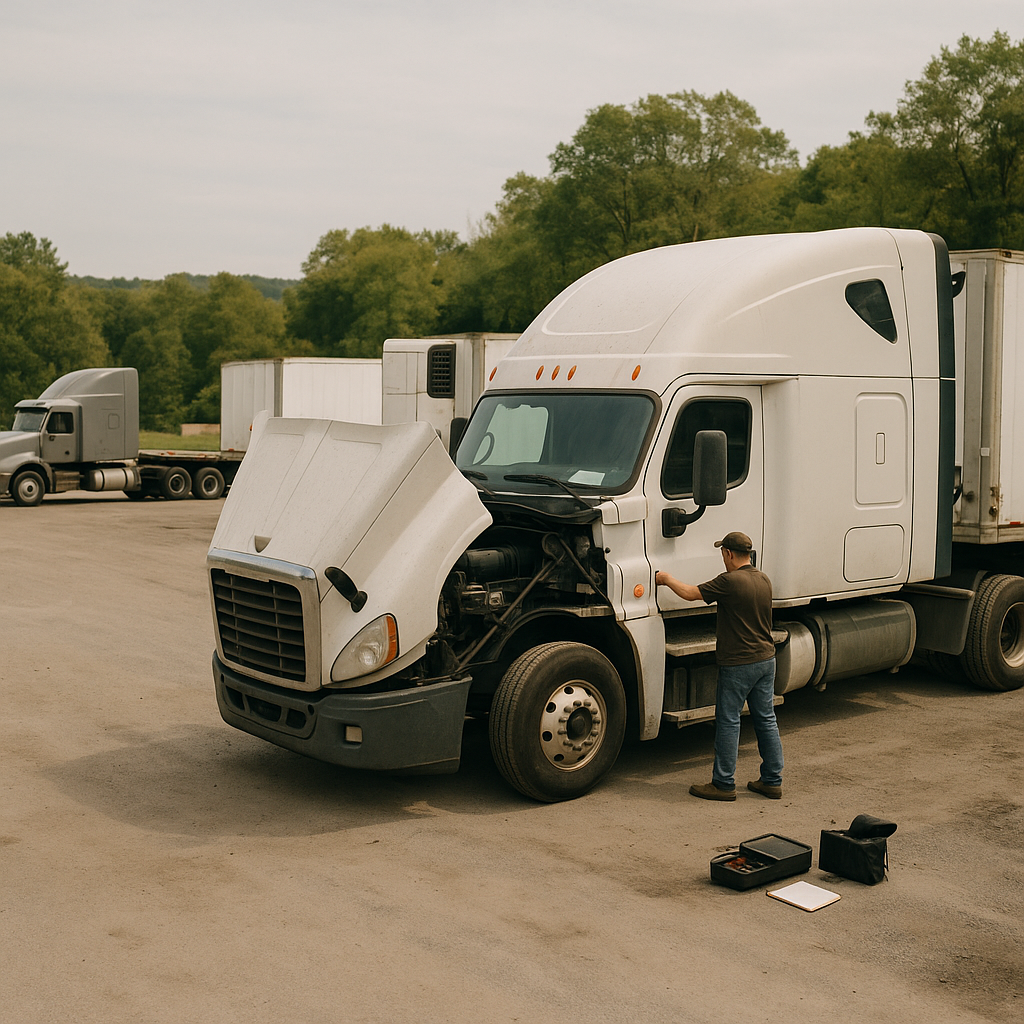

If you’re shopping for hotshot truck insurance Connecticut coverage, the biggest mistake is comparing one quote total to another without checking what’s actually included. A hotshot setup can look simple from the outside, but the insurance side changes fast once you’re hauling freight for pay, crossing state lines, or pulling a trailer you don’t own.
What Hotshot Truck Insurance Covers#
Hotshot trucking insurance is commercial coverage built for hauling cargo with a pickup, dually, or similar setup used for business. It usually includes liability for damage you cause to others, plus optional protection for the freight, your truck, and certain non-driving business risks.
Hotshot vs personal auto#
Hotshot trucking insurance means insurance for a truck used to haul loads for pay, often with a pickup, dually, gooseneck, or flatbed trailer. Personal auto insurance covers personal driving, but it usually excludes business hauling, delivery-for-hire, and other commercial use.
That matters even if you’re a one-truck owner-operator running your own authority or leased to someone else. If you rear-end another vehicle while hauling a skid steer for a contractor, the fact that you’re using a pickup instead of a semi doesn’t make it personal use.
The core issue is commercial use, not whether the truck feels “small” compared to a tractor-trailer. A dually pulling loaded freight for money is still a business operation, and the policy has to match that exposure.
For the driving side, auto liability coverage is the base piece most operators think of first. That’s the part that responds if you cause bodily injury or property damage to someone else in an at-fault crash.
Core coverages in a hotshot policy#
The coverages in a hotshot policy depend on what you haul, what the truck is worth, and what your contracts require. A simple local equipment-hauling setup may need a different package than an interstate operator pulling time-sensitive loads across several states.
Common coverages include:
- Auto liability for injury or property damage you cause to others
- Motor truck cargo for the freight you’re hauling
- Physical damage for your truck and, where scheduled, certain attached equipment
- General liability for non-driving business risks
- Non-trucking liability or bobtail coverage for certain non-business use
- Trailer interchange or non-owned trailer physical damage for trailers you don’t own
- Reefer breakdown when temperature control is part of the operation
A practical example: hauling a customer’s loaded trailer is different from hauling your own trailer with your own equipment on it. Moving a compact excavator for a contractor raises different cargo questions than pulling an empty trailer home after a delivery.
What changes for Connecticut operators#
Connecticut doesn’t create a separate hotshot-only insurance category. The real question is how the truck is used, what it weighs, what cargo is involved, and whether you’re operating intrastate or interstate.
That means a Connecticut owner-operator using a pickup for paid hauling still needs coverage built for commercial trucking exposure. It also means your policy may need to satisfy a broker, shipper, or motor carrier contract even when the legal minimum sounds lower on paper.

Connecticut Rules: State Minimums, FMCSA, and When Commercial Coverage Starts#
Connecticut hotshot operators need to separate state auto rules from federal motor carrier rules. Your actual liability requirement depends on whether you’re for-hire or private, whether you run interstate, the vehicle weight, and the cargo you haul, not on a one-size-fits-all hotshot number.
FMCSA rules vs Connecticut rules#
FMCSA is the Federal Motor Carrier Safety Administration, the federal agency that regulates interstate motor carriers. Connecticut DMV is the state agency that handles vehicle registration and licensing matters in Connecticut, but state registration rules don’t replace commercial insurance requirements for a trucking operation.
This is where many new operators get tripped up. State minimum auto requirements and federal trucking financial responsibility rules are not the same thing.
Under FMCSA rules and 49 CFR Part 387, for-hire interstate carriers hauling general freight in vehicles over 10,001 pounds must carry at least $750,000 in public liability. Other operations can be different: under 10,000 pounds can be scoped differently, auto haulers can require $1,000,000, and certain hazmat operations can require $5,000,000.
So no, not every hotshot operator has the same federal minimum. The right answer always depends on carrier type, weight, commodity, and whether the operation is interstate.
Connecticut administrative issues like registration class, apportioned plates, and operating paperwork still matter, and the Connecticut DMV can help with the state side. But none of that turns a commercial hauling operation into personal auto exposure.
Intrastate and interstate use#
Interstate means you haul across state lines or participate in a load that is part of interstate commerce. Intrastate means the move stays within one state, though the legal details can still get tricky depending on the shipment.
A Connecticut operator hauling a contracted load from Hartford to New Jersey is plainly in federal territory. That operator may need authority-related filings and proof of insurance before the load board, broker, or authority status is usable in practice.
A local-only operator moving equipment from one Connecticut town to another may not trigger the same FMCSA authority setup. But that doesn’t mean personal auto is enough if the truck is being used for business hauling.
If you need to understand authority-related proof requirements, this guide to commercial trucking filings helps connect the insurance side to startup timing.
You can also verify interstate authority status and operating records through SAFER. That’s useful when you’re checking whether an MC number is active or whether a carrier’s federal record reflects what they think it does.
When a personal policy is no longer enough#
Commercial coverage starts to matter as soon as the truck is being used in a real hauling business, not just when you buy a bigger rig. If you’re towing loaded freight for pay, using a trailer for contracted work, or presenting yourself as a carrier, you’re outside normal personal-auto intent.
Brokers and shippers often require more than the bare legal minimum anyway. A contract may ask for higher liability, cargo limits, or proof that a trailer you’re pulling is covered even if the law itself doesn’t spell out that exact package.
What Insurance You Need for a Hotshot Truck#
Most hotshot operators need auto liability first, then add cargo, physical damage, and contract-driven coverages based on what they haul and how they run. The right mix depends on whether you’re protecting the public, your truck, the freight, or someone else’s trailer.
Minimum coverage to operate#
Auto liability is the core hotshot coverage because it pays for bodily injury or property damage you cause to others in an at-fault accident. If your dually and trailer slide into another lane and hit a car, this is the coverage that addresses the third-party damage.
That legal baseline is only one layer. Many operators also need motor truck cargo, especially if they’re hauling equipment, machinery, palletized freight, or customer property that could be damaged, stolen, or lost in transit.
If you need a clearer breakdown of cargo insurance basics, it’s worth reviewing before you accept a low cargo limit that doesn’t match your loads. Hauling a contractor’s equipment is very different from carrying a low-value miscellaneous load.
Coverage that protects the truck and load#
Motor truck cargo protects the freight being hauled, but the limit needs to reflect the value and type of cargo. If you routinely haul a skid steer, utility equipment, or higher-value jobsite materials, an undersized cargo limit can leave a painful gap after a claim.
Physical damage covers your truck for collision and comprehensive-type losses, such as crash damage, theft, fire, or certain weather losses, depending on the form. That’s especially important if your dually is financed, newer, or essential to your income.
This overview of physical damage coverage can help when you’re deciding whether a quote really protects the truck you depend on. A stripped-down quote may look cheaper simply because it leaves your own rig exposed.
General liability covers certain business risks that don’t come from driving the truck itself. Think customer-site incidents, some loading and unloading exposures, or a claim that happens around business operations rather than from a road accident.
Coverage that depends on the contract#
Non-trucking liability, often called bobtail coverage in everyday conversation, applies to certain non-business use, not paid hauling. It does not cover you while you’re actively moving freight for money, even if the trailer is empty on the return leg and you’re still in business use.
If you want a clearer explanation of bobtail insurance, pay close attention to the business-use line. An empty return trip after delivery can still be part of commercial operations, so the label “empty” doesn’t automatically mean non-trucking use.
Trailer interchange applies when you use a trailer under a signed interchange agreement. Non-owned trailer physical damage is often the more practical fit for non-intermodal hotshot operators towing a trailer they don’t own without that formal interchange setup.
A common example is towing a customer’s trailer or pulling a borrowed trailer to complete a load. That’s where contract wording matters just as much as the truck itself.
How Much Hot Shot Truck Insurance Costs in Connecticut#
Hot shot trucking insurance cost in Connecticut depends on the risk profile behind the truck, not just the liability limit printed on the quote. Driver history, cargo, radius, truck value, deductibles, trailer use, and interstate exposure can all change the number in a meaningful way.
What drives the quote#
Underwriting is the insurer’s process for evaluating risk and pricing a policy. For hotshot operations, that usually means looking closely at your driving record, years of experience, vehicle details, garaging ZIP, cargo type, operating radius, prior claims, requested limits, and whether the operation is intrastate or interstate.
A Connecticut operator hauling light equipment within a tighter local radius may present differently than one crossing multiple states with varied brokered freight. A newer financed dually with full physical damage usually prices differently than an older paid-off truck carrying only liability.
Cargo also changes the conversation. Hauling general contractor equipment isn’t evaluated the same way as hauling higher-theft items, specialized machinery, or loads that create more claim severity if they’re damaged.
Why two operators can see very different numbers#
Two trucks that look nearly identical can produce very different quotes because the operation behind them is different. One driver may have a cleaner MVR, shorter radius, lower truck value, and no trailer borrowing exposure, while the other may need higher cargo limits, broader territory, and extra trailer protection.
A quote can also look lower simply because something important is missing. One policy may show liability only, while another includes cargo, physical damage, and a deductible structure that changes the total out-of-pocket risk after a claim.
That’s why the question “How much does $1,000,000 liability cost?” doesn’t have a clean universal answer. A $1,000,000 liability limit is only one part of the risk picture, and it still depends on the truck, driver, cargo, territory, and filing needs.
A common real-world problem is comparing a full hotshot package to a bare commercial auto quote as if they’re the same thing. They aren’t.
How to review a quote line by line#
Start by checking exactly which coverages are included. Confirm the liability limit, cargo limit, physical damage deductibles, whether the trailer is scheduled correctly, and whether any requested filings are part of the proposal.
Then look at what changed the price. Did one quote include a higher cargo limit for hauled equipment? Did one include physical damage on a newer truck while another left it out? Did one assume a tighter radius than how you really run?
Connecticut can affect pricing indirectly through garaging location, repair costs, theft patterns, weather exposure, and insurer appetite for the region. So compare like for like, not just the headline premium.
CDL vs Non-CDL Hotshot Insurance#
CDL versus non-CDL changes the driver’s licensing status, but it does not create a separate insurance universe. If a pickup or dually is being used to haul freight for business, insurers still treat it as a commercial trucking exposure based on the operation.
What the license does and does not change#
A CDL is a commercial driver’s license, which is a licensing qualification, not an insurance product. Non-CDL hotshot operators sometimes assume the lack of a CDL means they can stay on personal auto coverage, but business hauling is the real trigger for commercial insurance.
If you’re pulling loads for pay, the insurer wants to know what the truck does, what trailer it pulls, what cargo it hauls, and where it runs. The policy has to fit that operation whether the driver holds a CDL or not.
Equipment and weight considerations#
GVWR means gross vehicle weight rating, the manufacturer’s maximum loaded weight rating for a vehicle. Weight, trailer choice, and cargo type matter because they affect both regulation and underwriting.
A non-CDL setup may still involve a pickup and trailer combination that creates meaningful liability and cargo exposure. Even without a CDL requirement, hauling equipment across Connecticut or into neighboring states can still require full commercial coverage.
How insurers look at the operation#
Insurers usually price the whole operation, not just the license class. They look at experience, safety record, vehicle specs, territory, and what kind of loads you’re hauling.
So the common idea that “non-CDL means cheaper and simpler insurance” only tells part of the story. Sometimes it may be simpler on the licensing side, but the commercial risk still has to be insured correctly.
How to Get a Hotshot Insurance Quote in Connecticut#
The best hotshot insurance quote starts with complete, consistent information. If you give different brokers different truck details, cargo descriptions, or operating radius assumptions, you’ll get apples-to-oranges pricing that doesn’t tell you much.
Information to gather before shopping#
Have your VIN, garaging ZIP, truck year, make, and model ready. Also gather trailer type, cargo hauled, normal operating area, driver history, current authority status if applicable, and the limits you want quoted.
That helps the quote reflect the real operation. If one quote assumes local Connecticut hauling and another assumes multi-state operation, the totals won’t mean the same thing.
Questions to ask a broker#
Ask whether cargo includes the kind of equipment you actually haul. Ask how empty return trips are treated, whether filings are included if needed, and whether the policy is designed for hotshot work rather than generic commercial auto use.
A good reality check is this: if the broker can’t explain where liability stops and cargo, trailer, or physical damage begins, the quote may not be built tightly enough for a hauling business. This guide on how trucking quotes work can help you ask sharper questions.
How to compare quotes without missing coverage#
Compare the same limits, deductibles, truck values, and covered uses across each quote. Then review exclusions carefully, especially around cargo type, trailer use, radius, and any non-owned equipment.
Also confirm the insurer will accept your specific setup. A dually hauling contractor equipment, a gooseneck used across state lines, and a borrowed trailer each create details that need to be right before you bind coverage.
Savings and Risk Management for Owner-Operators#
The safest way to control hotshot insurance cost is to reduce avoidable risk, not to strip away needed coverage. Clean driving, secure loads, accurate paperwork, and documented maintenance usually help more over time than chasing the lowest headline quote.
Ways to reduce avoidable risk#
Keep maintenance records for the truck and trailer, especially on a working dually that sees frequent towing. Use proper tie-downs, inspect them, and document cargo condition with photos before transit when the load value could become a dispute later.
Accurate garaging information matters too. If the truck is really kept in one ZIP but quoted in another, the mismatch can create problems later.
Where to be careful with deductibles#
A higher deductible can lower premium, but it also means more out of pocket after a claim. That can be manageable on a minor physical damage loss, but painful if you already have downtime, towing, and a repair wait.
The same caution applies to cargo and liability decisions. Underinsuring cargo or settling for too little liability can look like savings until one bad loss wipes out the difference.
How safer operations support better quotes#
Safer operations support better underwriting outcomes because they show consistency. Clean records, fewer claims, organized maintenance, and clear operating details help carriers understand the risk and price it with more confidence.
For a one-truck hotshot business, that matters. The goal isn’t the cheapest-looking quote. It’s coverage that still works when the load shifts, the truck gets damaged, or a contract asks for proof you didn’t realize you needed.
FAQ#
Practical answers for Connecticut hotshot operators
What is the best insurance for hotshot trucking?
The best insurance for hotshot trucking depends on how you operate, what you haul, and what your contracts require. Most hotshot operators start with auto liability, then add motor truck cargo and physical damage because they need to protect both the public and the equipment they depend on.
General liability, non-trucking liability, and trailer-related coverage may also matter depending on customer locations, borrowed trailers, or off-dispatch use. The right setup is the one that matches your actual loads, territory, truck value, and business model, not the one with the lowest starting premium.
How much does hot shot trucking insurance cost?
Hot shot trucking insurance cost varies based on the truck, driver, cargo, operating radius, liability limits, deductible, claims history, and whether the operation is intrastate or interstate. Connecticut location can also affect quotes indirectly through garaging, repair costs, weather, and insurer appetite.
That means there isn’t one universal price for all hotshot operators. A quote only makes sense when you know whether it includes liability only or a fuller package with cargo, physical damage, trailer coverage, or required filings.
What insurance do you need for hotshot trucking?
Auto liability is the core coverage because it addresses injury and property damage you cause to others after an at-fault accident. Beyond that, many hotshot operators also need motor truck cargo for the freight and physical damage for the truck itself.
General liability can matter for customer-site exposures and broader business risks. Bobtail or non-trucking liability may help during qualifying non-business use, and trailer interchange or non-owned trailer physical damage can matter if you pull trailers you don’t own. The right package depends on your operation, cargo, and contracts.
How much does a $1,000,000 liability insurance policy cost?
A $1,000,000 liability policy can’t be priced accurately from the limit alone. Insurers still need the truck details, driver history, cargo type, operating territory, garaging ZIP, claims record, and whether the quote includes filings or other coverages.
That’s also why you shouldn’t compare a $1,000,000 liability quote to a full hotshot insurance package as if they’re equal. One may only cover third-party road liability, while the other may include cargo, truck damage, trailer exposure, and additional business protections.





