
Hotshot truck insurance North Dakota shoppers usually need more than a basic auto policy and less than a generic one-size-fits-all trucking package. The right setup depends on how your rig is used, what you haul, where you run, and whether your operation triggers North Dakota rules, FMCSA filings, or both.
If you’re running a pickup with a flatbed or gooseneck, it’s easy to get bad advice. A lot of drivers hear “non-CDL” and assume personal auto is enough, or hear “state minimum” and assume that covers interstate freight. It doesn’t work that way.
This guide breaks down what hotshot trucking insurance covers, when federal rules apply, what changes the price, and how to quote the right policy without buying coverage you don’t need.
👉 Ready to save on your hot shot truck insurance?
Watch the video below for a quick overview of hot shot insurance rules, how much it costs, and practical ways to save. Or give us a call: (704) 290-3630
What Hotshot Truck Insurance Covers#
Hotshot truck insurance North Dakota coverage usually starts with commercial auto liability and then builds from there based on cargo, equipment, trailer setup, and how you operate. Personal auto usually doesn’t fit for-hire hauling, and the right policy mix changes if you run interstate, haul customer freight, or need protection for your truck and trailer.
Hotshot operations vs personal auto#
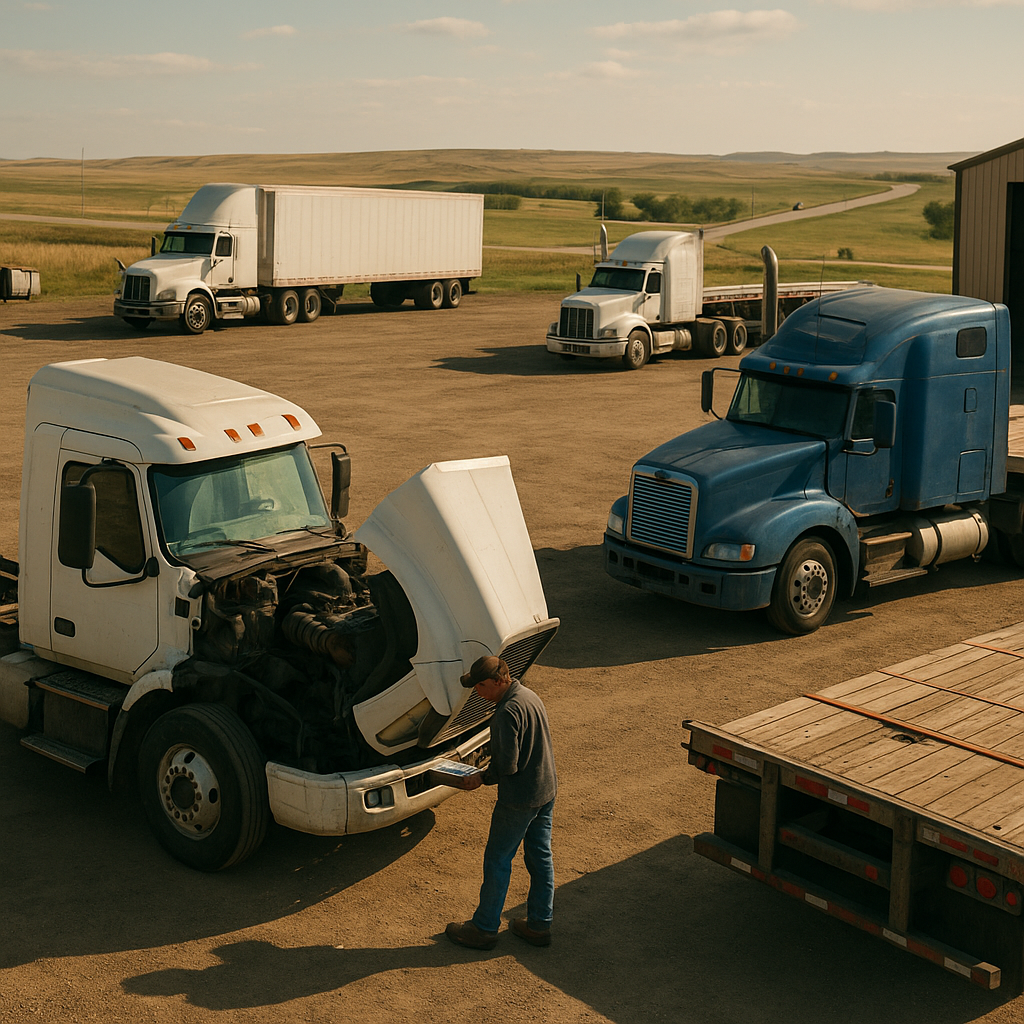
Hotshot trucking means hauling time-sensitive freight, usually with a pickup and flatbed or gooseneck trailer, instead of a full semi setup. A lot of owner-operators use it for equipment, building materials, parts, or smaller loads that need to move fast.
That’s why personal auto coverage usually falls short. Once you’re using the truck in a for-hire business, hauling freight for money, the exposure looks commercial to the insurer even if the truck looks like a heavy-duty pickup from the outside.
A practical example: if you use a dually to pull a gooseneck across North Dakota for paid loads, that isn’t the same risk as commuting or towing your own trailer on weekends. If the policy classifies the truck wrong, a claim can turn into a hard conversation fast.
Core coverages most operators compare#
Auto liability pays for injury or property damage you cause to others in a covered crash. For hotshot operators, that’s the policy most people mean when they talk about “truck insurance,” but it isn’t the whole picture.
Motor truck cargo covers the customer’s freight while you’re hauling it. Physical damage covers damage to your truck and, where scheduled, your trailer from collision and other covered causes like theft, fire, or weather. General liability covers certain non-driving business risks, such as incidents tied to your trucking operation away from the road.
Those are the policies most North Dakota hotshot shoppers compare first because they match the real risks: hurting someone in a crash, damaging customer freight, or taking a hit on expensive equipment.
When extra coverages make sense#
Some coverages matter only for certain operations. If you’re leased on and sometimes drive the truck without a trailer or without an active dispatch, bobtail or non-trucking liability may matter depending on how the truck is used and what your lease requires.
Trailer-related coverage can matter too, especially if you don’t own the trailer you pull. The right mix depends on your vehicle setup, cargo type, and whether you’re running as a for-hire interstate carrier or staying intrastate inside North Dakota.
North Dakota Rules vs Federal Trucking Requirements#
North Dakota state rules and federal trucking rules are not the same thing. If you haul freight for hire, especially across state lines, FMCSA requirements can control your liability setup even if North Dakota’s regular auto minimums are lower, so you need to scope your operation by carrier type, weight, cargo, and interstate status.
State minimums are not the whole answer#
This is where a lot of hotshot operators get tripped up. North Dakota oversees insurance in the state through the North Dakota Department of Insurance, but state auto minimums do not automatically equal commercial trucking compliance.
If your truck is being used in a trucking business, the insurance question is bigger than “what’s the state minimum?” The better question is whether you’re a for-hire carrier, what your gross vehicle weight looks like, what freight you haul, and whether you cross state lines.
For many hotshot operators, commercial auto liability is the foundation that has to be matched to the actual operation, not to a personal vehicle template.
When FMCSA filings matter#
An MC number is operating authority for certain for-hire interstate carriers, and a DOT number identifies carriers and certain commercial vehicles in the regulatory system. If your hotshot setup runs interstate for hire, you may need federal authority, proof of liability filings, and operating status that lines up with FMCSA records.
Under 49 CFR Part 387, for-hire interstate carriers hauling general freight in vehicles over 10,001 lbs must carry at least $750,000 in public liability. That number is not universal. Auto haulers and certain hazmat operations can require more, and lighter setups can fall into different buckets depending on how they operate. FMCSA explains the federal financial responsibility framework at fmcsa.dot.gov.
If you’re still sorting out DOT number requirements, get that clear before you bind coverage. The insurance filing has to match the operation on paper, not just what you plan to do later.
How carrier type and weight change the setup#
GVW means gross vehicle weight, or the total operating weight of the truck and trailer together when loaded. That matters because a local North Dakota hotshot hauling small equipment inside the state may have a different compliance path than a for-hire operator crossing into South Dakota or Montana with heavier construction materials.
A non-CDL setup can still be commercial. An interstate setup can still trigger federal insurance rules even if the truck doesn’t look like a traditional tractor. That is why hotshot insurance has to be built around the actual use case, not around assumptions from pickup-truck insurance.

How Much Hotshot Truck Insurance Costs in North Dakota#
Hotshot truck insurance North Dakota pricing depends on risk, not a flat monthly number. Two rigs that look similar on paper can quote very differently because insurers price the operation, driver history, cargo, radius, equipment value, and compliance profile, not just the truck model.
What drives the price#
The biggest price drivers are usually your driving record, years in business, operating radius, cargo type, trailer type, equipment value, and requested limits. An MVR is your motor vehicle record, and insurers use it to see violations, accidents, and license history.
If you haul heavier freight, cross state lines often, or run under your own authority, expect more scrutiny than a local operator with a narrower radius. The same goes for cargo that is theft-prone, damage-prone, or harder to underwrite.
Your truck and trailer values matter too. A newer pickup with a financed trailer and more physical damage exposure is a different risk than an older paid-off rig where the owner is only trying to protect liability.
For a broader breakdown of commercial truck insurance cost factors, it helps to look at how underwriters separate equipment risk from operating risk.
Why two similar rigs can quote differently#
Picture two North Dakota hotshot operators with similar diesel pickups. One runs local equipment loads within the state, keeps a clean MVR, and has a clear description of the business. The other runs interstate, hauls mixed freight, gives vague cargo details, and has a recent violation. The trucks may match, but the quotes probably won’t.
Another example: one operator says the trailer is used occasionally for business and mostly personal towing. Another says it hauls customer freight every week on a for-hire basis. That difference alone can change classification, eligibility, and required filings.
Ways to avoid paying for the wrong coverage#
The cheapest-looking quote is not always the right one. A lower premium can come from wrong classification, missing cargo coverage, stripped-down physical damage, or limits that don’t fit the work.
The better move is to describe the operation accurately and only buy what the business actually uses. If you never haul customer freight, your needs look different than a true for-hire hotshot. If you do haul customer freight, skipping cargo just to lower the payment can leave a real hole.
What Coverage You Actually Need for Your Operation#
The right hotshot insurance package depends on how you run, not whether someone labels you CDL or non-CDL. Most operators should start with liability, then add cargo, truck and trailer protection, and business-related coverages only where they fit the actual freight, trailer ownership, and off-load exposures.
Non-CDL and CDL hotshot setups#
Non-CDL status does not mean personal auto is enough. If you’re hauling for money, the truck is being used commercially even if your setup stays under a CDL threshold.
That is why a non-CDL hotshot may still need liability built for a trucking operation, and in many cases cargo as well. A CDL setup may face more obvious compliance questions, but both CDL and non-CDL hotshot operators need the policy to match the job.
Cargo, trailer, and equipment considerations#
Motor truck cargo is coverage for the customer’s property while you’re transporting it. If you’re hauling equipment, materials, machinery, or other customer loads, motor truck cargo coverage is often one of the first things to review.
Physical damage is coverage for your truck and scheduled equipment if it’s damaged by collision or other covered causes. If your pickup, trailer, or attached equipment would be hard to replace out of pocket, physical damage coverage can be a core need rather than an optional add-on.
General liability covers certain business risks not caused by operating the truck on the road. If your contracts, shippers, or job sites ask for it, general liability for trucking may make sense even though it does not replace auto liability.
A good practical example: a local operator hauling his own equipment may focus on liability and physical damage first. A for-hire hotshot hauling contractor materials for customers usually needs a different mix because cargo exposure is part of the job.
When bobtail or non-trucking liability applies#
Bobtail liability covers certain liability situations when a truck is being operated without a trailer. Non-trucking liability covers certain personal-use situations when the truck is not being used in business and never while you’re under dispatch or hauling for pay.
Those coverages are often confused. If you’re comparing bobtail insurance, make sure you know whether you need protection for driving without a trailer in business use, or only for true non-business use. A lot of owner-operators buy the wrong one because somebody used the terms like they mean the same thing.
Match the policy to how often the truck runs empty, whether you’re leased on, and who owns the trailer. That matters more than the nickname people use for the coverage.
How to Quote Hotshot Insurance Correctly#
A clean hotshot insurance quote starts with accurate operation details. Have your VIN, trailer type, GVW, cargo examples, operating states, business structure, and interstate status ready, because vague answers can lead to wrong pricing, missing filings, or coverage that doesn’t match what you actually do.
Information to have ready#
VIN means vehicle identification number, and underwriters use it to verify the exact truck. You should also have the trailer year, make, type, and ownership details ready, plus where the truck is garaged and who drives it.
Cargo examples matter more than people think. “General freight” is often too vague by itself. Saying you haul small equipment, construction materials, or auto parts gives a better picture than saying “a little bit of everything.”
A helpful prep step is using a trucking insurance quote checklist so you don’t forget basic details the underwriter will ask for.
Avoiding misclassification#
Misclassification happens when the policy description doesn’t match the operation. A common example is calling the truck personal use because it’s a pickup, even though it hauls freight for pay. Another is saying the route is local when the work actually crosses state lines every week.
That can create wrong pricing, bad filings, or trouble at claim time. If you’re unsure how your authority is showing up, check your status on FMCSA SAFER and make sure the insurance application matches it.
Questions to ask before binding#
Before you commit, ask what coverages are included, what exclusions apply, and whether required filings or certificates are available. Ask how the insurer classifies the operation, whether the trailer is properly covered, and what happens when the truck is used without a load.
Those questions save time later. They also make it easier to compare one quote against another on real coverage instead of just payment.
Ways to Lower Cost Without Creating Coverage Gaps#
You can lower hotshot insurance cost by improving how the risk looks, not by gutting the policy. Clean driving, solid safety habits, accurate garaging, and clear business details usually help more than trying to force a bare-minimum coverage setup that no longer fits the work.
Risk controls that matter#
Keep MVRs clean, document maintenance, and be consistent about inspections and load securement. Underwriters like operations that look controlled, not improvised.
Accurate garaging matters too. If the truck is kept in one place but listed somewhere else, that can create rating problems and trust issues from the start.
Coverage tradeoffs to review#
There is a responsible way to trim cost and a risky way. Raising deductibles can make sense if you can absorb them. Removing a coverage that the business actually depends on usually does not.
For example, if your freight contracts require cargo, dropping it isn’t real savings. If your truck and trailer are financed, stripping down protection on the equipment can create a bigger problem than the premium you saved.
When cheaper becomes underinsured#
A lower premium can backfire if liability limits, cargo terms, or equipment coverage no longer fit the job. Review exclusions before changing carriers, especially if your freight mix, operating radius, or trailer setup has changed since the last policy period.
What Hotshot Operators Ask Before They Buy#
The best hotshot insurance decision is based on the operation in front of you, not on a generic package or a forum shortcut. Most North Dakota operators need to know four things before they buy: what they actually haul, where they run, which coverages are core, and whether federal filings apply.
If you’re asking whether hotshot is still viable in 2026, the practical answer is that viability depends on freight demand, discipline, operating cost control, and staying properly insured. It is not automatically good or bad for everyone.
The right next step is to quote the operation exactly as it runs, confirm any filings or certificates you may need, and compare policies on coverage details instead of slogans.
FAQ#
What is the best insurance for hotshot trucking?
The best insurance for hotshot trucking is the coverage mix that matches your actual operation. For most operators, that starts with commercial auto liability, then may include motor truck cargo, physical damage, and general liability depending on what you haul, what your truck and trailer are worth, and whether you operate for hire across state lines.
A pickup pulling a gooseneck for paid loads needs to be insured as a commercial trucking risk, not as personal auto. The best policy is the one that matches your cargo, radius, trailer ownership, and compliance requirements without adding coverages you will never use.
How much is hotshot trucking insurance per month?
Hotshot trucking insurance per month varies too much to give one honest number that fits everybody. Your actual premium depends on your operation, cargo, radius, driving history, equipment value, coverage limits, years in business, and whether you’re intrastate or interstate.
A local North Dakota operator with a clean MVR and a narrow freight profile may look very different to an insurer than an interstate hotshot hauling mixed freight under authority. The best way to get a usable monthly estimate is to quote the business with exact vehicle, trailer, cargo, and route details rather than relying on generic averages.
What insurance coverage do I need for hotshot trucking?
Most hotshot operators should evaluate commercial auto liability first, because that is the core protection tied to causing injury or property damage in a crash. If you haul customer freight, motor truck cargo is often next. If your truck or trailer would be expensive to replace, physical damage is also worth serious review.
General liability can make sense when contracts or shippers ask for it or when your business has off-road exposure. Bobtail or non-trucking liability may matter in certain lease or empty-truck situations, but only if those uses actually apply to how you run.
Is Hotshot trucking worth it in 2026?
Hotshot trucking can still be worth it in 2026 for operators who control costs, know their lanes, price loads carefully, and build insurance around the real work. It is less about hype and more about discipline. Freight demand, maintenance, downtime, fuel, financing, and claims history all matter.
Insurance is part of that equation because the wrong coverage can either cost too much or leave you exposed at the worst time. If your setup, freight, and operating plan are realistic, hotshot can make sense. If the numbers only work when you underinsure the business, that is a warning sign.
Do I need commercial insurance if I run non-CDL hotshot in North Dakota?
Yes, in many cases you still need commercial insurance even if you run non-CDL hotshot. Non-CDL only describes part of the licensing picture. It does not turn a for-hire freight operation into personal use.
If you’re using a pickup and trailer to haul loads for money, the insurer needs to rate that as a commercial trucking exposure. Whether you also need federal filings depends on carrier type, weight, cargo, and whether you operate interstate or intrastate. The safe move is to quote the operation exactly as it runs and verify the compliance side before you hit the road.





